Community honors give people a concrete way to recognize service, preserve local stories and strengthen a shared sense of belonging. A plaque in a library, an annual award for volunteers or a display in a community center can turn gratitude into something people see and remember. For local leaders, clubs and neighborhood groups, the key is to create recognition that feels sincere, inclusive and connected to the community’s values.
By Team Savant
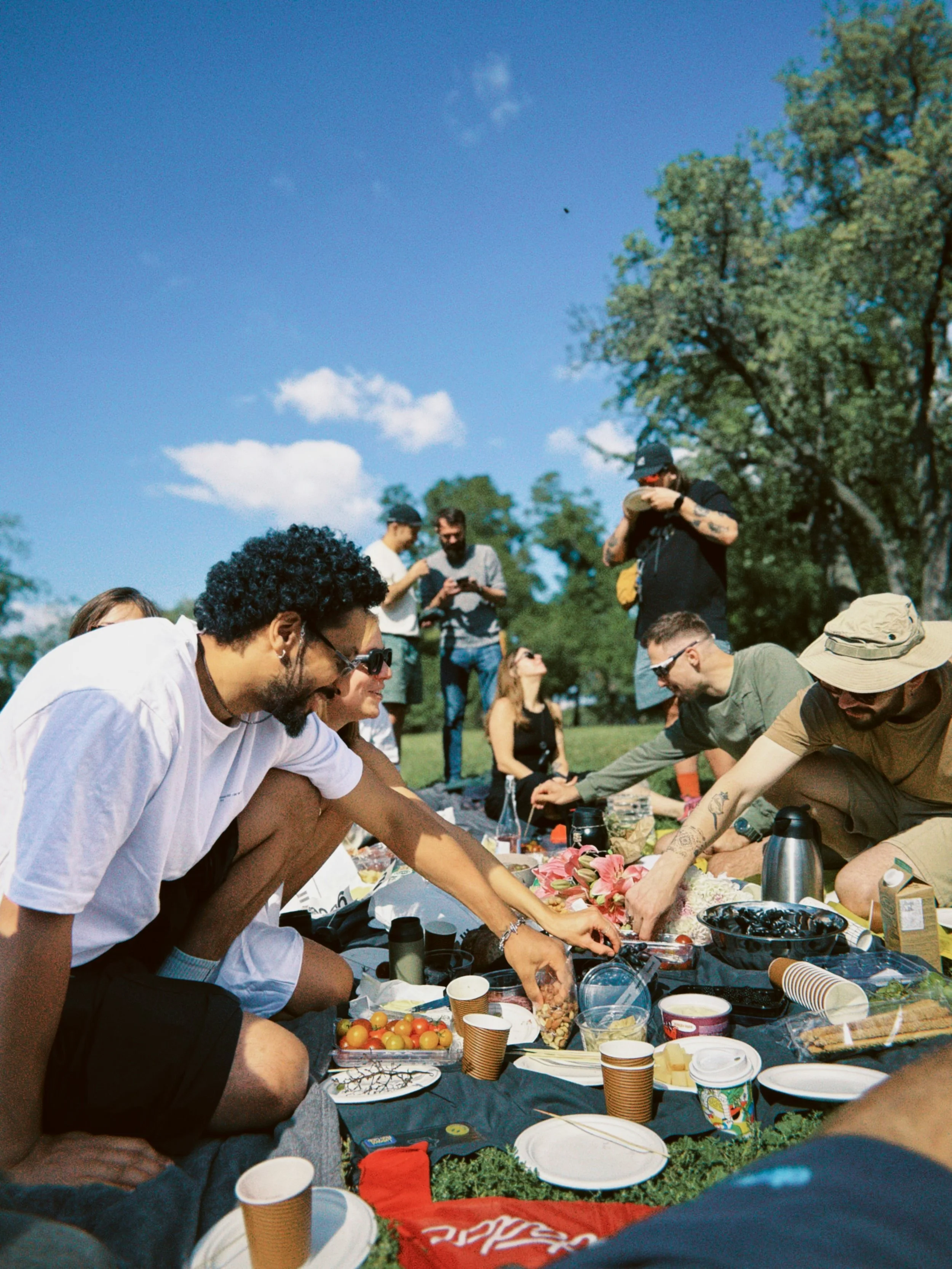
Image: Andrii Solok
The Decline of Shared Civic Rituals
Many communities have fewer recurring occasions where residents gather across age groups, professions and social circles. Meetings often focus on urgent business, while public recognition gets reduced to a quick announcement or social media post. That leaves less room for people to understand who contributes to local life and why their work matters.
Writing on civic shared flourishing, Harvard’s Advanced Leadership Initiative connects civic prosperity with mutual responsibility and shared purpose. Communities can put that principle into practice by restoring simple rituals. An annual service evening, founders’ day or volunteer breakfast can become a reliable point of connection when it occurs at the same time each year and welcomes the wider public.
Visible Markers of Shared Service
Select a form of recognition that suits both the achievement and its intended setting. A framed certificate may work for a short-term program, while a durable plaque can mark decades of service or explain the history of a public place. Clubs and organizations can also commission trophies for recurring awards, sporting achievements and milestone events, with custom designs helping each honor feel connected to its recipients.
Before ordering anything, agree on the exact wording, date and preferred name of the honoree. Ask at least two people to proofread the inscription. You should also consider where the item will remain after the ceremony. A visible location with steady foot traffic gives the recognition a continuing public purpose instead of leaving it stored out of sight.
Bringing People Together to Celebrate
Build the celebration around the honoree’s contribution and the people affected by it. A clear 45-minute program may include a welcome, two short stories, the presentation and time for informal conversation. Invite former participants, partner groups and family members early enough that they can plan to attend.
The National Civic League’s discussion of engaged thriving communities emphasizes the connection between civic engagement and community well-being. A recognition event supports that connection when attendees have time to meet each other and exchange ideas. The same principle appears in unhurried community connection, where shared spaces allow relationships to develop at a human pace. Leave room after the formal presentation for conversation, photographs and introductions.
Preserving Community Memory
Record the story behind each honor while the details are still available. Keep the recipient’s full name, service dates, photographs and a 100-word account of the contribution in one organized archive. Schools, libraries and community associations can maintain a digital register alongside physical displays so future residents can find the context.
Review the archive once a year. Correct outdated information, replace damaged labels and ask longtime members to identify people in older photographs. Consent matters too, especially when publishing personal stories or images online. A short interview with the recipient or their family can capture details that formal records miss, such as who started a program, how volunteers solved an early problem or why a particular gathering became an annual tradition.
Tangible honors work best when they remain part of community life. Place them where people naturally pause, attach a clear story and revisit that story during future events. Years later, a carefully chosen inscription may still introduce a new resident to the person who helped shape the place they now call home.