Missed truck maintenance can turn a minor issue into an expensive roadside breakdown. For commercial operators, the immediate repair bill is only part of the cost. Delayed deliveries, replacement vehicles, overtime, and unhappy customers can make an unplanned stop far more damaging. Regular truck maintenance lets you spot wear before it interrupts a job. It also supports safer operation, steadier fuel consumption, and more predictable spending over the vehicle's life.
By Team Savant
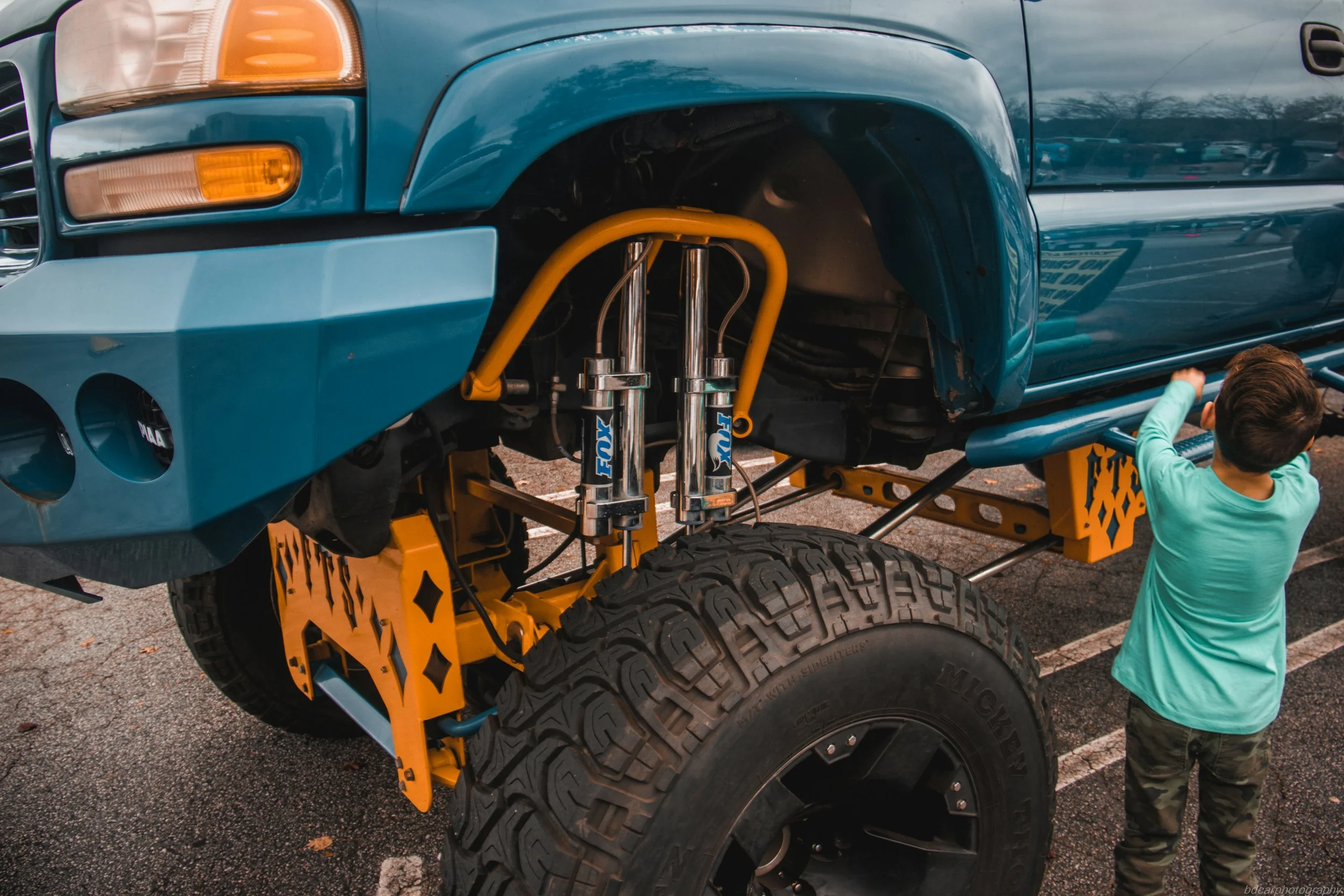
Image: Ben Duke
Small Checks Can Prevent Major Failures
Preventive maintenance starts with routine inspections of components that experience daily stress. Fluid levels, hoses, belts, batteries, and cooling systems can all develop small faults that are easy to overlook during a busy week. A loose connection or minor leak may seem harmless until heat and vibration worsen it.
Trucks that cover long distances or operate under heavy loads need strong preventative maintenance. Drivers should record warning lights, unusual sounds, and changes in handling as soon as they appear. These observations give technicians useful clues and can shorten diagnostic time. This same principle explains why smart businesses invest in preventative maintenance across equipment and facilities.
Know When To Book Professional Repairs
Some concerns need attention before the next scheduled service. Rising engine temperature, repeated warning lights, difficulty starting, and visible fluid loss all justify an early inspection. Continuing to operate the truck may damage connected components and turn a manageable repair into a much larger job.
Commercial operators can arrange professional truck repairs for diagnostics, heavy vehicle servicing, or mobile assistance. Give the technician clear details about when the problem began, the conditions in which it occurs, and any recent work performed. Accurate information helps the workshop find the cause faster, instead of spending billable time trying to reproduce a vague symptom.
Build a Schedule Around Actual Use
Manufacturer intervals provide a useful baseline, but a truck’s workload should shape its maintenance schedule. A vehicle making short urban deliveries may brake frequently and idle for long periods. Long-distance trucks accumulate mileage quickly, while vehicles working in dusty or hot conditions may need filters and fluids checked more often.
Use mileage, engine hours, and calendar time to plan inspections. Digital reminders or fleet software can reduce the chance of forgetting a service during a busy period. Practical truck maintenance tips also recommend keeping standardised checklists so drivers and technicians inspect the same areas each time. Review the schedule after seasonal workload changes or a shift in operating routes.
Make the Driver Part of the Maintenance Plan
Drivers often notice changes before a fault appears during a workshop inspection. A new vibration, slower acceleration, or unusual smell can signal a developing problem. Create a simple reporting process drivers can complete at the end of a shift, then ensure someone reviews the reports promptly.
A daily walkaround can cover tyres, lights, mirrors, visible leaks, and loose exterior components. Inside the cab, the driver should check warning indicators and confirm that controls respond normally. Reports should describe the symptom and timing instead of guessing at the cause. For example, “vibration begins above 80 km/h” gives a technician more useful information than “truck feels wrong”.
Regular maintenance works best when inspections, driver reports, and service records form one routine. The next workshop visit should begin with the truck’s recent history in hand, giving the technician a clearer picture and reducing the risk that a small warning sign becomes the next costly delay.