Repair culture brings slow living into the practical details of everyday life. A loose chair joint, torn coat or rusted garden table becomes an invitation to pause, understand how something was made and decide whether it deserves another chapter. Repairing well can save money and reduce waste, but its deeper value lies in attention. It encourages you to care for familiar objects instead of treating the home as a stream of temporary purchases.
By Team Savant
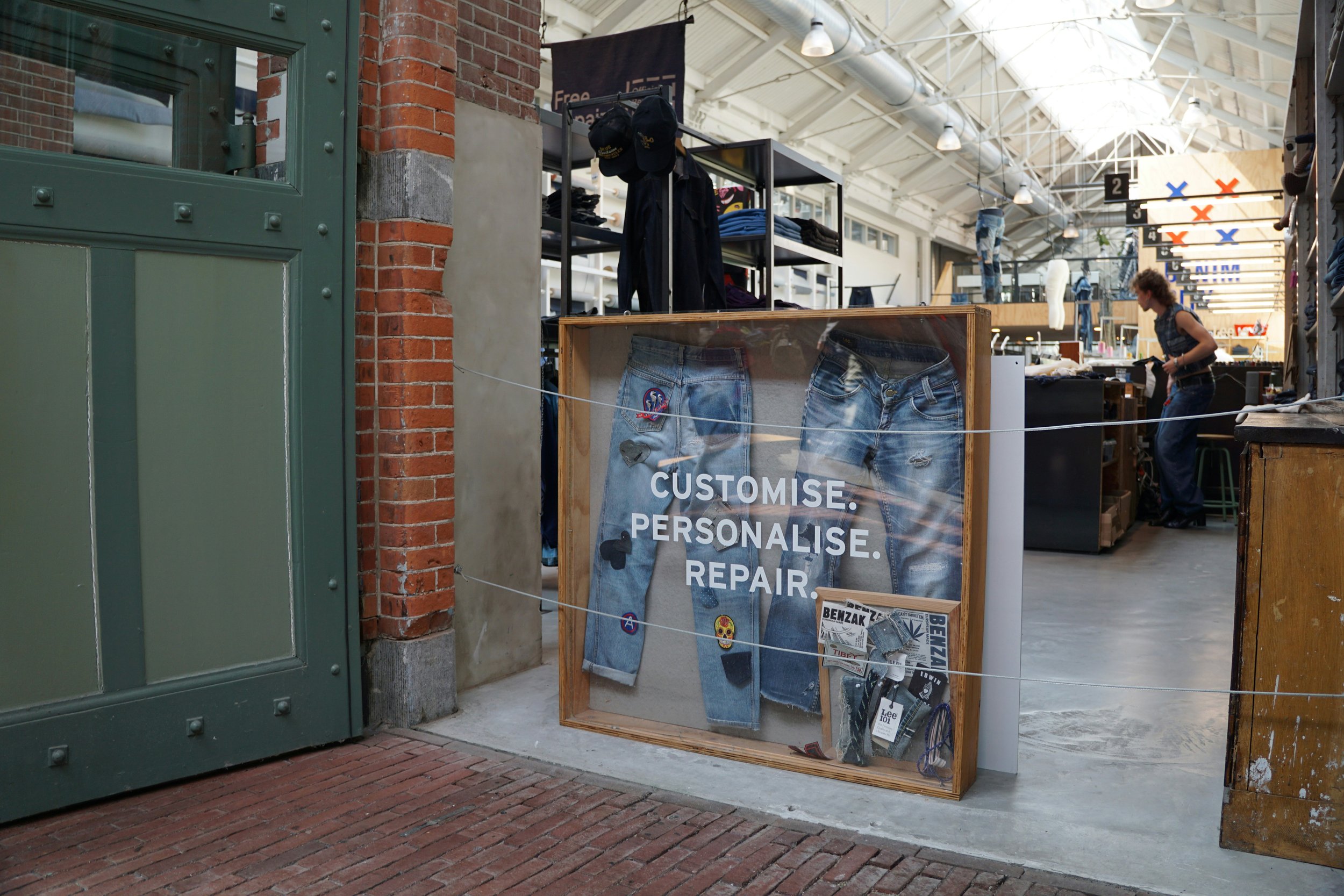
Image: Luba Glazunova
The Pitfalls of Modern Disposability
Low prices and rapid product cycles make replacement feel efficient, yet the apparent convenience hides material waste, transport emissions and the loss of repair skills. Many household items are discarded because of one failed component, even when the rest remains perfectly usable.
Community repair culture offers a practical response. Repair hubs and local workshops give people access to tools, knowledge and experienced help that may be difficult to find at home. Before replacing an item, identify the fault, check whether spare parts exist and compare repair costs with its remaining useful life. A solid timber stool with a loose joint often merits attention. A badly degraded electrical appliance may require safe recycling instead.
Honouring the Work of Human Hands
A repaired object carries visible evidence of judgement and skill. The careful patch inside a coat or newly joined section of a metal fixture shows that someone understood its materials and worked with them. That human input gives possessions a character that identical replacements rarely develop.
Specialist work also deserves specialist hands. Services such as welding can support commercial, industrial and marine repair needs when damaged metalwork requires precise workshop or on-site attention. The same respect for construction appears in fashion. Savant’s profile of eco-conscious fashion shows how material choices and skilled production shape a garment’s lasting value. Ask who made an object, how it was assembled and which parts can be renewed before giving up on it.
When Expert Welding Restores Utility
Some repairs have consequences beyond appearance. A decorative scratch can wait, while a cracked metal frame, failing joint or corroded support calls for professional assessment. Heat, load and material type affect how a repair should be completed, and an improvised fix may weaken the item further.
Stop using damaged metalwork if it moves unexpectedly, carries weight or forms part of essential equipment. Photograph the fault, note when it appeared and gather any available details about the original material. A qualified fabricator can then judge access, condition and the suitable process. Repair may preserve an otherwise sound structure while avoiding the cost and resource use of complete replacement. If corrosion is widespread or the surrounding material has thinned, replacement may still be the more responsible answer.
Creating a Mindful Home Inventory
A simple home inventory turns repair from a last-minute reaction into an ordinary part of ownership. Walk through one room at a time and record items that need cleaning, adjustment or skilled attention. Keep the list short enough to use, with columns for condition, likely repair and next review date.
The wider case for repair rests on reducing mass consumption and keeping materials useful for longer. This socio-ecological strategy also preserves practical knowledge within communities.
Set aside a small repair box containing thread, spare buttons, suitable adhesives and basic hand tools. Store care instructions and receipts with your inventory. Most importantly, give each object a clear decision: maintain it, book expert help, pass it to someone who can use it or recycle it through an appropriate service. Slow living becomes tangible when a familiar object returns to use with its history intact.