In a world that often feels like it’s moving at top speed, simply slowing down can feel pretty revolutionary. We rush from one task to the next, our interactions often quick and to the point. But what if the spaces around us like our parks, libraries, and neighbourhood squares were actually designed to encourage us to pause and connect? Creating places that foster unhurried, genuine interaction isn't just a nice idea; it’s a crucial part of building stronger, happier communities.
By Team Savant
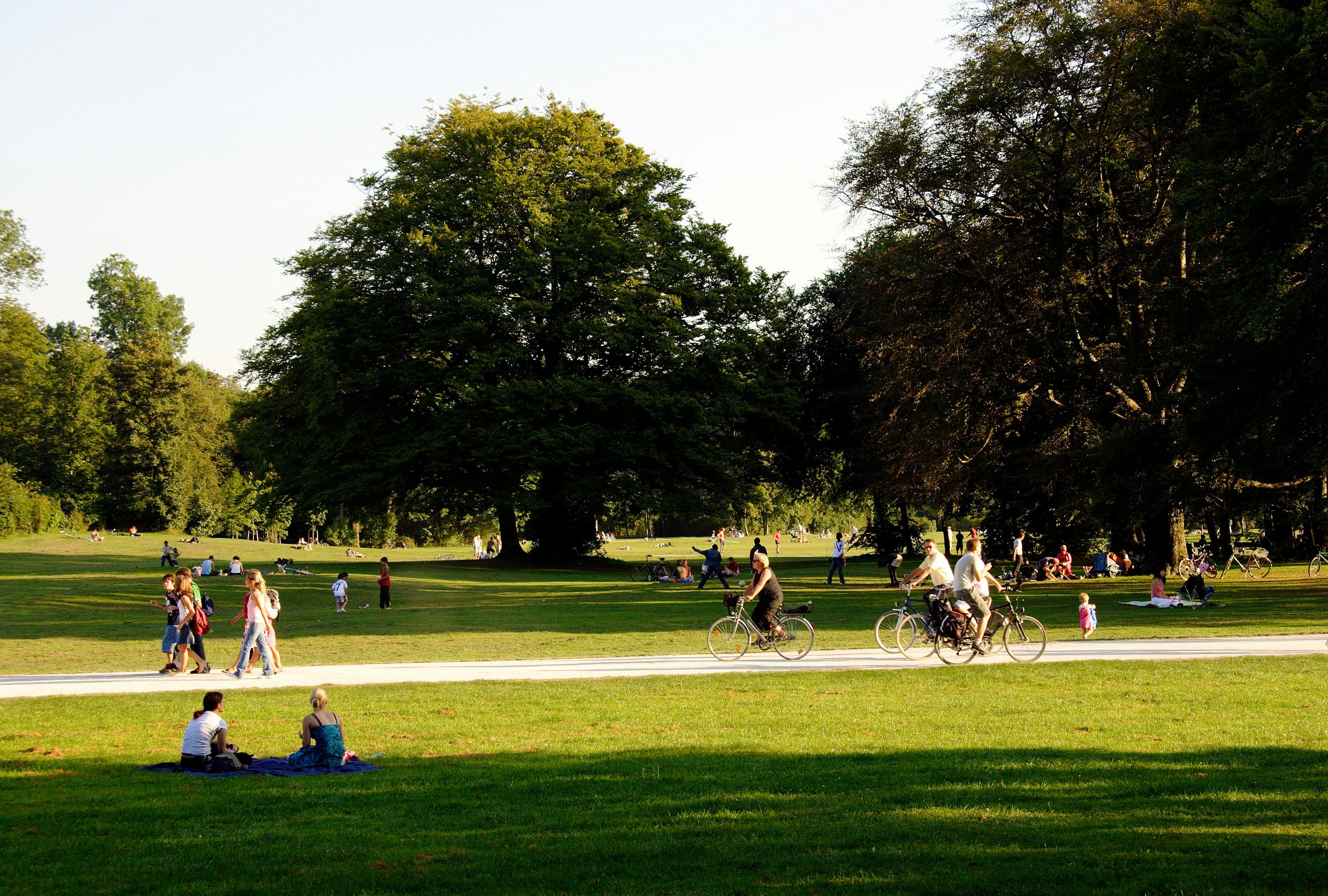
Image: Ignacio Brosa
Designing Spaces for Mindful Interaction
The way a space is designed really shapes how we act in it.
Think about a cafe with stiff, upright chairs all lined up versus one with comfy armchairs grouped together. You’re much more likely to linger and chat in the second one, right? That’s the main idea behind designing for connection. It’s about making thoughtful choices that invite people to stay, relax, and actually engage with each other.
You can do this with simple but effective tricks. For example, arranging seating in small clusters naturally sparks conversation, while adding things like water fountains or public art gives people something to look at and talk about.
It’s about going beyond just making things functional and shaping spaces for connection with people on a human level. Good lighting, using natural materials like wood and stone, and adding greenery can all help create a calm vibe where people feel comfortable letting their guard down and just being present.
Reclaiming Leisure in Shared Environments
Our shared spaces should be places for joy and relaxation, not just paths we hurry through. Reclaiming leisure means making room for play, rest, and moving at your own pace. This could be as simple as having well-kept lawns where families can picnic or putting in permanent chess tables at a park. It’s about seeing public areas as an extension of our own backyards.
In some larger planned communities and lifestyle villages, they take this idea even further. Wide, safe paths encourage walking and cycling, while shared spots like pools and clubhouses naturally become places where people gather.
To make getting around these bigger areas easier and more social, some residents use golf carts to pop over to a neighbour’s house or head to the community garden. This way of getting around is slower and more open than a car, turning a simple trip into a chance to wave hello and have a quick chat along the way.
Enhancing Accessibility for All
A truly connected community is one where everyone feels like they belong and can join in fully. Accessibility isn't just about putting in ramps; it’s about creating a welcoming environment for people of all ages, abilities, and backgrounds. This means making sure paths are smooth and wide enough for wheelchairs and strollers, providing plenty of seating with back and armrests for older residents, and including shaded spots for relief from the sun.
Beyond physical access, social accessibility is just as important. Are there playgrounds that work for kids with different sensory needs? Are community notices available in multiple languages to reflect the local population?
Creating inclusive spaces means thinking about the varied needs of the people who will use them and actively removing anything that stops them from participating. When a space is easy and comfortable for everyone to use, it naturally becomes a more lively and interactive hub.
Fostering Neighbourhood Bonds
Well-designed physical spaces set the scene, but the real connection happens when people actually come together. Organised activities and community-led initiatives are what truly bring a public square or park to life.
These don’t have to be huge, expensive events. A regular weekend farmers' market, a community noticeboard for sharing skills, or a "little free library" can all do wonders for building neighbourhood bonds.
These activities create a shared rhythm and give people a reason to gather, turning anonymous neighbours into familiar faces. Research shows that well-used public spaces can be a powerful antidote to social isolation, offering a low-pressure environment for making friends. When people feel a sense of ownership and involvement in their local spaces, they’re more likely to take care of them and each other.
Ultimately, building spaces for unhurried connection is an investment in how well we all live together. It reminds us that community isn't just about living near people; it's about creating the time and space to truly see and connect with them.