Relocating to a new home often ranks as one of life's most stressful events, right up there with major career changes and personal milestones. It can also be incredibly wasteful, piling up mountains of cardboard, plastic wrap, and discarded items. But it doesn't have to be this way. Approaching your move with mindfulness can turn a chaotic chore into a positive, intentional transition, cutting down both your stress and your environmental footprint.
By Team Savant
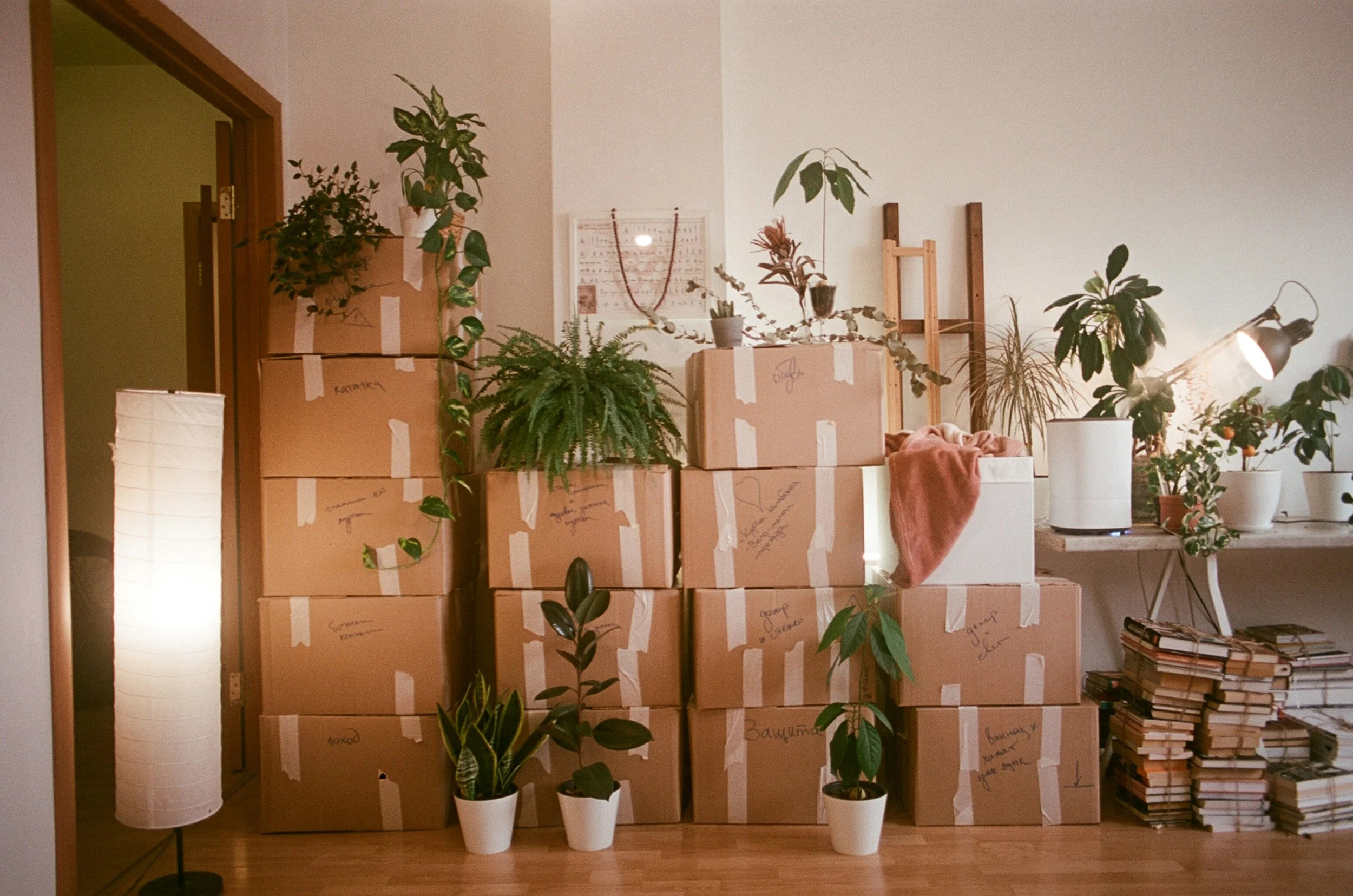
Declutter Before You Pack
The simplest way to make a move easier is to have less stuff to move. Before you pack a single box, go through everything you own. This is the perfect chance to let go of items that no longer serve you, a process that feels both freeing and practical. Go through your home room by room and sort everything into four groups: keep, donate, sell, or discard.
Be honest with yourself about what you truly need and love. That kitchen gadget you haven't used in three years, or clothes that haven't fit for a while, are perfect candidates for a new home. Donating gently used items to local charities or selling them online not only reduces waste but also lightens your load, saving you time, money, and energy on moving day.
Right Tools for a Smooth Move
Once you've sorted through your belongings, you can focus on getting them from Point A to Point B, which helps you complete a long-distance move without the stress. A smooth move relies on having the right equipment. If you're handling the move yourself, that means securing appropriate transport. While you might be able to shift smaller items in your car, larger furniture pieces and many boxes often need something bigger. Making multiple trips in a small vehicle is inefficient, stressful, and burns unnecessary fuel. A better option is to consolidate everything into one or two trips. For a cost-effective and flexible solution, looking into local trailer hire can give you the space you need to move everything safely and efficiently. Having the right size vehicle or trailer prevents damage to your belongings and saves you from endless back-and-forth trips.
Sustainable Packing Choices
Traditional moving often means using single-use materials like cardboard boxes and plastic bubble wrap. To make your move greener, think reusable. Instead of buying new boxes, ask for used ones at local supermarkets or from community groups online. Even better, consider renting sturdy, reusable plastic moving tubs. These get delivered to your old home and picked up from your new one, creating zero waste.
When it comes to protecting fragile items, look no further than what you already own. Towels, tea towels, linens, jumpers, and even socks make excellent padding. Learning how to pack sustainably and reduce waste not only helps the environment but also means you have less to unpack and throw away later. Many other eco-friendly moving tips can help you minimise your impact, from using biodegradable packing peanuts to choosing moving companies with green credentials.
Planning Your Journey
Mindfulness means being present and intentional, and that applies to your moving day schedule. A well-organised plan cuts down on last-minute panic and wasted effort. If you're moving across town, plan your route to avoid peak-hour traffic. If possible, try to move on a weekday when roads are often quieter than on a weekend. Consolidate your travel into as few trips as possible to save fuel and reduce emissions. Pack a "first night" box with essentials like toiletries, a change of clothes, medications, phone chargers, and basic kitchen items like a kettle and mugs. This will save you from frantically searching through boxes when you're tired and just want to relax.
Settling In Mindfully
The mindful approach doesn't stop when the last box is carried through the door. How you unpack and set up your new space is just as important. Instead of rushing to fill every corner, take your time. Unpack methodically, giving every item a designated home. This helps you create an organised, uncluttered environment from the start. As you unpack, set up your recycling and compost systems immediately to handle the leftover packing materials responsibly. Resist the urge to go on a shopping spree to furnish the new space. Live in it for a little while, understand its flow and light, and then thoughtfully acquire only what you truly need and will cherish.
A mindful move means making conscious choices every step of the way. By decluttering thoughtfully, choosing sustainable options, and planning carefully, you can create a moving experience that is calmer, cheaper, and kinder to the planet.