Guest comfort is taking on a quieter, more thoughtful character. Slow hospitality venues give visitors space to rest, notice their surroundings and settle into a natural rhythm. That experience depends on more than soft furnishings or an attractive view. Layout, acoustics, temperature and energy use all influence how restorative a stay feels. When these elements work together, guests spend less time adjusting blinds, changing thermostats or searching for a quiet corner and more time enjoying where they are.
By Team Savant
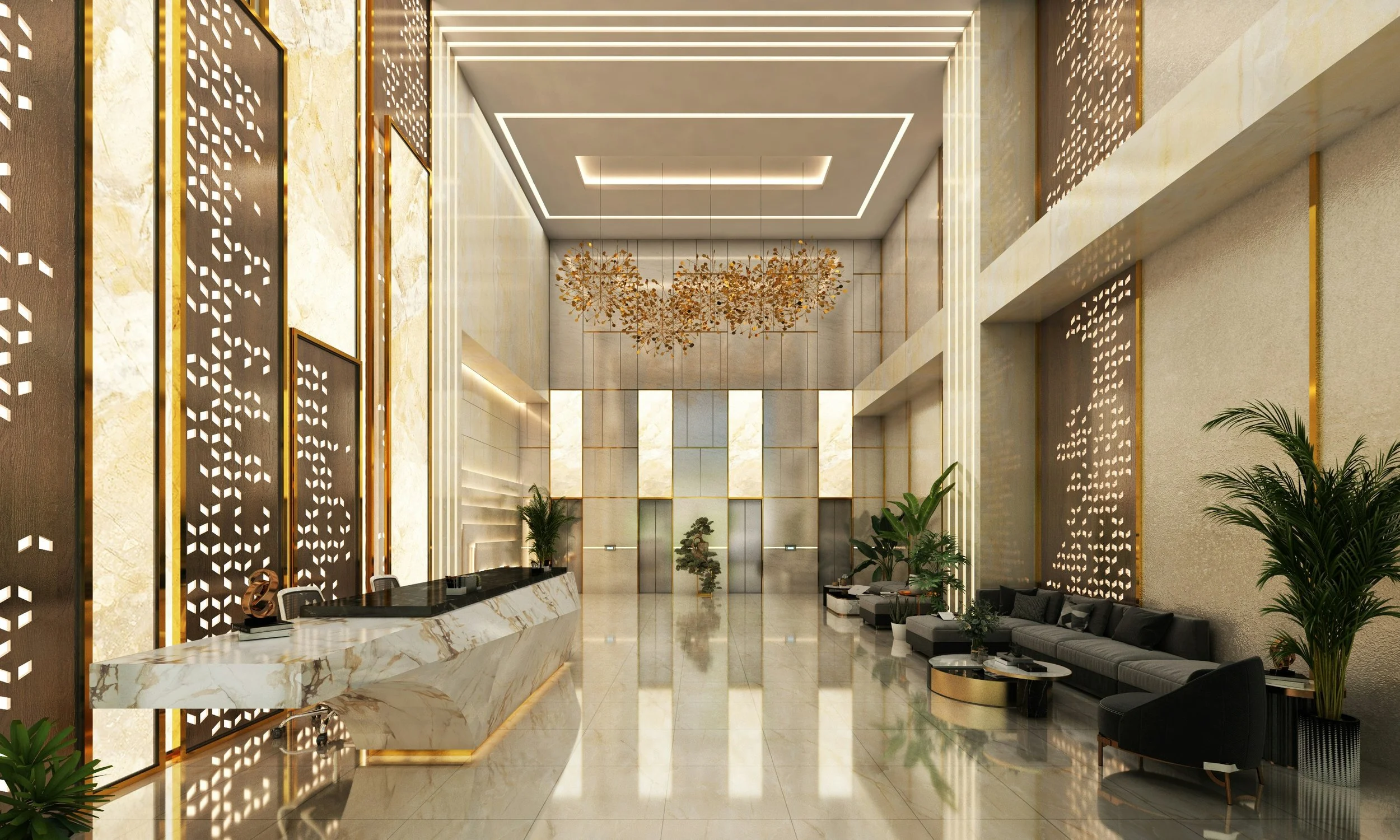
Image: Aalo Lens
Restorative Environments and Calm
Restorative hospitality design starts with reducing visual and practical friction. Clear routes through a building, uncluttered rooms and natural materials help guests understand a space without constant signs or instructions. The principles behind slow living design also favour local character and spaces that encourage people to linger.
Operators can support calm through simple choices. Place seating near daylight, keep reception desks away from main relaxation areas and give each room somewhere comfortable to read. Muted colours can work well, though calm needn't mean beige. Deep greens, clay tones and textured timber often create warmth while reflecting the venue's setting.
Quieter Spaces for Unplugged Stays
Noise can undermine an otherwise beautiful retreat. Doors closing in a corridor, breakfast preparation below a guest room and conversations carrying across a lobby can all disturb rest. Guidance on hospitality acoustic design highlights how managing sound can improve privacy and the wider guest experience.
Soft floor finishes, upholstered furniture and acoustic wall panels absorb reflected sound. Operators should also review mechanical noise. When planning upgrades, ask a qualified commercial air conditioning provider to consider equipment placement, duct design and ongoing maintenance, particularly in hospitality premises where guests sleep or relax. A designated screen-free lounge can then feel genuinely restful instead of becoming another room filled with background hum.
Invisible Climate Control in Guest Areas
Comfortable climate control should fade into the background. Sudden blasts of cold air, noticeable temperature swings and bright control panels draw attention to the building systems when guests would prefer to forget them. Good design uses correctly sized equipment, carefully positioned vents and controls that are simple to understand.
Different areas may need separate temperature zones. A sunlit conservatory, a compact bedroom and a busy dining room rarely have identical cooling needs. Occupancy sensors can reduce conditioning in empty spaces, while scheduled settings prepare rooms shortly before use. Regular filter cleaning and servicing also protect airflow and reduce noise. Guest feedback can reveal overlooked issues, especially if several reviews mention stuffy rooms or draughts near beds.
Reducing Carbon Footprints in Hospitality
Slow hospitality often connects personal comfort with lighter resource use. The practical gains come from measuring consumption, fixing waste and choosing durable systems. Operators can begin with monthly electricity and water figures, then compare them with room occupancy. This helps distinguish genuine efficiency improvements from quieter trading periods.
Temperature set points should be consistent, windows need effective seals, and staff should know when to report leaking taps or faulty sensors. Linen programmes work best when guests can make a clear choice without feeling pressured. Refurbishments deserve the same care. The principles explored in slow commerce suit hospitality too, particularly when venues repair solid furniture, source locally made pieces and avoid frequent trend-led replacements.
The Future of Intentional Travel Retreats
Future retreats are likely to offer more control without filling every room with technology. Guests may select a quiet room location before arrival, adjust lighting through one straightforward panel or choose housekeeping times that suit their plans. Behind the scenes, building systems can respond to occupancy and weather while keeping the experience calm and discreet.
The strongest venues will also give guests meaningful ways to engage with place. A small coastal property might provide walking maps prepared by local guides, while a rural stay could schedule communal meals around seasonal produce. These details create memorable stays because they respect time, attention and surroundings. In an intentional retreat, the most sophisticated feature may be the one a guest never notices: a room that simply stays quiet, comfortable and easy to inhabit.