Building a home around fleeting trends can lead to costly renovations, constant maintenance, and spaces that no longer suit your needs as life changes. Homeowners want a property that remains comfortable, energy-efficient, and practical for decades without sacrificing its character. The secret lies in making thoughtful design decisions today, from choosing durable materials to creating adaptable spaces that future generations can enjoy.
By Team Savant
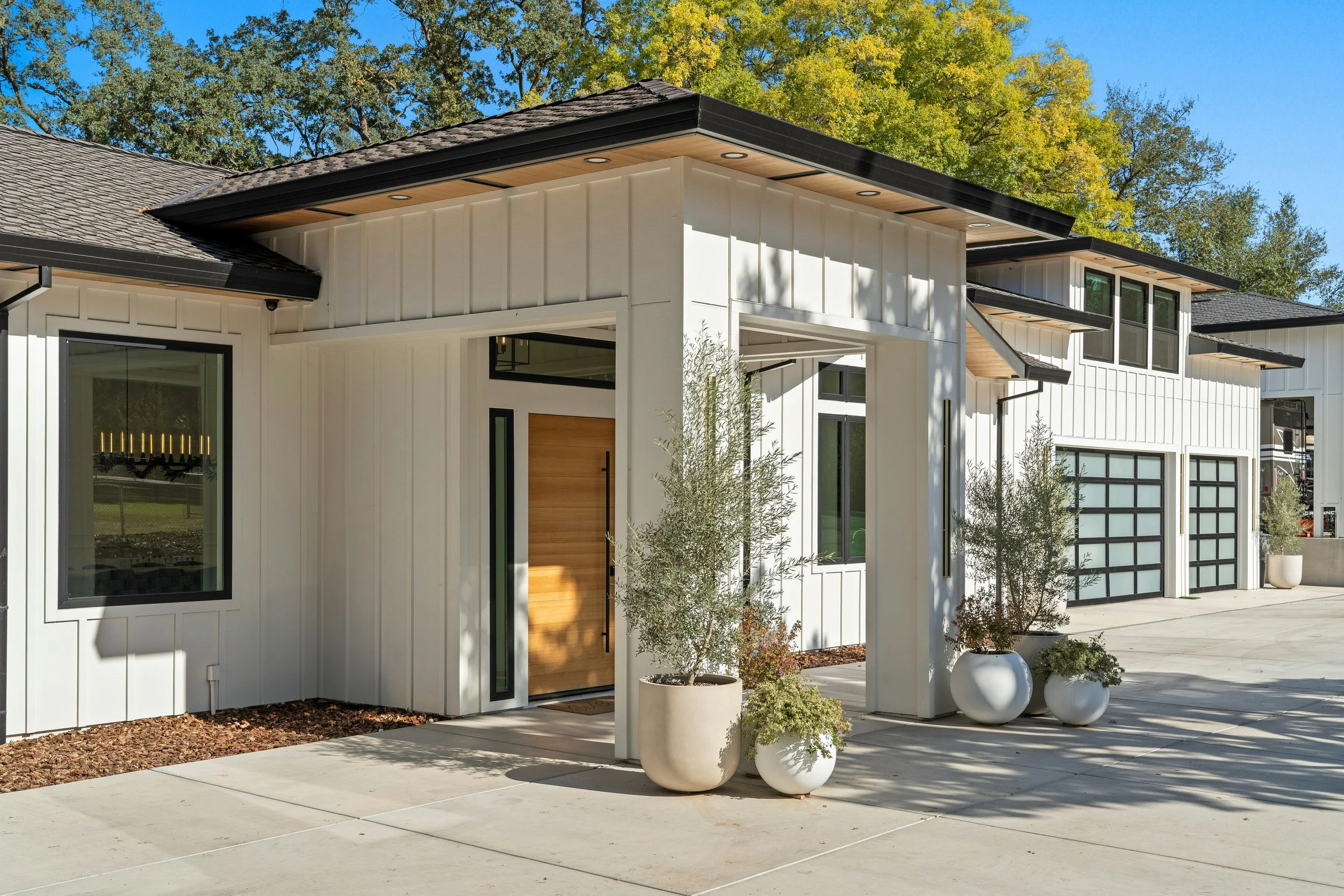
Image: GoodLifeConstruction
The Trap of Fast Architecture
Fast architecture often follows whatever photographs well at the moment. Dramatic finishes and unusual floor plans may attract attention, yet novelty can fade before the first maintenance cycle arrives. The cultural appetite for the next new thing also encourages homeowners to treat lasting parts of a building like replaceable decor.
Give permanent features a higher design priority. Room proportions, natural light, and practical circulation matter more than a fashionable faucet or paint color. Before approving a plan, picture carrying groceries from the entrance, hosting eight people for dinner, and living with limited mobility. These ordinary scenarios expose awkward steps, narrow passages, and wasted corners that a polished rendering can hide.
Selecting Materials Built for Decades
Start material selection with expected lifespan, maintenance needs, local conditions, and how they contribute to smart energy choices. Timber siding can be beautiful but may require regular refinishing, while stone, brick, and quality tile often need less cosmetic attention. Ask suppliers for written care instructions and find out whether damaged sections can be repaired individually.
The building envelope deserves particular scrutiny because replacement can be disruptive and expensive. In coastal areas such as the Gold Coast and Tweed Heads, property owners considering metal roofing should discuss installation, repair options and exposure conditions with an experienced contractor.
Samples also deserve time. View flooring, exterior finishes and cabinetry in morning and afternoon light. A material that looks restrained in a showroom may feel much brighter across an entire wall.
Energy Harmony Across Changing Seasons
A patient home responds to seasonal shifts before mechanical systems switch on. Window placement can welcome low winter sun while roof overhangs help shade higher summer sun. Cross-ventilation works best when openings sit on different sides of a room, giving warm air a clear route out.
Orientation should guide the floor plan from the beginning. Place frequently used living areas where daylight is useful, then use storage spaces, utility rooms and sheltered entries as buffers where exposure is less favorable. Insulation and air sealing also need careful detailing around roof junctions, doors and windows.
Track the home’s performance after moving in. A simple record of hot rooms, drafts and afternoon glare across one full year gives you better evidence for curtains, shading or ventilation upgrades than a quick reaction to one extreme week.
Cultivating Generational Value at Home
Generational value grows from adaptability. A ground-floor room might begin as an office, become a bedroom during an injury and later serve as a quiet space for an older relative. Wide doorways, reachable storage and a bathroom that can accept future support fittings make those changes easier without giving the house an institutional feel.
Visual longevity matters too. Guidance on timeless home design favors coherent proportions and durable foundations over short-lived styling. Keep bold trends in elements that are easy to update, such as lamps, textiles, and wall color.
Document hidden details before walls close. Photos of pipes, wiring, and structural supports can save future owners hours of investigation. Store them with finish schedules, product names, and care records. Decades later, that modest archive may prove as valuable as any visible design feature.
Patience becomes tangible when a home can absorb change without losing its character. A well-placed doorway, repairable surface, or carefully shaded window may never draw applause, yet each one keeps daily life comfortable and the building useful. Those are the decisions a future owner will recognize, even if they never know who made them.