In a world that often celebrates speed and constant connection, more and more people are looking for a more intentional, measured way of life. This idea, called slow living, asks us to step back, really enjoy moments, and make choices that fit our values, not just our busy schedules. It's a mindset worth revisiting often, and it's a philosophy that goes beyond our daily routines and into the very spaces we live in. By mixing slow living principles with smart energy choices, we can create homes that are not only good for the planet but also truly good for our well-being.
By Team Savant
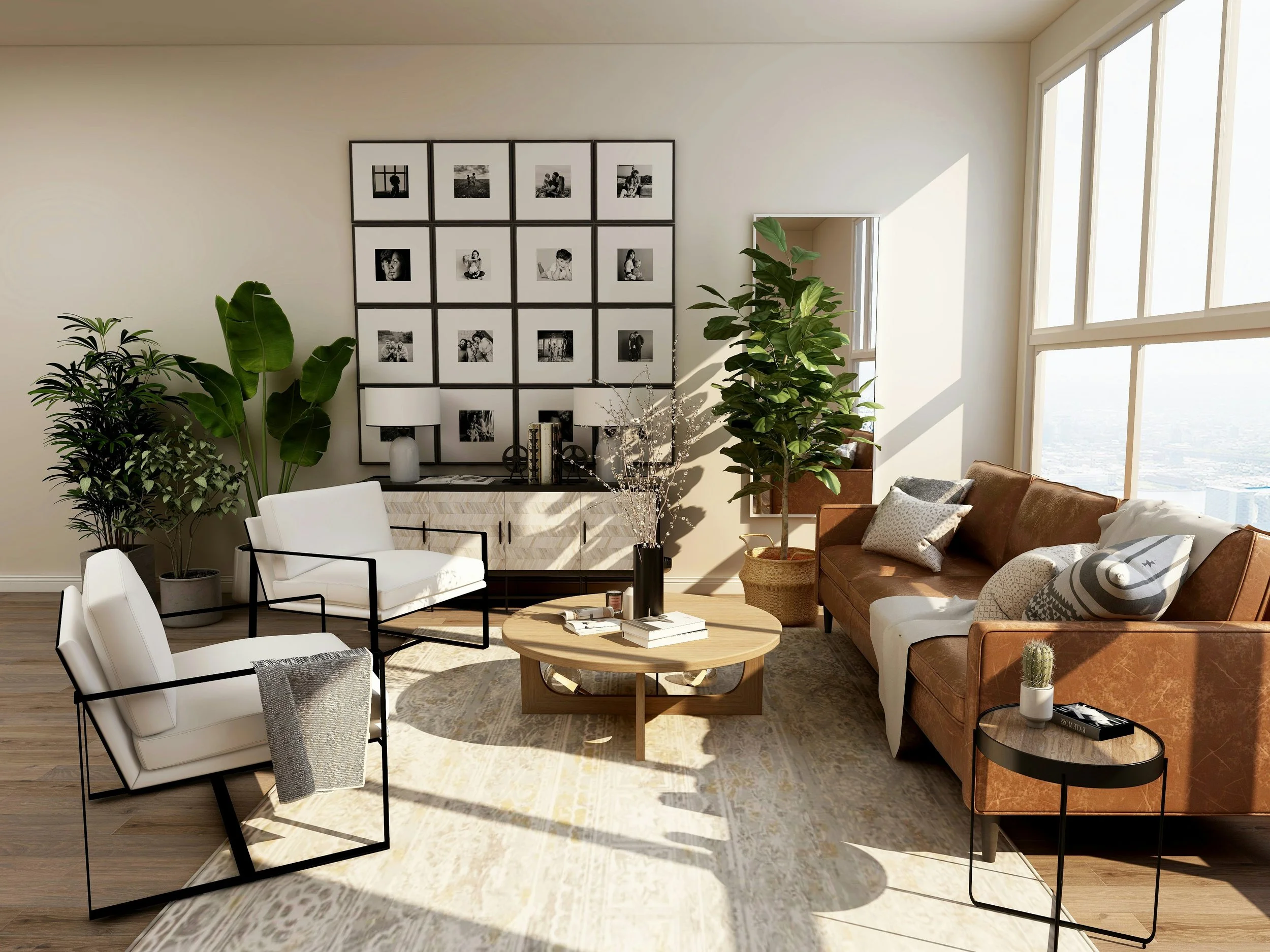
Image: Collov Home Design
Mindful Consumption in the Modern Home
At its heart, slow living means being present and deliberate. When we apply this to our homes, it means moving away from buying things without thinking and instead choosing items carefully. It makes us ask what we truly need versus what we’re told we want. Instead of filling our spaces with things that are just trendy for a moment, we can focus on getting meaningful items, built to last, and serve a real purpose.
The art of slow living isn't about doing without, but about choosing well. It’s about the joy you find in a well-made ceramic mug you use every morning or a comfy armchair that’s been in the family for years. This change in how we think cuts down on waste and clutter, making our homes calmer and more organised. That way, we can truly relax and recharge.
The Aesthetic of Sustainable Design
Making sustainable choices doesn't mean you have to give up on style. In fact, the ideas behind eco-friendly design often lead to spaces that are more beautiful and timeless. Embracing slow design principles means choosing natural materials like wood, stone, and linen, which add warmth and texture to any room. It encourages us to appreciate good craftsmanship, support local makers, and pick out pieces with a story.
This look often goes hand-in-hand with a minimalist feel, focusing on quality over quantity. A room with fewer, better things feels more open and peaceful. Think about large windows that let natural light flood a room, so you don't need artificial lights during the day. Or consider furniture made from reclaimed wood, bringing a bit of history and character into your home. These design choices don't just look good; they also show a deeper connection to nature and a commitment to living responsibly.
Powering Your Life with Purpose
How we use things also includes the invisible power that runs our homes. Choosing where our energy comes from is one of the biggest decisions we can make for a sustainable lifestyle. Moving away from just relying on the power grid and instead generating our own energy is a powerful, intentional step.
For many, this means looking into renewable options. Using technology like solar lets you tap into a clean, endless resource to power your daily life. It’s a conscious choice to match your energy use with your values, turning a monthly bill into a statement of purpose. This active approach to managing energy is a perfect example of slow living in action: making a thoughtful, long-term choice that benefits both your household and the planet.
Long-Term Value, Not Quick Fixes
Slow living values durability and longevity over the quick thrill of a temporary fix. This applies just as much to our appliances and home systems as it does to our decor. The throwaway culture encourages us to buy cheap and replace often, creating endless cycles of waste and consumption.
A more sustainable way involves investing in high-quality, energy-efficient appliances that are built to last. While they might cost more upfront, the long-term savings on energy bills and replacement costs are significant. The same idea applies to home improvements. Choosing double-glazed windows or good insulation is a one-time investment that pays off for years in comfort and lower energy use. It’s about building a home with strong foundations, prioritising substance and performance over quick, superficial updates.
Building a Resilient Household
When we combine mindful consumption, sustainable design, and smart energy, we create more than just a beautiful home; we build a resilient one. A resilient household relies less on outside systems and is better prepared for life’s uncertainties.
Energy independence is a key part of this resilience. A home powered by solar panels with battery storage can keep the lights on during a blackout, offering security and continuity. Similarly, a well-insulated home stays comfortable with less need for heating and cooling, protecting its residents from extreme weather and changing energy prices. This self-sufficiency brings a sense of security and empowerment, freeing us from relying on fragile, large-scale infrastructures and letting us live with more control.
Ultimately, blending slow living and smart energy is about creating a home that truly supports you. It's a space that reflects your values, respects the environment, and offers a sanctuary from the demands of the outside world.