A low-maintenance exterior reduces the number of repairs, cleaning jobs and seasonal chores competing for your attention. Smart material choices also help a home look cared for without demanding constant work. The key is to consider the full property, from the driveway and roofline to garden borders and exterior finishes. Each surface should suit the local climate, expected traffic and amount of upkeep you’re realistically willing to handle.
By Team Savant
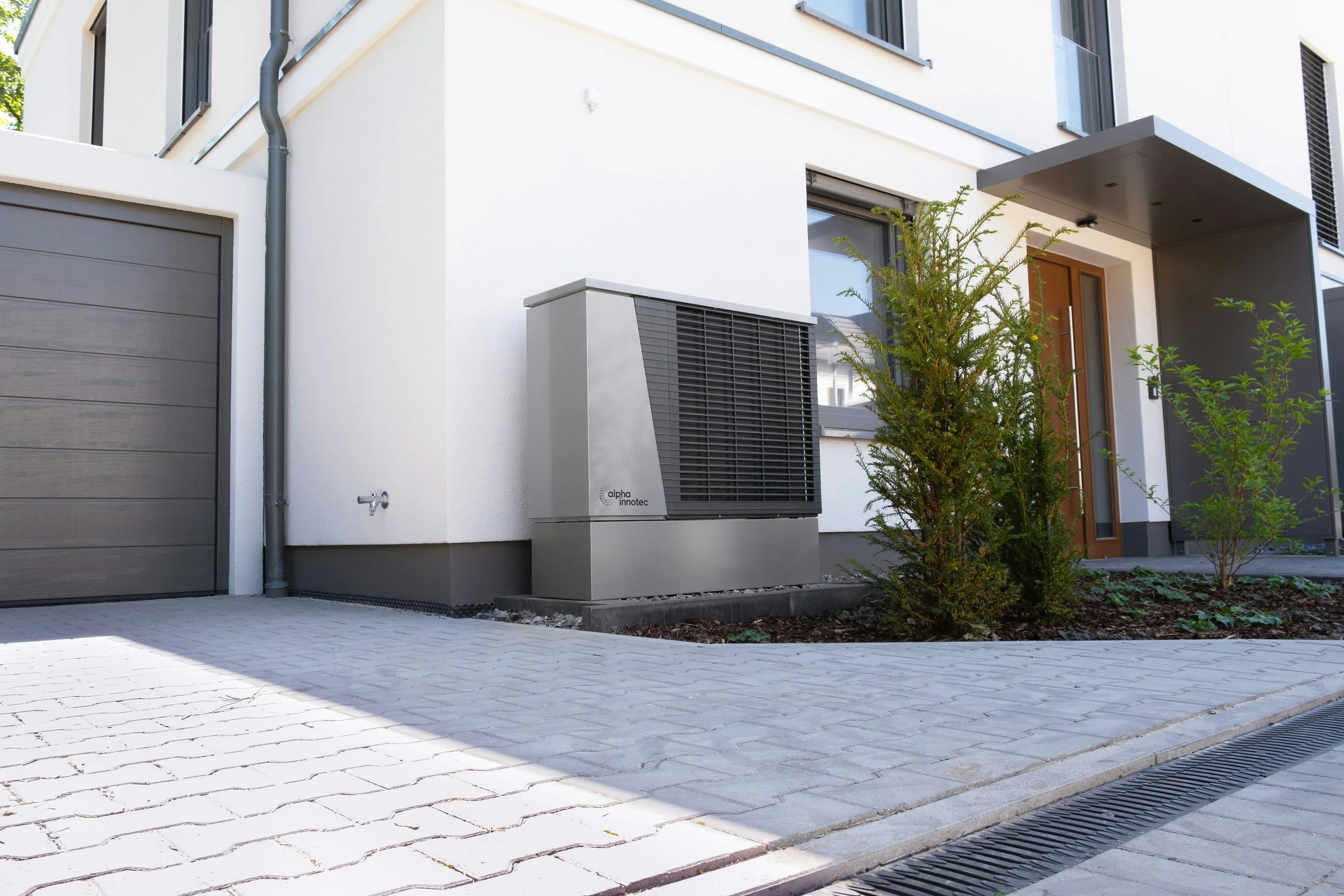
Image: alpha innotec
The Mental Weight of Home Upkeep
Exterior maintenance takes up more than weekend hours. Unfinished jobs often linger in the background, creating a running list of surfaces to wash, cracks to repair and plants to prune. Even small tasks become tiring when they return every few months.
Good low-maintenance home design reduces that mental load through durable surfaces and simpler layouts. Start by listing the jobs you completed over the past year. Note how often each one appeared and how long it took. This quick audit reveals which parts of your exterior deserve attention first. A difficult lawn edge or stain-prone walkway may be costing more time than you realise.
Where Modern Properties Drain Energy
Complicated exteriors tend to create work at every boundary. Narrow gaps collect leaves, poorly placed garden beds spill soil onto paths and ornate finishes need careful cleaning. Multiple surface materials can also require separate products, tools and repair methods.
Look closely at transition points around your property. Clear access beside walls makes washing and inspection easier, while defined edging keeps gravel and mulch in place. Exterior storage should sit near the tools you use most, reducing repeated trips through the house.
The growing focus on home exterior features reflects their effect on daily use as well as their appearance. A practical exterior supports parking, drainage and movement without creating avoidable chores.
Why Durable Asphalt Driveways Last
A driveway covers a large, highly visible part of many properties, so its material has a major effect on maintenance. Properly constructed asphalt driveways provide a continuous surface that handles regular vehicle traffic and offers a clean visual finish. For homeowners on the Sunshine Coast and surrounding areas, professional installation can account for local site conditions and drainage needs.
Long-term performance starts below the visible layer. The contractor should assess ground stability, prepare a suitable base and establish a slope that directs water away from buildings. Ask how edges will be supported and where runoff will travel during heavy rain. Routine inspections can then catch small cracks or edge damage before they spread across a larger area.
Design for Timeless Durability
A durable exterior begins with restrained design. Simple shapes, accessible corners and a limited material palette are easier to inspect and repair. They also tend to age more gracefully than highly decorative features tied to a short-lived trend.
Choose finishes based on exposure. A shaded wall may need protection from persistent moisture, while a sun-facing surface needs color and coating systems suited to ultraviolet light. Keep plants far enough from siding and fences to allow airflow and trimming access.
Before adding any exterior feature, check how it will be cleaned and repaired. Confirm that replacement parts or matching materials are readily available. Standard sizes and familiar finishes make future work quicker, especially when one damaged section needs attention.
Reclaiming Free Time for Yourself
Low-maintenance design works best when upkeep becomes predictable. Set two exterior checkups each year, ideally around major seasonal changes. Walk the property and inspect drainage outlets, paved surfaces, sealant joints and vegetation near structures. A short inspection can identify blocked runoff or loose edging before either turns into a larger project.
Leave some breathing room in the design too. An open paved area may support everyday parking, outdoor projects or an extra table during a gathering without requiring permanent fixtures. A smaller selection of hardy plants can still provide color while keeping pruning and watering manageable.
The real reward appears on ordinary weekends, when the driveway is sound, water drains correctly and your tools can stay in the shed.