A secure workplace supports concentration, confidence and healthier working relationships. Staff need to know that building access is controlled, concerns will be heard and emergency arrangements are clear. These conditions reduce avoidable uncertainty without making an office feel closed or unwelcoming. The most effective approach connects physical security with thoughtful management, since locks and policies alone cannot create trust. Regular reviews also matter because teams, working patterns and premises change over time.
By Team Savant
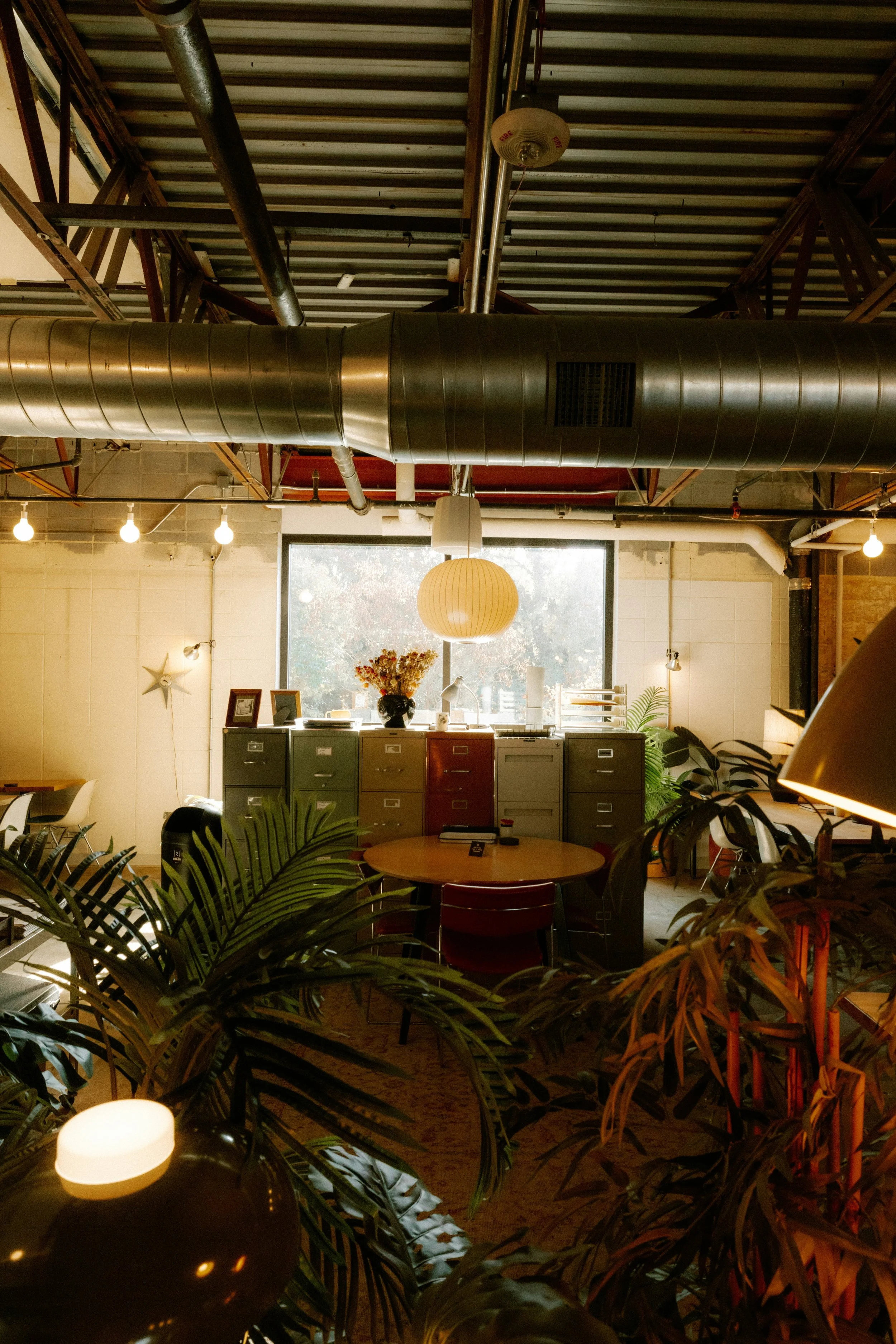
Image: Brooke Balentine
The Psychology of Physical Safety
People work better when their surroundings feel predictable. A faulty entrance, poor lighting or unexplained visitors can create low-level tension that distracts staff throughout the day. Clear access procedures and visible maintenance show that workplace safety receives consistent attention.
Physical protection also supports psychological safety at work, which allows employees to raise concerns, admit mistakes and contribute ideas without fear of embarrassment or punishment. Managers can reinforce both forms of safety through calm communication. Explain why access rules exist, tell staff how reports are handled and follow up when someone identifies a problem. Silence after a report can quickly weaken confidence, even when the practical issue has been fixed.
Balancing Openness With Genuine Protection
An inviting workplace can still have firm boundaries. Reception areas should make legitimate visitors feel welcome whilst preventing unsupervised movement into staff-only spaces. Simple measures include visitor sign-in, clearly marked meeting rooms and doors that close properly after use.
Review who holds keys or access permissions whenever somebody joins, changes role or leaves. If keys cannot be accounted for, or several teams share unrestricted access, a commercial locksmith can assess options such as restricted key systems, smart locks and access control. The assessment should reflect actual working patterns, including early starts, hybrid schedules and deliveries outside normal hours.
Keep the design proportionate. An office with ten employees will need a different arrangement from a multi-floor site with contractors arriving daily.
Practical Upgrades for Everyday Peace
Start with a walk-through at opening time, during the busiest period and near closing. Different problems appear at each point. Morning checks may reveal a sticking external door, whilst lunchtime observation can show how easily visitors enter behind employees. Evening reviews often expose dark paths or unclear closing responsibilities.
Record each issue, assign an owner and set a completion date. Prioritise entrance hardware, emergency exits, lighting and secure storage for confidential records. Scheduled maintenance is usually less disruptive than waiting for something to fail.
Workplace design also shapes how secure people feel. The principles in this guide to conscious building design can help teams consider sightlines, circulation and lasting comfort alongside technical upgrades. A tidy reception desk, unobstructed corridors and clear signs often improve daily confidence at little cost.
Fostering Trust Through Solid Boundaries
Rules gain credibility when they apply consistently. Senior staff should use the same sign-in process as everyone else, and managers should avoid lending access cards informally. Exceptions create confusion about which boundaries matter.
Give employees a simple reporting route and explain what happens next. Practical guidance on a psychologically safe workplace emphasises respectful communication and reliable responses. A short online form or named contact can work well, provided reports receive acknowledgement and a clear update.
Test procedures through ordinary scenarios. Ask what happens when a delivery arrives before reception opens, an access card goes missing or a contractor needs temporary entry. These exercises expose gaps without causing alarm. Revisit the answers every six months and after any office move or staffing change. Calm workplaces are built through dependable details, especially the door that closes properly and the concern that receives a prompt response.