A vehicle purchase can shape your monthly budget, daily routine and environmental footprint for years. Yet the excitement of a new model can easily overshadow practical questions about depreciation, maintenance and actual driving needs. A more mindful choice starts with an honest look at how you travel, what you can afford and which features will remain useful after the novelty fades.
By Team Savant
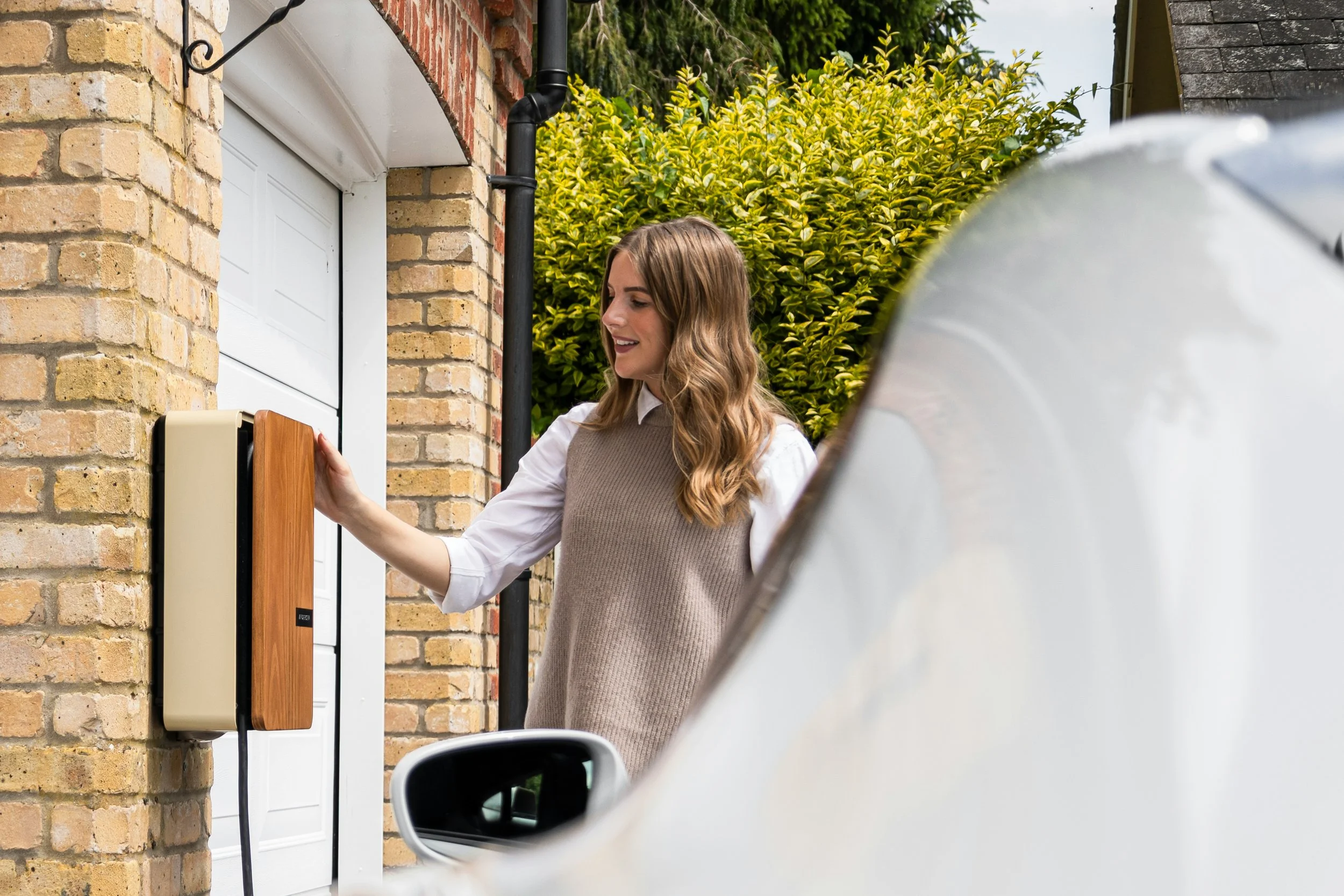
Image: Andersen EV
Beyond the New Car Hype
New vehicles offer current technology and full warranty coverage, but they also tend to depreciate fastest early in ownership. That loss matters if you expect to sell or trade the vehicle within a few years.
Look beyond the registration year and assess what you receive for the total price. A three-year-old model may offer the comfort, safety features and efficiency you want while costing considerably less than its newest equivalent. The growing interest in a vehicle’s second life on the road reflects a broader shift toward practical mobility. Buyers are increasingly considering long-term usefulness alongside showroom appeal.
Value and Sustainability in Used Cars
Keeping a well-maintained vehicle in service can extend the value of the materials and energy already invested in its production. It may also help you avoid the high initial cost attached to a factory-new model.
When comparing used cars, filter your options by age, mileage, body style and price before focusing on color or optional extras. A complete service history, consistent mileage records and evidence of regular care can tell you more than a polished exterior. Ask how the vehicle was used too. A higher-mileage car driven mainly on long routes may show different wear than a lower-mileage vehicle used for frequent short trips.
Aligning Your Car with Your Lifestyle
Start with a typical week. If most trips involve one person and a small bag, a large vehicle may add unnecessary purchase, energy and parking costs. Families carrying strollers, sports equipment or several passengers will need a different balance of space and flexibility.
Consider your longest regular trip as well as your daily drive. Think about access to charging if you’re exploring an electric model, and check that the cargo area can hold the items you actually transport. Research into Gen Z mobility priorities shows how practical concerns can shape transport choices alongside sustainability. Your own decision should reflect real routines instead of an idealized version of how you might travel.
Financial Wisdom for Vehicle Ownership
Set a total monthly transport budget before discussing a purchase price. Include financing, insurance, energy or fuel, scheduled servicing, tires, parking and an allowance for unexpected repairs. A lower purchase price can become less attractive if the model has expensive parts or poor efficiency.
Compare finance offers using the total amount payable, not the monthly figure alone. A longer agreement can lower each payment but increase the overall cost. It also helps to think beyond the purchase itself. This guide to a slow-living approach to vehicle care explains how consistent maintenance supports longevity. Regular checks and timely servicing can prevent minor issues from becoming larger bills.
The Thoughtful Purchase Process
Create a shortlist of three models that meet your space, budget and travel requirements. Research typical running costs, common age-related issues and the availability of local servicing. During a viewing, inspect the tires, controls, seating and cargo area, then confirm that all documents match the vehicle.
A test drive should include varied conditions where possible. Check visibility during parking, comfort on uneven surfaces and noise at higher speeds. Don’t let a limited-time sales message rush the decision. Leave enough time to review the figures at home, including any fees and optional products.
The strongest choice is usually the vehicle that fits an ordinary Tuesday: affordable to run, easy to live with, and capable of handling the trips you make regularly.