When we think about designing a home, our minds often jump to colour palettes, furniture layouts, and architectural flair. But a truly well-designed home goes much deeper than just how it looks. It's a space consciously crafted to be a sanctuary, a place that not only looks beautiful but also provides a profound sense of safety and durability for the people who live there. This is the essence of conscious building: an intentional approach that prioritises long-term security and wellbeing from the ground up.
By Team Savant
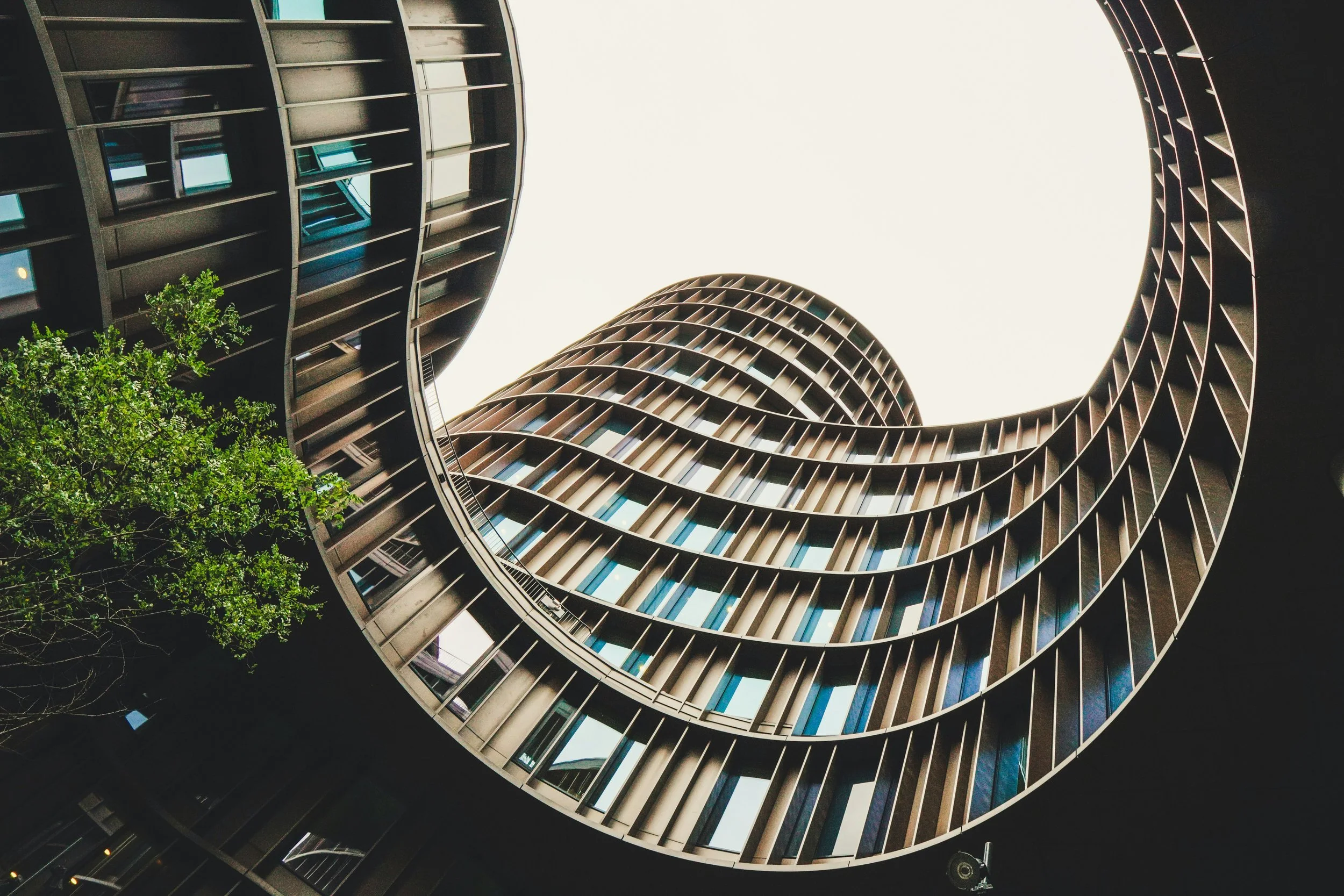
Image: Diego Gennaro
Beyond Aesthetics: The Intentional Home
An intentional home is built with purpose in every detail. It moves beyond fleeting trends to focus on creating an environment that supports your lifestyle for years to come. This means considering how the space will function during a busy weekday morning, a quiet weekend, or even during an unexpected power outage. It involves choosing materials not just for their looks, but for their longevity, their environmental impact, and their contribution to a healthy indoor atmosphere. An intentional design process asks critical questions: How can the layout improve family connection? How can window placement maximise natural light and reduce energy bills? It’s a holistic view where every choice is a deliberate step toward creating a home that is both beautiful and fundamentally sound.
Building for Resilience and Durability
In Australia, homes face intense heat and powerful storms, making resilience essential. Strong foundations, durable materials, non-combustible cladding, impact-resistant glazing, and weather-resistant roofing can help protect homes from extreme conditions. Following Australian building codes for climate resilience also reduces repairs and helps future-proof your property.
Integrating Passive Fire Safety from the Start
True security is woven into the very fabric of a building, not just added as an afterthought, much like the security improvements that add value to a home. A core part of this forward-thinking approach is integrating passive fire safety measures from the very beginning. Unlike active systems like alarms or sprinklers, passive measures are built-in features designed to contain and slow the spread of a fire. This includes using fire-rated walls, floors, and doors to create compartments within the building, buying precious time for evacuation. It also involves sealing any gaps or penetrations where services like pipes and cables pass through walls, preventing smoke and flames from travelling between rooms. Planning for these elements during the design phase is far more effective and economical than trying to retrofit them later.
A Sanctuary Designed for True Security
A home that feels secure is about more than just strong locks on the doors. It’s about creating an environment where you can truly relax. Thoughtful landscape design can play a role by ensuring clear sightlines and eliminating potential hiding spots. Smart exterior lighting, controlled by timers or motion sensors, can deter intruders and make returning home after dark feel safer. Inside, the benefits of integrated smart home security systems go beyond simple alarms, offering features like remote monitoring, automated lighting, and leak detection. When these elements are designed to work together, they create layers of security that contribute to a genuine feeling of being protected in your own space.
The Long-Term Value of Thoughtful Construction
Investing in conscious building practices from the outset delivers returns that go far beyond the initial cost. A resilient, durable, and safe home requires less maintenance, consumes less energy, and often commands a higher resale value. More importantly, it provides an unquantifiable return in the form of daily comfort and security. Knowing your home was built with intention, designed to protect your family and stand the test of time, fosters a deep sense of wellbeing. This is the ultimate value of thoughtful construction, creating not just a house, but a lasting sanctuary.
Ultimately, designing a home is an opportunity to create a space that nurtures and provides passive fire protection. By looking beyond aesthetics to prioritise resilience and safety, you build a foundation for a truly secure and peaceful life.