In a world of rapid upgrades and disposable goods, we've gotten used to things not lasting long. From smartphones to fast fashion, we expect items to be replaced quickly. While this model might boost consumer markets, applying the same short-term thinking to our basic infrastructure – the buildings, transport networks, and utilities that support our communities and economies – is a recipe for instability and spiralling costs. Instead, we need to focus on durable, long-term solutions. It's not just a preference; it's essential for a resilient and prosperous future.
By Team Savant
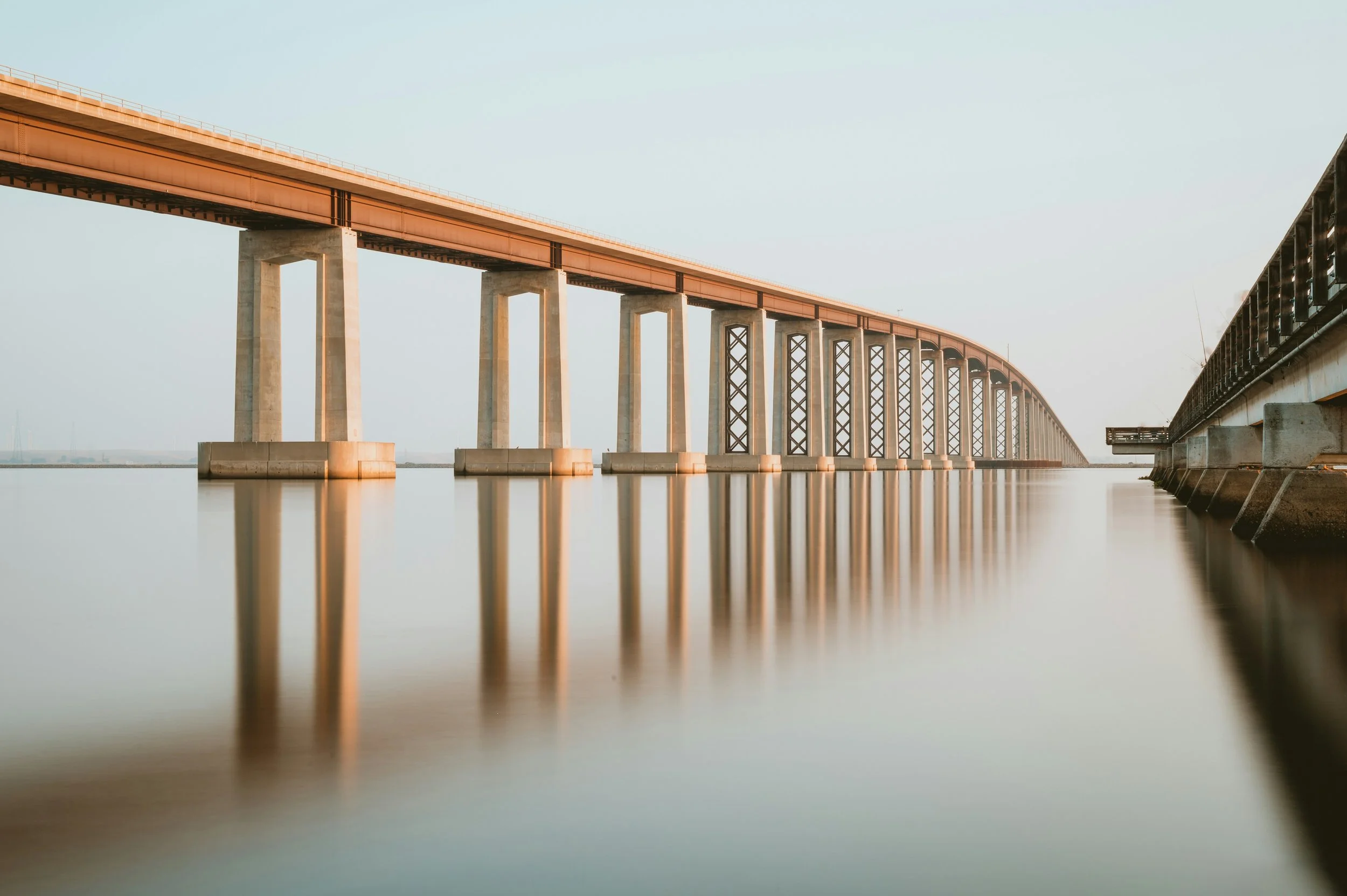
Image: Chris Briggs
Challenging the 'Built to Fail' Mindset
The idea of 'planned obsolescence,' where products are designed to have a limited lifespan, has unfortunately crept into how we build things. This 'built to fail' mindset often prioritises a low initial cost over how well something will perform and last over time. Projects sometimes just meet minimum standards, with little thought given to how they'll hold up over decades of use, weather, and changing demands.
This approach creates a cycle of replacement and repair, treating critical infrastructure as disposable instead of a permanent asset. To build a sustainable future, we need to challenge this thinking and champion a new standard based on longevity, quality, and lasting value.
The True Cost of Temporary Solutions
Choosing cheaper, less durable materials or quicker construction methods might seem smart financially at first. But it often leads to significant long-term expenses. Temporary or subpar solutions need constant maintenance, frequent repairs, and earlier replacement than expected. These direct costs are only part of the story. The indirect cost of infrastructure failures includes economic disruption, lost productivity, and a drop in public safety and confidence.
Think of a bridge that constantly needs lane closures for repairs; it slows commerce and frustrates commuters. A poorly built utility system is more likely to fail, affecting homes and businesses. The real cost isn't just the initial savings; it's the accumulated expenses and disruptions over the asset's entire life.
Building to Last: Robust Foundations
Building things to last starts with the materials and design choices. Picking robust, proven materials ensures a structure can handle environmental stresses and stand the test of time. This doesn't always mean sticking to old methods. Modular construction, for instance, combines strength with efficiency.
By using standardised, resilient components, projects can finish faster without sacrificing quality. We see this principle in how industrial-grade materials are creatively repurposed for new uses. For example, the natural strength and weather resistance of steel shipping containers make them an excellent base for everything from secure storage and temporary offices to permanent modular buildings. It shows that durability can also be versatile.
Adaptability: A Key to Longevity
True longevity isn't just about surviving the present; it's about being ready for the future. An infrastructure project designed today might need to serve a very different purpose in 30 or 50 years. That's why adaptability is a crucial part of durable design. Buildings with open floor plans and internal walls that don't carry weight can be easily reconfigured as a business grows or a family's needs change.
Similarly, utility networks designed with extra capacity or easy upgrade paths can handle future population growth without needing a complete overhaul. Building for adaptability means we create assets that can evolve, extending their useful life far beyond their original purpose and keeping them from becoming obsolete.
Investing in Future Value
Moving towards durable infrastructure means changing how we see value. It's key to view a higher upfront cost not as an expense, but as an investment. A well-built structure that needs minimal maintenance over its lifespan will offer a far greater return than a cheap alternative that constantly demands attention. This approach encourages economic stability and responsible use of resources. Promoting quality infrastructure investment is essential for sustainable development, ensuring that public and private funds create assets that generate value for generations. By building to last, we're not just saving money in the long run; we're creating a more reliable, efficient, and resilient foundation for society.
The choice between a temporary fix and a lasting solution is a defining one. By embracing a mindset that values durability, adaptability, and long-term performance, we can build a legacy of strength and stability for the future.