A vehicle breakdown on a busy highway or a quiet back road can quickly turn a normal day into a stressful ordeal. The sudden sputter of an engine or the jarring thump of a flat tire creates immediate uncertainty. But with the right preparation and a clear plan, you can manage the situation safely and efficiently, turning a potential crisis into a manageable inconvenience. This guide walks you through the 4 essential steps to take before, during, and after a vehicle breakdown.
By Team Savant
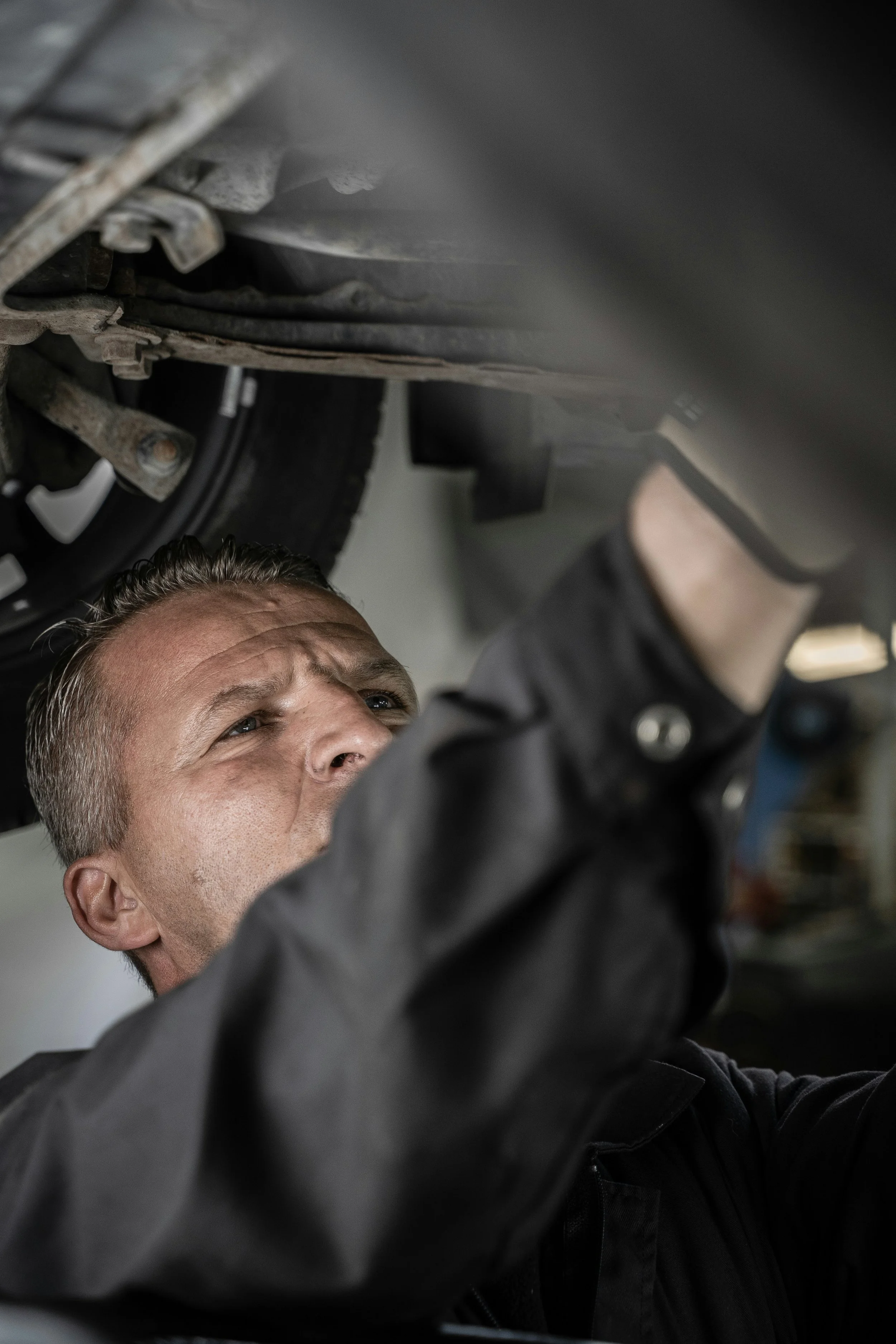
Image: Jimmy Nilsson Masth
Essential Roadside Emergency Kit
A well-stocked emergency kit is the first step in preparing for a breakdown. Having the right tools on hand can solve minor issues on the spot or keep you safe while you wait for help. While you can buy pre-made kits, building your own lets you customise it. At a minimum, your kit should include jumper cables, a first-aid kit, a powerful flashlight with extra batteries, and reflective triangles or flares to alert other drivers. It's also smart to pack a portable phone charger or power bank. For more ideas, you can find many great resources online, including a comprehensive car emergency kit list to guide you. Many car manufacturers also offer recommendations on what to include in a kit to make sure you're fully covered.
Common Causes of Breakdowns
Knowing what commonly goes wrong with a car can help you with preventative maintenance and even let you diagnose an issue from inside your vehicle. A dead or drained battery is the most frequent culprit. This can happen if you leave your lights on or simply because the battery has reached the end of its life. Flat tires and blowouts are also extremely common. Other regular issues include engine overheating, which you can often spot early by watching your temperature gauge, and alternator failure, which stops the battery from charging as you drive. Taking a proactive approach to vehicle care can also help prevent small problems from developing into costly breakdowns. Some problems, like a major transmission failure or severe engine damage, are beyond a simple roadside fix. In these cases, you'll need more than a tow truck; you'll need professional car transport to get your vehicle to a specialized repair shop or even back home if you're far away.
What to Do When Your Car Stops
The moment your car begins to fail, your top priority is safety. Your first action should be to get your vehicle out of the flow of traffic as much as possible.
Pull Over Safely: Signal your intention and carefully move to the right-hand shoulder. If you're on a multi-lane highway, try to avoid stopping in the median or on the left shoulder. Pull as far onto the shoulder as you can to create space between your car and passing traffic.
Increase Your Visibility: Immediately turn on your hazard lights. This is the universal signal for a disabled vehicle. If it's dark or visibility is poor and you can safely get out, place your reflective triangles or flares behind your car to give oncoming drivers plenty of warning.
Stay Put and Stay Safe: In most situations, the safest place to be is inside your vehicle with the doors locked and your seatbelt on. This protects you from both the weather and the risk of being hit by another vehicle.
Calling for Professional Assistance
Once you're safely off the road, it's time to call for help. Having your phone charged is crucial for this step. Before you dial, gather the necessary information to make the process smooth. Use your phone's GPS to find your exact location. Look for nearby landmarks, exit numbers, or mile markers to help the service provider find you quickly. When you speak to a dispatcher, clearly state your location, your car's make and model, and what you think the problem is. Don't hesitate to ask for an estimated time of arrival and a quote for the service. This ensures there are no surprises when help arrives.
A breakdown is never convenient, but being prepared can significantly reduce the stress and danger that comes with it. Having a plan and the right resources helps you handle the situation with confidence.