Our relationship with technology truly defines modern life. It shapes how we work, connect, and relax, even influencing decisions like whether to buy a refurbished Apple Watch. New gadgets constantly stream into our lives, promising more efficiency, better entertainment, and deeper insights. But this endless cycle of upgrades can leave us feeling overwhelmed instead of empowered. A more mindful approach to our digital world isn't about rejecting technology. It's about making conscious choices that fit our values, improve our well-being, and respect our planet. The goal is to shift focus from owning the newest device to owning the right device for a balanced, intentional life.
By Team Savant
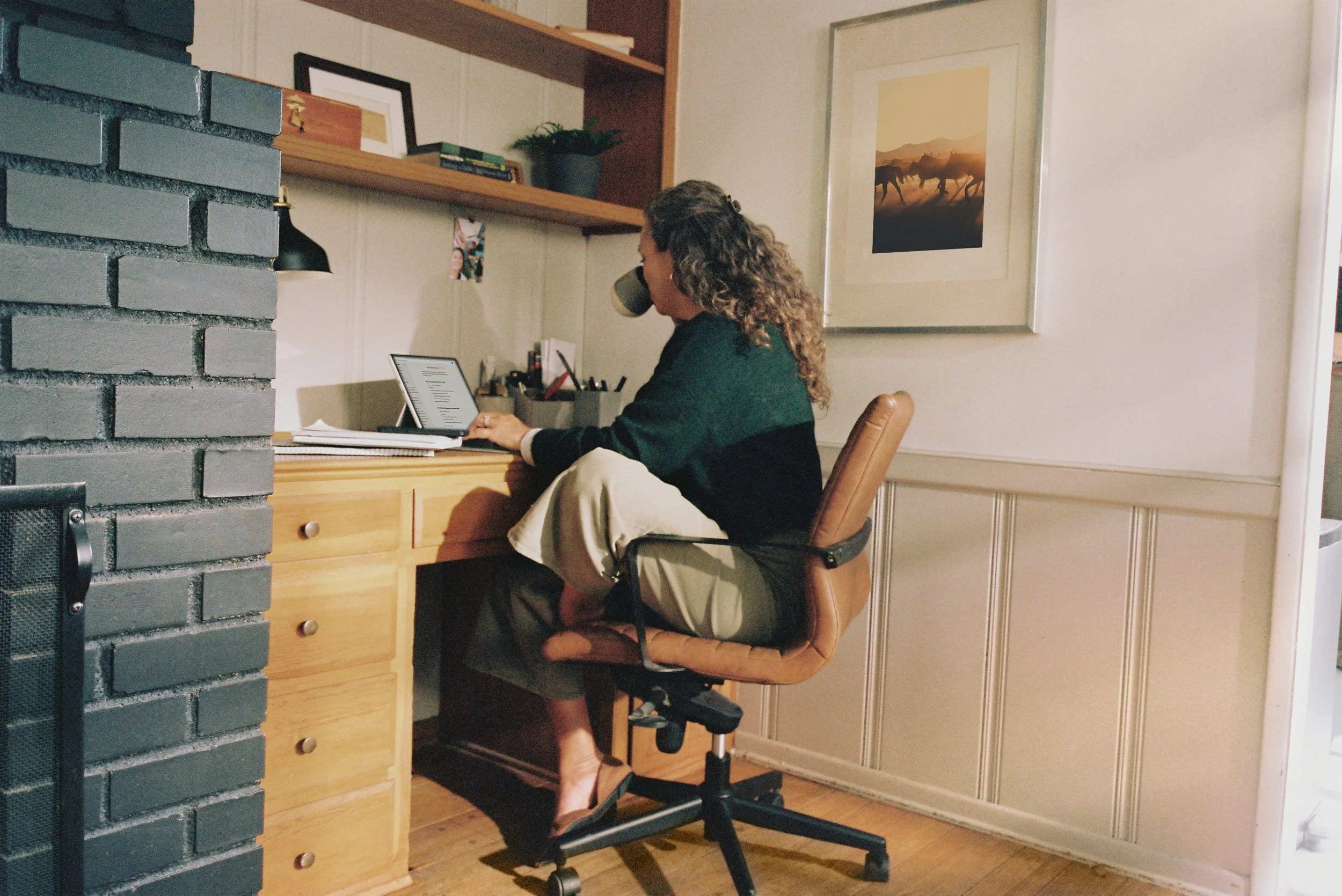
Image: Microsoft Copilot
The Pace of Progress and Our Well-being
The tech industry thrives on rapid innovation. Annual release cycles are now the norm for everything from smartphones to smart home devices. While this brings exciting advancements, it also creates a powerful sense of digital FOMO – the fear of missing out on the latest features. This pressure can lead to constant consumption, which drains both our wallets and our mental clarity. The steady stream of new devices encourages us to think that what we own is never quite good enough, fuelling dissatisfaction and anxiety.
What's more, our devices are often designed to work against our well-being. Endless notifications, infinite scrolling feeds, and persuasive design techniques are all engineered to grab and hold our attention. This can scatter our focus, disrupt our sleep, and pull us away from the present moment.
Adopting a more mindful tech use philosophy helps us take back control. It means consciously curating our digital environment: turning off non-essential notifications, setting screen time boundaries, and asking whether a new feature will truly add value or just more digital noise. By understanding how technology affects us, we can start using it as a tool that serves our intentions, rather than letting it dictate our behaviour.
Beyond the New: Embracing Circular Tech
A big part of a mindful tech strategy means rethinking how we own things. The old "buy, use, dispose" model is bad for the environment and often wastes money. Making new electronics uses huge amounts of energy and rare earth minerals, and discarded devices add to a growing pile of e-waste. Embracing the circular economy offers a strong alternative, focusing on repair, reuse, and refurbishment to make products last longer.
Choosing refurbished technology is a practical and effective way to join this circular model. These devices aren't just "used"; they're pre-owned products that have been professionally tested, repaired, and restored to working order. They can offer many of the same features as new devices while costing less and potentially reducing the environmental impact associated with new manufacturing. For instance, picking a refurbished Apple Watch gives you powerful health and connectivity features without creating demand for new manufacturing.
This approach lets you enjoy modern technology in a way that's both smart with money and kind to the environment. It's a conscious choice to value performance and longevity over the shiny appeal of a factory-sealed box, proving that high-quality tech doesn't have to be brand new.
Choosing Devices That Serve Your Purpose
Before you buy any new tech, the most mindful thing you can do is pause and think about what you actually need. Marketing campaigns are excellent at convincing us we need the top-of-the-line model with every feature. But often, our requirements are much simpler. A professional video editor needs a powerful laptop with a dedicated graphics card and immense processing power. A student who mostly writes essays and browses the web does not. A passionate photographer might justify the cost of a flagship smartphone for its advanced camera system, while someone who rarely takes pictures could be perfectly happy with a more modest, affordable model.
Making a list of your "must-have" versus "nice-to-have" features can really clarify your decision. Ask yourself practical questions:
What main tasks will I use this device for?
Are the exclusive features of the newest model actually relevant to my daily life?
How long do I plan to keep this device?
Is this purchase solving a real problem, or am I just looking for something new?
This careful evaluation helps you avoid overspending on features you'll never use. It guides you toward a device that truly fits your life, instead of one that just looks impressive on a spec sheet. This practice is key to navigating the digital age with intention, making sure your technology serves you, not the other way around. It's about changing from a passive consumer to an active, discerning user who values purpose over prestige.
Sustainable Habits for Digital Longevity
Mindful tech consumption doesn't stop when you buy something; it includes how you care for the devices you already own. Making your electronics last as long as possible is one of the most sustainable things you can do. Instead of automatically upgrading when a new model comes out, focus on keeping your current gadgets performing well. This saves you money and reduces the environmental impact of manufacturing and shipping new products.
Simple habits can make a big difference. Keeping your device's software up to date ensures you have the latest security patches and performance improvements. You can also help your battery last longer by avoiding extreme temperatures and not leaving your device fully charged or fully depleted for long periods. Physically, using a protective case and screen protector can prevent the kind of accidental damage that often leads to early replacement.
Beyond physical maintenance, cultivating mindfulness in your digital routine can also make your device easier to use. Regularly cleaning up your files, deleting unused apps, and organising your home screen can make an older device feel fresh and responsive. If a device starts to feel slow or a part breaks, look into repair options before thinking about a replacement. A new battery or screen is much cheaper and more sustainable than a whole new phone. By treating our devices as long-term tools rather than disposable items, we build a more sustainable and satisfying relationship with technology.
Ultimately, building a balanced digital life comes down to being intentional. It means choosing technology that truly improves your life, using it in a way that respects your time and attention, and considering the entire lifespan of your devices. This mindful approach changes your relationship with technology from passive consumption to conscious control.