Businesses spend a great deal of time focusing on growth, sales, and customer acquisition. However, they can overlook one of the biggest threats to productivity: equipment downtime. No matter which sector it affects, unexpected breakdowns can quickly disrupt operations and affect your profits.
The financial impact is far greater than many businesses realise. In fact, unplanned downtime costs the world’s 500 largest companies approximately $1.4 trillion annually, which represents around 11% of their revenue. Naturally, not every venture is a company of that size. To put it into perspective, mid-sized industrial manufacturers lose around $50 billion every year in unplanned downtime. In other words, equipment reliability should be viewed as a business priority rather than simply a maintenance concern. Here are 5 factors that could cause expensive equipment downtime in modern businesses.
By Team Savant
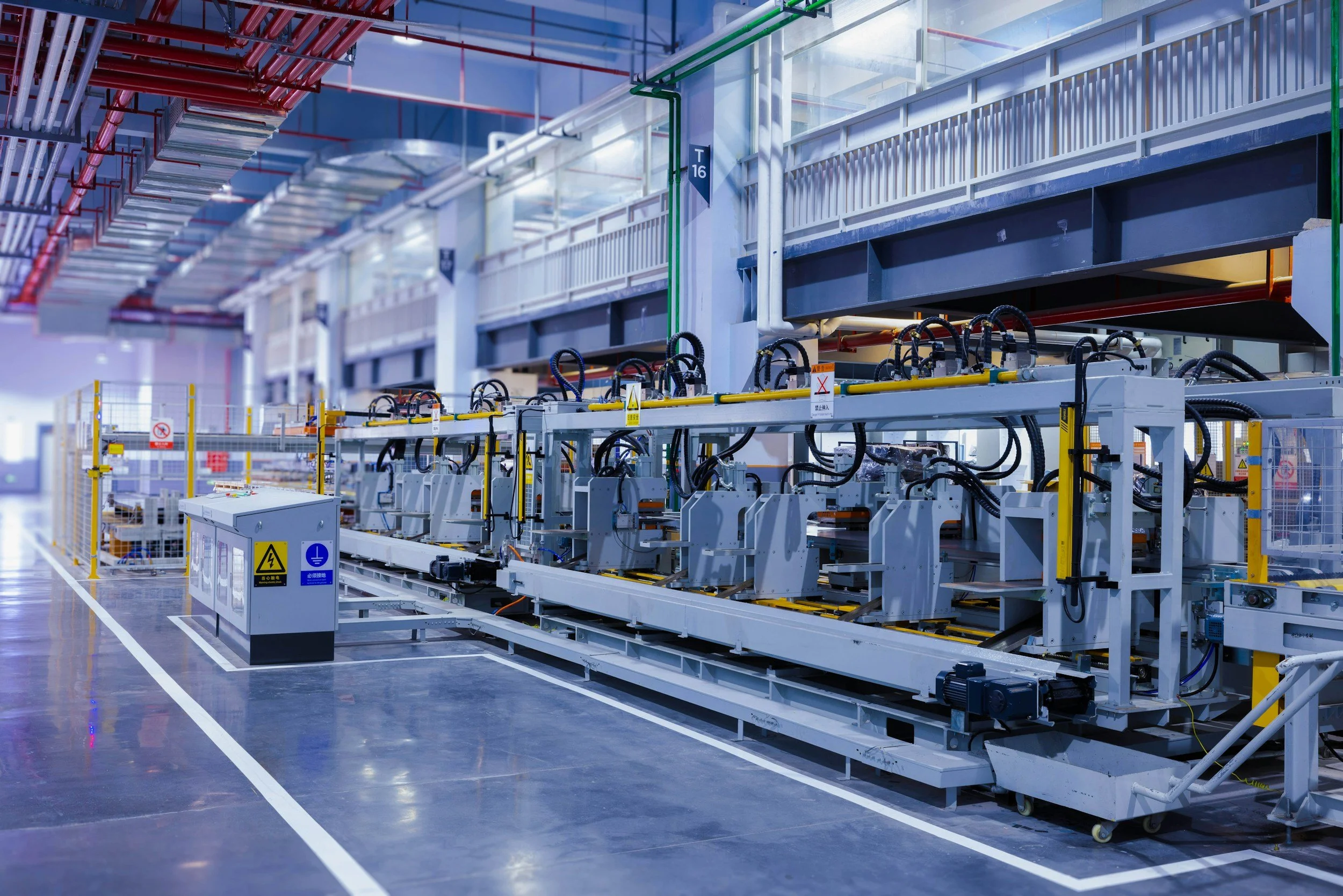
Image: Homa Appliances
Poor Maintenance Habits
Delayed maintenance is one of the most common causes of downtime. When equipment appears to be running normally, it can be tempting to postpone servicing, particularly during busy periods. Yet, minor issues rarely stay minor when they are left unaddressed. Whether it is worn-out components, small leaks, or even mechanical stress, these unaddressed problems can develop into costly failures.
Many businesses fall into the trap of working around known problems rather than solving them properly. Temporary fixes may keep the equipment operational in the short term, but they tend to increase the likelihood of a more serious breakdown later.
Ignoring Repair Recommendations
Routine inspections can identify potential issues before they become critical. But it isn’t uncommon for recommendations for repairs or component replacements to be postponed due to budget constraints or operational pressures. Decision-makers may misjudge the gravity of the situation.
The reality is that many costly failures begin as a manageable maintenance issue.
Specialist Expertise Is Hard to Find
Modern equipment is becoming highly sophisticated, which means it requires specialist knowledge to maintain it.
While this doesn’t mean that standard in-house maintenance teams can’t play an important role in keeping track of everything, there are situations where specialist expertise is necessary to diagnose complex faults and perform critical repairs. It’s not uncommon, for example, for businesses operating heavy machinery to reach out to a qualified diesel fitter to identify mechanical issues, carry out repairs, and keep essential equipment operating efficiently.
Unfortunately, experts can be in high demand, which means that many businesses may have to schedule appointments weeks or months in advance.
Lack of Maintenance Records
Inadequate record-keeping also contributes to downtime.
When businesses rely on paperwork and spreadsheets, or even on employee memory, to track servicing schedules, it’s easy to fall behind. The more the equipment fleet grows, the harder it becomes to keep track of everything.
Unfortunately, inaccurate records mean that maintenance tasks can be easily missed. When there is no reminder to schedule a servicing appointment, issues are not just overlooked; they go unnoticed.
Reactive Maintenance Is Expensive
Taking a reactive approach to maintenance is costly, and it means that issues are only addressed when the equipment fails. Although this may appear cost-effective at first, in reality, reactive maintenance creates far higher long-term costs. Ultimately, breakdowns are unplanned, which affects project costs, overtime expenses, and even your customer relationships.
Let’s be realistic: Equipment downtime is rarely caused by bad luck alone. More often than not, it is the result of poor maintenance management and failing to build a reliable schedule with external experts. Preventative, strategic planned and scheduled maintenance is more effective at reducing disruptions and waste.