The bit of equipment that’s “mostly fine”, the process that’s annoying, but everybody’s learned how to dance around it and just gotten used to dealing with it —every business has one of those things and most of them think its fine because things in the business are running well. Maybe it’s the delay that gets shrugged off because, well, it’s been like that for ages now. Well, that’s usually how it starts. Very rarely, there is some collapse or some major thing like alarms going off; instead, it’s just a problem hanging around long enough that people stop seeing it properly. And that’s where it gets expensive, because once a business gets used to a problem, it stops treating it like something temporary. It starts building the day around it instead.
Maybe you have this in yout personal life, like with something in your home. While it’s not the biggest deal in the world, it just means people need to adjust, extra time gets wasted, and people have to, unfortunately, lower expectations as well. Before long, the issue’s not interrupting the routine anymore; it is the routine, which is such a grim little business habit when it really gets going. Here’s how to spot the red flags from early on and be strategic about tackling them from the very start.
By Team Savant
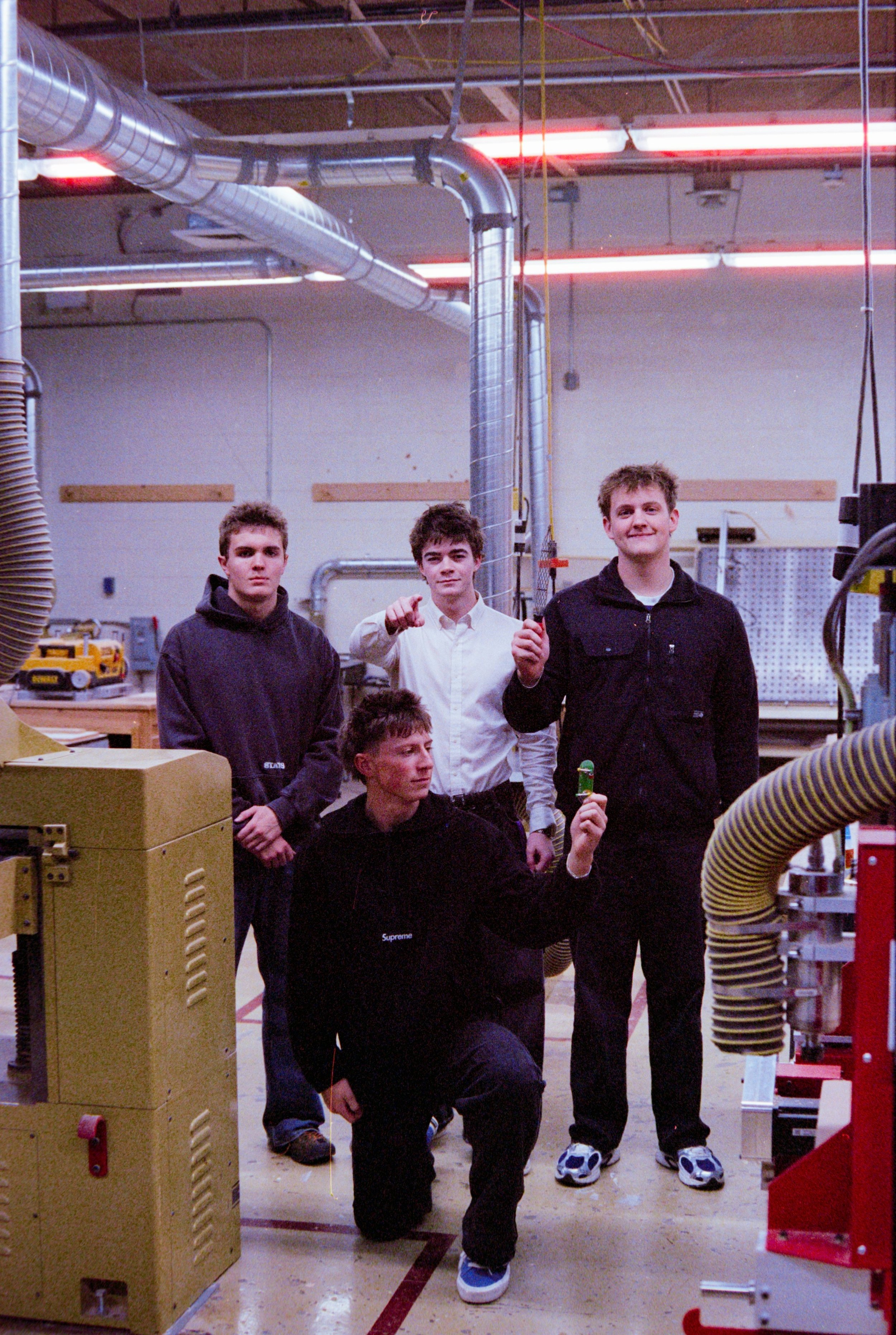
Image: Spencer Plouzek
The Workaround Starts Feeling Normal
And that’s the first trap here. So, at the beginning, everybody knows the setup’s a bit off. People mention it, moan about it, promise to sort it properly when things are less hectic, which, yeah, is usually a very optimistic little story businesses tell themselves. But think about it, it gets to the point where maybe weeks or even months pass, and the workaround gets promoted from temporary fix to standard operating procedure. Yep, that actually happens.
Now, someone always leaves extra time for that task. Someone else knows the odd trick that keeps things moving (for example, a doorknob that needs some jingling is a super small example of this). Sometimes, some people will downright avoid an area or a taste because it’s a pain to deal with. So, it just eventually gets to the point where the business starts mistaking familiarity for functionality.
Eventually, People Start Defending the Wrong Thing
It’s a bit funny, but it’s also pretty annoying. Alright, so once a workaround’s been around long enough, people start protecting it. Which, yes, is weird considering you’re being inconvenienced on a daily basis, but because it’s familiar, it just becomes manageable. Really, it’s as simple as that. It’s easier to just limp along rather than stop, fix this, and sort things out properly.
And well, that can be awkward, and the timing of it can get like that too. But the longer this minor issue is there, it’s not going to settle, and it's going to deeply settle, and eventually the weak setup will affect other things (in due time). So, like it or not, in order to avoid a domino effect, it needs to be fixed. For example, if you’re managing livestock in your business, and your feeder isn’t working as well as it used to, well, it’ll get worse, and so you’re better off just looking into Keenan Feeder repairs now rather than later.
In fact, with any minor issue, if it’s fixable, be it hiring a contractor or getting maintenance to fix it, it’s better to do it sooner rather than later.
Plus, the Cost Rarely Looks Big Enough at First
If one breakdown came with a giant flashing sign saying this is costing far more than you think, people would probably act faster. No, really, it’s as simple as that. Usually, it’s about the money. But as you know, it just doesn’t show up like that. So, it can take months, sometimes it can even take years, before this little “workaround” actually gets fixed because that's how long it takes before someone realises the amount of money that’s being wasted.