Artificial intelligence can give teachers something many classrooms lack: time to observe, reflect and respond with care. Used thoughtfully, AI-assisted marking can reduce routine work while keeping teachers firmly responsible for judgment. That creates an opening for slow teaching, an approach that values depth, attention and meaningful relationships over constant acceleration. The technology alone won’t produce better teaching, though. Schools need clear limits, regular quality checks and a shared view of where human expertise matters most.
By Team Savant
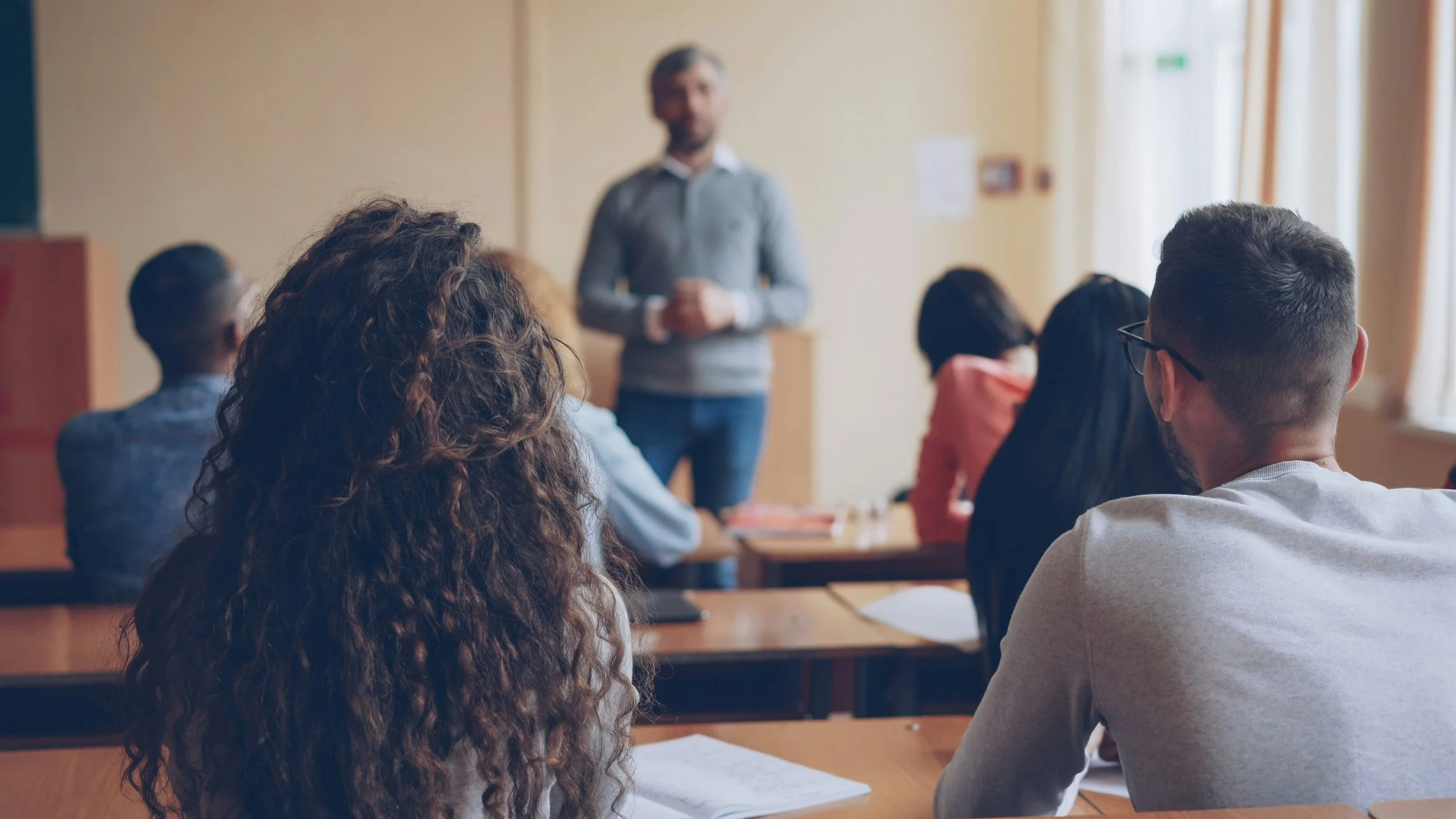
Image: Vitaly Gariev
Unpacking the Philosophy of Slow Education
Slow education gives students enough time to wrestle with ideas, revise their work and connect new knowledge to previous learning. For teachers, it means paying close attention to how understanding develops instead of rushing from one deadline to the next. This philosophy shares ground with the wider slow approach to lasting creations, where quality emerges through patience and considered choices.
AI can support that pace when it handles narrowly defined administrative tasks. A teacher might automate an initial review of 30 short responses, then spend the recovered hour discussing misconceptions with small groups. Research on AI in education also points to opportunities for personalized learning and more efficient educational processes, though thoughtful implementation remains vital.
The Weight of Repetitive Marking
Marking often follows teaching into evenings and weekends. A stack of similar responses demands concentration, yet fatigue can make consistency harder as the session continues. Schools considering automated support should first identify the most repetitive task, such as checking short answers against a rubric or organizing common errors for review.
Evidence matters before adopting any system. The TeachEdge study compares AI-assisted marking with marks from experienced human examiners, giving educators a useful example of how accuracy can be tested. Start with a limited trial using work that teachers have already marked. Compare scores, feedback and disagreement patterns, then decide which tasks are suitable for assistance. Teachers should retain final authority, especially for unusual reasoning, creative responses and work that depends heavily on context.
Verifying Quality in Automated Feedback
Reliable marks are only one part of the picture. Feedback must also be accurate, understandable and useful to the student. Before using generated comments, check whether each one identifies a specific strength or gap and suggests a realistic next action. “Add evidence from the second source” gives a learner more direction than “develop this answer.”
A practical audit can use a random sample of 10 to 20 responses from each assignment. Review the system’s comments for factual errors, inconsistent standards and language that may confuse students. Record repeated problems so prompts or rubrics can be adjusted. Guidance on the future of AI teaching emphasizes active participation from teachers and students. Invite learners to flag feedback that seems unclear, then discuss those cases openly in class.
Protecting Room for Human Connection
Time saved through automation needs a deliberate destination. Otherwise, new meetings, messages and reporting duties can quickly absorb it. Set aside some of the recovered time for activities that depend on human attention, such as individual conferences, detailed discussion and observation during group work.
Consider a teacher who saves 90 minutes on first-pass marking each week. Thirty minutes could go toward reviewing automated output, while the remaining hour supports six focused student conversations. Those meetings can uncover anxiety, confusion or an unexpected line of thought that no scoring system can fully interpret.
Tell students when AI has contributed to feedback and explain how you review it. That transparency keeps accountability visible and gives learners a clear route to question a mark. Slow teaching becomes possible when efficiency creates more encounters where a teacher can listen closely, recognise a half-formed idea and help a student carry it further.