A slow hospitality brand promises care, character and a more considered pace. Its website should make that promise clear from the first visit. Yet many independent hotels, retreats and guesthouses rely on cluttered layouts, generic photography or booking systems that feel disconnected from the experience itself. Intentional web design brings these elements together, helping prospective guests understand the offer and book without friction while preserving the atmosphere that makes the property distinctive.
By Team Savant
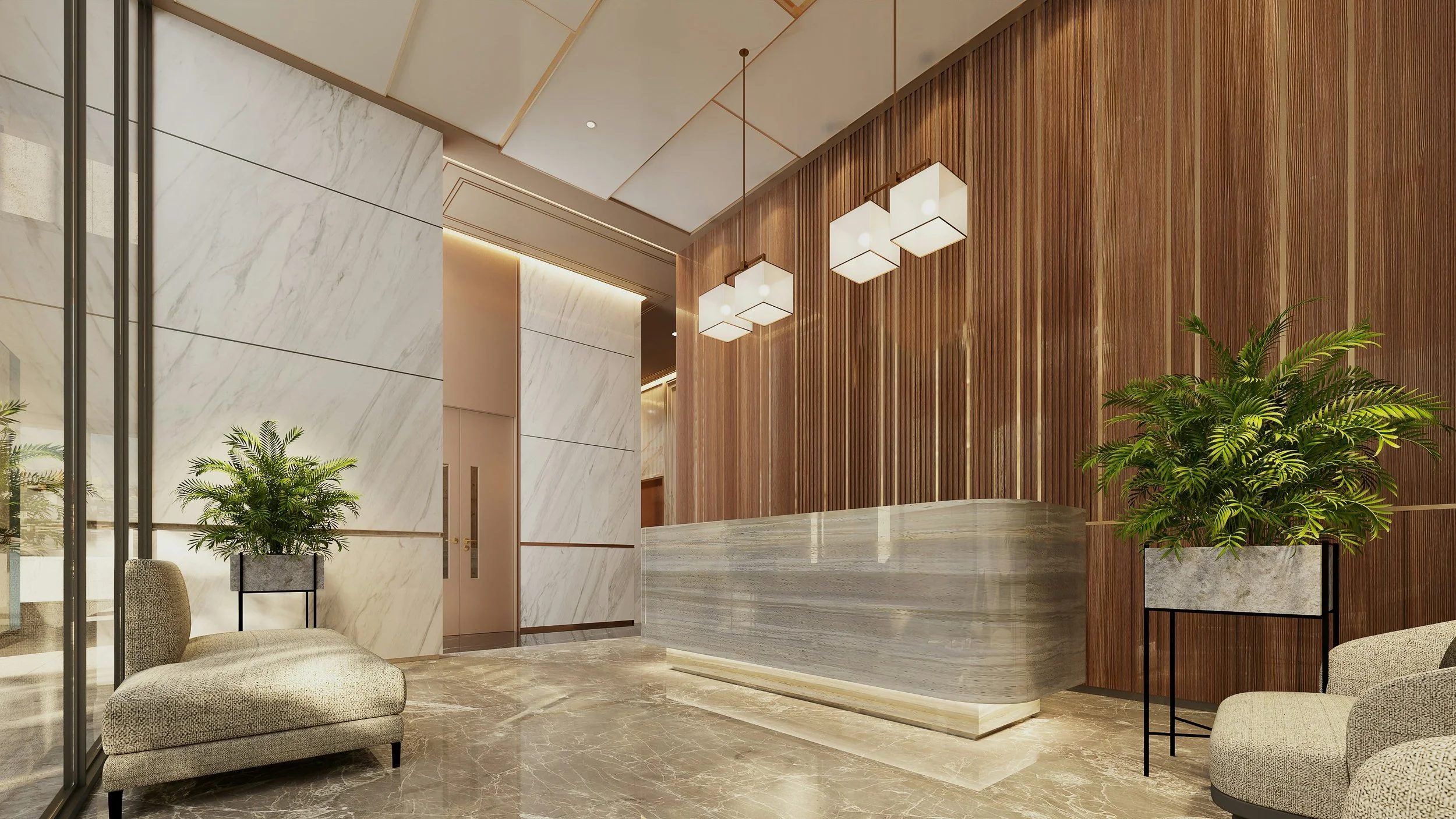
Image: Aalo Len
The Digital Guest Journey
A guest may discover a property through social media, search for rooms on a phone and return later on a laptop to book. Each stage needs consistent information, clear pricing and an obvious next action. EHL's guidance on a digital-first hotel strategy explains why online channels need to work as one connected system.
Map the route from discovery to confirmation and test it on several screen sizes. Room details, availability, accessibility information and cancellation terms should be easy to find. A direct booking button must remain visible without dominating every page. If visitors repeatedly call to clarify basic details, treat those questions as evidence that the site needs clearer content.
Translating Atmosphere Online
Design decisions should express how a stay actually feels. A coastal retreat might use generous spacing, natural colours and quiet video clips, while a city guesthouse may suit a tighter editorial layout. Hospitality research also shows how branding shapes guest experiences, so visual choices should carry through from the website to arrival.
Start with an audit of photography, typography, page speed and booking flow. For hospitality businesses that need help connecting their visual identity with a more effective online presence, a digital marketing agency can bring web design, creative work and marketing strategy together. Give any partner a precise brief that describes your typical guest, the qualities that define your brand and the actions each page should encourage. This keeps design decisions grounded in the guest experience rather than aesthetics alone.
Choose Substance Over Hype
Slow hospitality works best online when the language stays specific. Replace sweeping promises such as “an unforgettable escape” with details that help someone picture the stay: breakfast uses produce from nearby farms, the station is a 12-minute walk away, or check-in happens with the host in the library.
The same principle applies to design. Elaborate animation can slow a page and obscure useful information, especially on mobile connections. Choose readable type, compressed images and simple menus. The thinking behind a mindful online brand also offers a useful model here: publish with purpose and make each element earn its place. A smaller website with thoughtful room pages often serves guests better than dozens of thin articles created mainly for search traffic.
Measure Meaningful Engagement
Traffic totals reveal little on their own. Track actions that show real interest, including visits to room pages, booking-engine starts, completed reservations and newsletter sign-ups. Compare mobile and desktop completion rates too. A sharp difference may point to small buttons, awkward forms or payment screens that are difficult to use on a phone.
Qualitative evidence matters as well. Ask new guests what helped them decide and record questions received before arrival. Review these patterns every quarter, then change one element at a time so its effect remains visible. If a revised room page increases booking starts but confirmations fall, the problem probably sits later in the process. This form of measurement protects the brand’s calm character while improving performance through evidence.
Intentional design leaves prospective guests with a clear sense of place and no uncertainty about booking it. When photographs, words and practical details all reflect the stay honestly, the website begins offering hospitality before the front door opens.