Electric vehicles, induction cooktops, heat pumps and home batteries can place demands on a house that its electrical system was never designed to handle. Preparing for cleaner energy starts with understanding how your home uses power now and what you may add over the next several years. A thoughtful assessment can reveal safety concerns, prevent inconvenient outages and help you schedule improvements in a sensible order. It also gives you a clearer picture of which upgrades will deliver meaningful savings.
By Team Savant
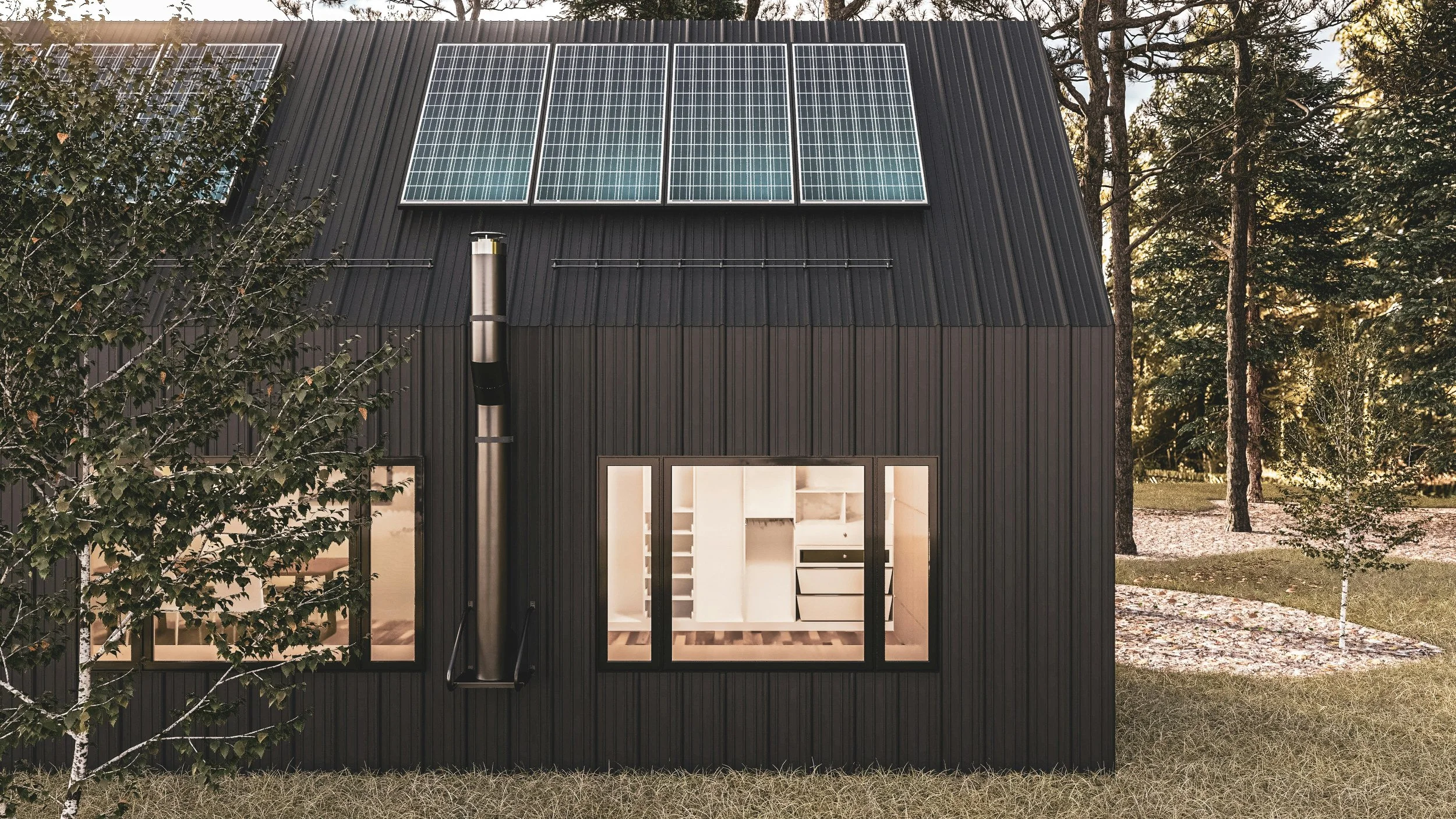
Image: Thomas Werneken
Shifting Toward Eco-Conscious Living
An energy-conscious home combines efficient appliances, thoughtful daily habits and cleaner sources of power. The broader shift toward sustainable living includes choices such as improving insulation, using LED lighting and replacing older equipment with efficient electric models.
Start by reviewing your utility bills across a full year. Seasonal changes can show where heating, cooling or water heating drives consumption. A plug-in energy monitor can also identify appliances that draw more power than expected. For a wider look at matching household choices with personal priorities, Savant's guide to slow living and smart energy offers useful context. These small investigations help you focus on improvements that fit your actual routines.
Capacity Bottlenecks in Older Homes
Many older houses were wired when households owned fewer high-demand appliances. Adding an induction range, electric water heater or vehicle charger may expose limits in the service capacity, switchboard or existing circuits. Warning signs can include frequent breaker trips, warm electrical panels, flickering lights or too few dedicated circuits for major appliances.
An electrician can calculate the home's current and expected electrical load. If the central equipment is outdated or lacks room for new circuits, professional switchboard upgrades may be needed before other clean energy additions can proceed safely. This assessment is particularly useful when you're planning several projects, since it can prevent newly installed equipment from exceeding the home's available capacity.
Modernising the Central Hub
The switchboard distributes electricity throughout the property, so its condition affects every electrification project that follows. A modern unit may provide circuit protection, clearer labeling and enough physical space for future connections. Depending on the home, modernization can also involve replacing aging wiring, adding dedicated circuits or improving grounding.
Ask a licensed electrician to inspect the complete system instead of evaluating one appliance in isolation. Share your three-to-five-year plans, including possible solar panels, battery storage, electric heating and vehicle charging. Governments are also treating building upgrades as a major part of the clean energy transition. Canada's green buildings strategy, for example, connects efficient buildings with lower emissions and greater resilience. Homeowners can apply that same long-range thinking on a smaller scale.
Integrating Solar and Battery Storage
Solar panels work best when the system reflects the home's energy profile. Roof orientation, shade, usable surface area and daytime consumption all influence the appropriate system size. A household that runs laundry equipment and cooling during daylight hours may use more solar electricity directly, while an empty home may export a larger share.
Battery storage can hold excess generation for evening use or provide backup for selected circuits during an outage. Ask installers to model expected generation and consumption month by month, not only as annual totals. You should also clarify which appliances a battery can support and for how long. Setting realistic expectations helps you avoid paying for capacity that your household rarely needs.
Step-by-Step Transition Planning
Create a phased plan so that urgent safety work comes first and later improvements build on a sound foundation. Begin with an electrical inspection and a home energy audit, then compare those findings with your budget and expected length of ownership.
A practical order might look like this:
Correct safety issues and damaged wiring
Improve insulation, air sealing and lighting efficiency
Confirm electrical capacity for planned appliances
Replace aging equipment when it reaches the end of its useful life
Add solar generation and assess battery value using real consumption data
Keep copies of inspection reports, equipment specifications and energy bills in one folder. When you're ready to request quotes, provide contractors with the same information so their recommendations are easier to compare.
A clear plan also lets you coordinate related work, such as completing panel changes before walls are repaired or solar equipment is installed. The best first appointment is one that assesses the whole house and leaves you with a prioritised list tied to your actual energy goals.