Routine office chores can look harmless on a shared calendar, yet they steadily pull employees away from the work they were hired to do. Asking staff to empty bins, clean kitchens or manage restroom supplies also creates confusion about responsibility. Over time, small tasks turn into recurring interruptions and quiet sources of resentment. A workplace still needs everyday courtesy. Employees should clear their dishes and keep personal areas tidy. The problem starts when basic courtesy expands into an unofficial cleaning rota that consumes paid time and blurs professional roles.
By Team Savant
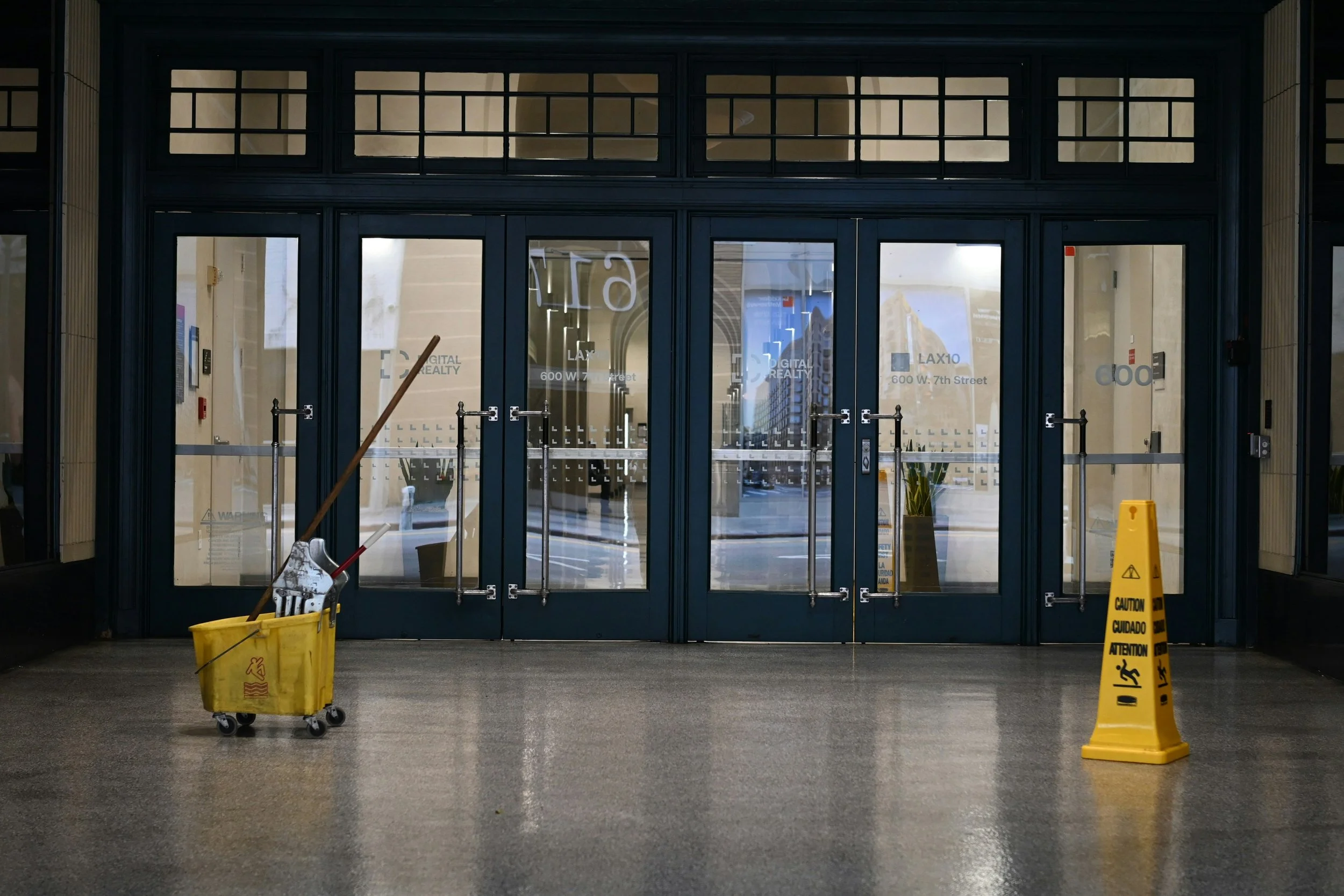
Image: Christian R
The Hidden Cost of Shared Office Chores
A ten-minute chore rarely costs only ten minutes. An employee must stop their current task, switch attention, find supplies and then rebuild concentration afterward. Research into the cost of work distractions shows why seemingly minor interruptions can have a larger effect on productive time.
There’s also an issue of fairness. The same conscientious people often refill dispensers, wipe shared surfaces and report maintenance problems while others assume someone else will handle them. Managers may never see this uneven workload because it sits outside formal job descriptions.
Track these tasks for two weeks. Record the time involved, how often work gets interrupted and which employees take responsibility. The results will give you a clearer picture than a vague estimate of “a few minutes here and there.”
Protecting High-Value Focus Time
Set a clear boundary between personal tidiness and facility upkeep. Staff can wash their own mugs, dispose of personal waste and leave meeting rooms ready for the next group. Scheduled sanitation, floor care, restroom cleaning and shared-area maintenance belong in an organized facilities plan.
Managers reviewing local commercial cleaning options can compare scheduled services with the real labor cost of assigning routine cleaning to employees. Use hourly pay, task frequency and lost focus time in that comparison, not supply costs alone.
Protect uninterrupted blocks for concentrated work as well. If office chores, deliveries and minor requests regularly break those blocks, combine facility-related tasks under one responsible person or provider. Analysis of workplace distraction costs reinforces the business case for reducing preventable interruptions.
Investing in Dependable Commercial Cleaning
Choose a provider according to the needs of the building, not a generic checklist. A small professional office may need service twice a week, while a busy customer-facing site could require daily attention. Ask potential providers which areas each visit covers, who supplies consumables and how they document missed or completed work.
A useful scope should identify:
Service days and approximate access times
High-touch surfaces requiring regular attention
Restrooms, kitchens and waste collection points
Procedures for reporting damage or supply shortages
Agree on one internal contact for access changes and service feedback. This prevents several employees from issuing conflicting requests. Review the arrangement after the first month using observable details such as consistently stocked washrooms, clean entry areas and fewer staff complaints. Dependability should be visible in ordinary working conditions, not only before an inspection or important meeting.
Healthy Boundaries for Professional Teams
Explain the policy directly so no one mistakes professional cleaning for permission to leave a mess. Each employee remains responsible for personal items and considerate use of shared rooms. The employer takes responsibility for sanitation, scheduled cleaning and the supplies required to keep the premises functional.
This distinction also protects workplace relationships. When teams informally divide chores, disagreements can become personal, especially when effort is uneven or standards differ. The mental toll of managing shared property offers useful context on how unspoken responsibilities create stress beyond the practical work itself.
Include the boundary in onboarding documents and office guidelines. Give employees a simple reporting route for spills, shortages and urgent hygiene concerns. People can then flag a problem without inheriting permanent responsibility for solving it.
A well-run workplace respects both shared space and specialized time. When the kitchen needs attention or restroom supplies run low, employees should know exactly where to report it and feel confident that the issue won’t quietly become part of their job.