Urban design shapes how quickly people move, where they pause and how often they meet their neighbours. Streets built around everyday needs can reduce stressful journeys and create more time for rest, conversation and local life. Mindful urban planning brings these details together, using transport routes, public spaces and essential infrastructure to support a calmer pace without limiting access or opportunity.
By Team Savant
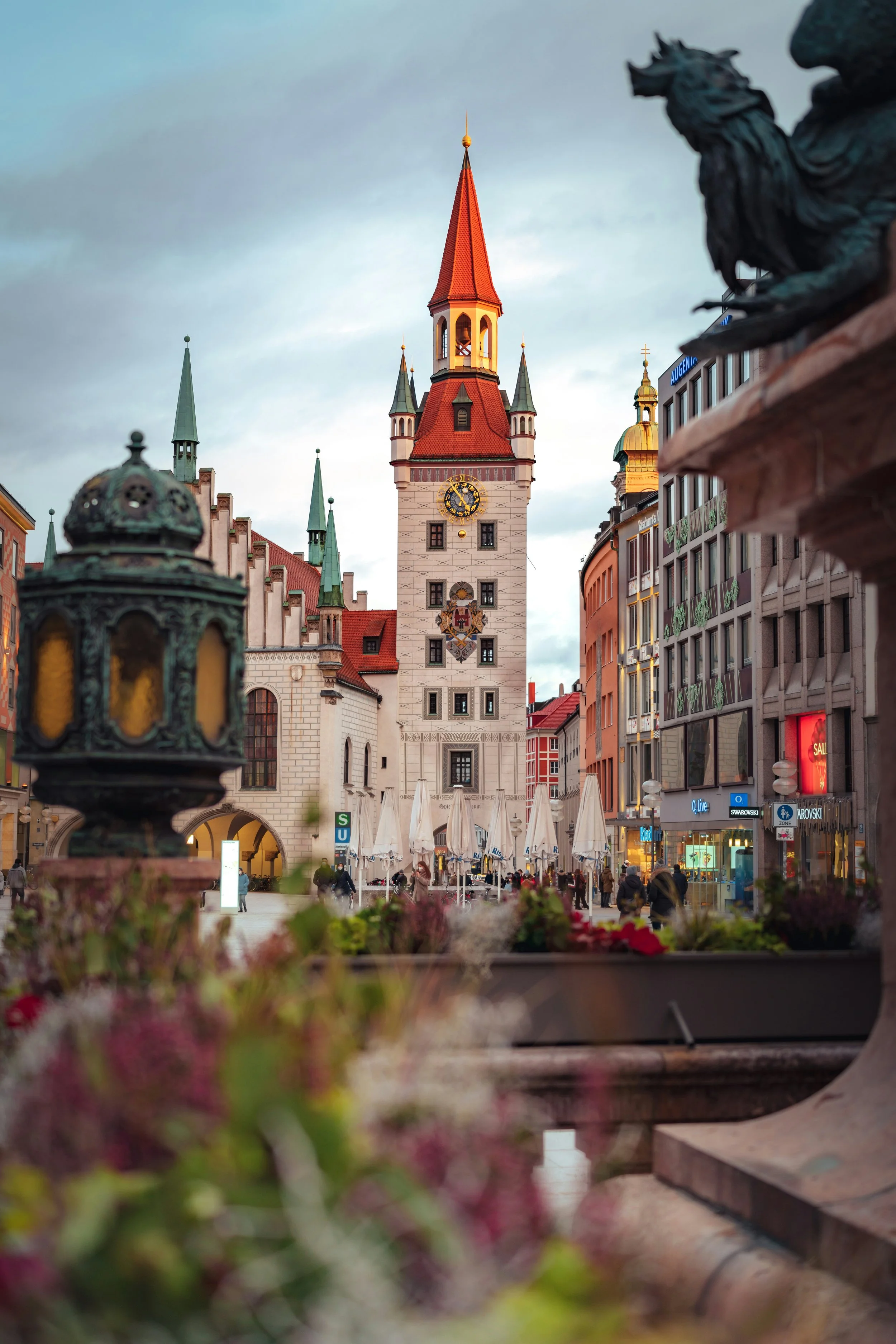
Image: Daniel Seßler
Designing for Deliberate Movement
A slower city still needs to function efficiently. The difference lies in giving people several practical ways to reach work, shops, schools and green spaces. Wide pavements, protected cycle routes, reliable public transport and frequent crossings allow residents to choose a suitable pace instead of defaulting to a car for every trip.
The concept of urban consciousness also encourages planners and residents to consider how daily choices affect shared spaces. Simple measures can help, including benches every few hundred metres, shaded walking routes and clear signs showing the time needed to reach nearby destinations. These details make deliberate movement feel natural and accessible.
The Impact of Infrastructure on Wellbeing
Poorly planned infrastructure can add noise, lengthy detours and uncertainty to an ordinary day. In contrast, smooth paths, effective drainage and well-positioned crossings make neighbourhoods easier to use in all seasons. Research into brain-healthy cities highlights connections between urban conditions, stress and cognitive health.
Good results begin below the visible surface. Local authorities and developers should assess ground conditions, water flow and future maintenance before construction starts. Professional Hinckley Construction and groundwork solutions can support surfacing, construction and wider project requirements. Getting these foundations right helps public areas remain safe, comfortable and usable over time.
Creating Connected, Walkable Spaces
Walkability depends on more than distance. A supermarket may sit only 800 metres from someone’s home, yet a missing pavement or difficult junction can make the trip impractical. Planners should examine complete routes from door to destination, paying particular attention to lighting, surface quality, crossings and step-free access.
Connected neighbourhoods also need places where people can stop without feeling obliged to spend money. Pocket parks, libraries, public squares and sheltered seating provide room for informal contact. The value of unhurried community connection becomes especially clear in these settings, where familiar faces can gradually become trusted neighbours. Residents can support this approach by reporting broken paths and contributing specific observations during planning consultations.
Foundations for Community Growth
Community growth works best when essential services remain close to housing. A useful planning benchmark is whether residents can reach food shops, healthcare, education and recreation within a comfortable walk, cycle ride or public transport trip. Mixed-use development helps achieve this, provided new buildings match local capacity for drainage, utilities and public space.
Planners should also allow places to adapt. A ground-floor unit might begin as a nursery and later become a clinic, studio or community workshop. Flexible layouts and accessible entrances reduce the cost of future changes. Meanwhile, trees and planted drainage areas can manage rainwater, offer shade and soften busy streets, giving people more inviting places to pause.
Investing in Long-Term Livability
Long-term livability requires patient investment in ordinary details. Maintenance budgets for pavements, trees, seating and drainage should form part of a project from the beginning. Without that commitment, attractive spaces can quickly become uncomfortable or inaccessible.
Decision-makers can measure progress through practical indicators such as walking times, public transport reliability, summer surface temperatures and the number of homes within easy reach of green space. Resident feedback adds context to those figures, particularly when it includes older people, families and disabled residents whose experiences often reveal overlooked barriers.
The clearest sign of success may be a neighbourhood where a ten-minute errand no longer requires a complicated trip. When streets support that level of ease, a slower pace becomes part of daily life rather than a luxury reserved for quiet weekends.