NadiaZ: Premium Range Swiss Cosmetics Celebrating the Scarcity of Indigenous Plants 

Bienvenue to the world of NadiaZ indigenous plant based cosmetics: Swiss scientist Nadia Zuodar’s eponymous label of premium range cosmetics NadiaZ celebrates the power of active compounds of rare indigenous plants. Inspired by her agronomist Italian father, Nadia Zuodar took a liking in precious oriental scents and developed her own more natural, active formulas that helped to alleviate her skin allergies, which she suffered from early childhood. Although the basis of Nadia's research was a personal ground, for a decade, the founder was dedicated to humanitarian missions in Africa and international development across the globe that also played a big part of forming the mythical and mystical range of cosmetics sourced from rare plants. NadiaZ in 2017 is a premium range brand, a true innovator in the industry introducing all-natural, velvety scents and antiallergic, non-irritable compounds in skincare to celebrate the scarcity of indigenous plants and fight against their extinction. We talked the benefits, use and ethics of natural cosmetics with the knowledgeable founder. 

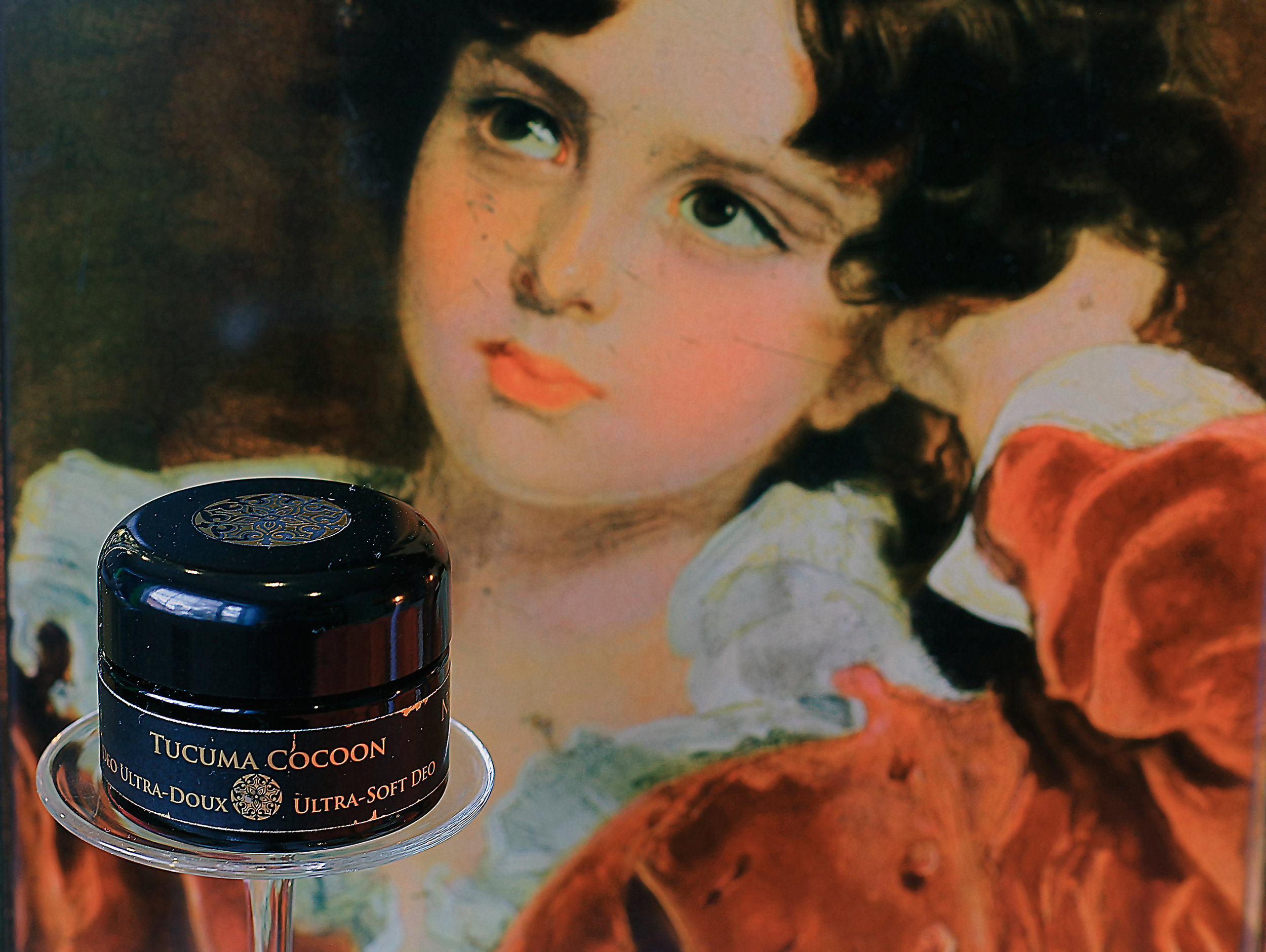
NadiaZ's Tucuma Cocoon Ultra-Soft Deo. 

NadiaZ's Tucuma Cocoon Ultra-Soft Deo. 

What informed the creation of your own ethical luxury cosmetics brand? What was your philosophy that created basis for your brand from the start?

As you could further read on my website, I was allergic to almost everything on the market and have been formulating products since childhood. Then I added the scientific and ethnological knowledge to be able to explore on plants, traditional medicinal use, neurobiology, physics and chemistry and almost 2 decades field work in various countries, at least one decade building my supply network of rare indigenous plants. So it was a necessity first, then people asked me to make it available to the public and here I am!

What are the key compounds that make your products so unique and sought-after? 

I take special care featuring vegetable oils that have seen less interest so far, as compared to essential oils promoted by aromatherapy. Vegetable oils, such as oils pressed from nuts and seeds, like Baobab, Ucuuba and Ximenia, bear unique compounds, some of them yet to be fully studied, besides showing specific mechanical properties that are important for skin protection.

The list would go on forever, so here is a description on the plants I use and the very special concept here http://nadiaz.ch/ingredients-library/

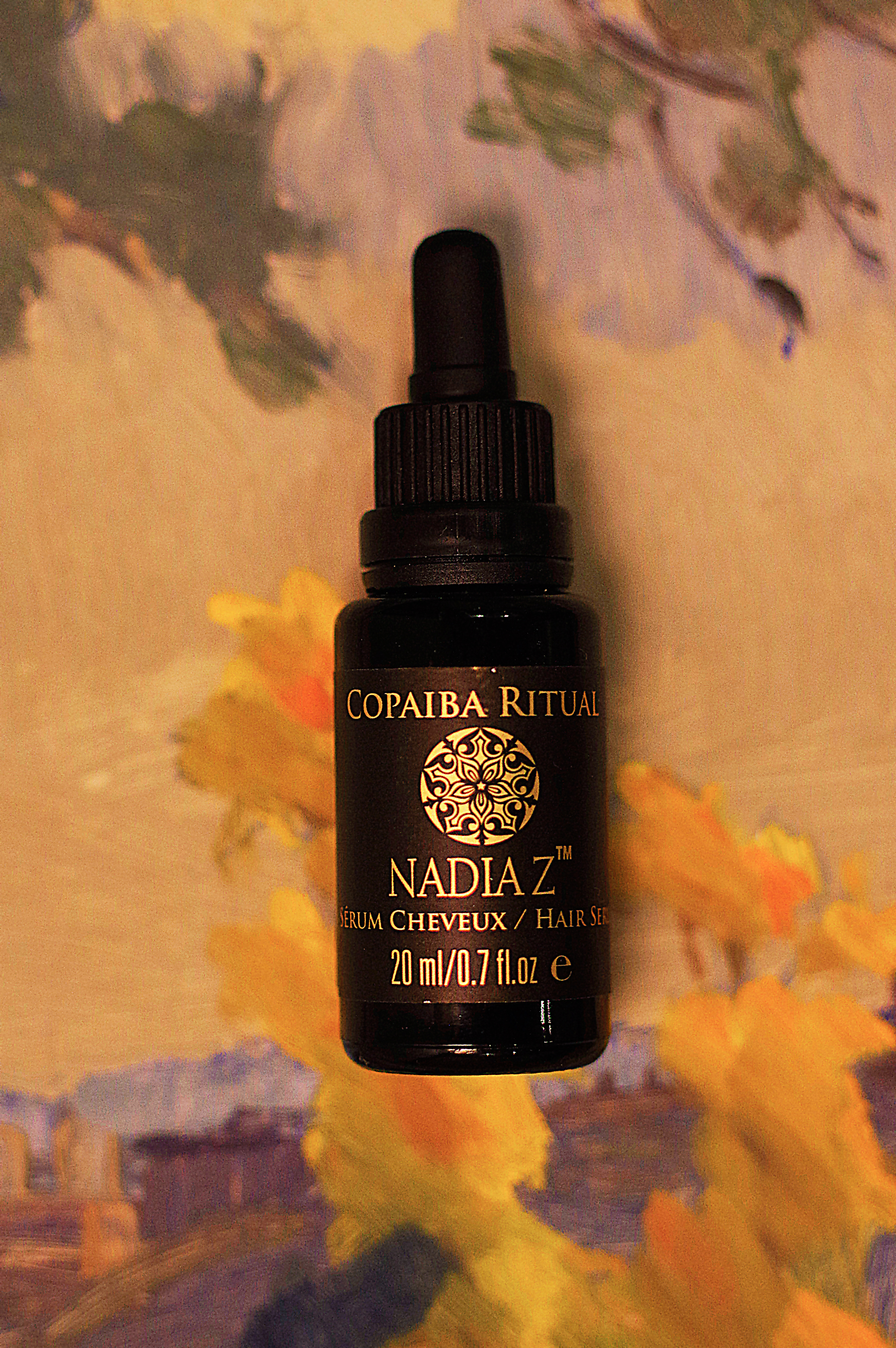
What are the particular benefits of the natural hair therapy elixir (Copaiba Ritual Hair Serum) and deodorant (Tucuma Cocoon Ultra-Soft Deo) we are testing? What is the expected treatment and who could benefit from using these products?

The Copaiba Ritual Hair Serum is designed to create a long lasting protective and natural film on the hair, particularly due to the active Copaiba Resin and thus prevents hair from splitting, improves shine and resistance of the hair fibers. Most hair products contain silicons, which simply sit at the surface and get washed off. Besides, silicons result in micro-pollutants in the environment. 

Tucuma Cocoon is the first deo that is totally safe to use, without aluminium salts or added aggressive chemicals. It is a new way to use deo, where one would carry it along and re-apply it, rather than expect 24h duration. Its formula was inspired by traditional rituals, such as henna application, as well as by my research on Amazonian plants.

All my products are for people who suffer from allergies, dry and sensitive skin and/or hair, or simply want healthy products. Unfortunately, there are very strong regulations in regards to cosmetics that prevent us to speak about their therapeutic and health benefits, or call it phytotherapy. Most of the plants I use have very special constituents unique to them. Besides, the manufacturing principles I apply and patient work (cold process, hand-made, concentrated products) ensure a superior quality. 

“My hopes may be idealistic, but we just need to get more people shift from petrochemical formulas to natural ones and that would be a good minimum step.”
How is the holistic approach represented when it comes to your range of personal care products, including perfumes?

Holistic can mean a lot of things. In the case of my brand, holisticness covers — ethical, ecological and health. It means that for each ingredient sourced, each product made and each manufacturing or business approach taken, those are integrated and held at the highest standard. This is why I have developed a model for social business (read more: http://nadiaz.ch/business-strategy-framework/), as well as the other links below the mission. In terms of health, it also means to pay attention to and take care of our number one organ, which is our skin, as well as the health of our respiratory system, which are all affected by cosmetics. This is why I make trustable products to be used all life long and do not compromise with fashionable features, such as doing scented cosmetics, or making not concentrated formulas that would mean using more harmful preservatives and texturers.

What's the best way for us customers to educate ourselves about the harmful ingredients found in beauty products and learn about the benefits of natural compounds?

As I can't list all, I think the most important is to read the ingredients of anything one buys. Then to follow the advice on very knowledgeable websites, books and eco-labels that all try to educate the public. Rita Stiens did a good book, although in French, and here is a reference website http://laveritesurlescosmetiques.com/

There is not one reference, but there are common points to many sites, books and labels. Unfortunately, when it comes to the label, there is not one reference, because some may put more accent on ethical trade, some more on ecology, others on health, whereas it is virtually impossible to have one covering it all, so people have to apply a critical judgement and learn to analyse basically their cosmetics ingredients rather than simply follow a label.  

However, what ingredients should we definitely avoid in our personal care products? 

Most importantly, people should keep away from petrochemical based products and highly scented cosmetics (VOC). Then they should favour products that are oil-based and do not need preservatives, such as water-based products. Avoid silicone formulas, nanomolecules, not only for the health but also because many of these products are micro-pollutants for the environment, which we do not really know how to treat (the current waste water treatment plants are facing growing difficulties in dealing with the complexity of micro-pollutants and their interactions in the environment). 

Nadia Zuodar’s tips for choosing cosmetics & skincare products:

1. Choose natural over petrochemical cosmetics

2. Prefer unrefined oils to keep the properties. Avoid hydrogenitaded oils — this is a process to make oils buttery, like the way you do margarine. Unfortunately, it requires a lot of processing, bleaching, refining and then more industrial pollution. They do that in order to give a heavier texture cheaply, rather than add plants butter that are naturally heavy.

3. Essential oils are good, but not for every day — they have precious components but also allergens. Prefer vegetable oils for everyday use. There are so many plants so far not yet well known or valorised, like the ones you find in my web: Ucuuba, Mafura, Ximenia. Diversity is important, in order not to over-use resources. So people may refrain to have one ‘miracle’ ingredient, that is how marketing is made, but the result is that you have a high demand, when in fashion, and a drop when a new fashion comes. Behind those plants are full communities that require years of patient work to grow or harvest them and when demand drops, it may result in trees destroyed and replaced. On the other hand, when demand is too high, it results in the trees getting wiped out, such as Mysore sandalwood or Argan. So, like for food, people should valorise healthy diet with diversified food, the same with the plants in their cosmetics. 

4. The more simple a cosmetic formula, the more effective it is. There is no reason to put 100 ingredients in cosmetics (I put more into my perfumes, but that is different in application). You want to have a good concentration of your plants, not a symbolic value for marketing. And to avoid all additions that are there for texture, hiding scents, colouring or the like. So, when you can read and see that the ingredients are simple and botanical, it is best.

5. Adapt your expectations, feel your cosmetics for a long period of time. A good cosmetic is the one that will embellish and make your skin feel more comfortable day after day and the longer time you use it. Avoid comparing products based on one application, some products may seem magical at first, but have no long-term effect and quite the opposite — only superficial effect. So give at least 2 weeks for your plant cosmetic to perform. 

6. Not all botanicals are the same. Some oils are cheaper than others. Cosmetics made with sunflower oil, rice oil, coconut oil are good, but don't put them in the same basket with the ones using more valuable indigenous plants. Few products use those oils, because it make the formulation more expensive and because it is difficult to supply. If you take pomegranate oil, have a look at the tiny seed and imagine how much harder it is to get oil from this extraordinary fruit, rather than from coco. Remember that not all natural oils have the same value.

Shop here:

http://nadiaz.ch


Alternatives To Leather: Live Beautifully with Matt & Nat

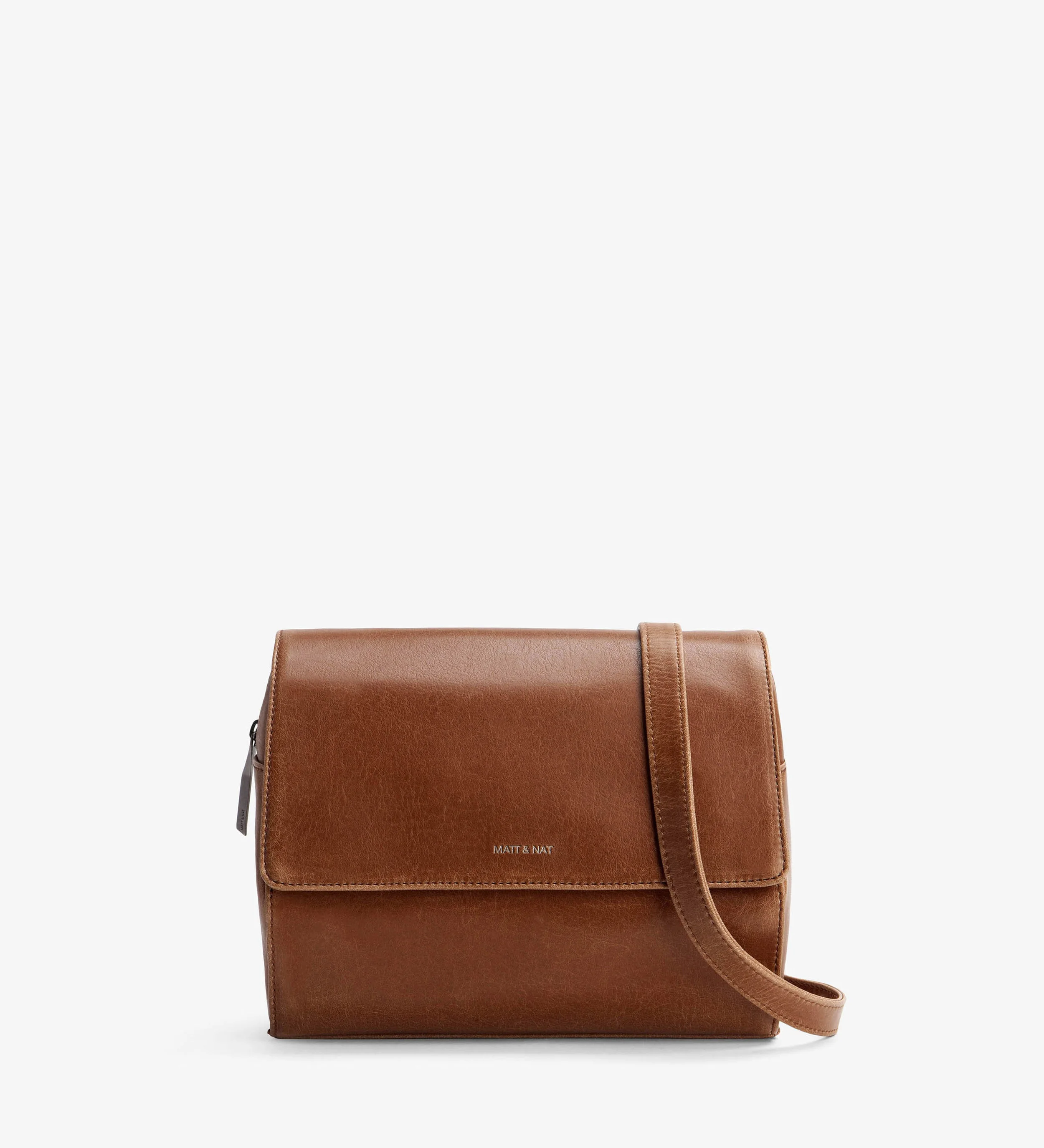
Standing for MAT(T)ERIAL and NATURE and the synergy between the two, Matt & Nat from Montreal offers vegan alternatives to everyday leather essentials, assembled in the form of chic everyday handbags and true city dweller shoes. With their motto being 'live beautifully', Matt & Nat encourages to appreciate integrity, authenticity and inclusiveness among other core values coining the brand's DNA. Matt & Nat advocates the use of alternatives to animal-based materials, such as PVC, and have incorporated using recycled plastic bottles from 2007. Geared forward by ideologies of innovation and renewal, Matt & Nat proves you can even be socially responsible whilst wearing your favourite leather finery...

Manny Kohli, CEO of Matt & Nat, answers all our curious questions. 

MATT & NAT SS17.

MATT & NAT SS17.

What alternatives to leather does your brand offer? How long is their lifespan?

All of our vegan leather bags are made out of PVC and PU. We’re constantly trying to source the best materials on the market to ensure a long lifespan. As with any other products, the lifespan of our bags depends on the consumer’s habits. It’s quite hard to put an exact number of this. It will vary greatly between a person who throws their bag on the floor versus another who keeps it in perfect condition. We also offer handbags in canvas material and cork material.

What are the latest advances you have incorporated into production of Matt and Nat vegan leather accessories?

We’re constantly exploring ways to be more sustainable and eco-friendly. We try to incorporate environmentally responsible materials whenever we get the chance. We have committed to using linings solely composed of recycled water bottles since 2007 and we’ve recycled over three billion water bottles producing our bags.

"We have committed to using linings solely composed of recycled water bottles since 2007 and we’ve recycled over three billion water bottles producing our bags."

MATT & NAT SS17.

MATT & NAT SS17.

MATT & NAT SS17.

MATT & NAT SS17.

What are the benefits of vegan leather products and why should they be considered to replace leather entirely?

We’re a vegan company and are very proud that no animals were hurt in the production of our bags. We chose to produce vegan bags with recycled materials to show the world that you don’t have to kill animals to produce beautiful accessories. I think consumers are becoming more socially responsible and aware of how harmful the production of leather is and we’re seeing a huge shift and demand in the vegan market.

https://mattandnat.com

Tuul Care: Natural Grooming for Men

Cosmetics for men? And all natural? It’s a combination you definitely don’t come across too often. You might even think along the lines of ’I’m a man and I don’t need face cream!’ — well, the men’s grooming brand Tuul from Estonia will change your mind. Tuul is dedicated to taking good care of men’s skin and beards with their range of natural pampering products. The founders duo, Kädi and Kaarel, shared their story with us. 

Words: Johanna Raudsepp

Kädi and Kaarel, founders of Tuul. / Photo by Tõnu Tunnel. 

Kädi and Kaarel, founders of Tuul. / Photo by Tõnu Tunnel. 

I hope you’re still not tired of this question, but what’s the origin story of Tuul?

We say Tuul (‘wind’ in Estonian) grew out of a personal necessity, but if we delve a bit deeper,  then I [Kädi] was pregnant with our little daughter. When you’re expecting, you’re much more sensitive to all kinds of scents. Kaarel had just bought a well-known brand’s perfume, and when he had sprinkled it on in the bathroom, I actually felt nauseous [inhaling the scent], and asked him why won’t he make his own perfume without any added chemicals. He was taken aback by my snappy comment, but the next morning I woke up next to a man with dark circles under his eyes. Turns out he hadn’t slept one bit, and had figured it all out — to start a grooming brand for men.

You are a brand dedicated to men’s skincare. Which essential skincare products should every man have?

Actually, we are not only focused on skincare, but also keeping one’s hair and beard in good and healthy shape. There are products every man needs, like shampoo and deodorant (coming soon), and then there are products that make you feel good and pampered, like beard oils. Every man deserves to be spoiled from time to time. 

"He was taken aback by my snappy comment, but the next morning I woke up next to a man with dark circles under his eyes. Turns out he hadn't slept one bit, and had figured it all out - to start a grooming brand for men."

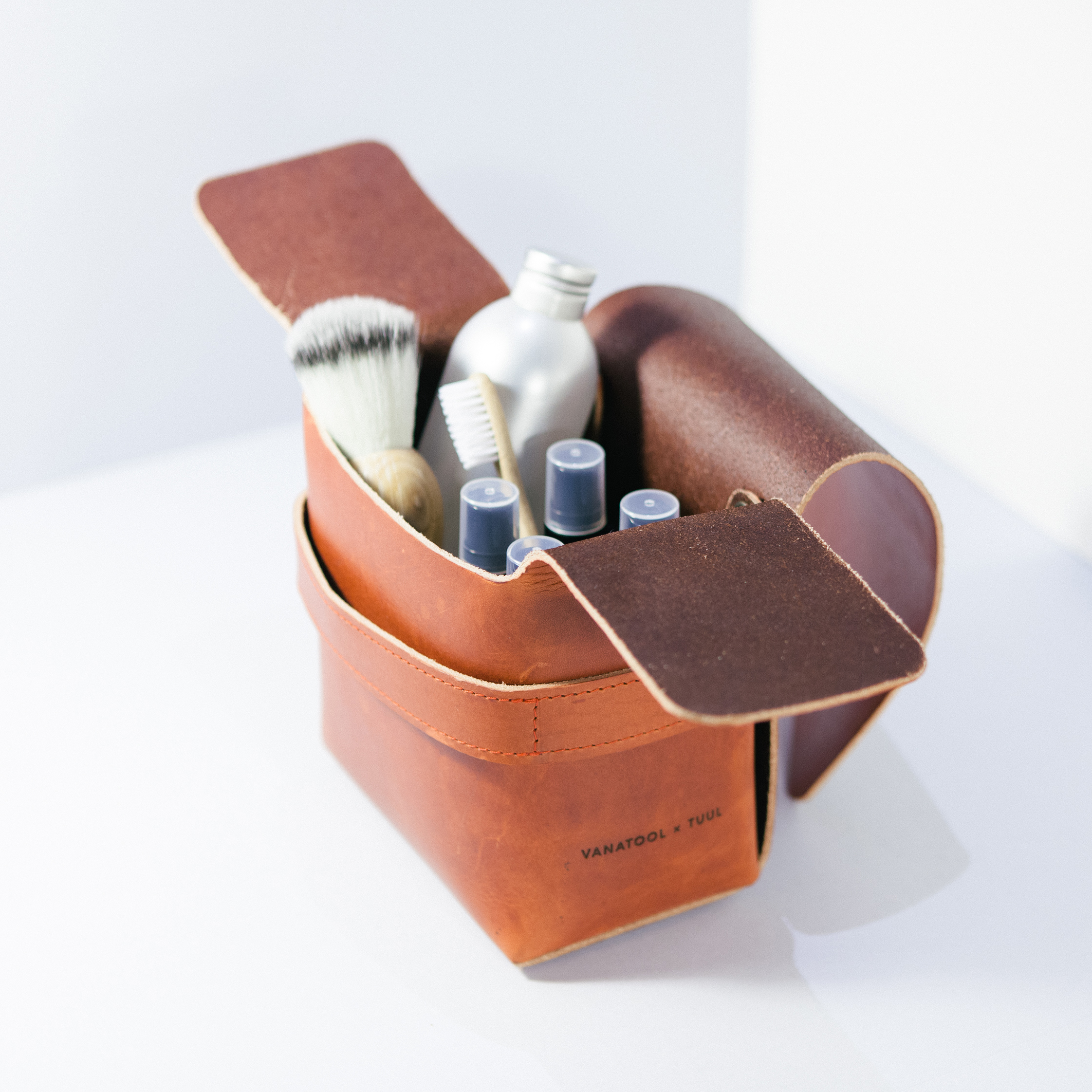
Tuul men's grooming range, 2017. 

Tuul men's grooming range, 2017. 

Who is Tuul?

Tuul is someone who cares.

Developing a new brand is surely not easy. What has been your favourite adventure along way? 

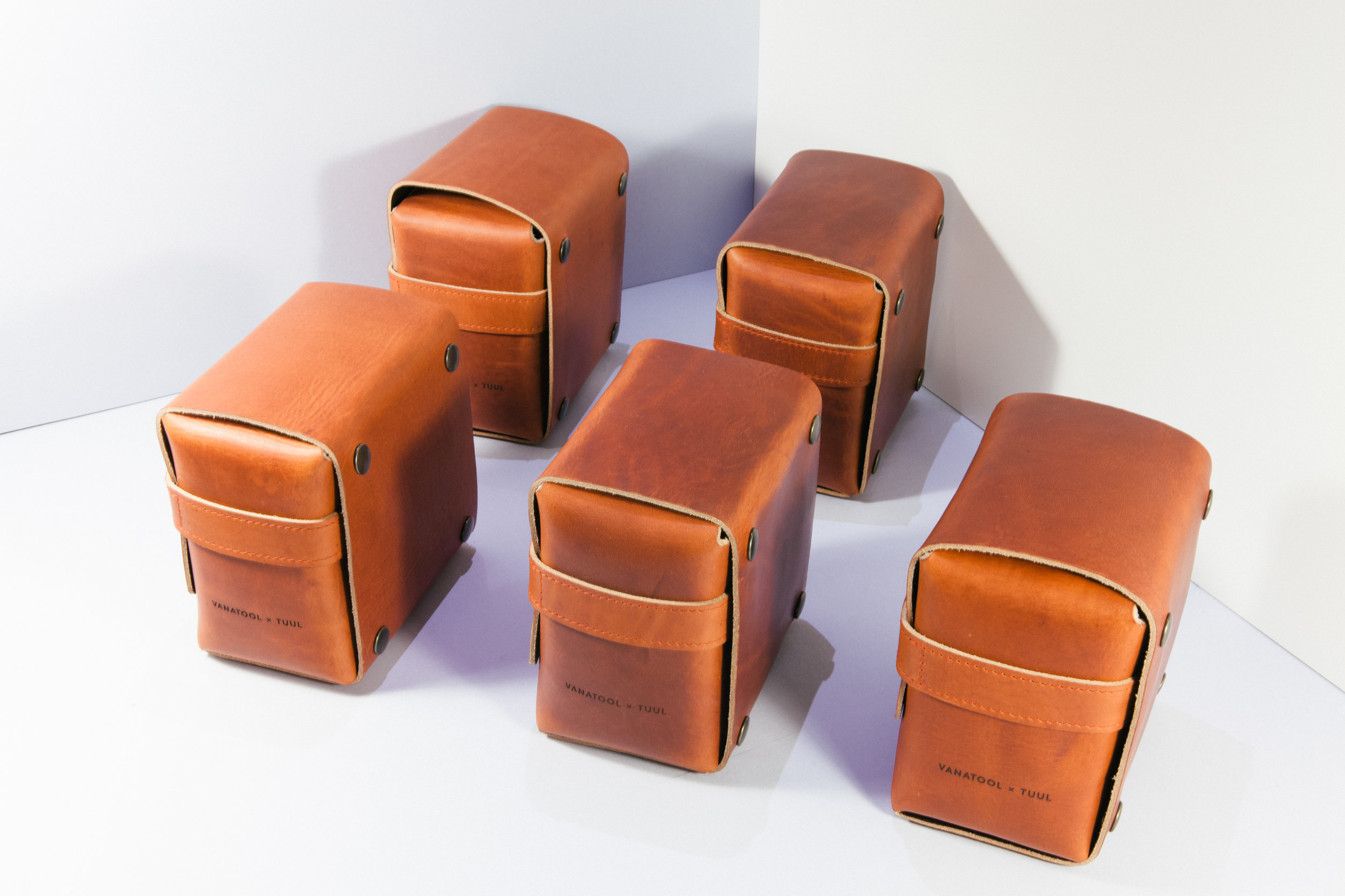
Our favourite days must be the days when we are in direct contact with our customers — meeting people, receiving their feedback, finding out what their needs are. The research and development process is also very exciting with each product — finding out what the best ingredients are, how should the result smell, feel and look. We’re always excited for collaborations as well — like the travel pouch we did together with a local leather manufacturer, Vanatool. 

"Every man deserves to be spoiled from time to time." 

At Savant, we pay close attention to making environmentally conscious choices when it comes to the products we use. How is Tuul sustainable in its day-to-day life?

We’re all in for organic choices. The ingredients of our upcoming products will include biologically certified herbal extracts, and the scents will be as local as possible. The nature from our region has a lot to offer — birch, juniper, peppermint are only a few examples. We prefer glass, aluminium, and paper when it comes to packaging, whereas all are recyclable materials. 

What’s in store for Tuul Care fans in 2017?

By the end of the year, we hope to have reached the next level. The plans for 2018 are even greater. We like to think big! 

You can find Tuul at https://tuul.care/

THOREAU London: A Versatile Eco Label Striving for Collective Conscience

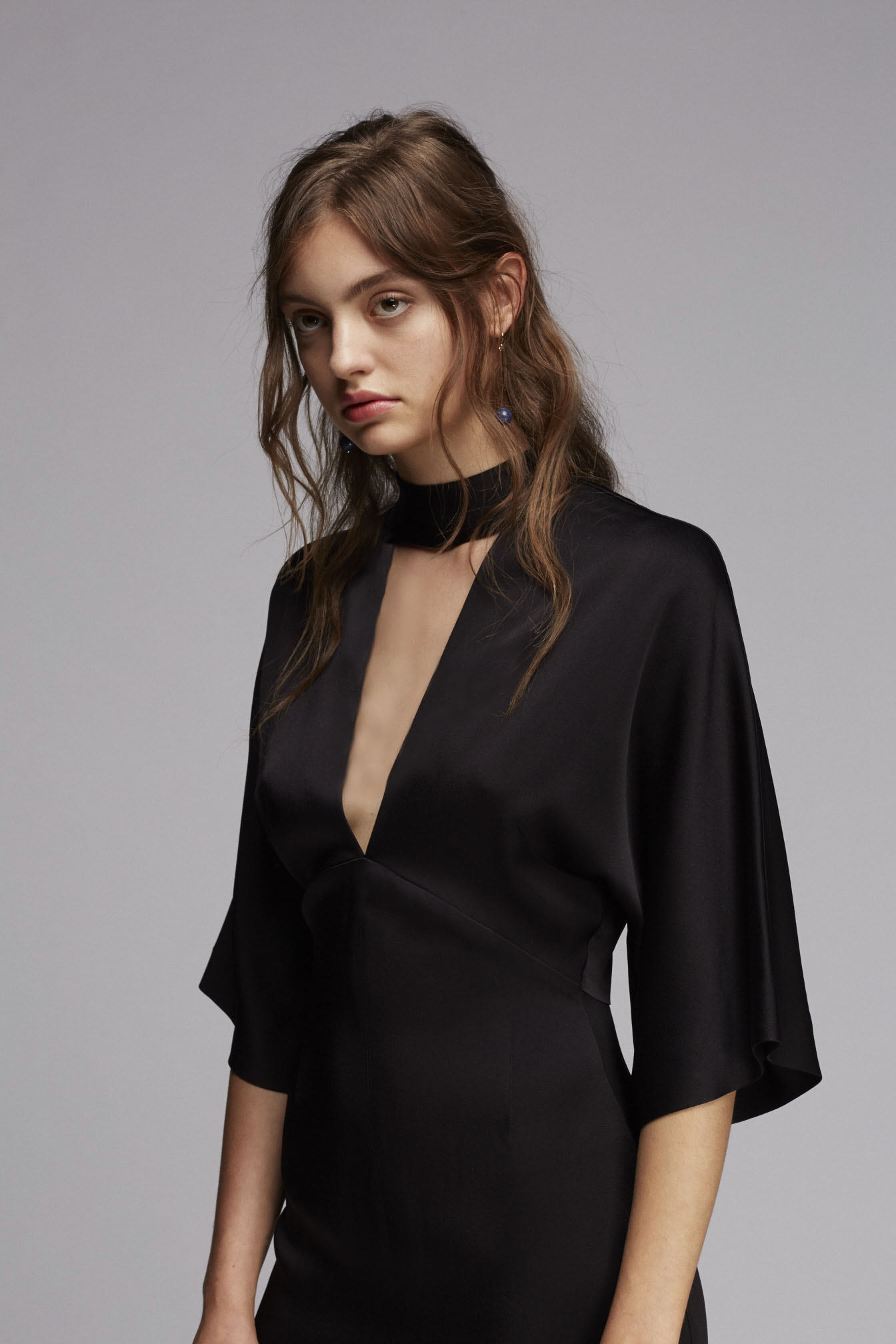
Established only in 2016, Thoreau is a London-based ethical label offering versatile smart wear pieces that never go out of style. Operating on the principle of ‘personal style/collective conscience’, Thoreau believes that each garment carries a meaningful story even before reaching the wearer. In addition to manufacturing responsibly in the UK, we love Thoreau for boycotting ‘the buy it, wear it, bin it’ cycle of fast fashion, and for their stunningly chic cocktail dresses, equally suitable for a late-night soirée in the city, or as a more elegant take on everyday office wear… 

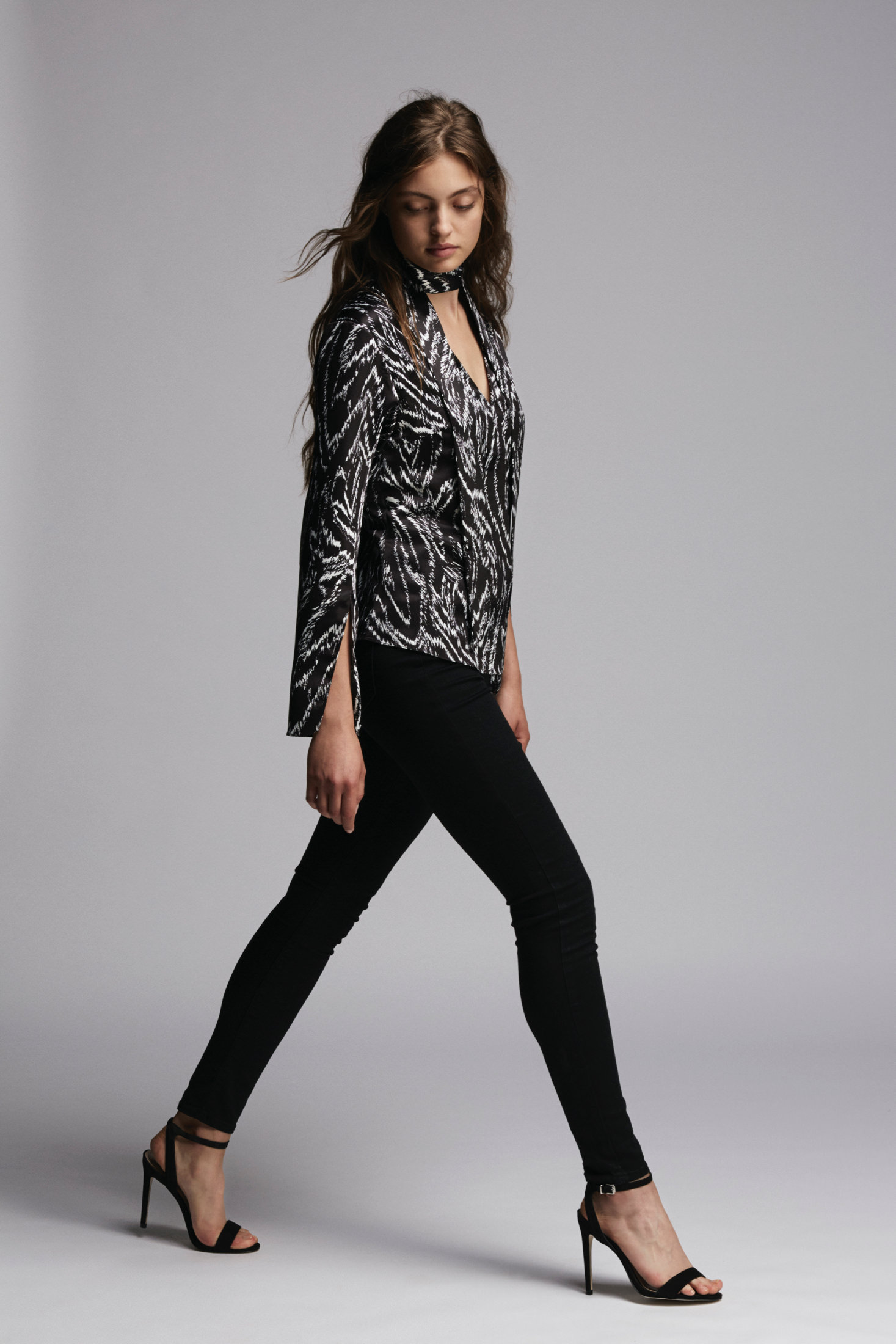
THOREAU London, 2017. 

THOREAU London, 2017. 

What are your brand's key sustainability principles?

My business partner and I are vegan, so the environment and animal rights were the first non-negotiable principles for us. Second, ensuring that our garments are made by people who are treated and paid fairly was also a very high priority. Both of these principles drove our early decisions regarding reclaimed and sustainable materials and manufacturing in the UK to support local industry. 

What informed the creation of Thoreau?

Our core motto that we always come back to is "personal style/collective conscience". We believe that you don't have to sacrifice style in order to be a responsible citizen. I wanted to create modern, versatile and affordable pieces for women who love fashion, care about quality and also want the garment to have as minimal impact on the planet as possible. 

What dictated the creative direction you have chosen to go forward with? 

I have always loved the 1960's/70's fashion and am drawn to this look, but longevity and versatility were the driving factors behind the garments. I wanted to imagine the pieces in my wardrobe in five or ten years, and have the garments move through seasons and looks beautifully.

"It’s hard to ignore the fact that your garment has had a whole life before you even take it home... Who made it? Were they paid fairly? Are the dyes toxic?"

THOREAU London, 2017. 

THOREAU London, 2017. 

THOREAU London, 2017. 

THOREAU London, 2017. 

How can we all make more mindful decisions regarding the garments we choose to buy? How important is quality versus quantity for you personally?

We think it is important that people are aware of the solutions as well as the problems. Otherwise helplessness and fear take over and nothing gets solved. Educating people about the things they consume and their impact on the planet is something we feel strongly about and are keen to promote as we grow. It's important to seek out brands that actively support and promote both social and environmentally responsible practices. If the price seems like a bargain, it's probably because the people who made the garment were paid almost nothing. Rather than buying 5 extremely cheap tops that you throw away soon after, seek out one good quality top that is made of sustainable materials by people paid fairly...and you'll realise it lasts for years!

"We believe that you don't have to sacrifice style in order to be a responsible citizen." 

How do you aim to compete with the cult of fast fashion as a fairly new ethical brand?

It's definitely a challenge! We see fast fashion as a quick fix, going out and just buying without thinking about, if you really love it and what it's history is. It’s hard to ignore the fact that your garment has had a whole life before you even take it home... Who made it? Were they paid fairly? Are the dyes toxic? We hope this conversation grows along with our brand. 

 What's the 1 must-have item from your latest collection?

The Javan Dress! I have always found it difficult to find eco-friendly cocktail dresses. I wanted to create something that would be perfect for parties and prove that eco doesn't have to be boring!

Shop here:

https://www.thoreauthelabel.com

miDeer Felt Accessories: Timeless x Nordic x Unisex

What do industrial felt and fashion have in common? A beautiful harmony of effortless and durable design, as honoured by miDeer. Estonian slow fashion brand miDeer creates Nordic-style bags and accessories for every occasion. Their sleek designs are loved by men and women alike, serving as a seasonless and functional must-have for any urban fashion-lover. What’s it like in the world of miDeer?, we asked.  

Words: Johanna Raudsepp

miDeer Felt Accessories, 2017. / Photo: Jake Farra.

miDeer Felt Accessories, 2017. / Photo: Jake Farra.

How did the journey of miDeer begin?

miDeer stems from our goal to pay homage to Scandinavian simplicity and elegance. We make modern Nordic accessories, interior design elements and have also introduced a line for children. What first started as a hobby of designing meaningful items for personal use, quickly grew into an independent brand — a brand living its own rhythm and life. The whole process has been thrilling for us — a real dream come true! We were thrilled by the idea of curating our own designer label and sparking conversation through what we do. Aesthetics-wise, we’ve always been enchanted by the power of simplicity. The pure lines, clear contours… that’s why minimalism and functionality go hand-in-hand throughout our miDeer line. 

Photo: Jake Farra.

Photo: Jake Farra.

The term ‘sustainable’ in design can be confusing. What’s your take on sustainable design?

For us at miDeer, practical, timeless, and slow fashion is super important. With this attitude and the aesthetics, we try to promote buying less, but good quality items that will last you ages. Our minimalist style enables our customer to mix and match with a variety of other styles as well. 

How have you incorporated environmentally conscious principles into your work?

All miDeer products are hand-made in Estonia. It isn’t and will never be a mass-produced brand. We value collaborating with local artisans in our design process and embrace the tiny quirks of each single item. Secondly, we always pay attention to where our materials come from. Right now, we use excess pieces from a felt factory. This way we can reduce the amount of industrial material that ends up in the environment — by giving new life to the discarded leftovers. What makes our production unique is that we do not mass produce, but make just enough, so that we get to further reuse the materials by creating fashionable accessories. If we think about the future, then the miDeer’s shopping bags, in particular, can effectively replace plastic equivalents in a stylish manner. 

How did you come up with such interesting name, miDeer? 

We wanted to create something Nordic and minimalist, inspired by the Northern cold climate and the power of nature. To be honest, the logo came before the name. The deer’s horns are majestic, yet strong and powerful — perfect depiction of a unisex Nordic brand. Our name quite directly comes from ‘deer’. It’s something precious and unobtainable in nature, but you can grasp an equivalent feel via our products. 

Unisex looks, felt and paper meet in your design. How did you decide to go down the route of such eclectic mix?

The main source of inspiration for the brand is felt, which already speaks to both men and women. A unisex-look wasn’t our goal on it’s own, it just accidentally turned out that way — our first [laptop] bag appealed to both [men and women alike], and then it clicked for us. Nowadays minimalism and unisex design are often seen side by side. The soft texture, yet stiff form of industrial felt make our products durable and help keep their shape. We felt that unisex was written in between the lines, as felt has both feminine and masculine qualities. We like to think that miDeer wearers are free-spirited, brave, fashion-forward people, regardless their age or gender.  

"We value collaborating with local artisans in our design process and embrace the tiny quirks of each single item." 

Photo: Jake Farra.

Photo: Jake Farra.

 What can we look forward to in 2017?

This year we will definitely focus more on fashion and accessories. miDeer will be creating new designs for people who lead an active lifestyle, yet value comfort. So there are great things coming up for the active urban dweller. 

Despite being a small company, we want to become a player on the international arena. Clients in Berlin, London and Vilnius have shown keen interest, and we cannot wait to make our products more accessible all over Europe. We have a few exciting surprises in store, so stay in tuned and keep an eye on our website!

Shop here:

http://mideer.eu

From Josef Frank to Travels with Chufy: Your Culture Guide To February

Go - Do Ho Suh: Passage/s | Victoria Miro Gallery. The exhibition will feature new fabric sculptures conceived especially for the gallery, including a walk-through configuration of Hubs, and a range of work on paper. The exhibition will be the first presentation of Suh's work in London since Staircase-III was displayed as part of Tate Modern's Collection Displays in 2011. 

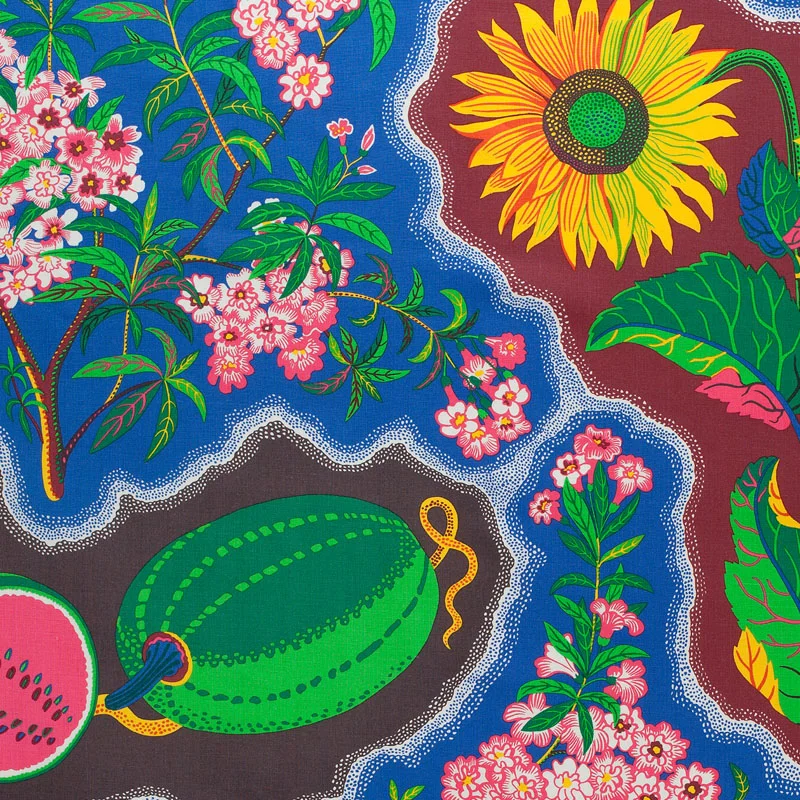
See - The Fashion & Textile Museum, Josef Frank Patterns, Furniture, Painting. In the first ever UK exhibition, explore the work of artist and designer Josef Frank. Don't miss the chance to see Frank's stunning designs and colourful brand of modernism. 28th January - 7th May 2017. 

Eat - Aquavit, St. James's Market. The critically acclaimed and 2 Michelin starred New York restaurant has arrived in London. Aquavit London is a fresh concept that combines signature dishes with sophisticated design, all in contemporary Nordic style. In our opinion, this stunning restaurant would be the perfect place to celebrate Valentine's Day. 

Visit - Condo 2017. Condo is back again this year with a collaborative exhibition by 36 galleries across 15 London spaces. From 14th January - 11th February 2017. (http://www.condocomplex.org

Read - Travels with Chufy, Sofïa Sanchez de Betak | Assouline. Travel and style influencer Sofía Sanchez de Betak invites readers on a journey to off-the-radar hideaways and secluded retreats where those in the know seek unforgettable experiences. From the savannahs of Kenya to the glacial bays of Iceland to the soaring mountains of Patagonia, Betak shares her favorites: settings where wildlife and adventure abound, the lines between a hotel and its surroundings are blurred, and visitors are welcomed like old friends. 

#WeAreTesting: True Organic of Sweden

‘All You Need Is Me’ — this high-performance product by True Organic of Sweden is a natural ointment made of certified organic ingredients without any added extras — parabens, sulfates, alcohol, or other synthetic chemicals. This 100% natural tube made of sugarcane is here to help treat sunburn, eczema, cuts, dry hair ends from rain or snow, tired muscles, and gives a fine finish for lips. 

You may apply it on your elbows, knees, face, tip of your nose and even hair, so instead of numerous products causing unnecessary waste, the benefits of healing organic compounds have been gathered into one that’s multi-effective. We especially loved the repairing effect of this miraculous potion, which showed immediate results when used on lips and even the more delicate facial skin, leaving it soft and smooth after use.

This multi-effective product comes especially handy in winter to fight skin dryness and eczema. We are extremely pleased to have discovered this natural product from True Organic of Sweden’s holistic skincare range for winter, and it will stick with us on our beauty counters for quite some time. 

“It is odourless and colourless, so at first glance I didn’t know what to expect, but it’s incredibly effective. It’s one of those does-what-it-says-it-does type of products, and I like such honest, transparent approach by beauty brands. It heals your skin and moisturises it for the entire day ahead. It doesn’t leave skin annoyingly greasy or oily, but quite the opposite — it absorbs quickly and leaves a soft finish. What’s even better — you can use it on your lips, too, so you won’t have to carry (or constantly look for a missing) lip balm with you 24/7. The pocket-sized version is particularly great when you’re on the go.” 

— Reviewed by Johanna Raudsepp, Editor’s Assistant

Sometimes simplicity in texture combined with natural ingredients in their purest form, without extra additives and chemical compounds, in one tube is all you need. If you, too, are looking for your next green beauty all-in-one, this product is not to be missed. It’s simple, all you need is me!

Shop here:

https://trueorganicofsweden.com

Alternatives To Leather: ‘Vegan’ Footwear by Bourgeois Boheme

You eat your greens and frequent local vegan cafes, you practise yoga, you religiously study the heaps and heaps of gifted slow living books lying on your kitchen counter as if aligned in a military order, but as a crucial part of ethical living, have you ever thought of giving up wearing leather entirely? That is no news leather is a by-product of the food industry, and treated with toxic chemicals to pass it on to the fashion industry, which can carry several health risks to the producer, the wearer and the environment. If that's not a fair enough reason to reconsider your next haul to the leather goods hall, we do not know what is. 

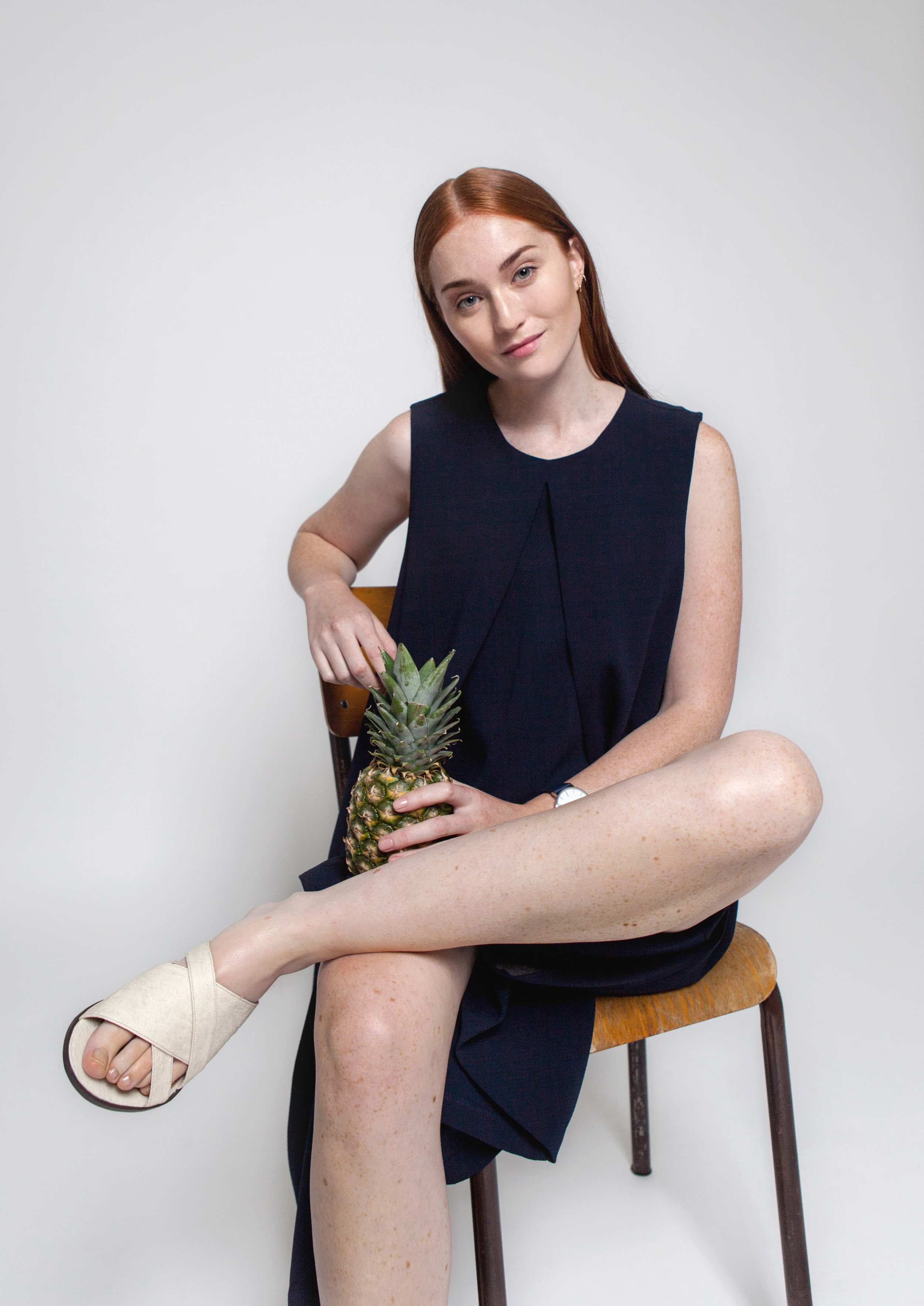
Luckily, brands, such as London-based Bourgeois Boheme, have made boycotting the widespread use of unethical leather goods a degree easier, by offering trendy footwear in various vegan, non-leather alternatives, such as plant-based polymers and Piñatex, the latest invention made of pineapple leaf fibre. We promise, when going entirely 'vegan' in footwear choices, you really do not have to compromise the looks, whereas reasoning ethical choices to your peers has become a tad self-explanatory. I had a chat with Sophie Yiannouris from Bourgeois Boheme to find out why the ‘vegan’ shoe trend is still celebrating its peak success, constantly looking to evolve and adapt to new ways of improving its own cherished DNA. 

Words: Hanna-Amanda Pant

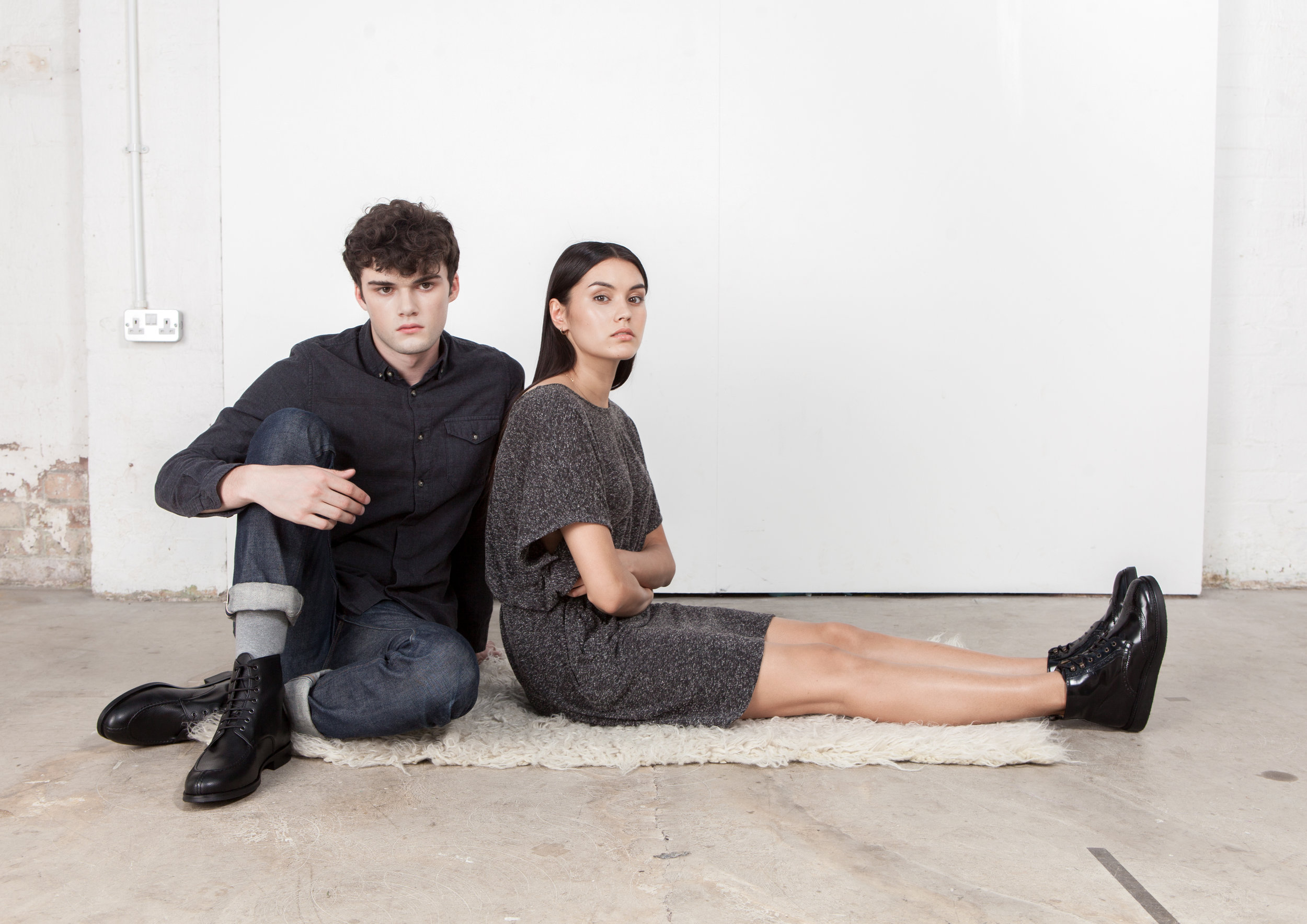
Bourgeois Boheme AW16: Shaun Black & Petra Black.

Bourgeois Boheme AW16: Shaun Black & Petra Black.

What are the 'vegan' alternatives to leather you offer at Bourgeois Boheme? Where do the materials come from?

Style, quality, durability and eco-friendliness are equally important factors in the making of a BB shoe. Therefore, we continuously seek out for new material innovations to ensure we stay on top of the environmental game. Whereas the leather-imitation shoes you find on the high street are often made with PVC (a plastic which contains chloride and isn’t biodegradable), we use a high-quality, Italian-made cotton-backed microfibre PU (polyurethane) called Mycro©. The Mycro© is a state-of-the-art microfiber with a structure very similar to that of natural leather and suede. Its softness, lightness, breathability, water and stain resistance provide high performance, comfort and very credible leather-looking shoes! We use this for our uppers.

Another ground-breaking material we started using for our AW16 collection and will continue is Bio-polyoils. These are plant-based polymers derived from natural renewable sources — grains and seeds derived from food-free cereal crops rather than petrochemical origin. At manufacturing stage, these cutting-edge fibres keep CO2 emissions at zero level. This material is breathable and absorbable and perfect to use for the linings of all our shoes.

Bourgeois Boheme SS17: Keith Black Pinatex & Noel Black Pinatex.

Bourgeois Boheme SS17: Keith Black Pinatex & Noel Black Pinatex.

For SS17 launching in May, we are thrilled to introduce a range of styles made with the exciting new vegan leather alternative Piñatex™ - a natural and sustainable non-woven textile made from pineapple leaves fibres. These fibres are the by-product of the pineapple harvest and therefore no extra land, water, fertilisers or pesticides are required to produce the material. Piñatex™ resembles a textured leather and is soft but strong, light and breathable. 

Bourgeois Boheme SS17: Kim Cork.

Bourgeois Boheme SS17: Kim Cork.

Being introduced in our SS17 Collection as well, will be the Cork material. Sourced locally from cork trees in Portugal, our new cork material is a plant based renewable, breathable and natural resource, which is perfect for dressing our new unisex sneakers and the insoles of our shoes. 

Why should we consider giving up leather goods and look for alternatives to take over our shoe and accessories collections?

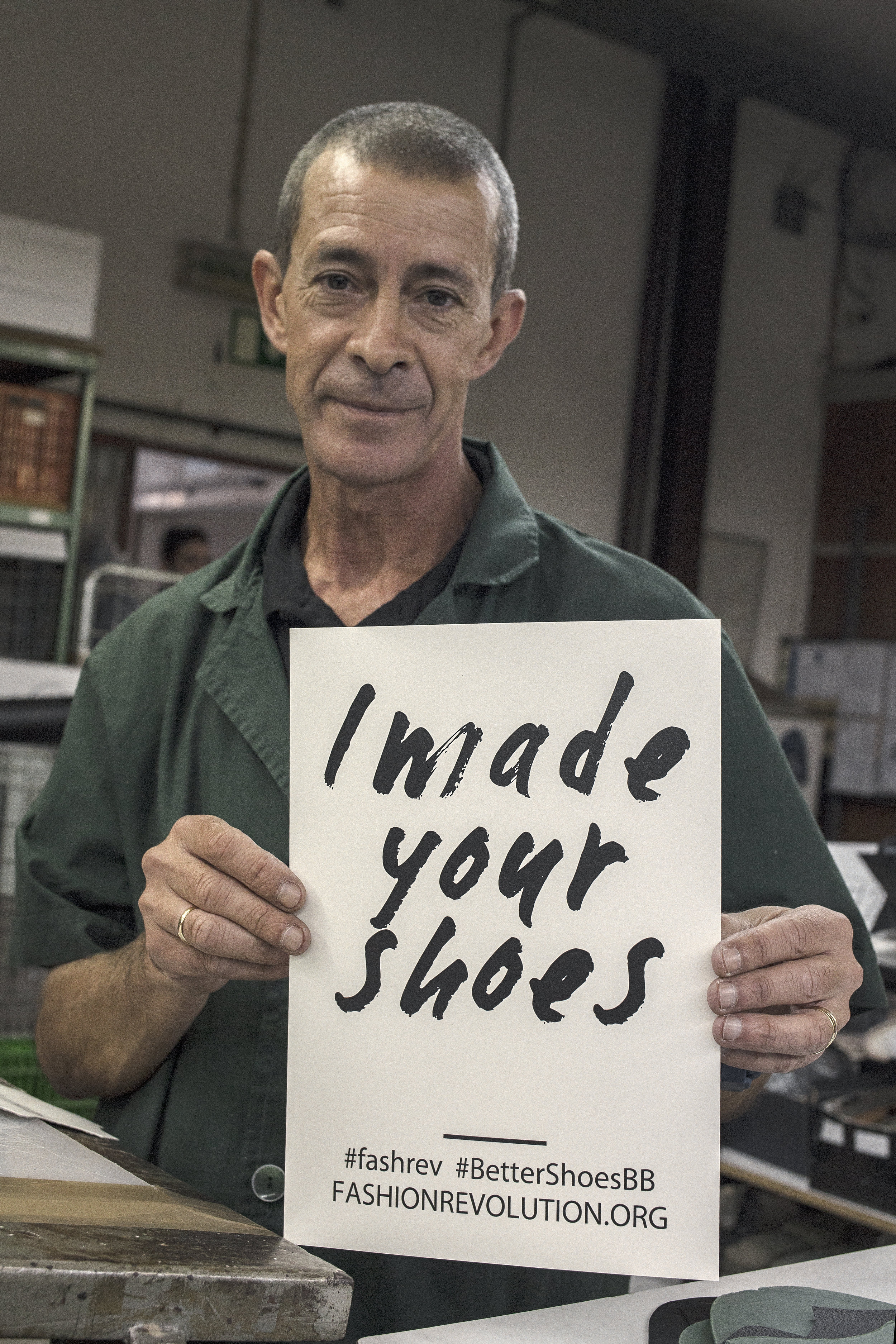
Bourgeois Boheme: Making of.
Bourgeois Boheme: Making of.

"Piñatex™ resembles a textured leather and is soft but strong, light and breathable." 

We believe in order to give up leather you need to know the environmental and cruel impact it has. People often ask us why leather, as a natural material, is not a better choice than the synthetic vegan alternatives we use. We say that the leather used for fashion, unfortunately, is not very natural at all (and far from always a by-product from the food industry). Toxic chemicals such as zinc, lead, dyes, cyanide and formaldehyde are used to treat it, which makes it decompose very slowly, producing a greater quantity of refuse which has an obvious negative environmental impact. In addition, tanneries consume a lot of energy and are very polluting; and the carcinogenic chemicals used negatively affect the health of workers, too. We believe that alternative, innovative and environmentally friendly materials are the future and better than the toxic leathers and PVC’s frequently used to date. All the alternative materials are strong, breathable, durable and water-proof, which is another reason we think these could be a better choice to leather.

What are the nuances that matter in the production of an ethical shoe?

As much as we believe that animals should not be exploited for our fashion needs, we also believe that a good vegan and ethical shoe should be ethically produced for the general wellbeing of the planet, and to ensure the wellbeing of our talented shoemakers that handmake our shoes. 

"At manufacturing stage, these cutting-edge fibres keep CO2 emissions at zero level."

Our skilled Portuguese artisans craft each pair by hand using traditional techniques. First, the upper sections of the shoe are cut and stitched together and any linings and other design details added. The upper is then moulded into the shape of the shoe using a specially made last, creating a distinctive shoe shape for the first time. Next, the insole goes on and the upper is stitched and/or glued to the sole using non animal-based glue. The finished shoe is polished, checked and placed in our beautiful branded box, ready for the journey to London and beyond. 

Visiting our factories personally is important to us and founder Alicia has handpicked the three ethical factories we work with herself. We meet the teams of artisan craftsmen and women who are responsible for making our shoes to ensure high standard production and working conditions.

You mentioned Pinatex as a part of your new footwear collection. What are the benefits of this new material and why should we consider wearing it?

Bourgeois Boheme SS17: Victoria White Pinatex.

Bourgeois Boheme SS17: Victoria White Pinatex.

The Pinatex material is a new innovative material discovered by the company Ananas Anam. With the help of skilled Philipino workers, they extract the fibres from the pineapple leaf plantations. This process supports Phillipino communities to grow their businesses. These fibres are the by-product of the pineapple harvest and therefore no extra land, water, fertilisers or pesticides are required to produce the material.


Bourgeois Boheme SS17: Victoria Natural Pinatex.

Bourgeois Boheme SS17: Victoria Natural Pinatex.

Then they are transported to a factory in Spain to transform into the strong, breathable and water-resistant material that we are using for our limited-edition collection launching in May 2017. It a unique and great alternative material to leather, which has not been used a lot so far. During the launch of our Pinatex collection we will be hosting a week-long pop-up shop in London to promote this amazing alternative material and also promote sustainable fashion for men and women in all its glory.

Shop now:

http://www.bboheme.com

KHIS Design Baths: A More Natural, Luxury Bathing Experience

Sometimes a fleeting moment of relaxation is all we need. What better way to unwind than losing the sense of time whilst soaking in an indulging hot bath? Bathing is an ancient sensory ritual – a simple way to slow down and take a break from the daily hustle. In Estonia, KHIS Design bathtubs are here to transform your bathing experience in a natural way. Their custom-made wood baths are a unique staple - a subtle statement piece to complement your cosy indoors solutions. We sat down with Frants Seer, the founder of KHIS Design Baths, and touched upon slow living from a slightly different perspective.

Words: Johanna Raudsepp

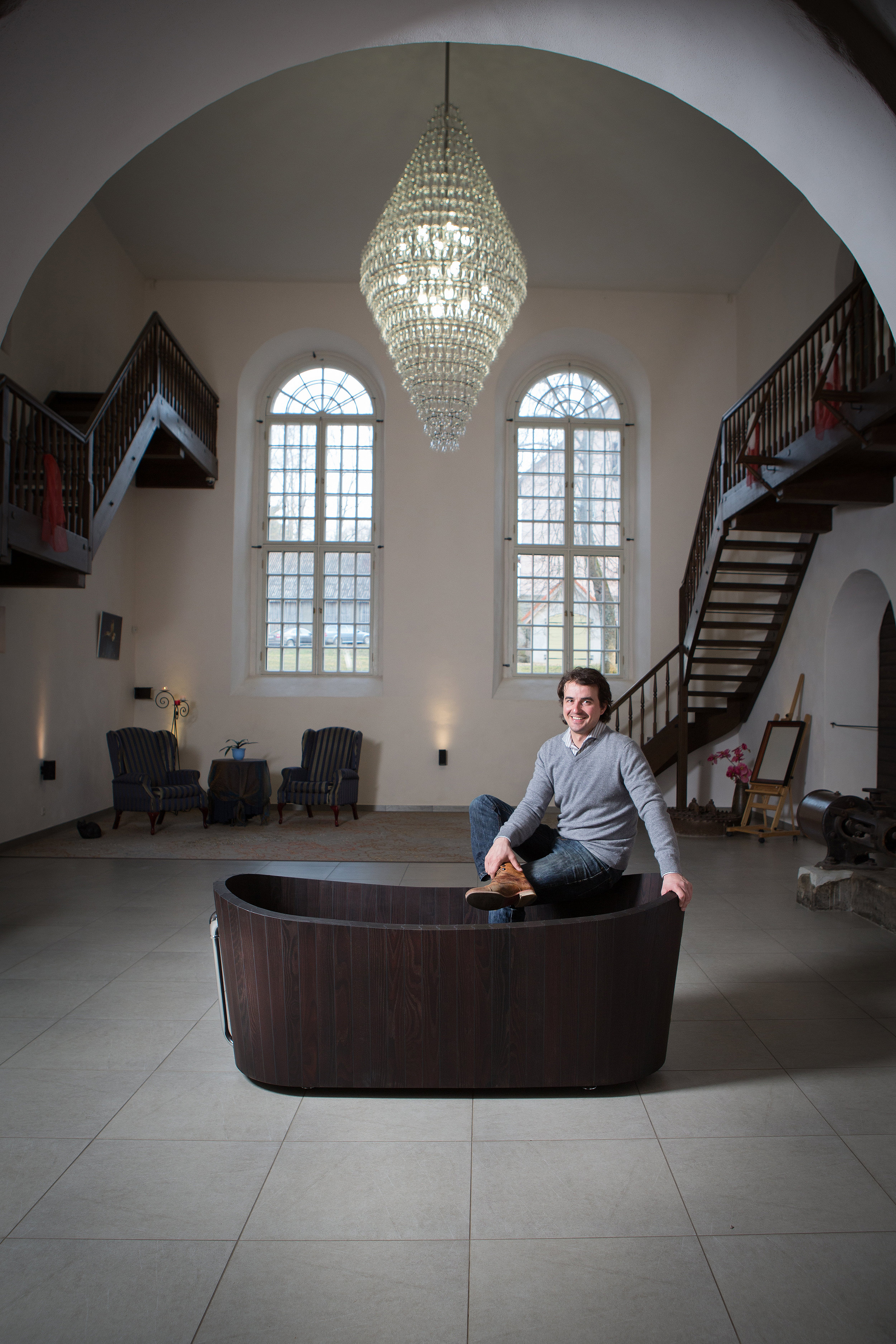
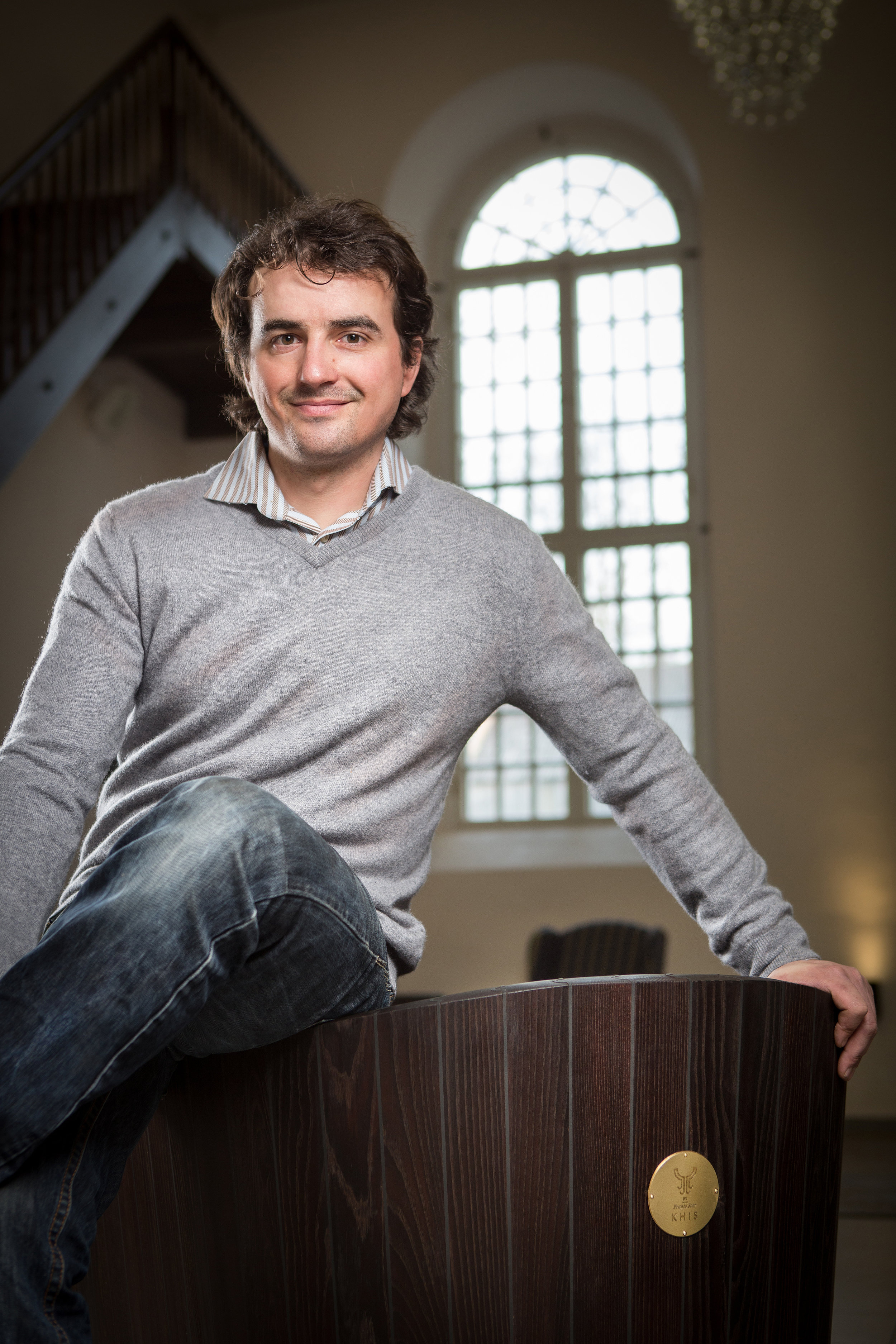
Frants Seer, founder of KHIS, 2017. 

Frants Seer, founder of KHIS, 2017. 

How did the journey of KHIS begin? Did you background direct you in any way?

One’s scholarly background is often boring. I always like to say that I have learned mountain-skiing, which is a great passion of mine. KHIS actually stems from my personal interest in woodcraft. That’s how and why I learned. I honestly became a designer overnight. I began to build myself a home and there it all began. 

How did you come to this idea of creating high-quality wooden baths?

As I mentioned, I was building my home and I really wanted such a bath in it. From that personal desire, or need, we created the first prototype. We put a lot of hard work into creating [the first bathtub], so that it made sense to me to make something bigger out of it. Despite there being other wood-bath manufacturers around the world, such technological solutions [like ours] don’t exist elsewhere. But again, we did put a lot of effort into achieving this durable product. 

"One’s scholarly background is often boring. I always like to say that I have learned mountain-skiing, which is a great passion of mine."

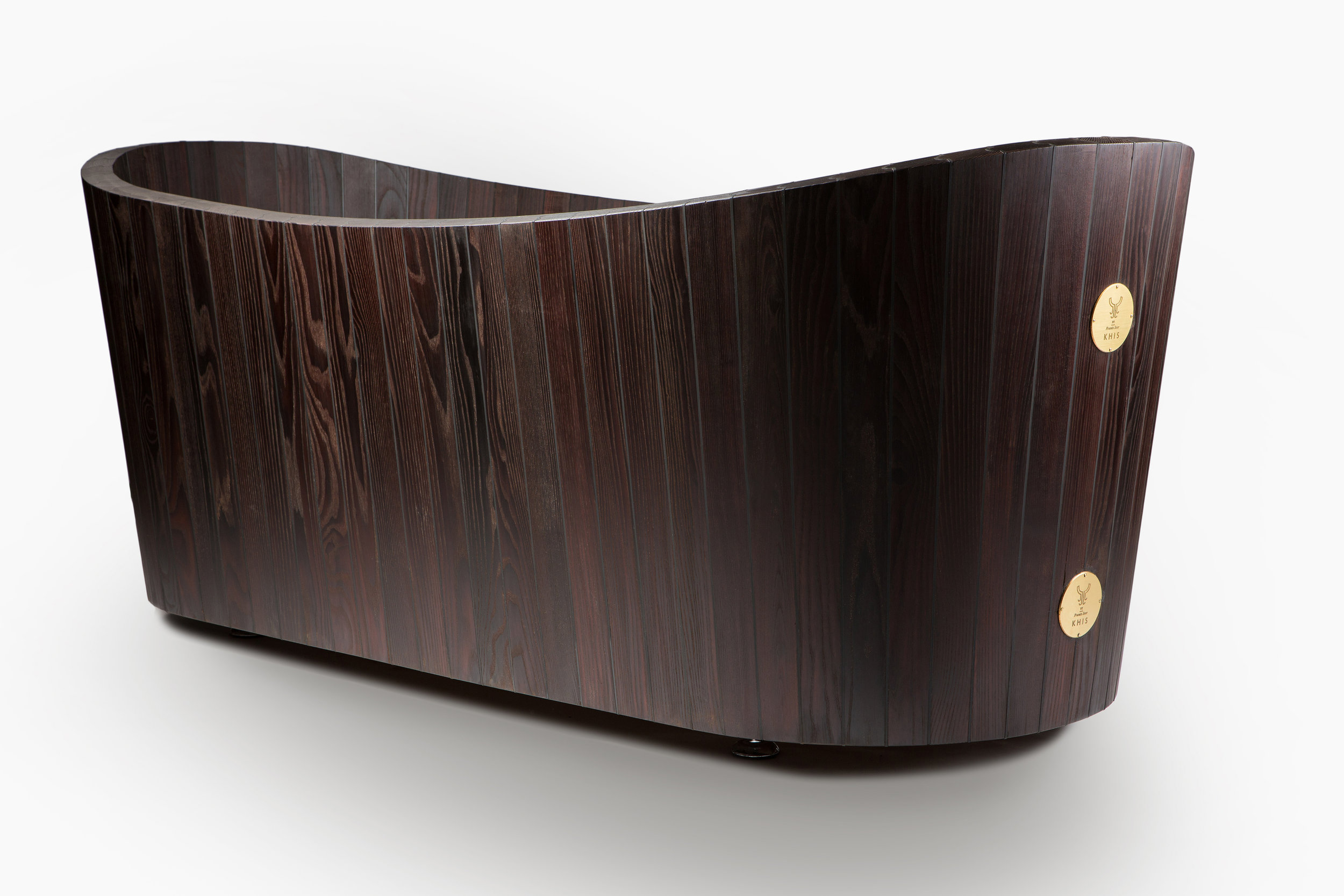
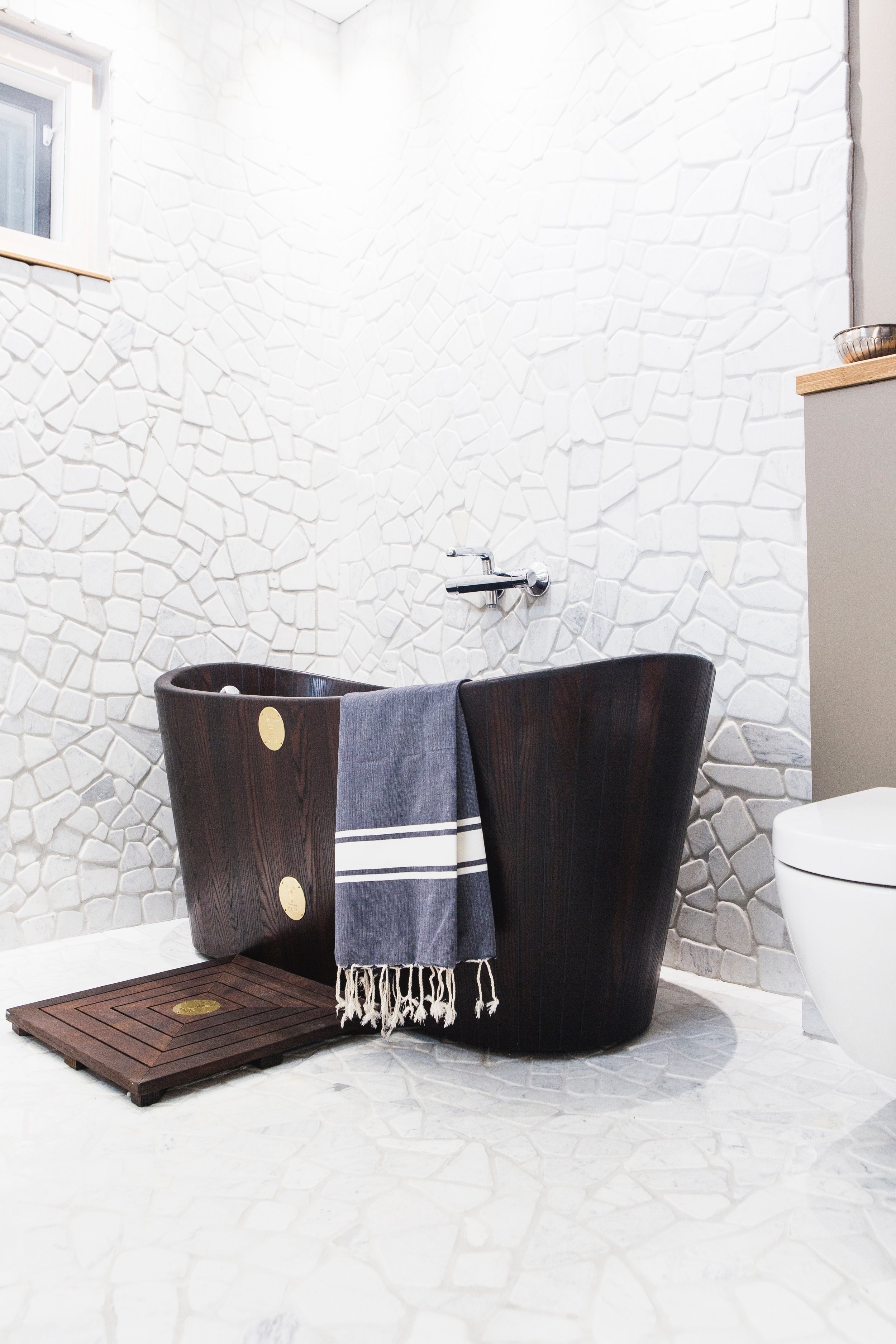
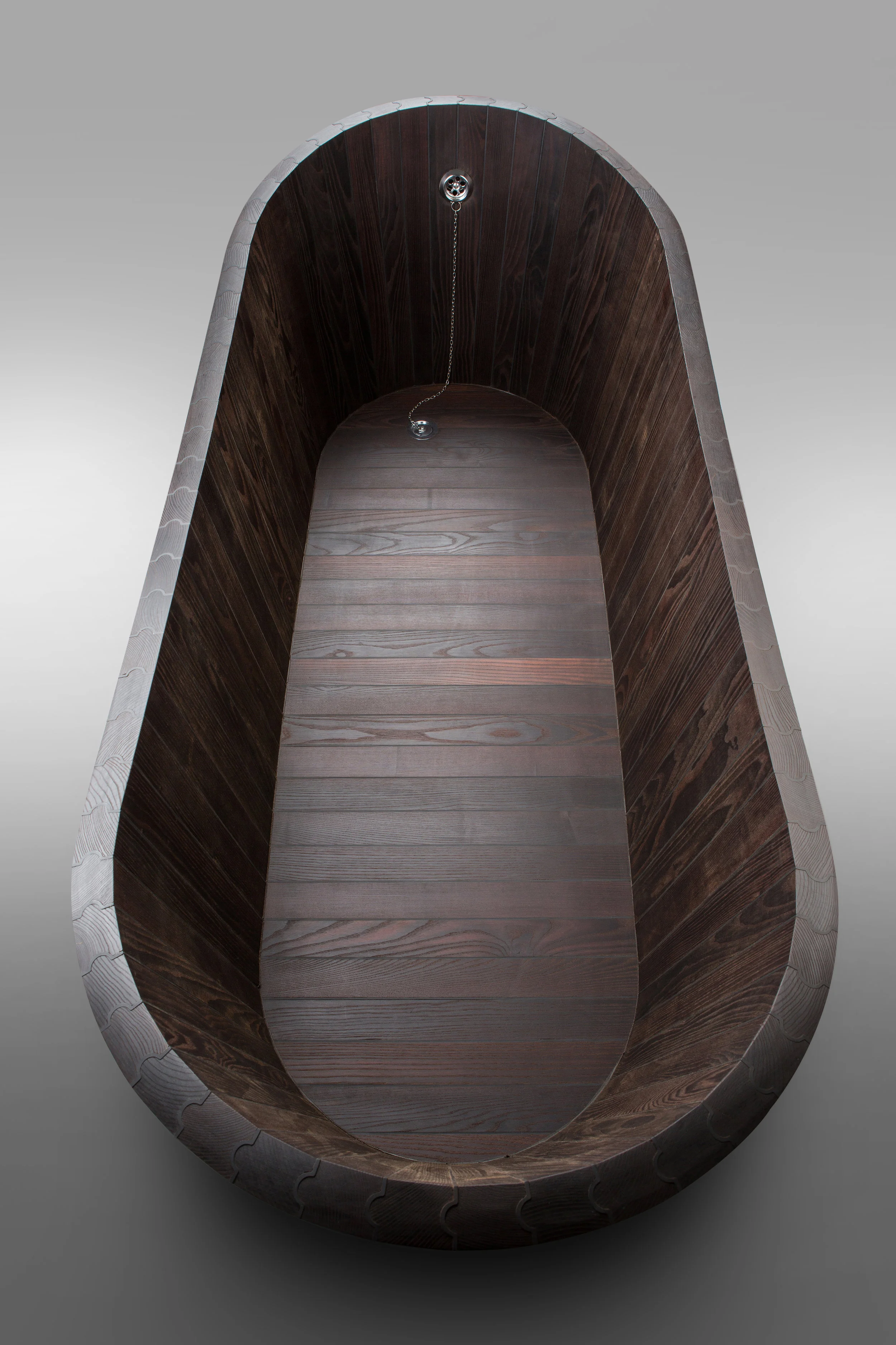
'Eternal KHIS' wooden bathtub.

'Eternal KHIS' wooden bathtub.

We support environmentally conscious consumption. How does KHIS follow the principles of sustainable design?

Now, I’m not 100% sure, but I believe sustainable design means that you have something that’s consumer-friendly, durable, and made out of a renewable resource. That’s what we have tried to follow as well - to create something that lasts for decades and is of the best quality. We use thermally-processed Nordic ash. In addition, the post-processing finish is natural, either with natural linen seed oil or hot waxing. .

What’s your idea of design?

Less is more. Similarly to Nordic design, the less you use to make the most practical product you can - that’s the key. Of course, my tastes have changed over time. I often worked with antique furniture, because of the environment the building or apartment is surrounded by. But now, somewhere in the back of my mind, I’m dreaming of a self-sustainable house with glass walls somewhere remote in the middle of the woods.

"Similarly to Nordic design, the less you use to make the most practical product you can  that’s the key."

Who or what is KHIS?

For us, it means the feeling you get when you come into contact with wood. When your skin touches that naturally finished wood surface - it creates a sense of warmth. Naturally, it took a while before we settled for a specific name. We were looking for something short, yet memorable. It comes from the word ‘kiss’, as you might be able to tell. Our bath models actually refer to it as well - First Khis, Eternal Khis, Natural Khis. It just felt right and it stuck with us.

Bathing is all about the sensory experience. I, for example, love to listen to relaxing music when taking a bath. If KHIS baths could play music, what would the play?

I have actually thought about this before. It has to be classical music. Like ‘Four Seasons’ by Vivaldi. That’s how I imagine it at least. 

Finally, let’s dream a little. What are your dreams for 2017?

You know, this year has kicked off well. I think we will look into expanding our sales to China and other parts of Asia. Hopefully that will work out.

http://www.khisbath.com/