Alpha Shadows: Cornucopia of Far Eastern Design in Peckham, London

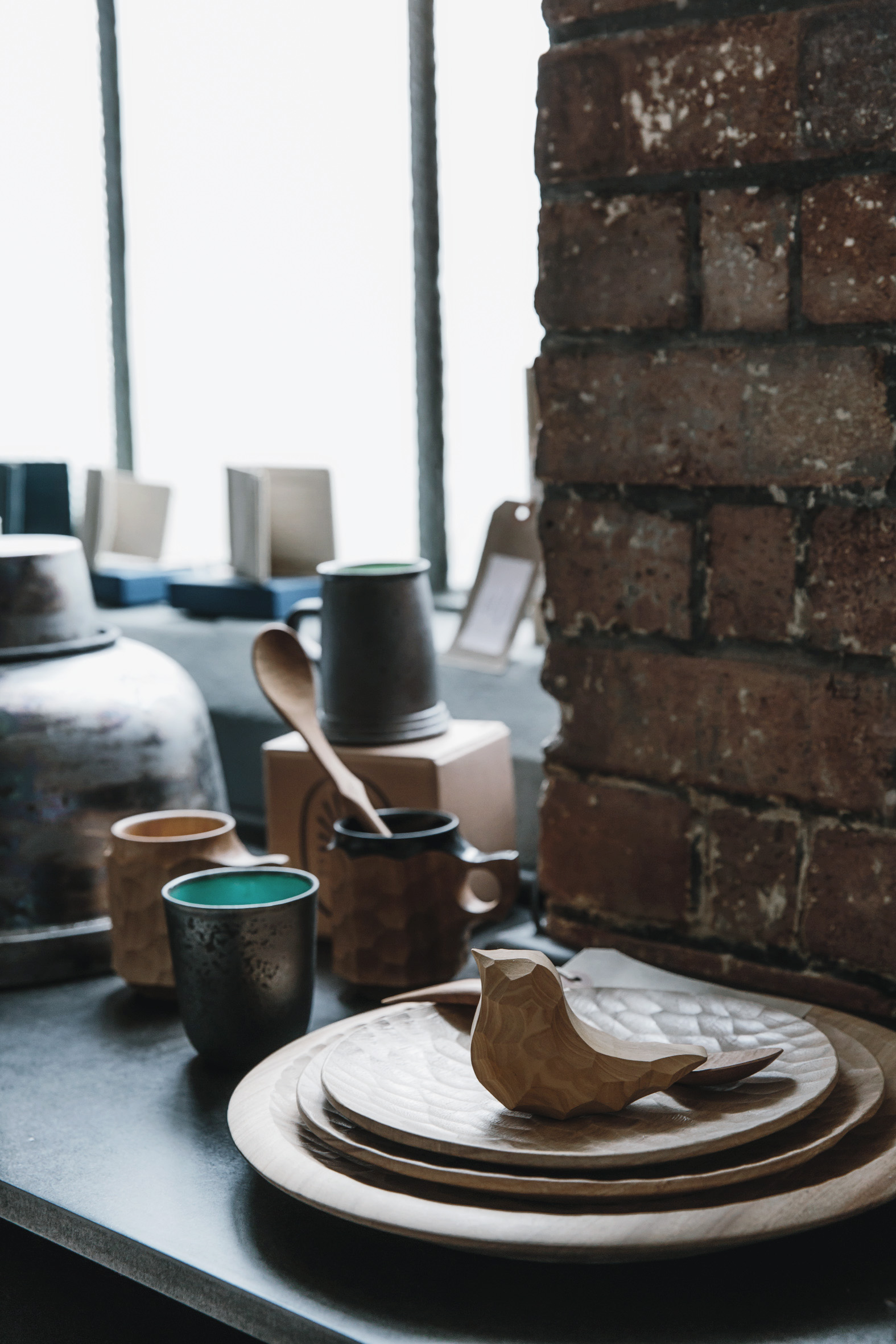
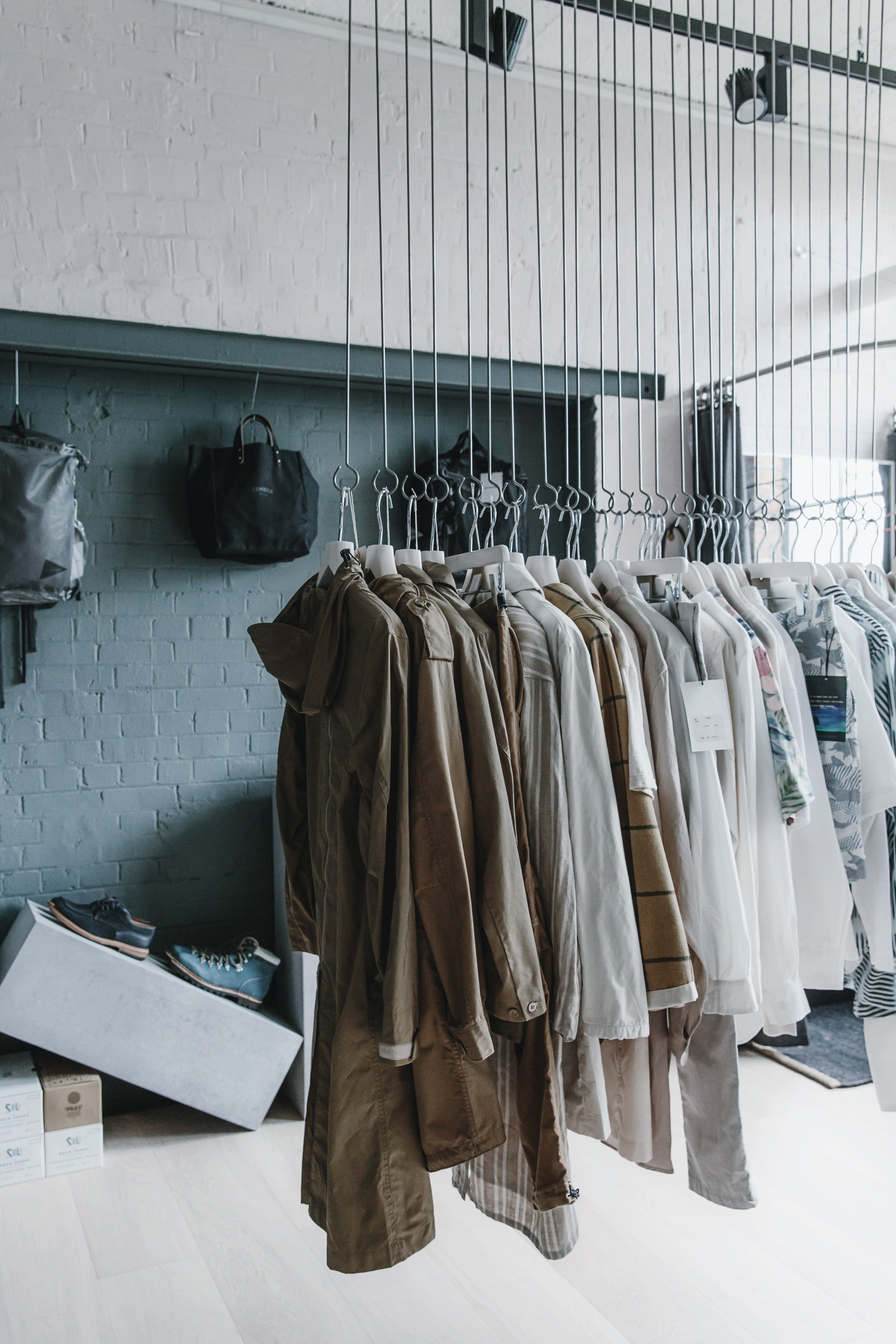
The scarcity of garments of Far East origin available in the UK inspired Tom, founder of Alpha Shadows, to start catering a cornucopia of contemporary Japanese design for fellow seekers of Far Eastern impeccable excellence. In his concept store in Peckham, London, built according to his own vision, a slow-paced shopping experience awaits admirers of the finest Japanese porcelains and jeans, whereas even the odd lost wanderer is guaranteed to leave with a few new Far Eastern founds in hand… 

Photo: Alex Reyto. 

Photo: Alex Reyto. 

Tell us more about your background. 

Before the shop, I was camera crew in the film industry. I specialised in Stop Motion Animation, which involves a lot of waiting around, so between shots I started looking at ever-obscure clothing brands on indecipherable websites. 

There came a point when I just had to go to Japan — a country I'd long wanted to visit — to see these clothes in person, but also experience the culture, the food and the country.  On my first trip there, I wasn't especially thinking about starting a shop, more about filling my belly, my mind and my suitcase...

What led you to starting Alpha Shadows?

Once there, the penny started to drop. There were some great brands I was a fan of that were simply impossible to find anywhere outside of the Far East, and I couldn't understand why they weren't. I decided I didn't want to be sitting here in 2 or 3 year’s time, when such and such a brand was picked up by a UK, European or even U.S. shop and thinking, 'I should've done that!'. I was equally inspired by incredible retail environment over there; the whole experience is so well considered and executed. I came home with my mind made up about what I should be doing with my life!

Three of my big passions in life are film, clothing and cricket, and I never had the talent to be a cricketer. A big part of me misses working in stop motion and there's every chance, if I'd never made the journey to Japan I still would be, but after that first visit I knew what I really wanted to do.

How did you grow interest in Japanese fashion to begin with?

In my early teens I was really into skate brands and whilst my local town had a pretty decent skate shop, I always wanted some shoes or hoody that I knew I wouldn't see someone else wearing. This was in the late nineties/early noughties when the Internet was still in its infancy. I'd find myself on a website for a shop in the U.S. that had the thing I'd never seen anywhere else. As my sartorial 'persuasions' changed and developed, the habit of always looking further afield continued. 

At some point I got my first pair of ‘Made in Japan’ selvedge denim jeans (I'd hazard a guess that for many people, like myself, it all started with a pair of Japanese denim). There was something about the quality and attention to detail, even on something so simple in many ways, as a pair of jeans, that was just better in every way to any I'd owned before. This realisation that maybe they do everything a bit better quickly expanded beyond that pair of jeans. Obviously there is incredible clothing made all over the world, but what I found over there, as well as its scarcity, really appealed to me.

"From the fabric to the stitching to the buttons and the zips, it's about either sourcing or developing what they feel is the ideal component for that item, rather than the cheapest and quickest to produce."

Photo: Alex Reyto. 

Photo: Alex Reyto. 

What was the one most important thing you kept in mind when starting Alpha Shadows?

The most important thing at the beginning and always will be is to be different. I'm happy to admit that there's a handful of brands we stock that have a few other stockists outside of the Far East. In the grand scheme of things they're still pretty niche, but not that hard to find with a quick google search, but nonetheless, brands I'm a big fan of and wanted to have in the shop since day one. People might query how this makes us different and what I hope people see is that the majority of brands we stock are very, very tricky to find outside of their home country. When customers see the brand mix, I hope they appreciate the difference we attempt to offer vs. other retailers. The most important thing is visitors love the clothes or footwear or ceramics, but alongside that also feel like they've discovered something new and different. This is as important to me now, as it was at the start and will continue to be.

"I was equally inspired by incredible retail environment over there [in Japan]; the whole experience is so well considered and executed. I came home with my mind made up about what I should be doing with my life!"

Photo: Alex Reyto. 
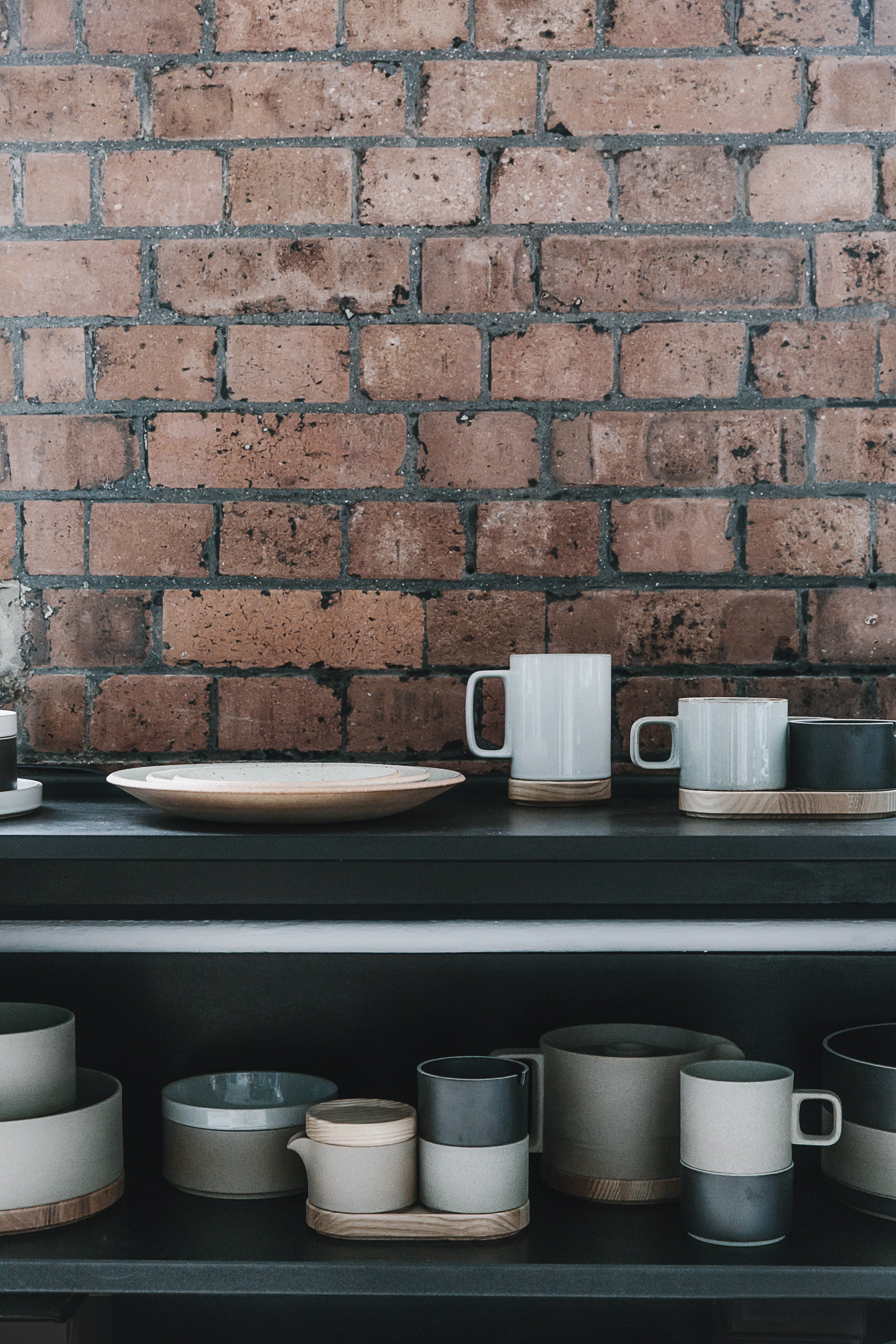
Photo: Alex Reyto. 

Photo: Alex Reyto. 

Photo: Alex Reyto. 

Why is Japanese fashion so hard to get hold of in the UK?

You may be able to find a coat by a certain Japanese brand on a website in Japan, but the site is in Japanese and even if and when auto-translate works, it is unlikely the brand will ship abroad.  While there are a very small number of sites that do offer some international shipping, it has only begun to happen fairly recently.

How important is sustainability for the designers you represent?

In terms of sustainability, I can't speak for each brand directly, but what I can say is the materials used are the very core of the brands' philosophies. It's what defines their clothing and, as a by-product of this ethos, they source the best fabrics and dyes rather than the cheapest, which in turn usually carries little regard for the environment and the people that make them.

Your branding is eye-catching and unique. What influences did you consider when creating the visual identity for the web shop?

I was pretty clear about what I didn't want rather than what I did, so much of the influence came from what I thought was wrong, rather than what I thought was right. I sketched out a few ideas for the logo and left this is in the far more capable hands of a designer, who turned it into something that I liked the minute I saw it.  It had to be clean and simple, but also unique and recognisable. This 'design philosophy' and this ethos I hope remains consistent with both the website and physical store. I didn't want to be too clever — the focus is to have a site that is usable with a well-presented collection, as well as clear, simple and honest product information.

Considering the designers and brands you represent in your store, what perhaps unites them?

What unites the brands we work with is a desire to make the best product they possibly can. From the fabric to the stitching to the buttons and the zips, it's about either sourcing or developing what they feel is the ideal component for that item, rather than the cheapest and quickest to produce. Some of the products I sell couldn't be more varied; there is denim created on antique looms and hand-woven sweaters, but also jackets with heat bonded seams, made from some of the most technically advanced fabrics on the planet.  

"This this realisation that maybe they do everything a bit better quickly expanded beyond that pair of jeans."
Where do you source the brands?

It's down to a lot of research and a lot of tough decisions!  I'm always finding new designers and brands that I appreciate, but I always try to consider how they will fit in alongside the other brands we stock. I want every brand to stand out in their own way, but I don't want them to seem at odds with one another. Just because I love a particular brand, doesn't mean it's right for the shop.

Name a couple of your recent favourites.

They're all my favourites, because each in their own way are doing some brilliant things. What is of importance, though, is the fact that we support and stock some really special young designers and brands that are in my mind criminally underrepresented. So to give them a platform is something I'm particularly proud of. andWander, Meanswhile, Niuhans, and Salvy have all been around a few years and these are some of the brands I have a certain fondness for.

How have customers reacted to the physical shop vs web store?

The reaction to the physical shop has been overwhelmingly positive. I suppose because the building we are in is a little rough around the edges (it's well over a 100 years old, so hardly surprising!), people aren't really sure what to expect. When they come inside the reaction is usually something like, 'It's actually really nice in here, what an amazing space!'. That's obviously nice to hear, but more importantly, is the fact that a customer is more likely to spend thirty minutes or more in the shop, rather than three. I hope this means our customers are comfortable in the space, find it a relaxing and welcoming place to be and one in which we can have a chat about the clothes or anything else for that matter.  

You can't really transfer the 'vibe' of the physical space to the web store, so keeping things clean and simple was always the priority in this respect and our customers seem to appreciate this.  We're always looking to improve both shopping environments, but we want to do this gradually in a way that makes sense.

"What is of importance, though, is the fact that we support and stock some really special young designers and brands that are in my mind criminally underrepresented."

Photo: Alex Reyto. 

Photo: Alex Reyto. 

Who is perhaps the stereotypical customer of yours?

Our customers are as varied and interesting as the brands we stock; so to describe a stereotypical customer is almost impossible! What I can say is that our customers are united by their appreciation for good quality and interest in discovering new things. Whether it's men or women, there's no specific age, they come from all walks of life and from all over the world.

What makes the niche brands you represent popular with your audiences?

As much as a something being 'rare' or hard to find with limited quantities, what ultimately matters is the quality of the product. The fabrics, the fit and the finishing are the things that customers appreciate and admire. One of the most rewarding things for me on a personal level is for a customer to purchase an item from a brand that is new to them and for it to then become their new favourite brand.

What are your plans with Alpha Shadows going forward?

That's a bit of a secret to be honest, but I'd like the to naturally evolve and develop. I'm very conscious of the importance of keeping the number of brands limited. This isn't because I think we should only ever carry a specific amount of brands, but because I don't want any brand we do stock to get lost amongst a sea of others. A trap I'm keen to avoid is focusing on brands just because they sell well for a couple of season; I don't think that's enough to keep it interesting. 

We're very fortunate to have built up a solid base of customers who I hope appreciate this longer-term vision. 

Visit the store:

Unit C1, Bussey Building, 133 Rye Ln, London, SE15 3SN

www.alphashadows.com


SKALL Studio SS17: Welcome To 'Monde Imaginaire'

SKALL is a conscious, value-based Danish fashion studio founded by siblings Julie and Marie Skall. Rooted in quintessentially Nordic values, SKALL is all about communicating through aesthetically clean, enduring pieces — well-fitted garments that last across seasons. Their latest SS17 collection ‘Monde Imaginaire' brings us a floating narrative of dreaming a better world for ourselves, impeccably blended into dreamy colours of pink and silent sky blue. Oh, we love a collection for dreamers... 

SKALL SS17 Monde Imaginaire.

SKALL SS17 Monde Imaginaire.

What inspired you to create a sustainable brand?

We both have several years experience in the conventional fashion industry and we felt a need to create a modern fashion brand that we would feel good about. When we created Skall studio in 2013, there where not that many sustainable fashion brands around. To us, it comes naturally that we care about the entire process of garment-making, from seed to closet, and we wish to have a minimal negative impact on the surroundings, the environment, people and animals involved in the process. We truly care about the footprint that we leave behind us. With Skall studio, we contribute to creating a world we wish to see. We have something in our hearts and we communicate that story though Skall studio. 

When it comes to your team of two, how true is the saying 'team work makes the team work’ ? Who does what?

Very true! In many ways we are very much alike, like most siblings, but we have different strengths and different background in the fashion industry. We do all designing together and collectively take decisions about our collections and brand identity. Everything else is divided between the two of us, whereas Julie takes care of all sourcing, sampling and production, and Marie is responsible for all sales, marketing and PR. We find it very important to give each other space and freedom to do what they do best, but we still talk a lot all the time!

"We find it very important to give each other space and freedom to do what they do best."

SKALL SS17 Monde Imaginaire.

SKALL SS17 Monde Imaginaire.

Where do you produce and what are the main fabrics you work with?

We produce all of our woven garments in India. We work with a great factory that is FairTrade and GOTS-certified, which means that they work with very high standards when it comes to environment and social responsibility. We visit the factory at least twice a year and we have a great rapport with the factory owner and people working in the factory. Mostly, we work with GOTS-certified organic cotton and linen fabrics. We love the beauty of natural fabrics and remodelling them to the highest possible quality. 

Many Danish brands have chosen to focus on the sustainability route. What makes you clearly stand out?

Everything we do comes from our heart — creating clothes with value and purpose. Besides caring about the environment, we also have strong ethics regarding people and animals. We do not use any fur or leather from animals, we both live a vegetarian lifestyle, and that is also essential to the values of Skall studio. 

What should be the 5 basic items in every woman's wardrobe? 

A classic white cotton shirt, effortlessly chic and comfortable, made of organic cotton, of course. A warm and cosy wool sweater, locally made of wool from local sheep. A long shirt-dress, which can be dressed up with a belt and heels or casually and loosely worn with everyday sneakers. A good pair of jeans or casual cotton pants, preferably with a slightly loose fit and cropped legs. A feminine and voluminous skirt with high elastic waist and side pockets. 

What are your personal tips when it comes to styling a look, without necessarily buying new items bottom to the top?

We like classic items, which can easily be styled with a personal touch. We love scarfs, small cotton scarfs in nice colours and patterns, we wear them around our necks, around a ponytail or tied around our wrists. Layering is also a great way of creating new looks — we use a knitted sweater on top of a shirt or around the waist when wearing a dress. A shirt-dress over pants can also do the trick. We always wear our shirts with the sleeves slightly folded at the arm. 

 "It is about creating the world you wish to see and wish to live in. It might be a dream world, but that’s what we all are, dreamers."

SKALL SS17 Monde Imaginaire.

SKALL SS17 Monde Imaginaire.

Your collections have fun names, where do you draw inspiration from? What inspired you when designing the Savoy Truffle collection?

We find inspiration in everything around us, especially music and art. We love all music from the 60’s and 70’s, The Beatles, Bob Dylan, Joni Mitchel. With the Savoy Truffle collection we wanted to share our love for The Beatles — Savoy Truffle is the name of a Beatles song from their album called White. George Harrison wrote the song to tease his friend Eric Clapton, who loves chocolates – hence Savoy Truffle. It is actually a bit silly, but it is a great song and true art doesn’t have to be serious, it should be fun too. Every Skall studio collection and every piece of clothinh that we create has a story behind it; a story born from something we love.

What story will the new SS17 collection open?

Our new SS17 collection ‘Monde imaginaire’ tells a story about an imaginary world, which we have created in our minds. It is a world full of warmth and happiness, and it can be described as a feeling — a “flowing” feeling of joy and love, and we see warm colours, like pink and silent sky blue. It is about creating the world you wish to see and wish to live in. It might be a dream world, but that’s what we all are, dreamers.

"Be present everywhere you are and in everything you do. When you are present, you see what is around you and it makes you think clearly." 

SKALL SS17 Monde Imaginaire.

SKALL SS17 Monde Imaginaire.

When it comes to your practices of sustainable lifestyle, what are the first steps we should take to slow a bit down and be more mindful?

Be present everywhere you are and in everything you do. When you are present, you see what is around you and it makes you think clearly. Think about what you do and especially what you consume. We all have a huge power when it comes to what we buy, eat, wear, support and share. No one can save the world on their own, but everyone can do small things. Just do not care strongly about what you see around you and do what you feel is right in your heart. 

http://skallstudio.com

#WeAreTesting DABBA Herbal Cosmetics: Magic Nuances of Nordic Plant Extracts

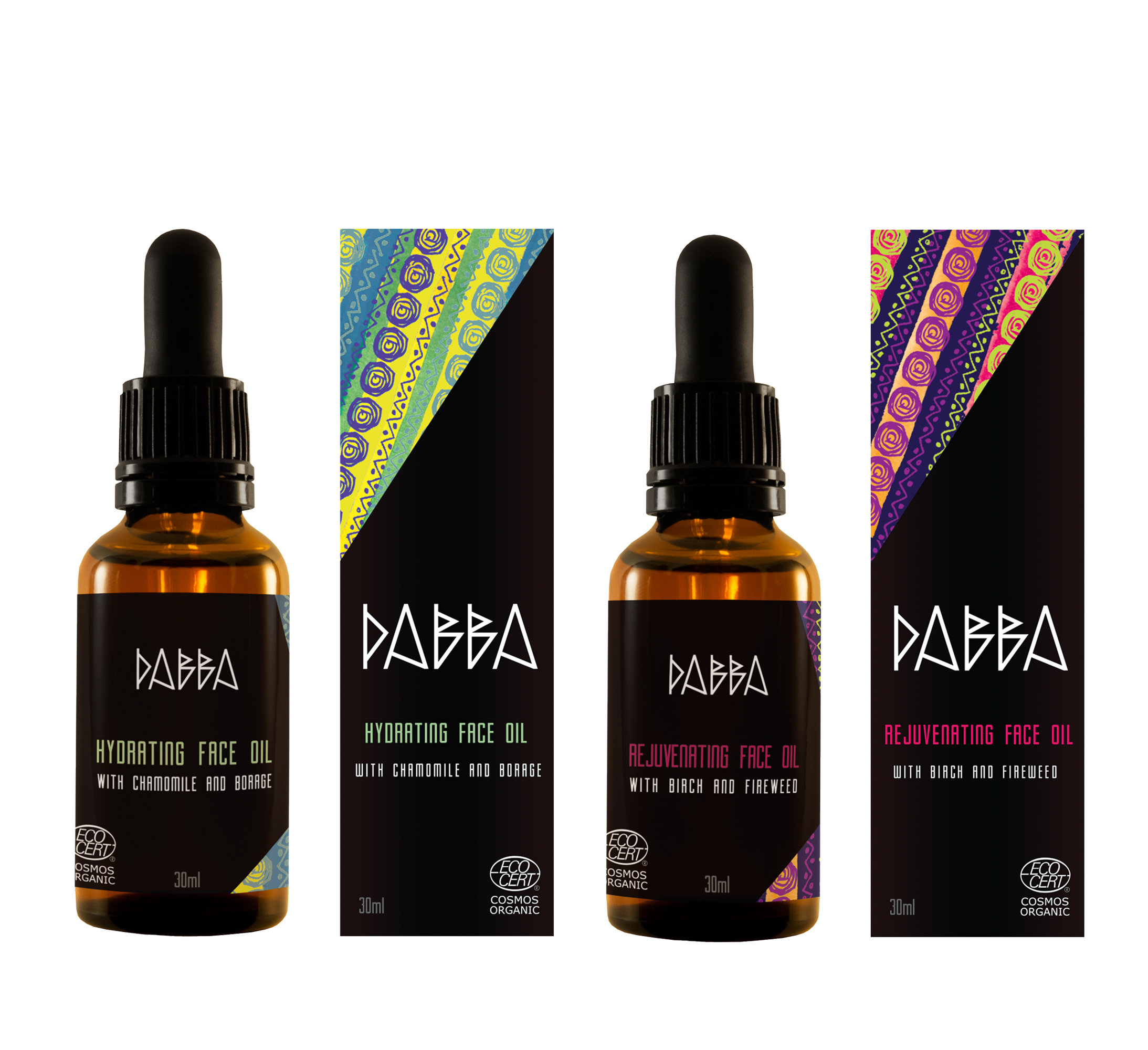
Latvian brand DABBA's herbal cosmetics range led us to discover the magic of its fresh Nordic, 100% natural ingredients. DABBA uses fine, nuanced plant extracts, which are created for different moods and different events. DABBA distilled, natural floral waters and face and body oils are made entirely of certified organic plants, flowers and wild tree leaves, and are qualified to an ECOCERT standard. We went through a true sensory experience testing all this vibrant herbal bonanza 

DABBA face oils collection, 2016. 

DABBA face oils collection, 2016. 

Hanna-Amanda tested…

 1. Wild Raspberry Leaf Water — Gentle and Refreshing Toner for Mixed Skin

I’ve been a fan of refreshing, easy-to-use facial spray waters for as long as I can remember, especially due to my frequent flight hopping, which means I often feel the need to hydrate my face and freshen up the skin during the hours spent in air. Dabba’s floral waters, made of the purest spring water and fresh Nordic plants, boast hydrating effects, whilst helping to stabilise skin’s own pH level. On top of natural ingredients, I’m usually the most concerned about their actual effectiveness. Dabba’s Wild Raspberry Leaf Water promises to soothe, tone and balance the skin. It’s a nice change from the more regular rose and peppermint scented sprays available in the eco-cosmetics market. I applied this floral water every morning by spraying it 2-3 times and let it absorb for a few minutes before applying Raspberry Oil Elixir by Dabba. This product brings a calming, soothing experience and leaves the skin soft and even, without any irritation. These distilled floral waters without any chemically added fragrances also help to cleanse and prepare your skin for absorbing your next-step facial care products, such as day-creams and natural oils, whatever your preference. I liked the refreshing skincare experience and it will certainly remain one of my go-to travel must-haves.

2. Raspberry Oil Elixir - Intensive Multivitamin Serum

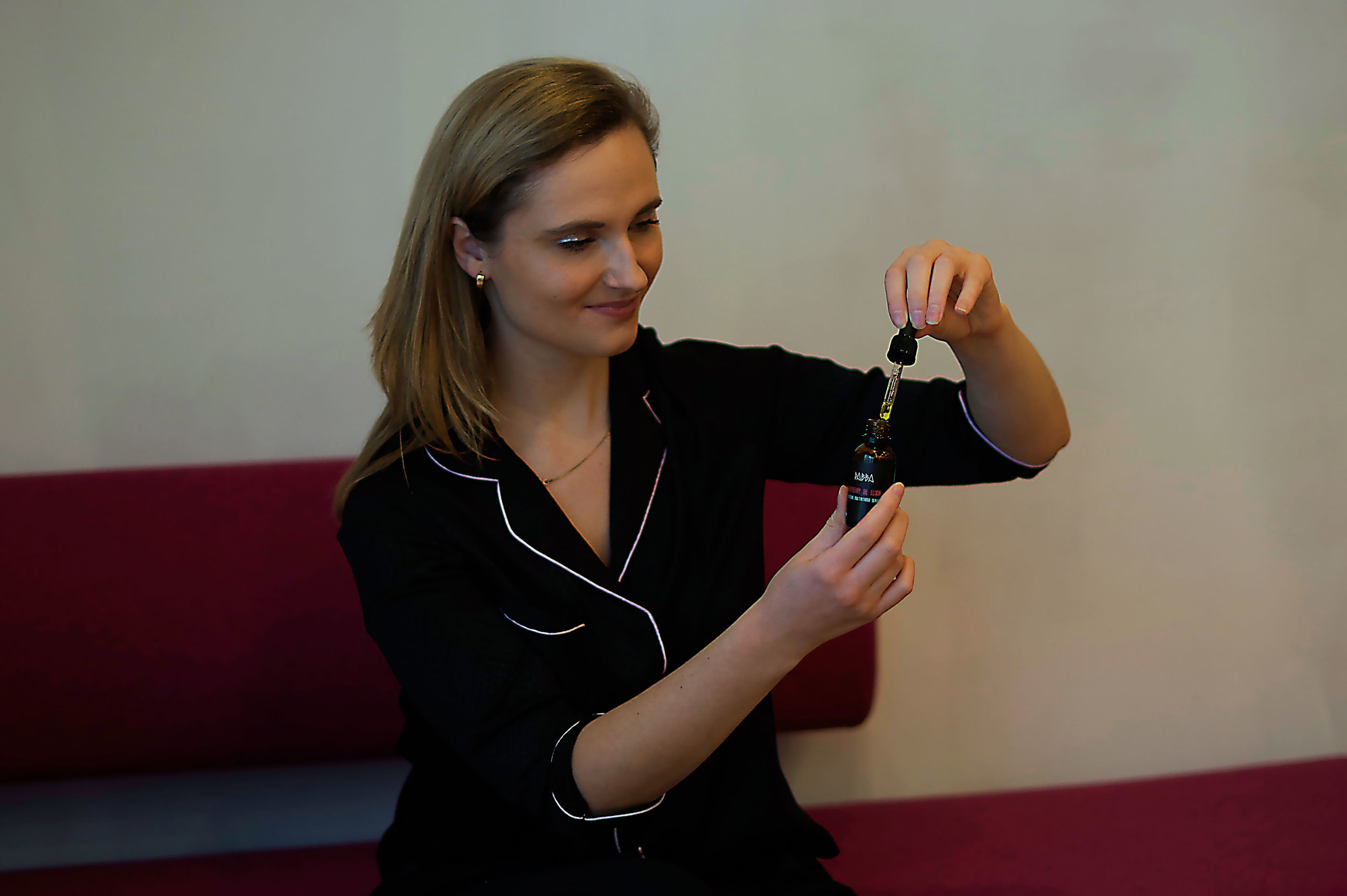
This intensive multivitamin serum was the perfect pairing for the cold weather we have been experiencing in the Northern Europe. At first, I was a bit scared the texture might be too oily, but it is actually quite smooth and dissolves well. The best impact I encountered was the way it evened my skin tone, whilst giving my face a baby-soft feel. It is especially handy to use in the mornings, as it helps to reduce tiredness effects immediately, and also provides a protective layer underneath make-up, guaranteeing required hydration. The droplet cap is extremely useful, as it helps to measure and apply the elixir in just right amounts, so you your face doesn’t exactly swim in oil all day long… Truly recommend this herbal elixir featuring raspberry notes for winter. The small bottle is nice to carry along, as it fits even the smallest handbag. 

3. Revitalising Body Oil with Yarrow and Birch

Another great hydrating winter product with forest-scent nuances. I used this organic oil after a soothing hot bath. The effect was very refreshing and pampering — you can get a lot out of only a few drops. The scent gives a nice energy boost. What I like about oils is that they keep the moisture locked in for a long while, which definitely speaks of their advantage over body lotions. Visible results: smoothness and more even skin complex. Love the nostalgic glass apothecary bottle, which should help to preserve the right consistency for longer. A great organic, more natural equivalent to the infamous Johnson’s baby oil. 

Johanna tested...

4. Peppermint Floral Water/Toner

If you are a tea-lover, like me, you will most certainly love this product. I find peppermint to be very soothing, yet refreshing at the same time — sounds like the perfect toner to wake you up in the morning. It smells of fresh garden peppermint leaves and reminds me of summer. Have you ever tried fresh peppermint tea? Ice it down in the hot summer and it becomes the most refreshing drink. Now that is what this floral water takes me back to! I like having that tiny joy in my everyday. It comes in a regular spray bottle inside a quirky box decorated in fun earthy patterns. What makes it even more unique is its architectural shape.

5. Hydrating Face Oil with Chamomile and Borage

I have discovered the wonderful range of face oils just recently and natural products like this continue to impress me. We had below -20 Celcius weather this past week in the Northern Europe and this Dabba face oil came in handy. I have very dry skin during our crisp winters, so much so that even the best moisturisers cannot fix it for the entire day. This face oil, however, did the trick. After applying it in the morning, it kept my skin fresh, hydrated and oh-so-soft throughout the whole day. I assume that unlike face creams, the oil is not that susceptible to cold weather — which is just fantastic! Tea-scented things seem to be the repetitive theme, because this product reminds me of the fresh chamomile tea my Russian grandma used to make, with chamomile flowers from her garden. You can feel the power of nature. It comes in a lovely small bottle with a droplet cap. Very handy to have with you when you go about your daily business.

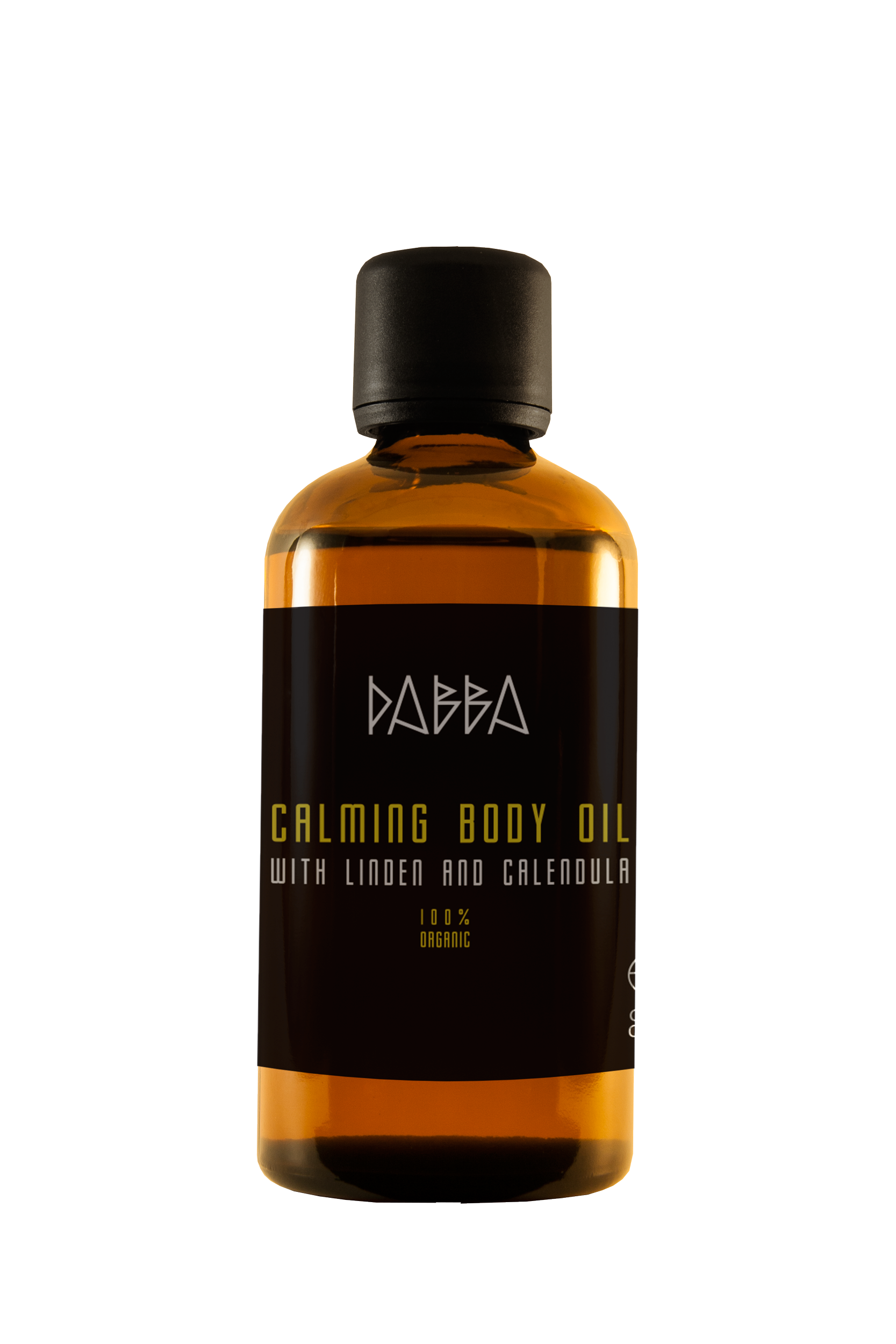
6. Calming Body Oil with Linden and Calendula

Another huge hit for me. It does exactly what it says on the bottle — calms your senses. This one takes me to my favourite season, spring, and I can picture the linden trees around my country home blooming and the bees buzzing away in their usual busy manner. I wish I had a bubble bath product that smelled like this. Like the face oil, it instantly absorbs into your skin, so you don’t have to worry about the greasiness. The moisturising effect lasts for longer and you never need to use much. Completely worth it! This one has a regular bottle, nothing fancy. But it’s 100% natural — it does not need all the glitz and glamour. Dabba is pure, honest and Nordic. Perfect for someone who values taking care of their skin and is on the hunt for products that have a youth-restoring effect.

http://www.dabba.lv/en/par-mums

GIVEAWAY:

To reward our readers for their loyalty, we are giving away a refreshing bottle of DABBA Birch Leaf Water for mixed and oily skin and a bottle of DABBA Strengthening Hair oil with Birch and Nettle. Both products for one lucky winner!

BLACK_Hairoil_50ml_bottleonly.png

To enter our first ever giveaway:

1.   Make sure you have liked ‘Savant Magazine’ on Facebook.

2.  Simply share this post on your timeline and quote ‘Nordic Plant Magic’. 

3. The winner of our first giveaway will be announced on Thursday, January 19th, 2017 23:59 UTC. You are welcome to share until Wednesday, January 18th, 2017. 


Beej x Raag Workshop: Homage To India's Traditional Textile Skills Heritage

As a brand that proudly celebrates the heritage of Raag workshop with its tradition dating back to 1975, Beej draws upon a modern, moveable take on India's traditional textile skills. Whilst placing the highest importance on sourcing locally from different parts of the country, the uniqueness of Beej lies in making their clothes entirely in-house. The nature of Raag's repertoire of garments enhance a subtle self-confidence and ease of movement. We say 'yes' to wearing traditional feminine enigma paired with flawless fluency. 

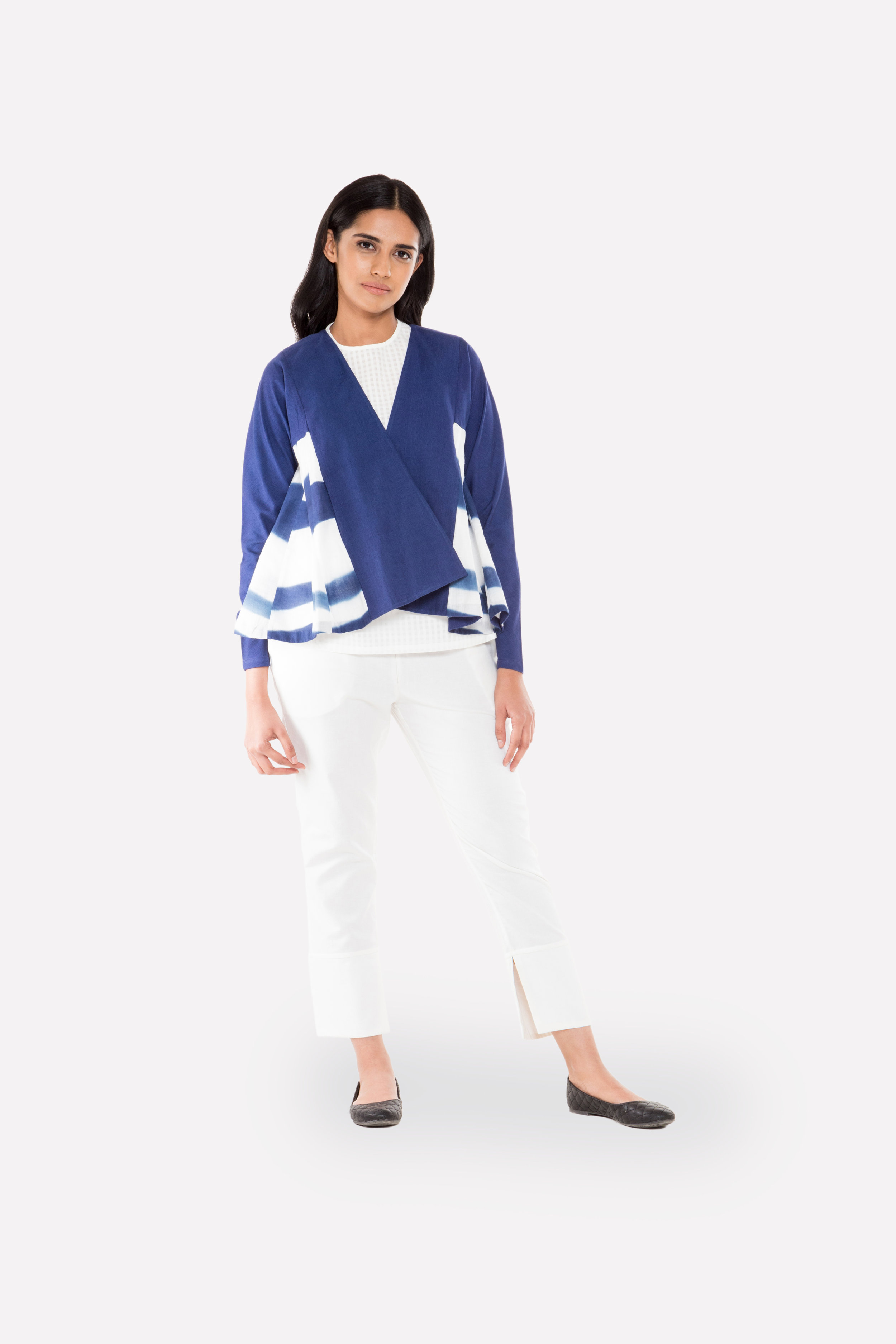
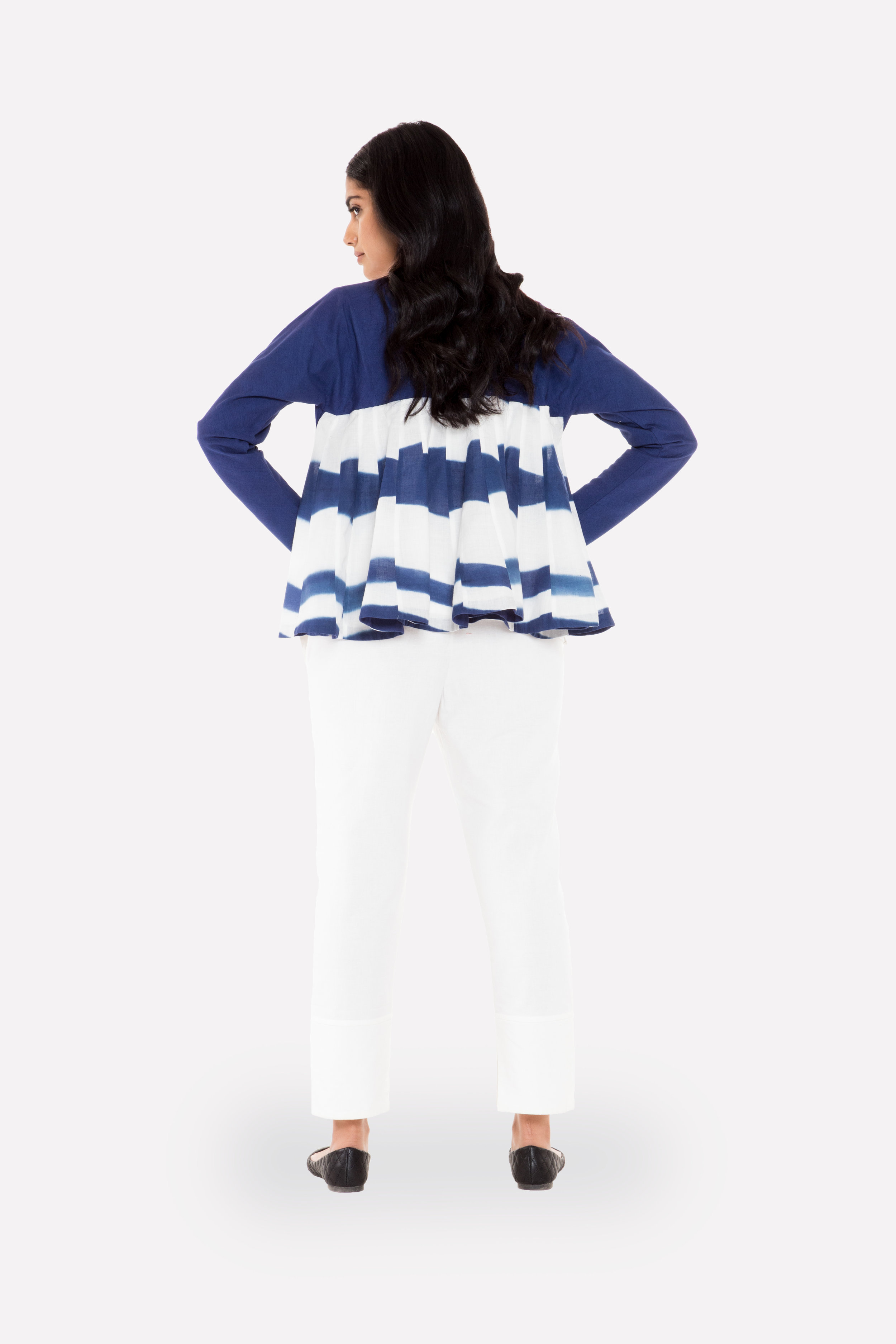
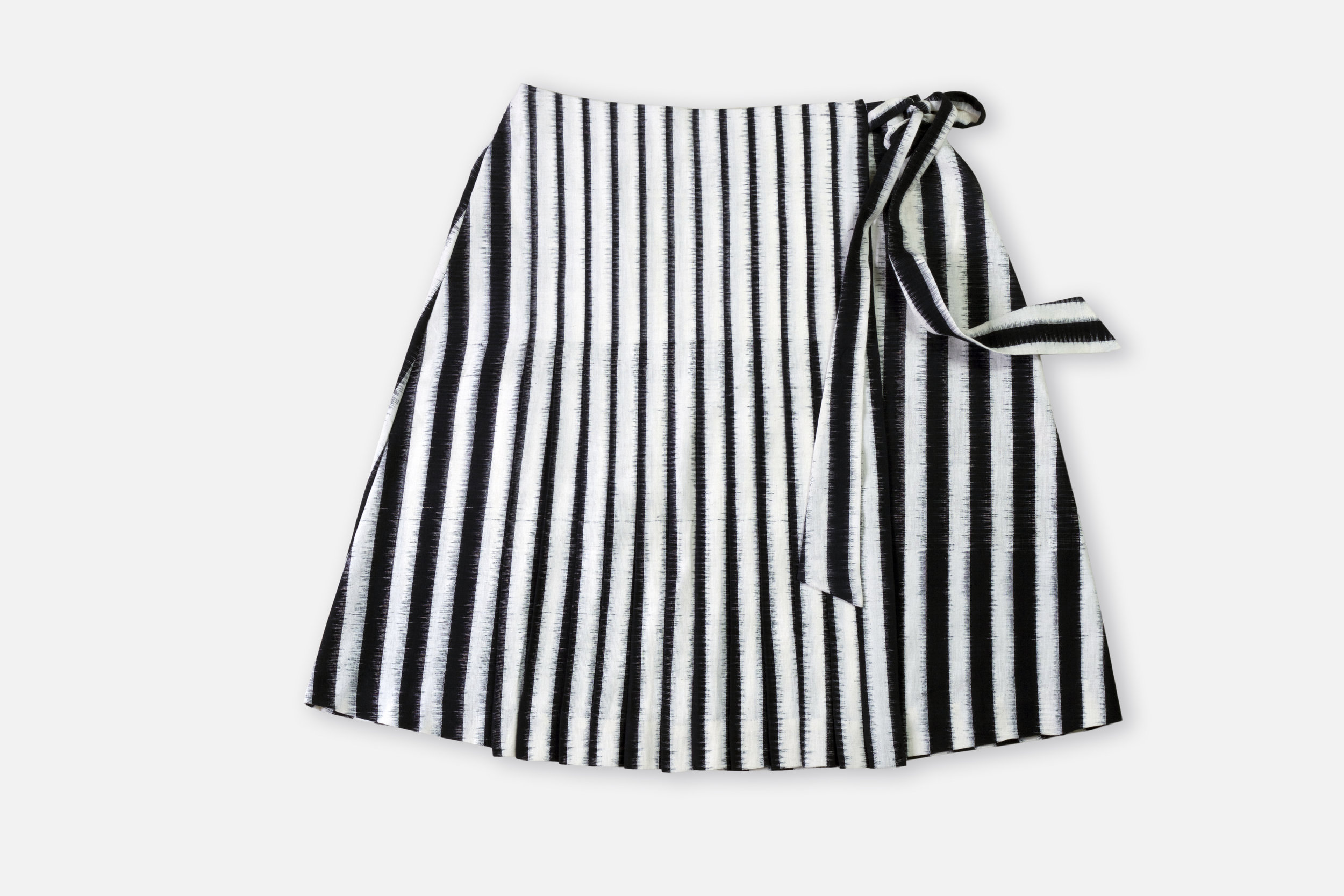
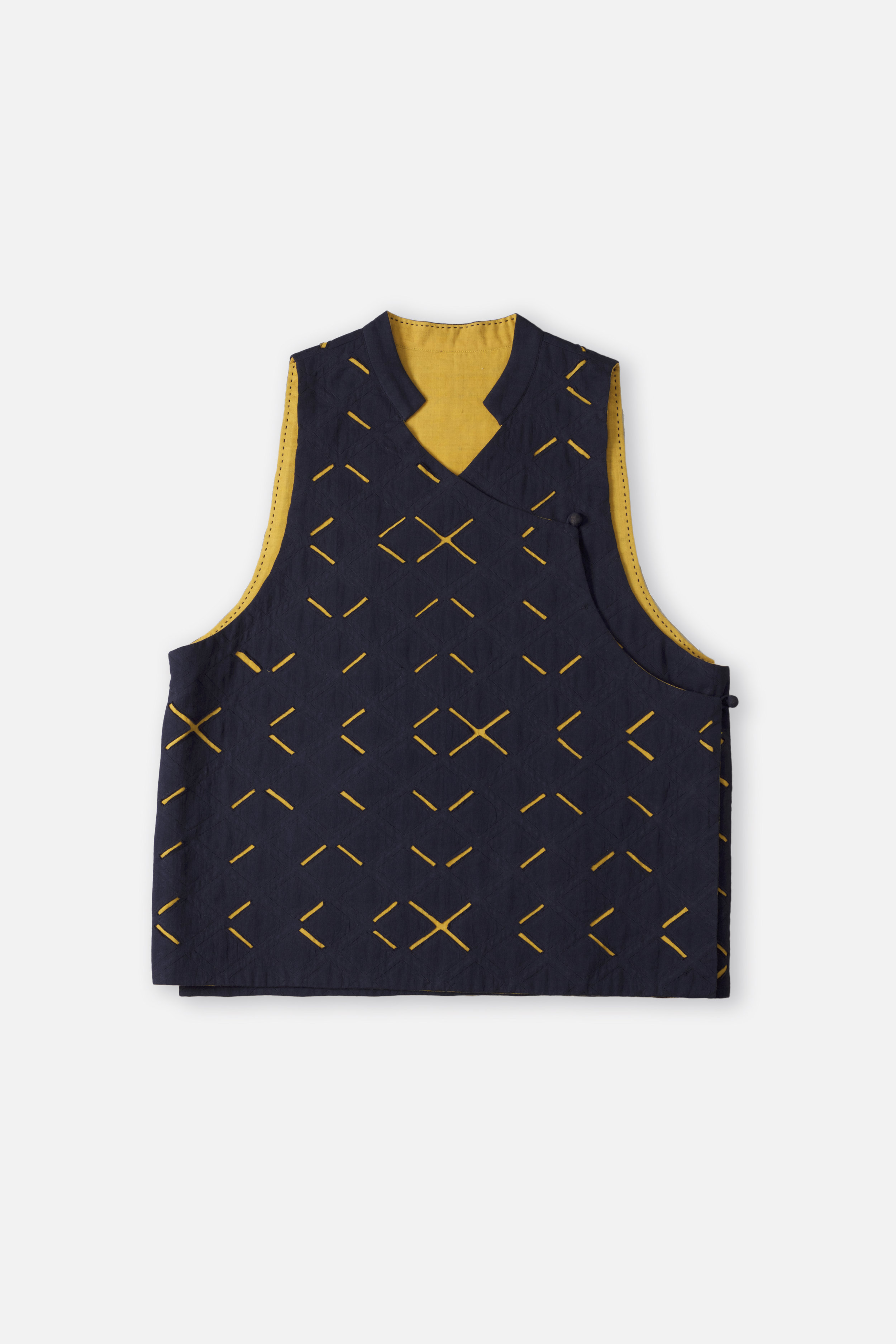
Ikat Overlay Coat by Beej, 2016. 

Ikat Overlay Coat by Beej, 2016. 

Foreword:

Beej started with the idea of bringing Raag, started by Asha Sarabhai in 1975 and available in other parts of the world but not yet at home, to India. We are keen to complement the Raag line of clothes with other objects that share its ethos and so created Beej as an umbrella brand under which these products can be sold. We want to celebrate India’s rich heritage, stand for uncompromising quality and a delightful customer experience, and adhere to the highest ethical standards. The Beej and Raag logos, created by Ivan Chermayeff, emphasise the relationship between the two and the fact that we think of ourselves very much as a contemporary brand.

What are the sustainable solutions you have incorporated into the making of your garments?

All Raag clothes are made entirely with handloom fabrics, the production of which keeps alive rich traditions, provides employment opportunities to artisans and is far less resource intensive than mill made fabrics. The environmental impact of our production processes is negligible as our clothes are made by hand.

Our clothes are designed to be durable and make allowances for the wearer to gain or lose a few pounds. Construction techniques and finishing details such as the elimination of seams when possible, addition of gussets for ease of movement and the avoidance of zippers ensure that our clothes last well and give pleasure over the years. We further facilitate their use over time by offering free alterations and repairs for life. Customers who would like to recycle or repurpose an old garment, by making a stole out of a beloved old coat for example, are encouraged to send them to us.

"Overproduction, rampant consumerism and wastefulness, especially in the case of fast fashion, further compounds the adverse global impact that the fashion industry can have."

Where do you see the importance of ethical fashion stand today? Why are we only now starting to open our eyes to the downside of the fashion industry?

The way clothes are produced can often be extremely destructive to the environment and exploitative of the people who make them. Overproduction, rampant consumerism and wastefulness, especially in the case of fast fashion, further compounds the adverse global impact that the fashion industry can have.

An increased awareness about these issues has made people more conscious of the choices they make. The building collapse at a garment factory in Bangladesh, which tragically killed over a thousand workers in 2013, was a watershed moment and resulted in global outrage. It brought to the fore concerns that had been harbored for a long time and which could no longer be ignored.

In light of these realities, and given the huge increase in the number of brands that have launched in the Indian fashion industry in the recent past, an ethical and humane approach to fashion is especially relevant.

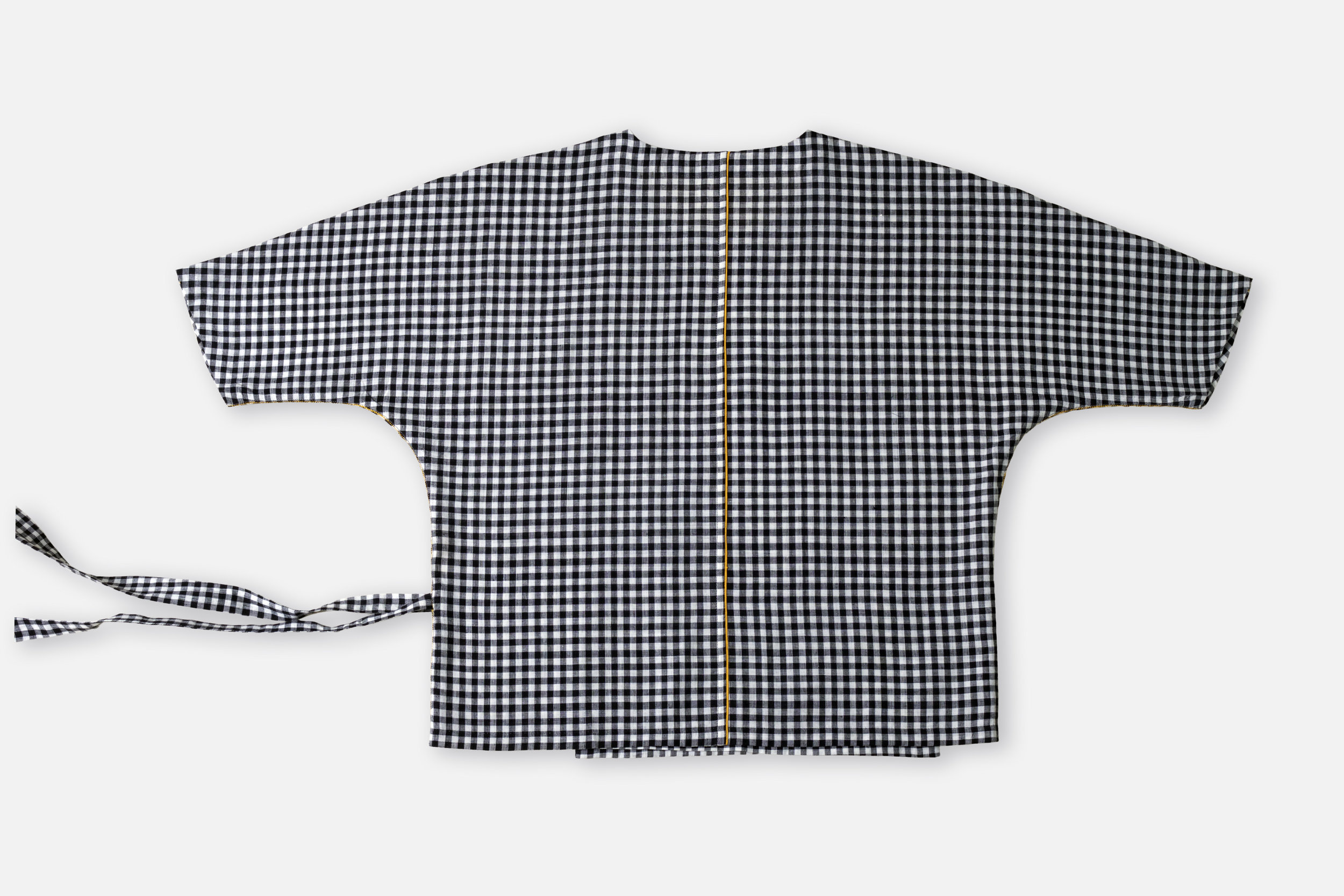
Wrap Top by Beej, 2016. 

Wrap Top by Beej, 2016. 

What were the main social concerns that led you to inventing a sustainable brand? 

We started out with the goal of making simple, durable, quality products, in an ethical manner, that we hope would bring pleasure to their users. We were keen to dispel the notion that good business practices make bad business sense by running a humane and efficient setup.

In the Indian fashion industry, it is common practice for many aspects of production to be outsourced. In such a situation, especially so in a developing country, it is very hard to ensure that the people making your products are working in a wholesome environment and are being treated fairly. We were adamant about wanting to make all our products entirely in-house. It enables us to guarantee that those involved in the making of our clothes get a fair wage and work healthy hours in an environment in which they are treated with dignity and respect. Having direct control over all production processes also enables us to maintain high quality standards. Very few companies, and none amongst our peers that we are aware of, make their own products entirely in-house.

"We were keen to dispel the notion that good business practices make bad business sense by running a humane and efficient setup."

What does the pairing India x Sustainable Fashion tell us today and possibly in the future? Where does its heritage stretch back in time? 

We’ve always thought of tradition as a continuous strand, incorporated in the contemporary – that’s what keeps it alive. India has a long tradition of minimizing waste. Recycling has always been an imaginative and inventive art and is very prevalent. Old saris, for example, are turned into quilts when they can no longer be worn. The sari itself, being an unstitched garment, essentially a piece of cloth that is given its dimensionality by the wearer, is an inspired heritage. It can be worn in many different ways, limited only by the imagination of the wearer, and places emphasis on her instead of on a brand. We feel fortunate to be part of this heritage.

Your pieces look modern and comfortable, and not traditional at all! Who is the customer Beej is aimed at? 

We hope Beej would appeal to those who have an understanding of detail and the feel of what they wear. Our audience is discerning women (age 25 and above) with a simple, understated aesthetic and a personal sense of style that isn’t dictated by trends. We envision our customers to have a wide range of interests, be global in outlook and have an appreciation and affection for India’s rich cultural heritage.

"The sari itself, being an unstitched garment, essentially a piece of cloth that is given its dimensionality by the wearer, is an inspired heritage."

What's the best opportunity that creating Beej has led you to? What has been the surprise element?

Appliqué cardigan by Beej, 2016. 

Appliqué cardigan by Beej, 2016. 

It has been a tremendous privilege for us to get to work with Asha Sarabhai and to get the opportunity to bring Raag to customers in India. Being a small, and young, company we can be nimble and we want to make the most of this by transforming ourselves with each collection. Our first collection takes inspiration from the Russian artist Kazimir Malevich to reinterpret Raag classics and we have exciting plans for future collections. Each collection, while rooted in the values, sensibilities, and the design language of Raag, will hopefully seem fresh and vital. Exploring a different theme for each collection has been great fun and an intellectually and creatively stimulating experience.

https://www.beejstore.com

HIIS Design Furniture: Interior Solutions with an Eternal Stamp

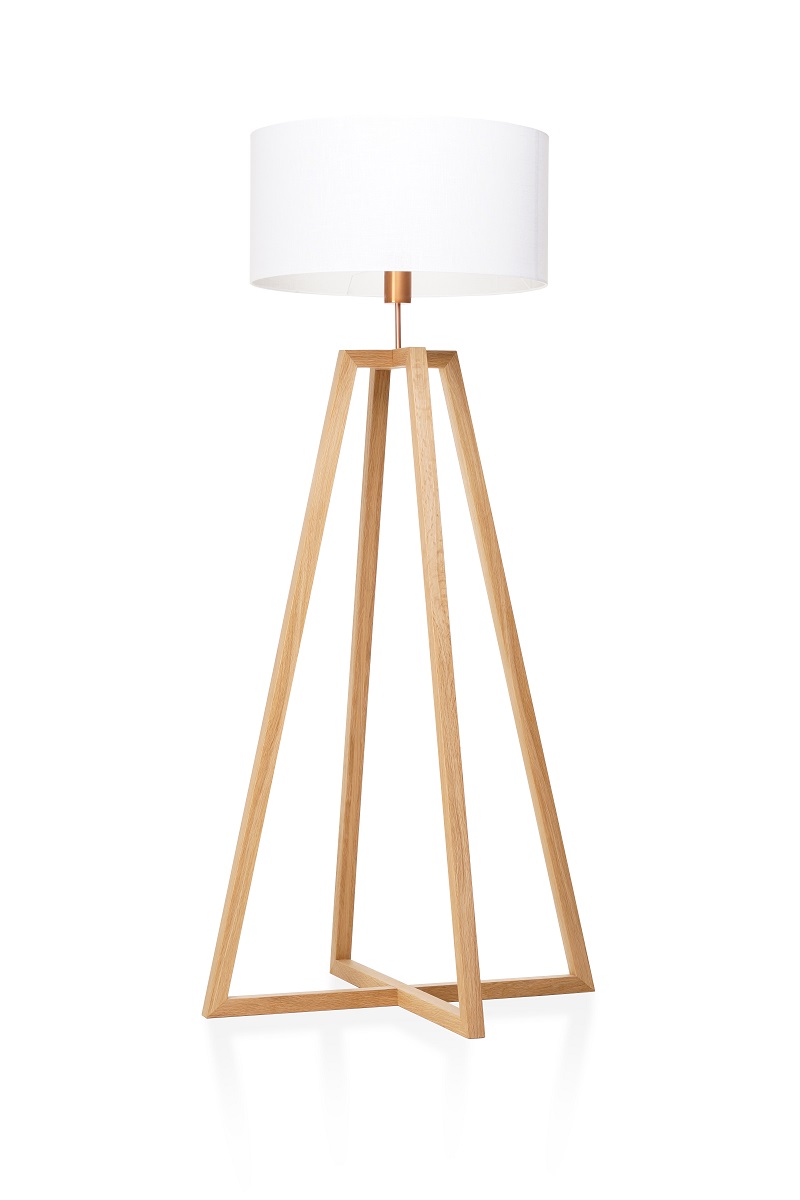
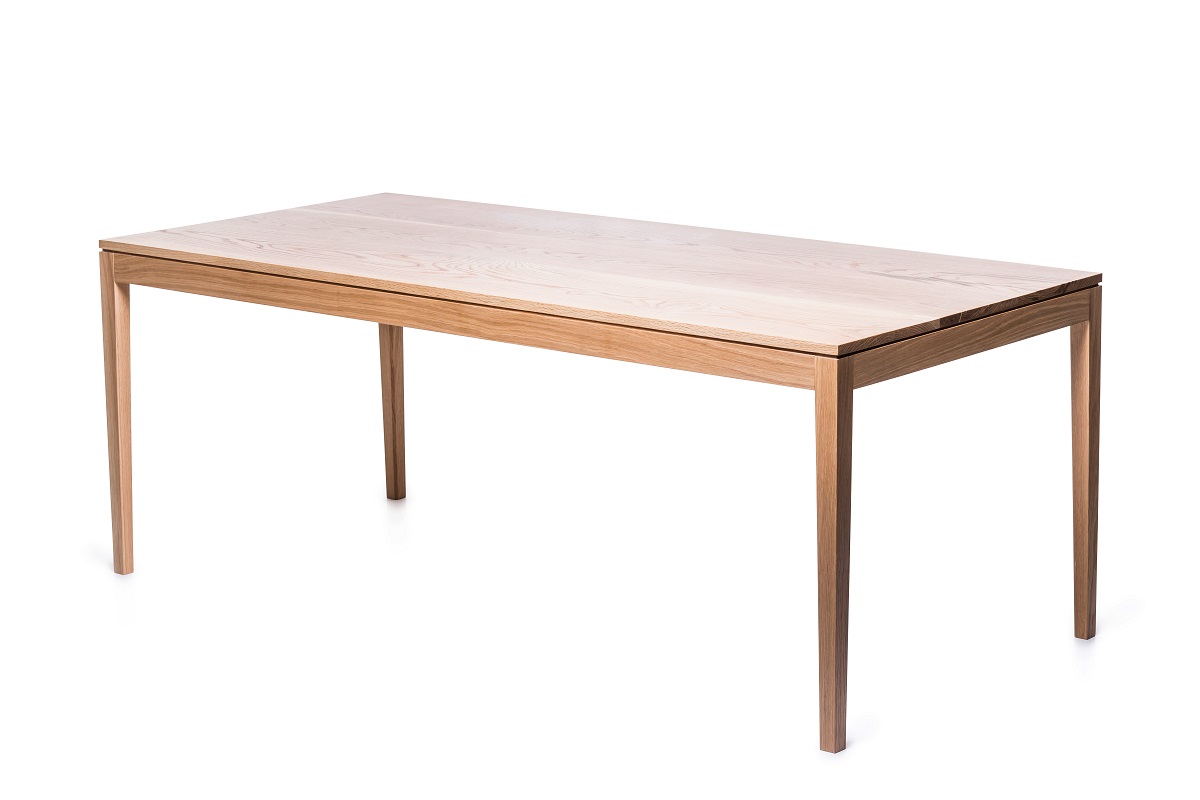
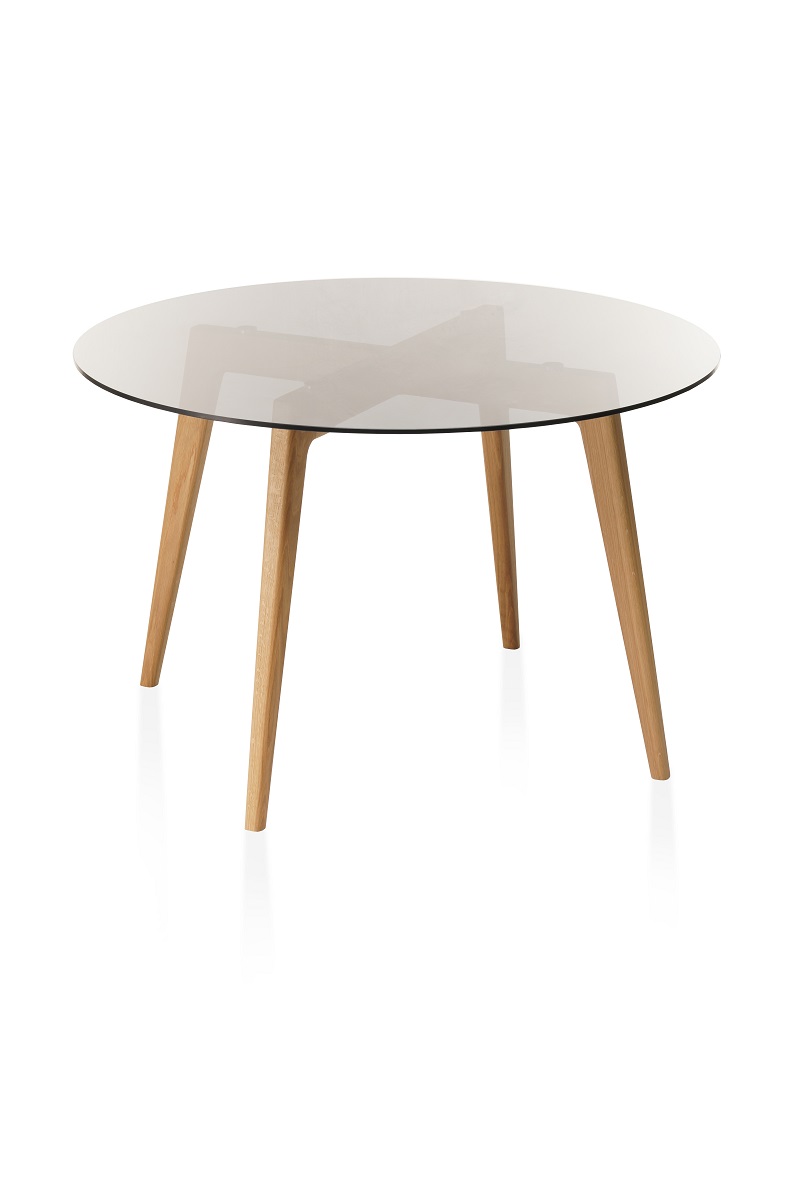
Looking for something to light up your interior design dreams? Something timeless, yet modern? Something bold, yet subtle? Estonia-based HIIS Design furniture stunned us with their effortlessly elegant design furniture made sustainably, with a dash of care and love. To shed light on HIIS Design’s innovative creations, young furniture maker Tõnis-Sander Maarits opened us a door to his creative workshop...

Words: Johanna Raudsepp

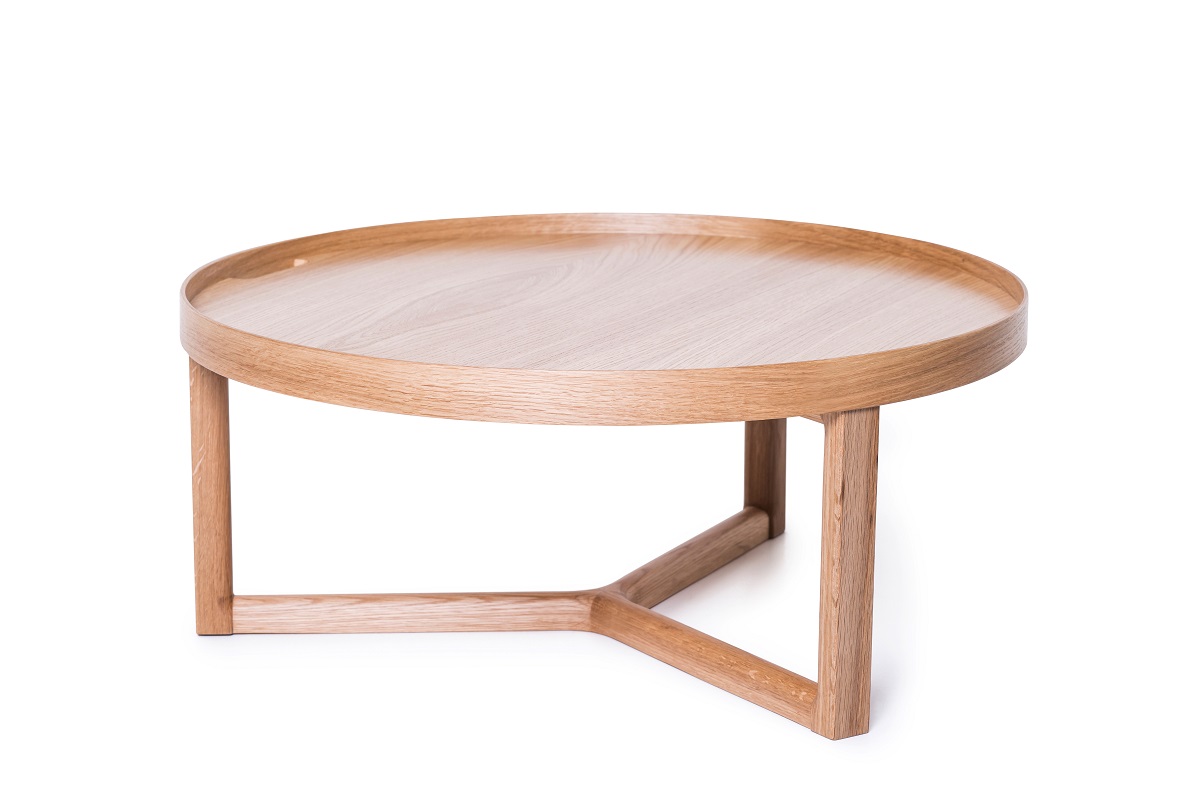
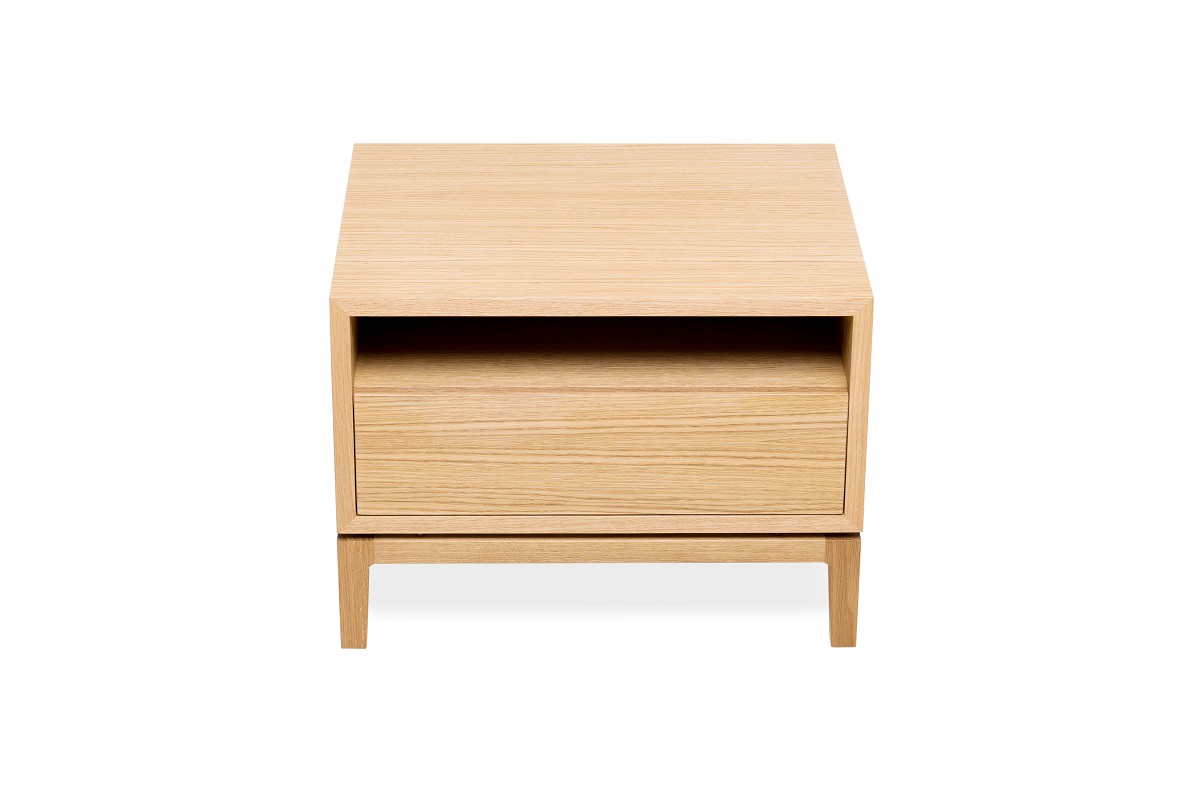
HIIS Design furniture, 2016. 

HIIS Design furniture, 2016. 

What’s your personal take on furniture? What makes a piece of furniture excellent?

The attractive outline, not only at the shop or in pictures, but in the interior where it’s used. Comfort and simplicity, while having down-to-the-tiny-detail design and quality combined, make a piece of furniture a great one. Something made from heart is not just another piece of furniture, but creates an exquisite experience in a room. Take a table, for example – it’s not just some thing to sit and dine at, but it creates a heartwarming shared experience with your friends and family. Good design can help enhance that feeling. 

How does HIIS Design apply ethical practises in your workshop? What’s particularly important for you?

The most important thing in furniture manufacturing is that quality and timeless design [are there]. When a design piece lasts you ages, fitting in with the old and the new, it becomes an environmentally sustainable piece. HIIS Design is for someone who values quality and wants an enduring piece of furniture to bring into their interior that lasts for years. We aim to create furniture that can be the anchor-point in a room, around which you can design everything else. 

As wood production can be harmful for our environment, we make sure to use FSC certified wood as our resource. For Hiis Design, it’s of high importance we use consciously produced wood to ensure forests lasts for future generations. That also reflects in our name (’hiis’ in Estonian translates to ’ancient grove’).

"We aim to create furniture that can be the anchor-point in a room, around which you can design everything else."

HIIS Design furniture, 2016. 

HIIS Design furniture, 2016. 

Is there a personal story… how did HIIS Design come to be?

As a young boy, I used to make ships and other toys in my father’s wood workshop, hammer and chisel in hand. When I was 13, we moved to a new house and I didn’t have any furniture in my new room. That’s when I decided to design and make my own furniture. I made a pretty good bed, which gave me more drive to build other things, like a closet. Every summer I used to earn pocket money from furniture making and restoration. At first, in 2013, fresh out of university, I started my own custom-made furniture workshop, but I always felt like it was not enough for me to build things designed by other people. I began to experiment more with my own designs and one thing led to another, as they say. In spring 2016, HIIS Design was brought to life. 

“Take a table, for example – it’s not just some thing to sit and dine at, but it creates a heartwarming shared experience with your friends and family. Good design can help enhance that feeling.”

HIIS Design furniture, 2016. 

HIIS Design furniture, 2016. 

With regards to environmental protection, how do you imagine the future of furniture design?

Endurance is what makes furniture environmentally friendly. An oak table will last generations, unlike a cheap mass produced equivalent from melamine. A toxin-rich piece of furniture will last 10 years at most. But an oak table will last you until a new, baby-oak is growing, reducing environmental damage. More materials will be used, of course, and a lot of new solutions to battle space deficiency. However, we must not undermine natural materials and living in harmony with nature. I find that people are starting to value earthiness and natural things even more [in furniture design]. Families with kids, especially, want to be able to make more sustainable choices when choosing products for their homes. 

If your brand has a soundtrack, then what would it be like and why? 

The first song that popped up in my head was ‘Thunderstruck’ by AC/DC. Probably because I often listen to that song, when I start my day at the workshop. It creates a nice energy and gets you going for the day. But that’s only a small part of our brand. HIIS Design’s soundtrack would be ‘Spiegel im spiegel’ by Arvo Pärt (Grammy-winning Estonian composer), because when I listen to that piece I find myself in a powerful state of creativity. As the title suggests, a mirror against a mirror reflects into infinity, the same way inspiration has no boundaries. 

"A mirror against a mirror reflects into infinity, the same way inspiration has no boundaries."

Where do you draw inspiration from for new pieces?

Inspiration can strike at any moment, which is why I always carry a notebook along. Even a quick sketch right there in the moment can be a life-saver of a striking flash-idea. I feel like inspiration is deep inside of us, piling up in our sub-conscience since childhood, and is often brought onto the surface again by some small trigger in our adulthood. It’s important to capture those moments and know how to fuel them. I like to get my creativity flowing by going through old books, magazines and websites. Other times, I draw inspiration when watching a movie or a TV show – like Mad Men, where the 60s American-style surroundings can fire up some great memories.

http://www.hiisdesign.com/

Textile Designer Nelly Rose: Honouring Global Artisanship with a Voice

For the London-based textile designer Nelly Rose, on top of placing elements of traditional craftsmanship and up-cycling in the centre of her eccentric textile artwork, the power of collaboration is key. The main themes running through her expressive textile lines are female empowerment and creating a ‘voice’ through her conscious craftsmanship. Nelly Rose is extremely concerned about the de-valuing and vanishing of traditional techniques that should be cherished and preserved instead. Through her vibrant, empowering prints — forever, if we may.

Photo by Marilu Venditti.  

Photo by Marilu Venditti.  

What led you to sustainable approach in textile design? How unique is your approach in London vs on a wider, global scale? 

I have studied Print, Knitwear and Embellishment, and all of these have led me to make more conscious decisions about the materials I was using and where the techniques derived from. In London, my approach is very much inspired by the concept of 'upcycling' and DIY-culture. On a global scale, my work is lead by my curiosity and passion for handcrafts and discovering their origin; nothing excites me more than being able to include them in my collections. I am currently exploring Japan, absorbing the culture and discovering all kinds of beautiful craftsmanship [from the region].

What are the values your brand encompasses? What are the main themes you are keen to explore? 

My values as a brand lie in working on projects which focus around female empowerment and creating a voice through a creative medium. I have worked in various projects from ‘shop window stitch-ins’, raising awareness about the Rana Plaza factory collapse, to the first modest wear runway collection in the UK made entirely in artisan houses in Indonesia.  

I tend to use a lot of typography in my work, which I guess contributes to the idea of raising a ‘voice’. Overall, the main themes I explore in my work are: Handcraft, Messages and Storylines, Protest and Equality, Printed Textiles, Creative Campaigns.  

"The brand I strive to create is my expressive vision of what I consider to be ethical in my own way, whilst still being loud, bold and a little eccentric." 

Photo by Marilu Venditti.  

Photo by Marilu Venditti.  

How does Nelly Rose as a person and as a brand differ, if at all?  

Interesting question! I would say my personality as Nelly Rose mainly focuses on networking and bringing people together, who have similar mindsets about changing the world in creative ways. I guess Nelly Rose is my rainbow vision, my compassion and my voice.  The brand I strive to create is my expressive vision of what I consider to be ethical in my own way, whilst still being loud, bold and a little eccentric.  

Your work was recently showcased at the Green Fashion Week in Milan. What does the experience mean to you? 

Green Fashion Week was a brilliant experience as it fused together my interest in global climate change, as well as having fashion at the forefront.  The new collection I showed was of hand painted up-cycled garments, ranging from denim to leather, which I salvaged from a textile waste plant.  My highlight of the experience was the photo shoot I directed at the Bosco Verticale alongside designer Silvia Giovanardi. It fused the relationship between sustainable fashion and architecture, and it was very inspiring to witness my work being a part of that. 

Although I love the ‘calendar’ fashion weeks, I also have to express my love and connection to other global fashion events such as AFWL (Africa Fashion Week London) and the recently participated in GFW. I find that there is an open dialogue and a more personal level of fashion presented.  

"I tend to use a lot of typography in my work, which I guess contributes to the idea of raising a ‘voice’."

Photo by Marilu Venditti.  

Photo by Marilu Venditti.  

What are the most meaningful collaborations you have done so far? What do you consider perhaps your biggest accomplishment? 

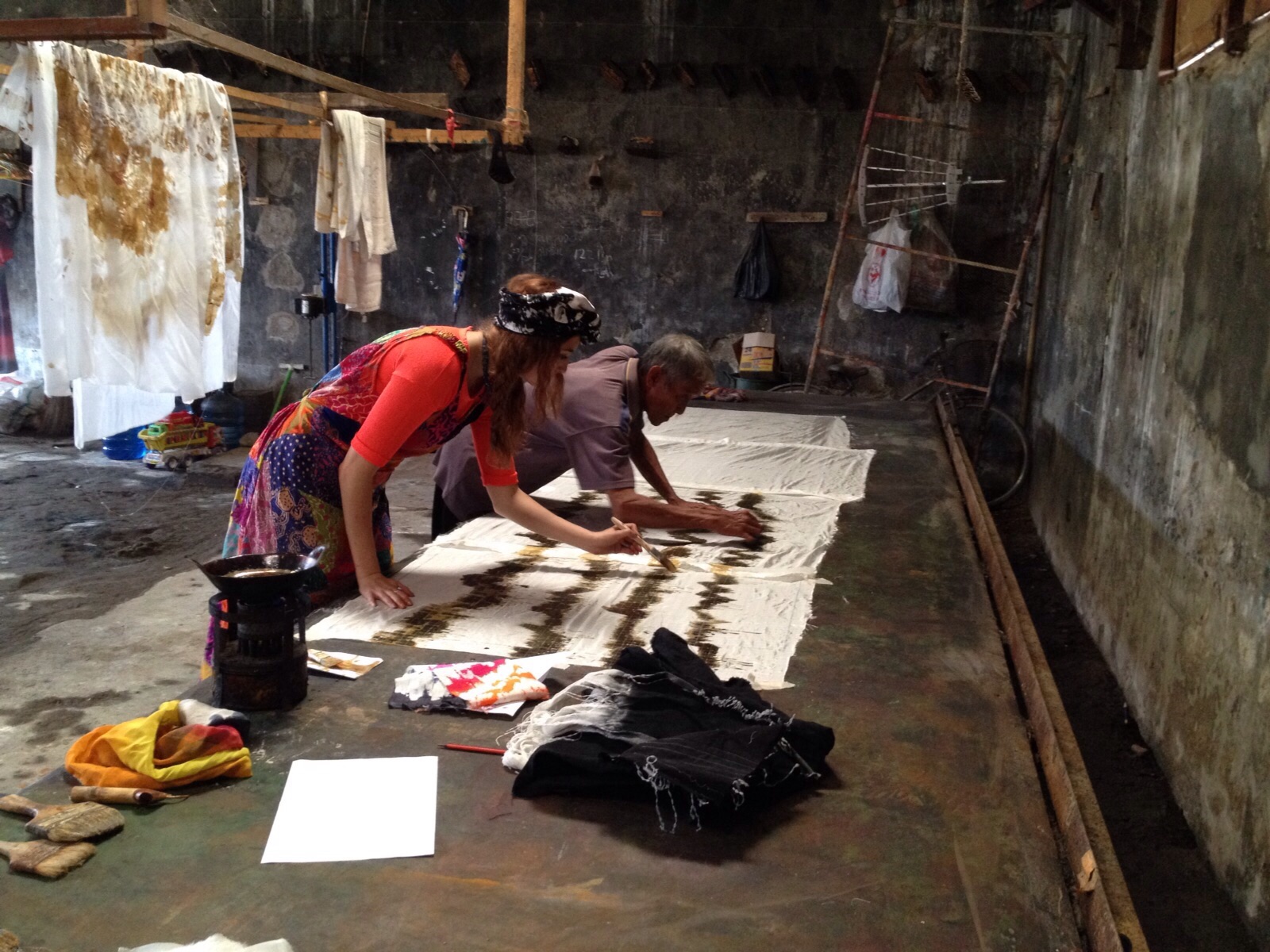
I consider my biggest accomplishment to date the Co-Identity collection which has been showed at the Jakarta Fashion Week and then London Fashion week via Fashion Scout. The collection was a collaboration with Dian Pelangi and Odette Steele in which involved fully immersing myself in Indonesia as an inhabitant and creating the textiles for the full 24 Looks of Modest Womenswear. These consisted of fully hand rendered techniques ranging from hand painted gowns, Batik and Songket weaving.  

Making of: Nelly Rose Artisanal Textiles. 

Making of: Nelly Rose Artisanal Textiles. 

What irritates you about the fast fashion industry? Why do we need a slower approach? 

The fast fashion industry irritates me mainly because of mass consumption and the de-valuing and plagiarising of traditional techniques.  I believe in a slower approach to prevent the de-humanisation of garment workers in the supply chain, thus preventing the capitalisation of poverty.  We take such an avid interest in the ingredients that go into our body or our pharmaceuticals, so I don’t understand why we don’t have the same mindset about what we wear on our skin.  The industry deliberately makes it hard to question, and easy to ignore, so it is imperative we constantly ask #whomademyclothes.  

Do you personally feel it is more difficult to deliver work using ethical and artisanal approach? 

I believe that in order to deliver a luxury product, there should be a transparent process. In my personal work, the initial process is more difficult, as it can be more costly as a young emerging designer; however I am constantly trying to inform myself in ways I can maximise the artisanal approach. I have a vision of working with artisan communities across the world to collaborate on beautiful creative outcomes, and I will carry on finding the most efficient ways to deliver these collaborations.  

"The fast fashion industry irritates me mainly because of mass consumption and the de-valuing and plagiarising of traditional techniques." 

 Nelly Rose, credits: Laila Cohen / Imprint Magazine. 

 Nelly Rose, credits: Laila Cohen / Imprint Magazine. 

How would you categorise yourself in the fashion world? What's the most important message you aim to deliver as an artist? 

I predominantly refer to myself as a designer because I like to create wearable pieces which tell a story. However, as designer refers to the process prior to a piece being created, I also refer to myself as a creative director because I love to work with a concept in various forms, such as film and installation. Ultimately, I aim to deliver an outcome through the power of collaboration, which reflects the journey and honours the craft. 

http://www.nelly-rose.com

#WeAreTesting MOSHI Natural Beauty

Step into the New Year by replacing your old beauty favourites with new more environmentally friendly ones — January is the right time to reconsider our values, recreate ourselves and prepare for a new beginning, leave behind our mistakes, and make vital, lasting changes in our lifestyles to act for a better world, I believe. 

Estonian organic beauty brand Moshi is delivering its herbal spell to the customer longing for trustworthy and effective, yet natural products. Their range of natural goodies, with a loyal Made in Estonia trademark, include all-natural, paraben-free shampoos, facial oils, body creams, scrubs and blends, and they have taken it as far as bringing their take on soy candles to the market, as part of well-being and personal care range. We were immediately allured by their fun, boosting product labels, such as ‘Naughty Girl’  (appropriate name for a body scrub) or ‘Love What You Do’.  These elegant bottles with witty black-and-white labels are loyal showstoppers in every bathroom. If nothing else motivates you to start your day on a positive note, these funny Moshi captions surely do even in the gloomiest winter mornings… 

Hanna-Amanda tested… 

1. ’Naughty Girl’ Raspberry-Blackcurrant Body Scrub

'Naughty Girl' Raspberry-Blackcurrant Body Scrub by Moshi

'Naughty Girl' Raspberry-Blackcurrant Body Scrub by Moshi

When it comes to skincare products, I often want something pampering and luxurious, yet natural and refreshing. Well, there’s no need to compromise — you can be sure this Moshi body scrub has got you covered. I dipped into a steamy bath over Xmas to try its natural spell out. This luxurious body scrub immediately awakens your senses to an oasis of mmm… an extravagantly sweet infusion of summer berries. Letting your body soak after applying the scrub, you realise it’s the heavenly combo blended with olive, raspberry and blackcurrant oils. I don’t know about you, but my skin is receptive to dryness in winter, so I feel it is vital to keep that extra moist securely locked in.

The pampering scrub used before shower oils proved to be an effective way to slough away dead skin cells and get a smooth, radiant texture back instead of my fatigued and dry winter skin. After pampering myself with this lavish moisturising body scrub, I encountered visible results: skin happened to be soft, radiant and well moisturised, revealing a renewed radiance. The sweet magical smell on your skin lasts for days after use… even so, a few people had to discreetly inquire about the source referred to as mystical ‘sweet scent on your skin’.  Are you up for a deep down skin cleanse twice a week?  If yes, you might find out soon you have indeed been a degree naughtier… 

2. ‘Love What You Do’ Pumpking Sea Buckthorn Organic Shampoo

Give your lifeless bangs a real powerful revamp by massaging this soothing paraben-free shampoo on your damp hair and scalp. To begin with, I was happy to discover the texture of this shampoo is quite liquid-y and lightweight, as a sharp contrast to many other more complex haircare products I own. ’Love What You Do’ SLS and paraben free shampoo made with citrus essential oils and aloe vera gently cleanses while rejuvenating dull and dry hair, while pumpkin and sea buckthorn take effect to replenish and restore dry hair, helping to recreate texture and pave the way for shinier bangs at the same time. Even though pumpkins and anything alike have never been my favourite thing, the fragrance is mild and delicate enough not to notice, leaving a rather refreshing feel. My hair showed an improved shine and texture, so I will definitely continue using it as an everyday treat to my dry and misbehaved hair. So long unpleasant morning showers. 

Johanna tried & tested…

3. ‘Good Ideas’  Face Oil with Pumpkin and Sea Buckthorn

‘Good Ideas’  Face Oil with Pumpkin and Sea Buckthorn by Moshi

‘Good Ideas’  Face Oil with Pumpkin and Sea Buckthorn by Moshi

I must be honest – at first I was a bit weary of the idea of a face oil. I have used oils for my hair before, but never for my face. We always want to get rid of oily skin, so it did not make sense to add more oil to it. I am happy to admit, however, that I was mistaken. Moshi’s 'Good Ideas' face oil is 100% natural and you can definitely feel that. Instead of making my face oily, the product quickly absorbed into my skin, resulting in a soft-as-a-baby’s-skin feel. It gave me a healthy glow. During this week of testing I discovered that it’s a great product to use before applying make-up as it nourishes the skin and creates a good base to apply make-up on. The tiny 50ml bottle will last you ages, even if used daily, and it’s comes in a lovely travel sized packaging, so you can always have it with you. 

4. All That Jazz Soy Wax Tealights with Teakwood Scent

Candles are candles, I feel. They don’t have a strong smell, which is good, if you’re into that mellow scent. I have no complaints. A big plus, I guess, is that if you want to be all-natural, then soy wax candles are the way to go, and Moshi does have a variety to choose from. I will certainly check out their other scents as well, this one just wasn’t one for me. 

I love the no-bullshit attitude of the packaging and the ingredients. You know what you are getting and don’t get distracted by yet another pretty bottle, which might not boast great components. It’s the simplicity of Moshi’s products that makes them so unique and elegant. The fun slogans on their packaging are especially memorable, making something simple boldly stand out on your beauty counter. 

http://www.moshi.ee

From Swing Time to Zaha Hadid's Confetti: Your Culture Guide to January

See – Australia’s Impressionists, The National Gallery. Break away from the darkness of winter for the sun-filled landscapes of the Australian Impressionists in the first UK exhibition of its kind. Until 26th March 2017.  

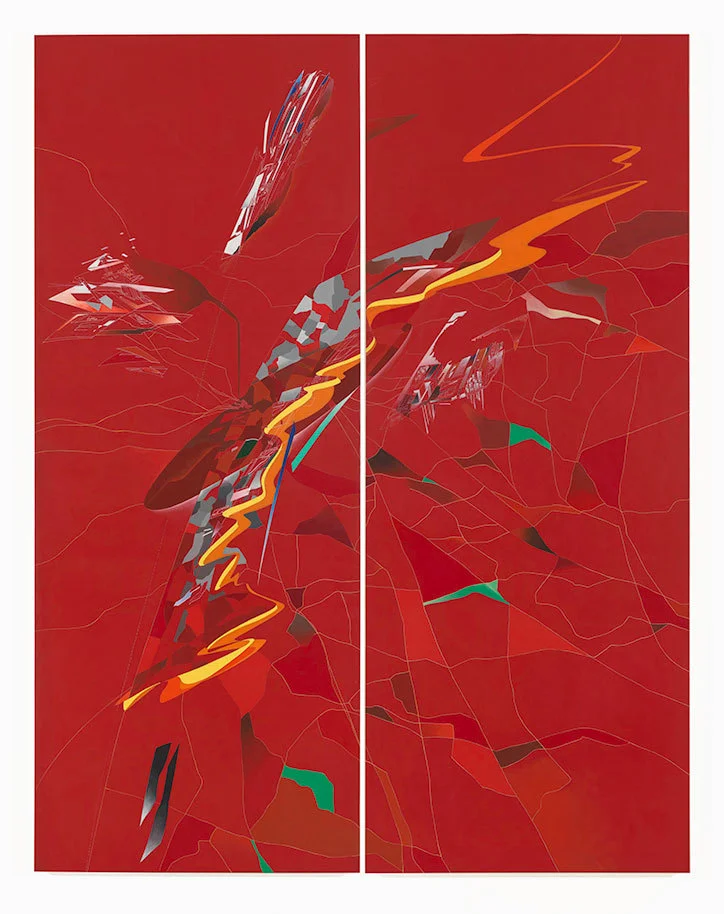
Visit – Zaha Hadid: Early Paintings and Drawings, Serpentine Sackler Gallery. Don’t miss the chance to see the rarely seen drawings of the visionary architect Zaha Hadid. The exhibition is housed in the Serpentine Sackler Gallery extension that was completed by Zaha Hadid in 2013. Until 12th February.

Eat – Kricket, Soho. If you have already tried their amazing Indian small plates, you’ll be pleased to hear that Kricket is opening their second restaurant in a larger space with the same delicious food. Opens January 5th. 12 Denman Street, Soho, London, W1D 7HH. 

Read – Swing Time, Zadie Smith. Start the new year right with a great book. We seem to love everything that Zadie Smith releases, but her latest is a brilliantly written treat. 

Do – Chinese New Year. Whether you celebrate at home or in the main parade in Central London, see in the Year of the Rooster surrounded by colour, friends and dragons.

Dreams Vs Reality: Kelpman Textile Sustainable Wool Coats

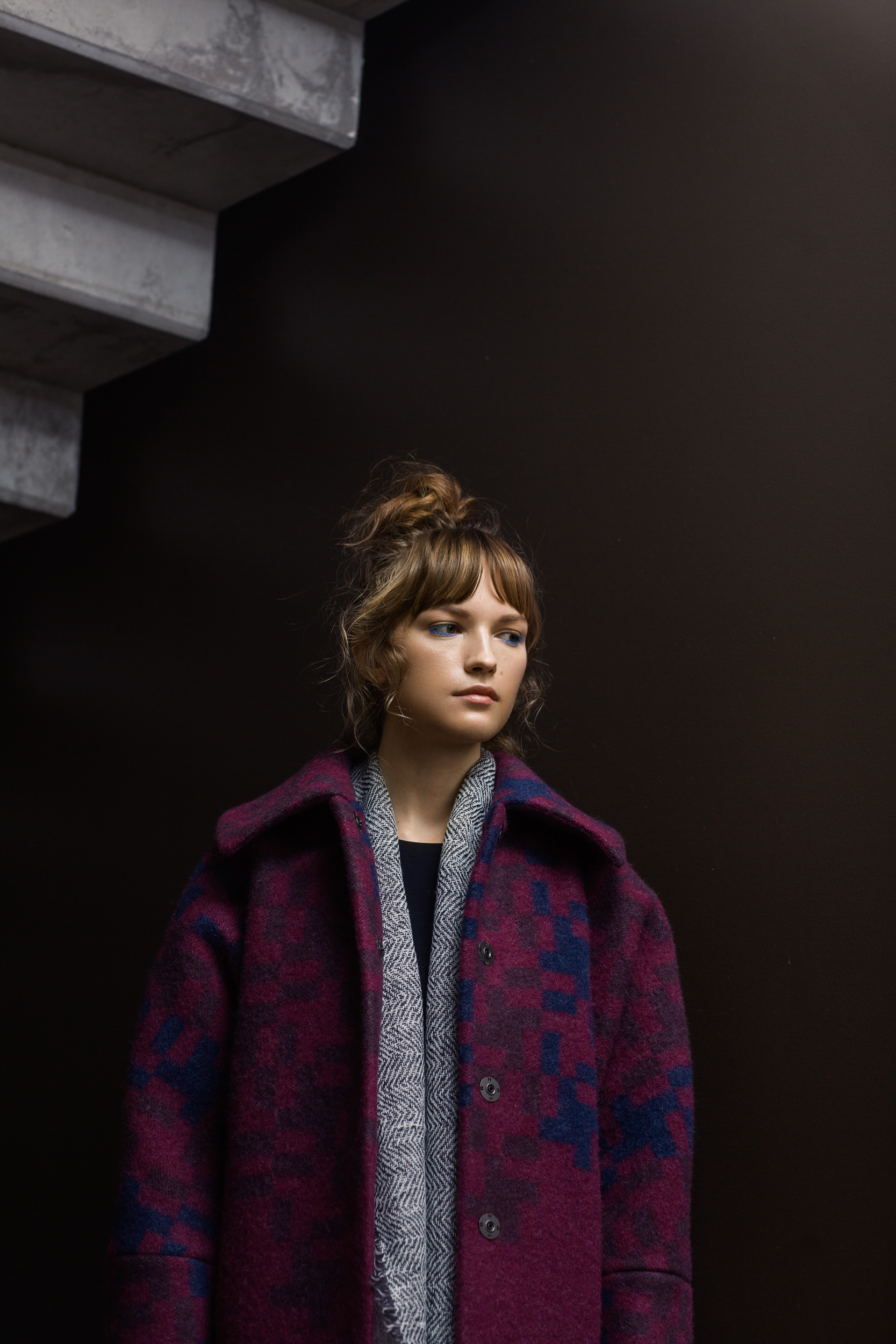
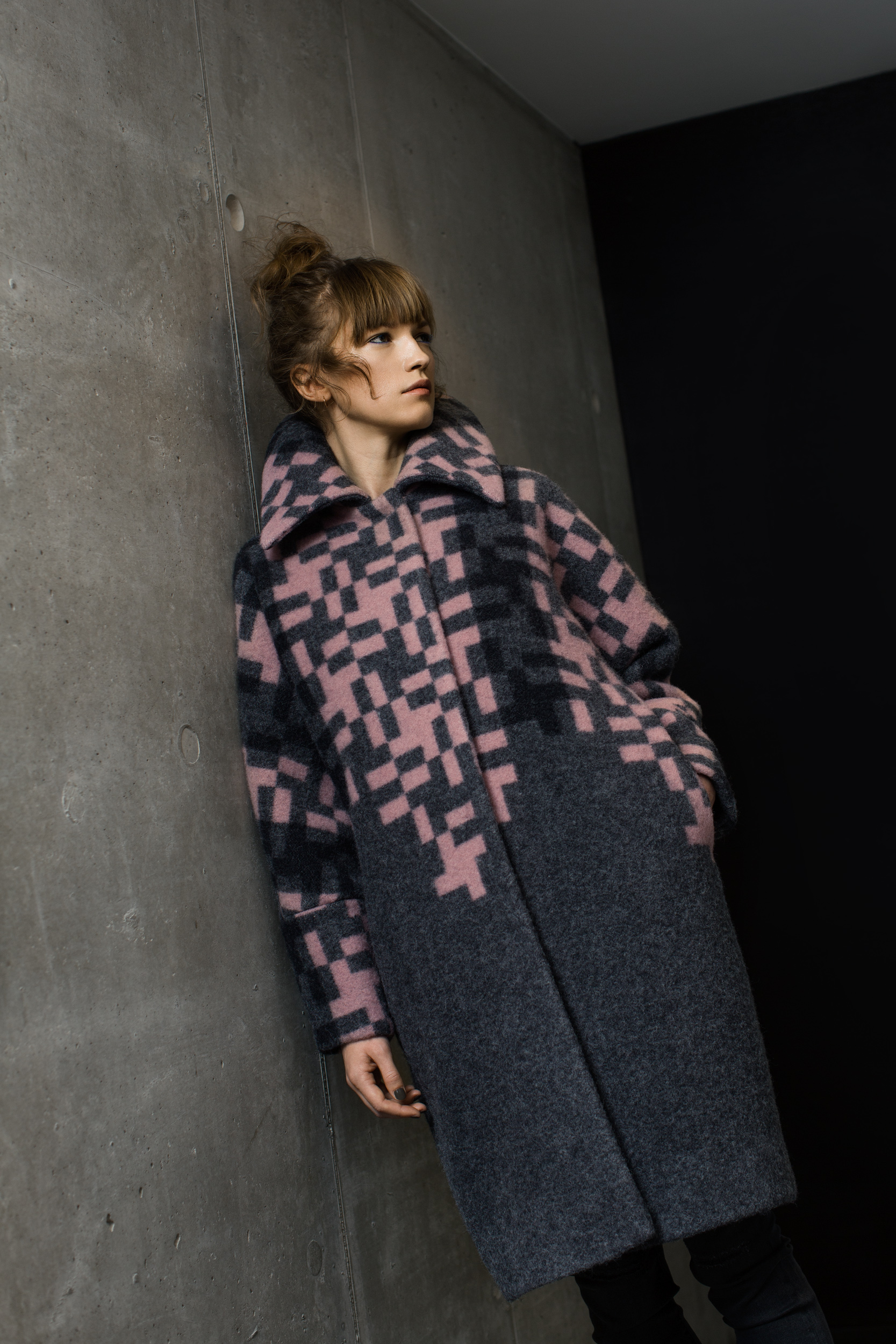
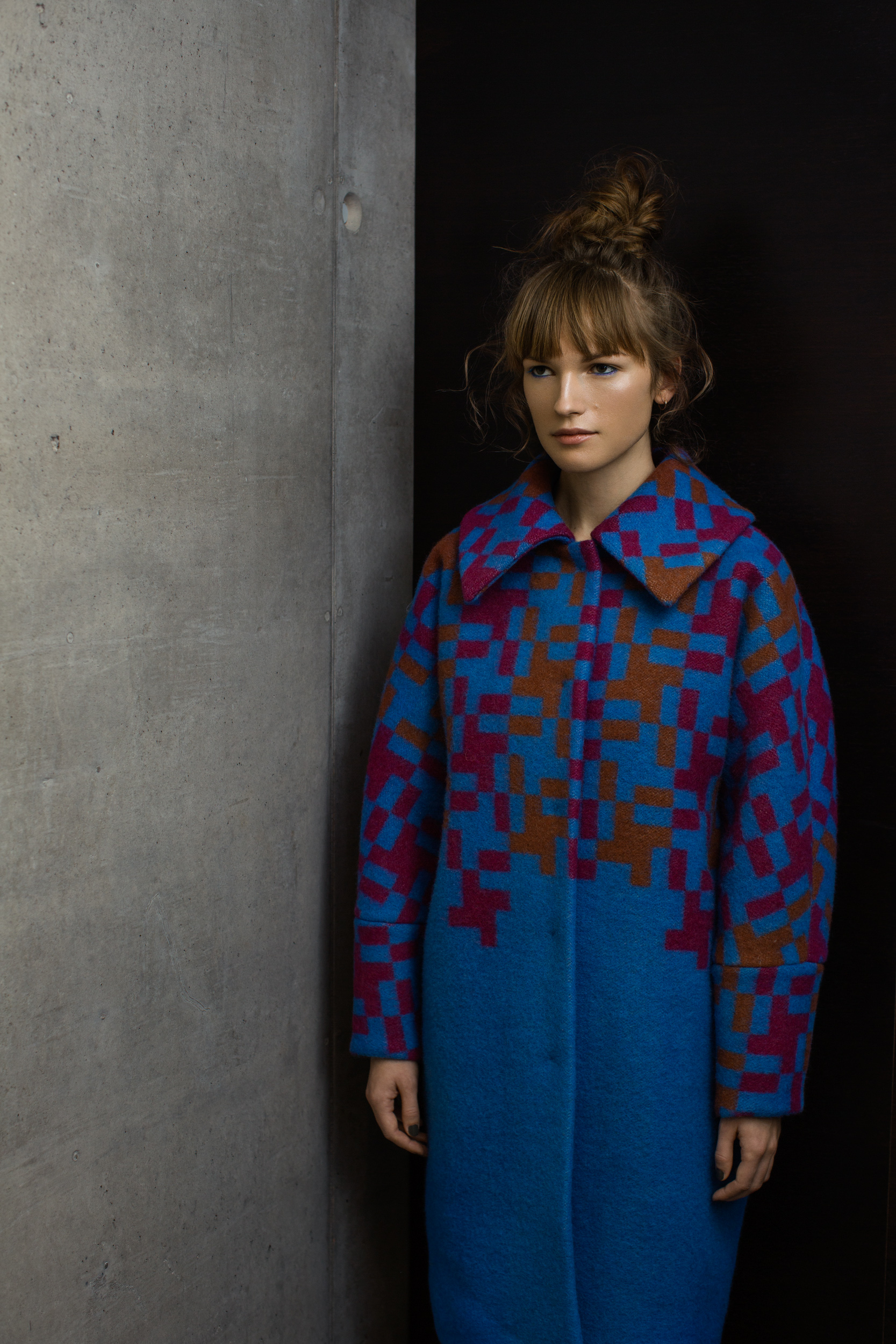
Hailing from Estonia, textile designer Mare Kelpman creates thick blanket-like wool coats that warm up even in the coldest nights of Nordic winter. Kelpman Textile’s latest collection Sophy combines sustainable design, architectural elegance and Nordic simplicity. Her unique patterns laced with asymmetry and artistic colour combinations are beautifully eye-catching. What inspires such magnificent design?, we ask. 

Words: Johanna Raudsepp

Sophy collection wool coats by Kelpman Textile, 2016. 

Sophy collection wool coats by Kelpman Textile, 2016. 

We love seeing designers with an eco-friendly approach cropping up in the Scandinavian region, but we must admit this way of looking at design has not conquered the world yet. Why have you chosen to pursue sustainable approach in textile design?

For a while I taught at the Estonian Academy of Arts and I always urged my students to think what to do and how to execute it. [I’ve always advised students that] if you don’t have a sustainable idea, then seriously consider, if it’s worth creating at all. Following this path is pricey, which is why it’s marginal – the profit won’t be great nor happen fast. The way I see it, for me there is simply no other way – the joy from creating is far more important than the profit you make. I don’t see any reason to overwhelm the world with even more synthetic things.

Sophy collection wool coats by Kelpman Textile, 2016. 

Sophy collection wool coats by Kelpman Textile, 2016. 

What are the setbacks you have experienced following the sustainable route? 

I can’t say that I have. More or less so, I have encountered the expected issues of having a small business and finding the right partners, who are flexible to fulfil orders of all sizes. In Estonia, my products were initially received with jaws dropped– what do you mean you’re making wool clothing? Where’s the glamour and affluence usually en vogue in the local fashion scene? I exhibited my products at many foreign fairs and finally got the reassurance I’m doing the right thing. Now I’ve realised that small businesses emphasising natural textiles are emerging, too. 

What inspires you in creating different textiles?

 Primarily the people who I create for in my head. I feel like I know my potential client quite well. However, focusing only on the commercial side doesn’t work either. I am inspired by rhythms and colours from nature and architecture. What really drives me is conquering technological challenges. You can dream of different fabrics and structures all you want, but it really comes down to the technical ability of the partners. Creating textiles requires a compromise between dreams and reality.

“The joy from creating is far more important than the profit you make.”

What material do enjoy working with the most?

 Right now, my favourite is wool, as you can see from my product range. But every material can be challenging to work with, if you choose the right approach. For example, in the summer season I reach for linen and a little bit of silk as well. Wool is a material for which you don’t have to kill or exhaust dry land, as sheep require shearing. Since I only work with European materials, I know where and how the yarn is created, in what conditions and I can be sure that it’s also certified. I produce all my products and fabrics in Europe and I know those small factories well.

Creating textiles requires a compromise between dreams and reality.”

Sophy collection wool coats by Kelpman Textile, 2016. 

Sophy collection wool coats by Kelpman Textile, 2016. 

If you had to compare your design to a natural phenomenon, what would it be and why?

Perhaps the refreshing morning dew before a hot day. Freshens the air.

What can we look forward to in 2017?

Hopefully great execution of some fresh ideas. A year ago, I didn’t even plan on having my own store. Now that has been set up and gotten a lot of positive feedback. I like to let life surprise me and am open to new challenges on the way. 

Find Mare Kelpman's designs in Tallinn, Estonia, at the Kelpman Textile store, or online at www.marekelpman.eu.