Starch Slides — Shoes of Up-Cycled Men's Shirts for The Girl On the Go

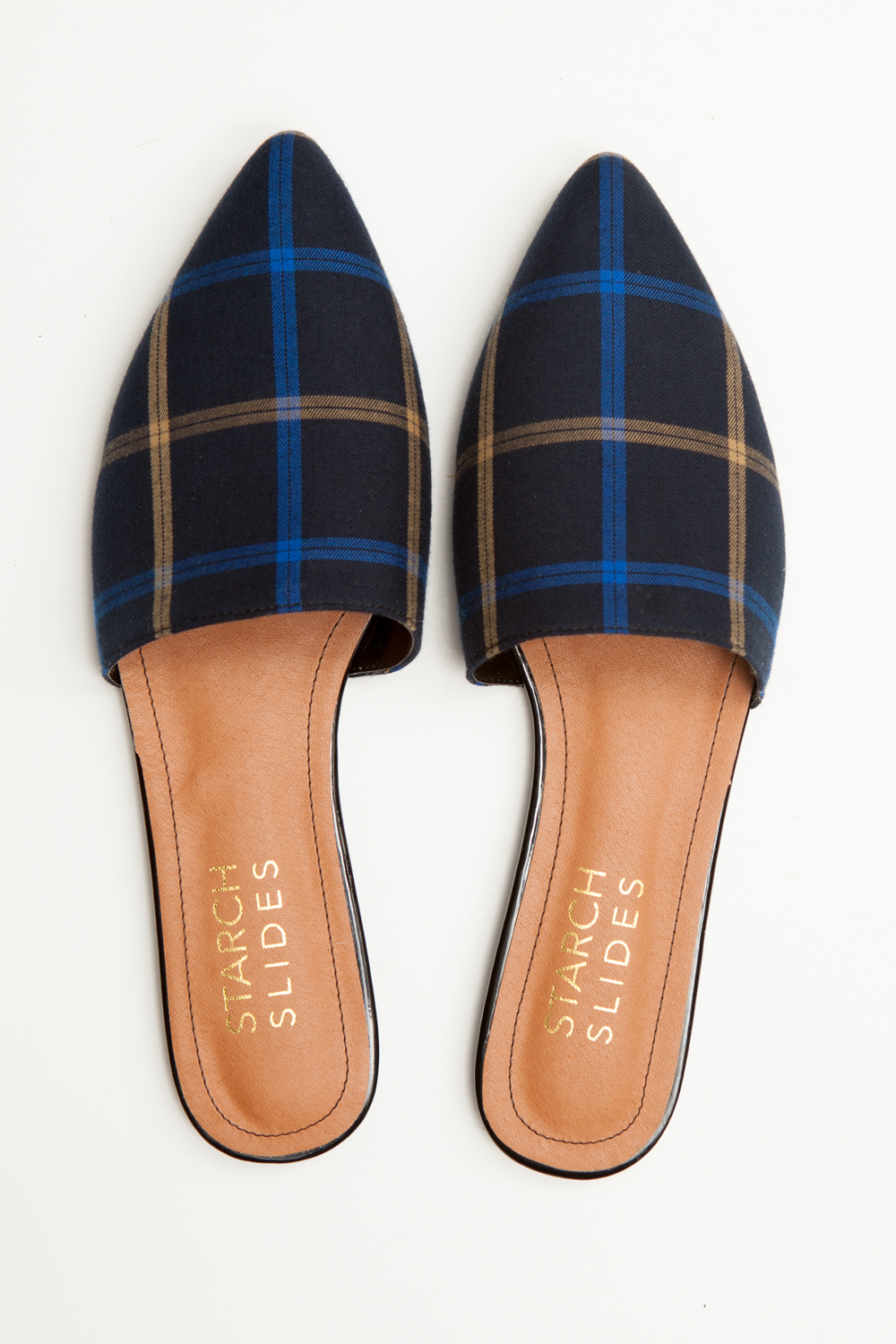
NYC-based Starch Slides is a unique footwear brand that has mastered crafting the perfect slide-on shoe, whereas proudly pairing the sustainability element of up-cycling men’s shirts with vegan leather. At Starch Slides, individuality is the key — no other pair for ‘the girl on the go’ looks the same, ever. Savant talks shoes and sustainability with its founder Shannon Crowley.
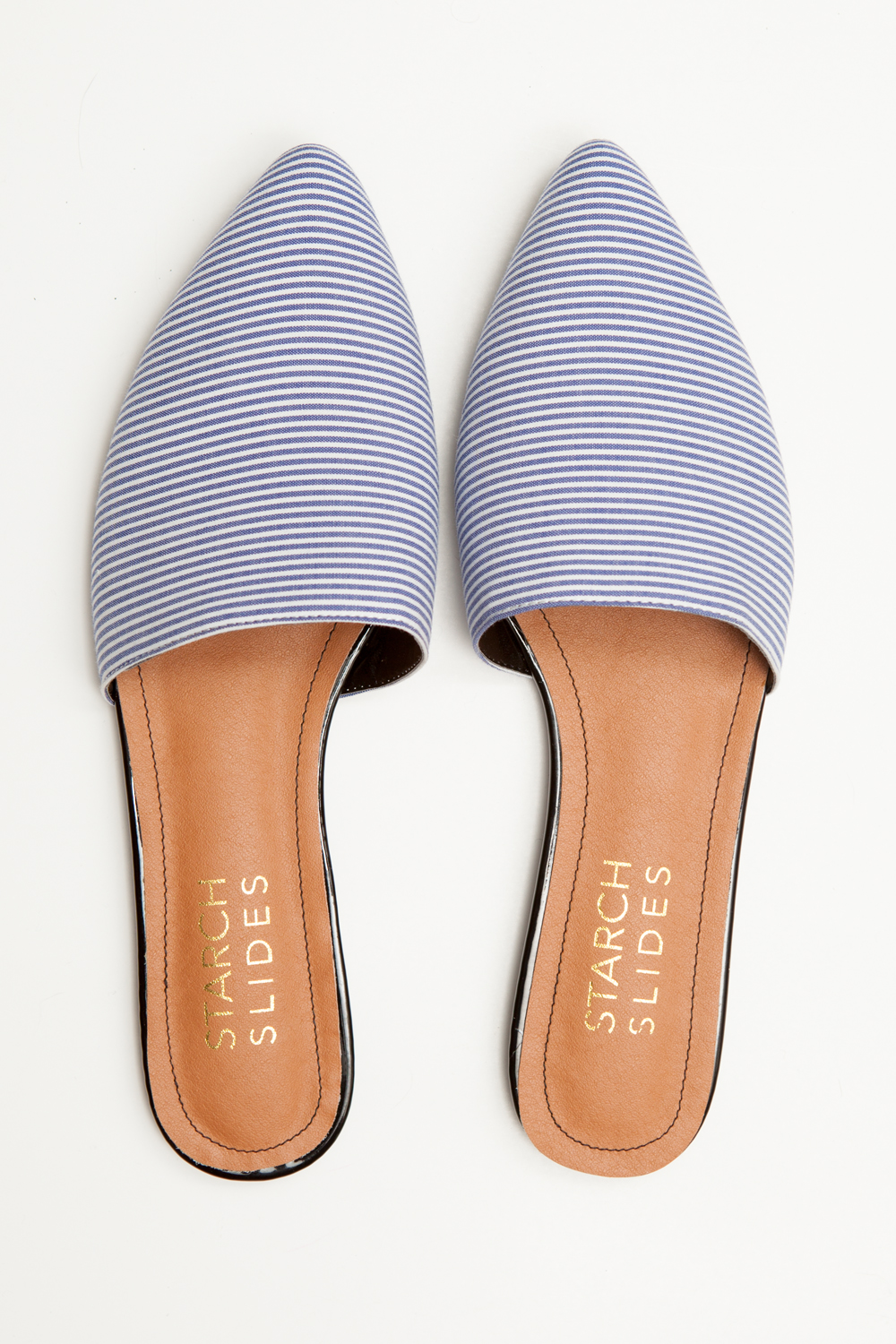
Starch Slides 2016. 

Starch Slides 2016. 

Particularly considering the environmental impact, what informed the creation of Starch Slides?

As I come from a retail buying background, I wanted to bring a brand to life that was eco-friendly without looking entirely “granola”. I woke up in the middle of the night with the idea of up-cycling men’s shirts as shoes, and I sketched [my vision] and took it from there. 

What's your personal relationship with sustainability? How much does it reflect in your brand?

Starch Slides is very much my personal style — they are cool, effortless, comfortable and original. I have always been aware of green living, watching my waste and hoping others do the same. I think even doing little things make a huge difference over time, and not being sustainable is irresponsible at this point. Little things, like skipping the plastic produce bag when buying oranges, using a refillable water bottle, and washing and reusing plastic Tupperwares when ordering take-out can make a big difference. 

"I have thought I dislike many styles of shoes, then I see a woman rocking them and looking totally cool. This has taught me not to judge."

Your design philosophy is to create a unique, one-of-a-kind pair of shoes that no one else has. Describe the woman who starts her morning routine wearing Starch Slides…

The Starch Slides girl is a girl of any age — our audience ranges from 17 to 60. The prints of a men’s button-up shirt resonates with all ages, as the shirts are so classic. A big trend has been for mothers and daughters to each get a pair (different styles, of course), the style of slides is so simple that the shoe really changes personality based on the shirt we used to make it. They are for the girl on the go — simply slip them on and run out. Also, they come in a reusable backpack and take up little room in a suitcase, so they are a perfect travel shoe. I bring at least 4 pairs to every vacation I take. 

Starch Slides 2016.

Starch Slides 2016.

Could you elaborate on the concept of 'vegan' leather? 

Vegan leather is made of polyurethane — it is durable, playable and breathable. We use vegan leather because we want to have as small of a carbon footprint as we can possibly get. We bind the fabric from the shirt to vegan leather so your foot stays secure and the slide is very durable. Trust me, I am bashing through the streets of NYC and I have yet to wear through a pair, and I am not easy on shoes. 

"Little things, like skipping the plastic produce bag when buying oranges, using a refillable water bottle, and washing and reusing plastic Tupperwares when ordering take-out can make a big difference."

What's your opinion on the fashion and footwear industry exposing itself to a greater degree of transparency? Is there still a long way to go to acting completely green?

I think that consumers are doing a great job of asking questions, this is leading brands to expose the truth behind the process of their factories. I do think many brands are taking strides where they can to become green, which is a wonderful thing to see. We have a long way to go, but I think we will get there in time. 
What do you hate the most about the mass production of shoes? What makes creating a sustainable shoe difficult?

I hate the cheap prices of mass produced shoes. It’s hard to work so hard to make sure your shoes all have their own, unique personality, then walk in a store and see shoes on sale for less than lunch. People need to continue to remind themselves, “who is getting paid?”, when they see prices that are too cheap to believe. 

What's the type of shoe you hate to see or wear? What makes a shoe beautiful?

I have thought I dislike many styles of shoes, then I see a woman rocking them and looking totally cool. This has taught me not to judge. I definitely have my own style, it is rocker/boho. When I am not in slides I am in sneakers or motorcycle boots. I live in New York City and always need to be in outfits that transition from day to night, [that are] easy and understated. So Starch Slides are the perfect shoe choice for this girl on the go. 

http://www.starchslides.com

MUD Jeans: The First 'Circular Economy' Based Denim Label

The Dutch denim brand MUD Jeans has gained fame beyond making jeans — the foreseeing, conscious denim maker operates on a ‘circular economy’ based brand model, aiming to shift the perspective of completely guilt-free consumption as a mere utopia. This means you are not just blindly buying a comfy pair of everyday jeans, but renting them with a bonus of swapping your most cherished ones against a new pair every year. Never letting go of your favourite jeans forever whilst doing good for the environment… sounds like a fair enough trade! 

Savant spoke to Danique Gunning, Marketing Manager at MUD Jeans.

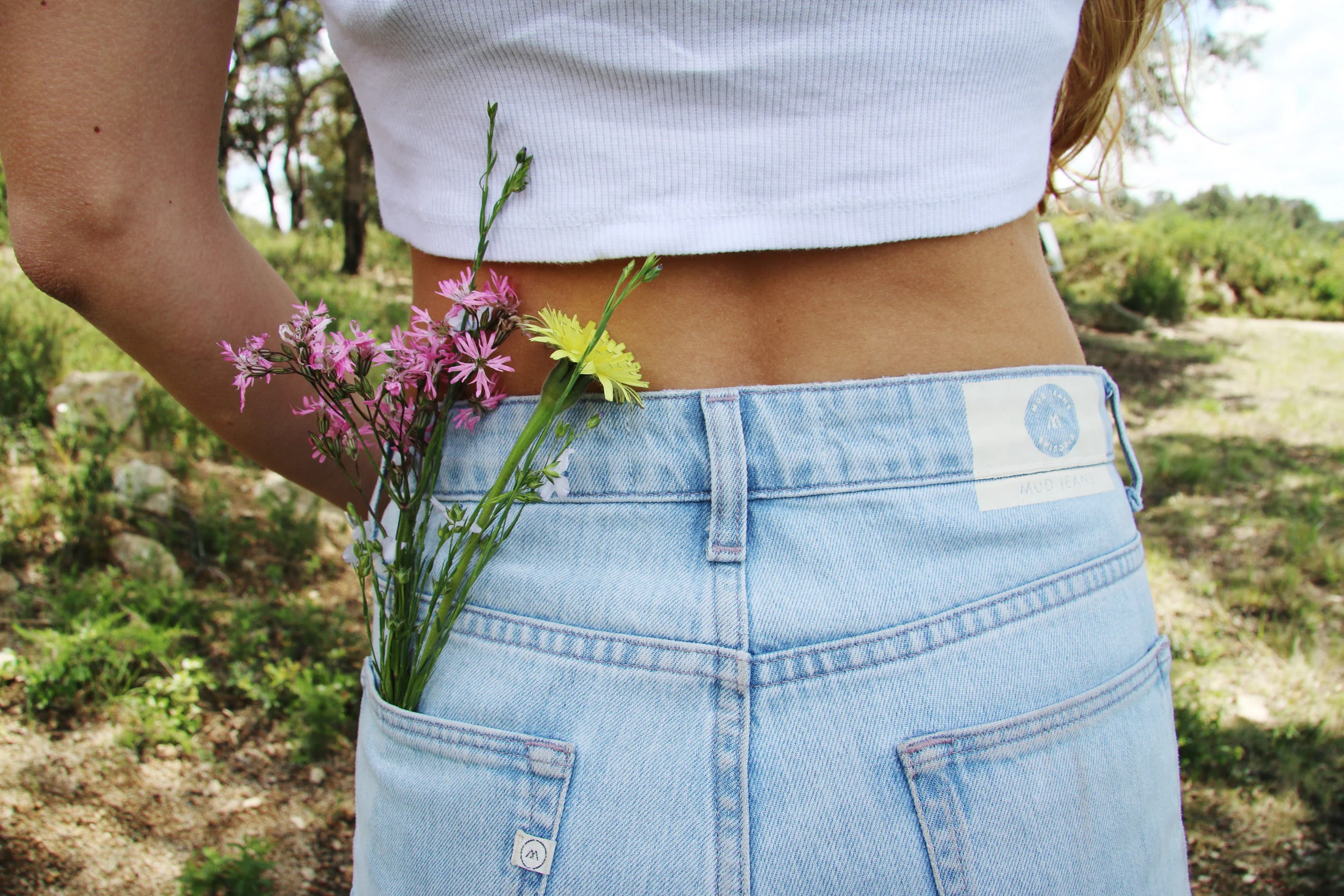
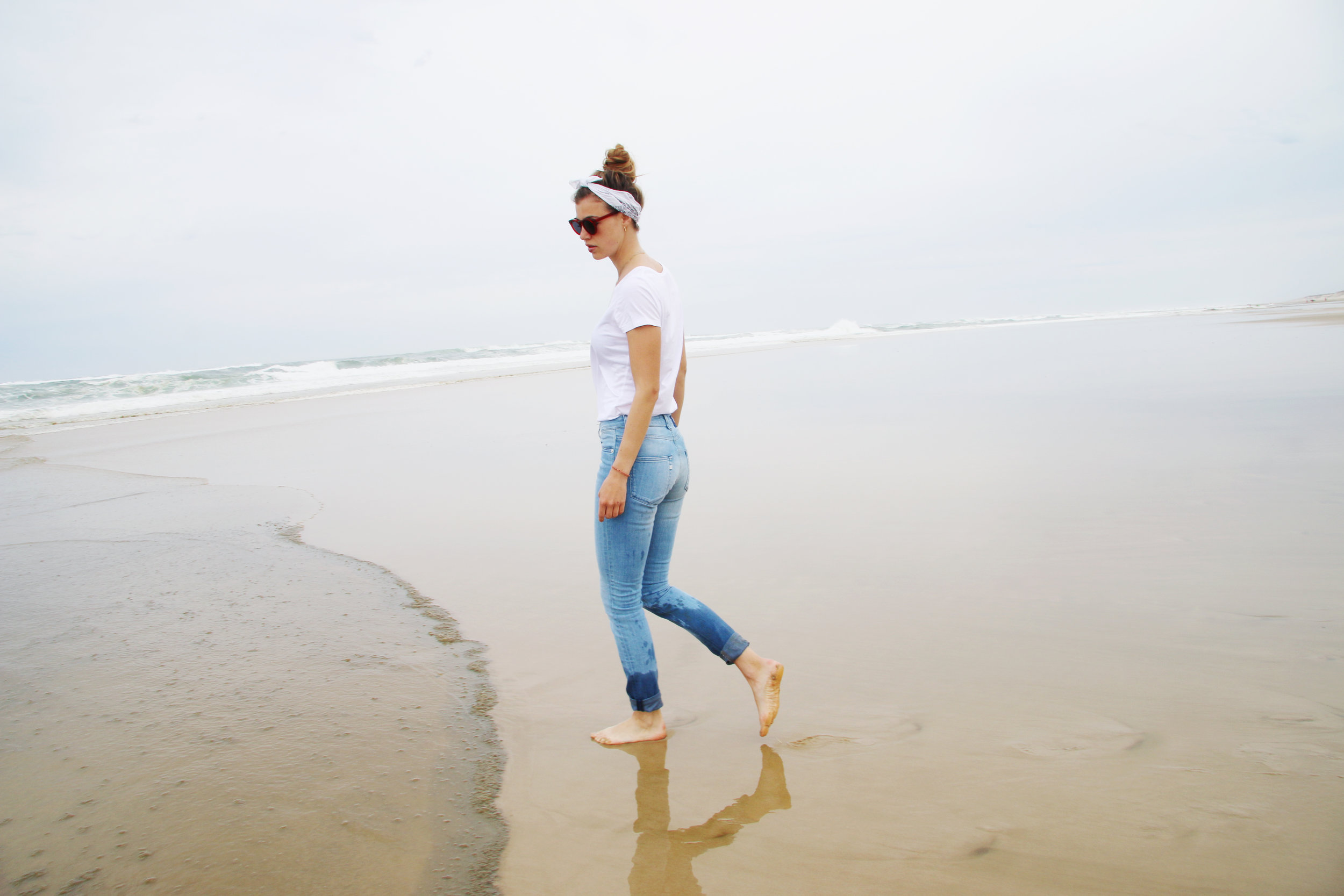
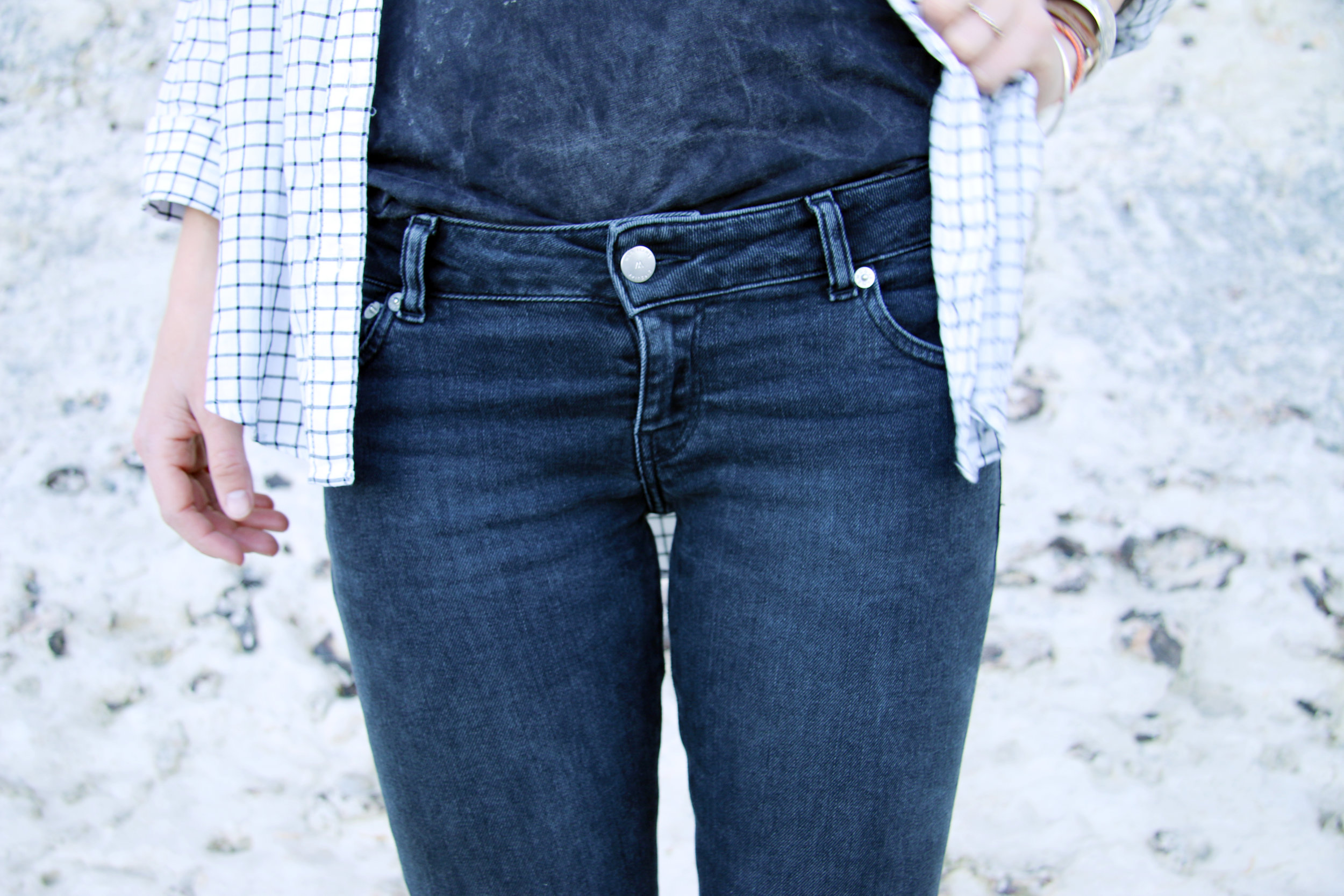
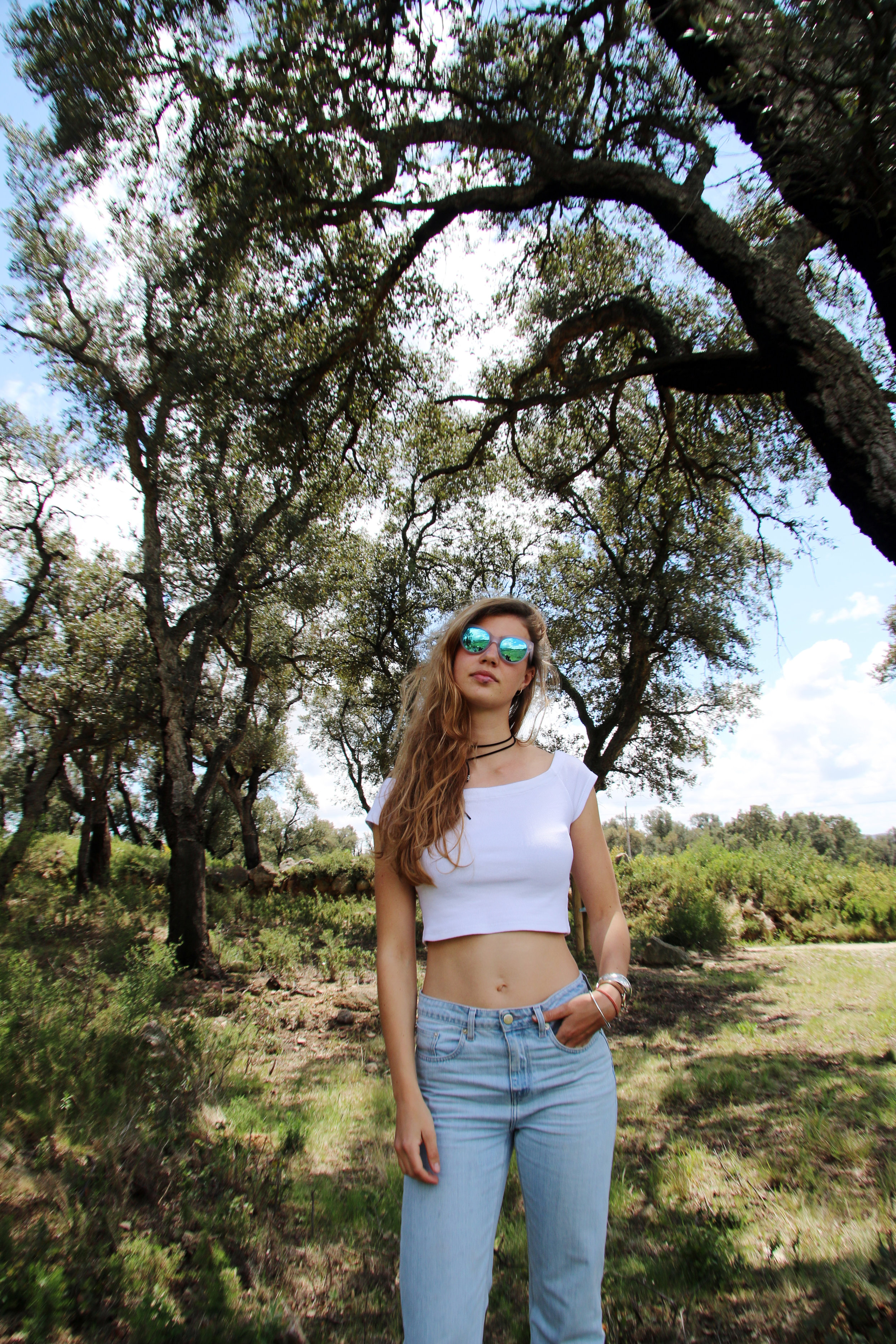
MUD Jeans Campaign 2016

MUD Jeans Campaign 2016

MUD Jeans operates on the model of circular economy. What does it mean, to put simply? 

We live in a linear ‘take, make and dispose’ system, although we know our resources aren’t infinite. [The reality is], in the textile industry, we throw away a lot of clothing. We even burn it. Burning clothing accounts for 10% of the CO emission worldwide. So we have to change the way we do business. In a circular economy, there is no waste. We use old jeans — the ‘waste’ — as the resource for new denim products. We have made the circular economy practical by introducing the ‘Lease A Jeans’ concept. Customers pay a membership fee of 20€ and after that the pay only 7.5€ a month. After a year, they receive an email from us, asking whether they want to continue wearing the jeans or if they would like to switch to a new pair. Around 80% decides to switch to a new pair. Doing business in the circular economy thus means that, above all, you build long-term relationships with your customers. 

“Doing business in the circular economy thus means that, above all, you build long-term relationships with your customers.”

MUD Jeans: Circular Economy Model. 

MUD Jeans: Circular Economy Model. 

Why do you think many brands reject taking that responsibility of being completely transparent in what they do? 

I think brands should be transparent in what they’re doing because people expect this nowadays. Even though a brand makes mistakes, they should at least be honest about it and explain that they’re striving for the better. 

Can consumption ever be entirely guilt-free?

It can for sure. It all starts with not buying things you don’t need. But if you purchase a circular product, you know that the materials will be reused. Also, doing business in the circular economy creates a lot of jobs in the recycling sector. But above all, you’re giving the resources back to the Earth at the end of use. This is our understanding of entirely guilt-free. 

MUD Jeans Campaign 2016

MUD Jeans Campaign 2016

What are the general attitudes towards fashion and sustainability among the Dutch? 

People talk about it a lot and only very few of them actually act accordingly. But things are changing at their own pace. More and more people have become aware of the damaging effects of the fashion industry on our planet. I think people just lack the relevant education on the topic, and they have to learn that alternatives can be as fashionable. 

“Our own jeans are first sold as vintage, if they still look great. Worn-in jeans can be very fashionable, especially if you give them a redesign.”

What is the most difficult aspect in terms of educating the customer about environmental responsibility? To what extent does the education aspect of marketing matter?

Nowadays, people are so overwhelmed with information already. So it is important that the information we give about sustainability and about circular economy is fun, above all. In May 2016, we brought 3,000 returned lease jeans to our recycle factory in Valencia. Have a look at the Recycle Tour Video (link to YouTube). Through this trip, we showed that practicing in the circular economy can be a source of creative ideas and incorporate a lot of fun, too. 

What can we all do to fight against the harm caused by the increasingly polluting fashion industry?

We can make sure our products are designed in such a way that they can be recycled after use. For example, we have already instructed the designers in the production process to make a difference. We are also thinking about how to reuse the products after being worn, for that we have introduced several waste streams — for returned jeans from other brands and for returned MUD Jeans. Our own jeans are first sold as vintage, if they still look great. Worn-in jeans can be very fashionable, especially if you give them a redesign. That’s what we do — we redesign the jeans on demand. 

http://www.mudjeans.eu 

Les Sublimes: Pairing the 'Ethics' with Parisian Chic

Apparently, organic has been a thing in French women’s grocery lists for years, but what does it take to introduce the word ‘organic’ into their everyday fashion choices? Sometimes the answer lies in an accidental research trip to the Himalayas in Nepal, during which long-term friends Kachen Hong and Alexis Assoignon experienced their own Eureka! moment, leading them a step closer to revolutionising the world of wardrobe staples in France. Les Sublimes surely serves as a complement filling in the gaps in the quintessential, timeless 'Parisian chic' style directory…in a delicately sublime way. 

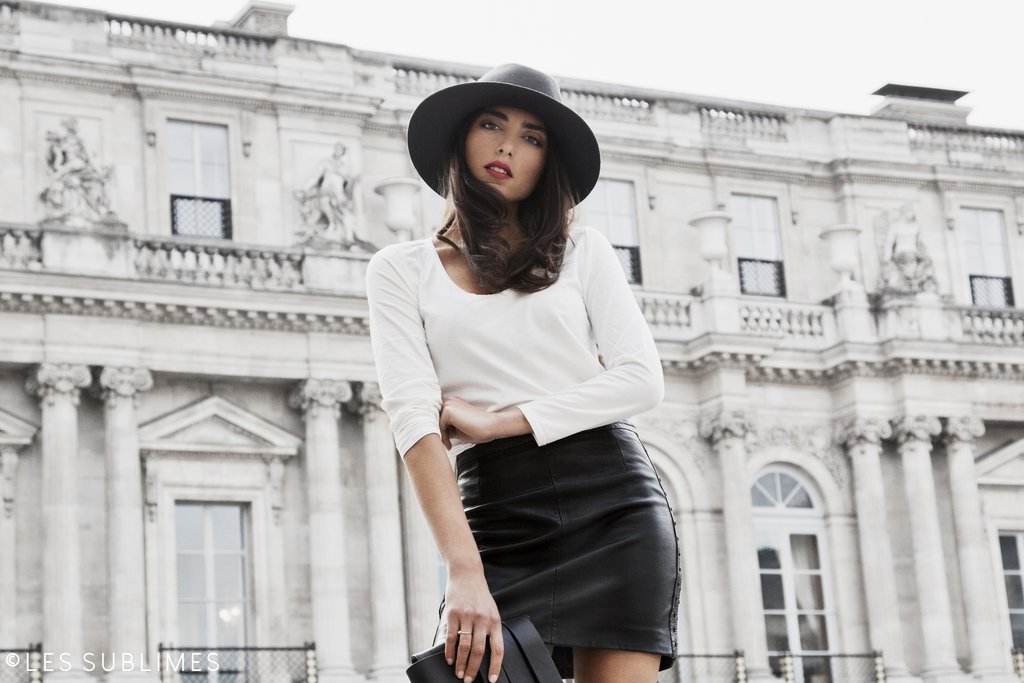
Les Sublimes A/W16 Campaign

Les Sublimes A/W16 Campaign

What does Les Sublimes represent?

Co-founder Alexis Assoignon: Les Sublimes is France’s first sustainable luxury brand sold exclusively online. Les Sublimes is a brand that doesn’t make you compromise on your needs, while also making you look and feel good on the inside and out. That is what we define as being Sublimes: the combination of inner and outer beauty.

What are the ethical principles you have incorporated into your brand?

[When creating Les Sublimes] we were driven by a desire to improve environmental and social conditions around the world, as well as a desire to create sustainable wardrobe alternatives that we wanted and couldn’t find in the marketplace. In fact, no one in France is making the everyday clothing pieces — those items that make up 80% of our wardrobes — in a socially-fair and eco-friendly way. We were sick of having to choose between style, affordability, comfort, quality and ethics.

As a responsible company, we integrate ethics and transparency into every element of our business, from design and production, to corporate culture and customer service.

What’s the personal story that links together the creation of Les Sublimes?

My co-founder Kachen Hong and I have been good friends for over 10 years (we met while studying at Sciences Po Paris). In 2014 we both quit our jobs and met in Nepal for 2 weeks. We had both been thinking about starting something of our own in our respective fields (Kachen, a Consultant in sustainable consumption and Alexis, a fashion Account Executive), but we weren’t sure where to start. 

Les Sublimes: Alexis Assoignon and Kachen Hong

Les Sublimes: Alexis Assoignon and Kachen Hong

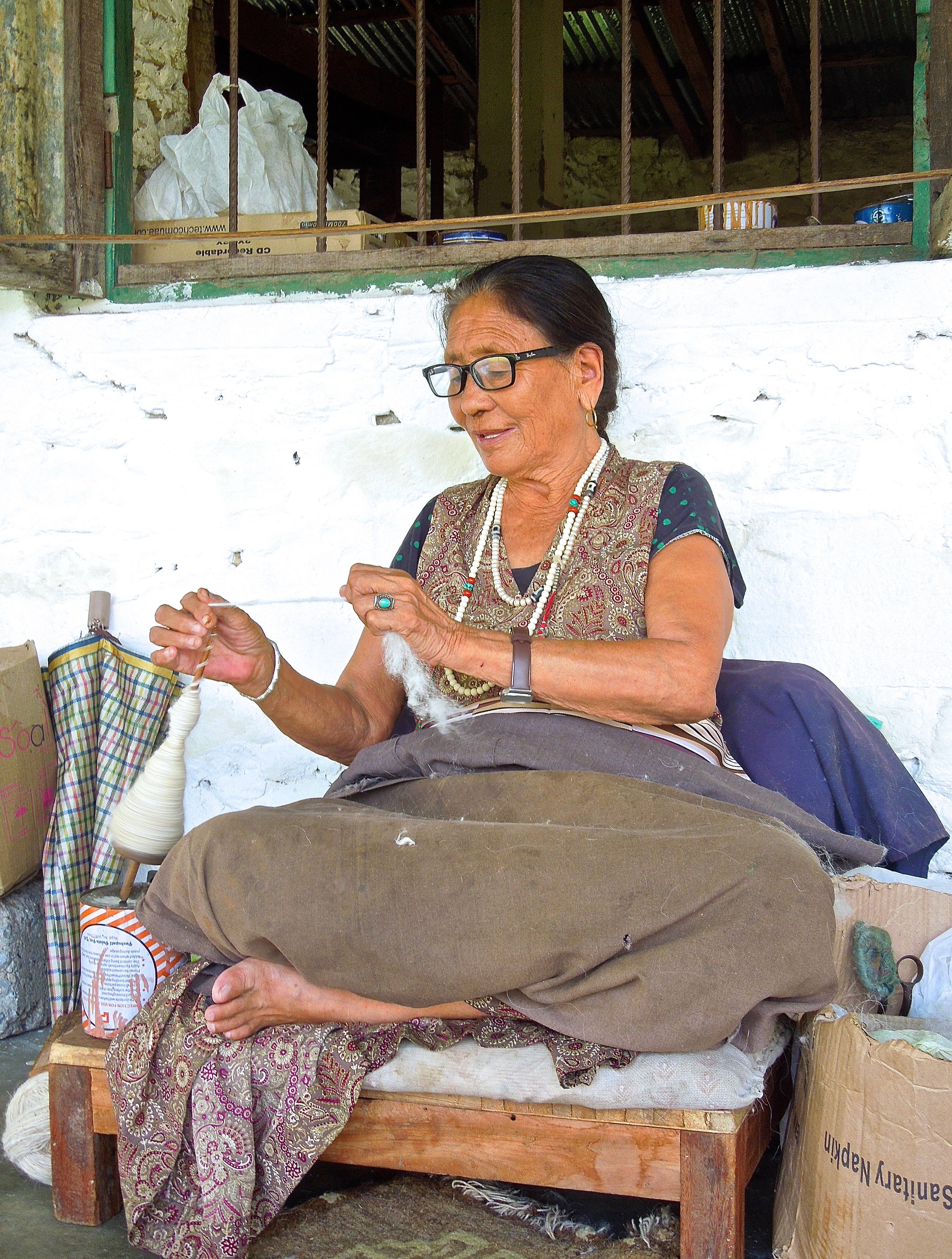
In Nepal everything started falling into place. There were long, scenic treks with lots of time to talk and share ideas. We also went to visit a group of Tibetan refugees spinning yarn for weaving and a small group knitters making sweaters in a remote village. We saw the women working so hard, for so many hours, and earning so little. Less than a $1 per day! We could see firsthand the immense need for better quality jobs and living wages. Speaking with the women, they felt hopeless about their employment situation. We quickly discovered that by marrying our own skills in fashion and sustainability, we could create a solution for these women in underprivileged communities, and also solve a personal problem — the lack of desirable and ethical, yet affordable fashion in the marketplace. So, in the misty landscapes of the Himalayas, Les Sublimes, a lifestyle brand for worldly women with big hearts, was born.

View of the Himalayas

View of the Himalayas

Tibetan refugee spinning yarn

Tibetan refugee spinning yarn

I see every new startup as a collective effort, no single person can change the world alone. Bring an example of the power of teamwork. 

I couldn’t agree more. Within the Les Sublimes team itself we choose to hire based on personality and purpose rather than a fancy resume or a corporate background. Because everyone on board is motivated by something bigger than themselves, the dynamics of the team are totally different. The work will always be rewarding because we share a common goal of making a difference. We also recognise that every person on the team has value. 

“We quickly discovered that by marrying our own skills in fashion and sustainability, we could create a solution for these women in underprivileged communities…[…]. So, in the misty landscapes of the Himalayas, Les Sublimes, a lifestyle brand for worldly women with big hearts, was born.”

We also believe that there is enough room on this planet for all of our [like-minded] businesses to thrive. So if we can work with our fellow entrepreneurs to reach our collective goals, then we are all better off. That’s one of the reasons why we choose to be fully transparent as a brand.

Describe your personal style. How is sustainability represented in your personal wardrobe choices?

My style is a mix of modern West Coast staples and effortless Parisian classics. I love to dress in something easy and comfortable, but still look chic and presentable in the city. Influenced by French dressing, I’ve always taken a position of quality over quantity, investing in well-made classics and essentials that I can easily mix and match with other items in my wardrobe. My mom always took me along to second-hand stores growing up, showing me how to find hidden gems at bargain prices. Nowadays I have taken my values a step further by actively seeking out products and brands that are environmentally fair. But the options are still limited, which is one of the motivating factors behind creating Les Sublimes.

“For me personally, living sustainably is about taking baby steps and slowly shifting to a more conscious lifestyle. I don’t try to be militant about it, because it can be overwhelming.”

What would you say about a typical French woman’s style in that respect — are they into sustainable choices, or it's only now that this mindset is starting to ingrain?

We were surprised to discover that France is definitely behind other markets, such as Canada, the U.S., Germany and Scandinavia, when it comes to shopping consciously. The French care a lot about the quality of their foods, and eating organic has quickly become a trend here. But as far as that expands into fashion, they are still learning. On the flip side, however, French women naturally shop with a philosophy of quality over quantity. So in terms of consuming less, they trump North Americans any day. They prefer to invest in high quality pieces from brands they trust, and take care of those items, so that they will last for years to come. The bulk of her wardrobe is very thoughtfully curated.

How does Paris as a city inspire your work?

Paris is an inspiring city - there are so many incredible museums, exhibits, shops, restaurants and monuments; it’s almost hard to stay focused on any single aesthetic! One trip to the Louvre and you want to introduce Roman inspirited jewellery, the next day you’re dreaming about empire waist dresses.

Les Sublimes A/W16 Campaign

Les Sublimes A/W16 Campaign

 What are the 100% natural gems on your beauty counter? Reveal us a secret conscious brand we all should know about.

I learned a lot about natural beauty products when I spent 2 months travelling through India a few years ago. I discovered great oils that can be used on the hair, skin, face, eyelashes — and they work better than any fancy cream. My favourite is almond oil. It’s the same stuff you cook with. You can buy a large bottle for a few dollars in any Indian supermarket, or for a bit more at your local grocery store. Nothing keeps my legs moisturised during those dry winter months like almond oil, and it even keeps me warmer, preventing a chill.

What's your attitude towards negative connotations linked to ethical fashion? Do you feel that ethical fashion still sustains the absence of glamour? 

I do think that ethical fashion is still perceived by many people as being unglamorous – I call it folk festival chic. The public perception is that ethical fashion is unattractive, avant-garde, hippie-esque, or super ethnic. Products are rough, poorly packaged and overpriced because they are labeled ‘organic’. But this is definitely shifting. There are so many incredible brands emerging that are disrupting this old attitude towards sustainable products. And we are here to help the movement along.

“One trip to the Louvre and you want to introduce Roman inspirited jewellery, the next day you’re dreaming about empire waist dresses.”

What are the widely circulating attitudes about ethical fashion in France now?

Honestly, there isn’t much of a discussion at all yet. It’s still fairly new in France. The food industry has become a hot topic these past few years. Recently supermarkets have banned plastic bags, and the government has just put a stop to disposable cups and plates. There are so many organic grocery stores popping up everywhere and the supermarkets now offer a great assortment of organic foods. The bus system in Paris is going completely electric as well. So I think ethical fashion will be the next big thing.

Les Sublimes A/W16 Campaign

Les Sublimes A/W16 Campaign

What's the hardest part in this process of promoting sustainable fashion? 

One of our biggest challenges is educating the consumer that doesn’t already actively pursue a sustainable lifestyle. She may not have ever thought about shopping differently or doesn’t realise the impact of her conventional purchases. But once she understands, there is a permanent, albeit slow, shift in her buying habits. 

We realised early on that most shoppers see ethics as a bonus, not as a driving force behind their purchasing decisions. That’s why we are focused on developing this concept of no compromise consumption — so that she doesn’t have to choose between integrity and everything else.

Les Sublimes A/W16 Campaign

Les Sublimes A/W16 Campaign

How are sustainability principles incorporated into your own everyday?

For me personally, living sustainably is about taking baby steps and slowly shifting to a more conscious lifestyle. I don’t try to be militant about it, because it can be overwhelming. I choose to live simply, in a small apartment, with less — which incidentally also means I save money and have less stuff to clean, manage and store. I recycle, reduce my energy consumption, walk or bike when I go out, buy organic at the supermarket, eat less meat and dairy, and invest in quality, durable products. In the end, leading a sustainable lifestyle generally leads to less stress, better health, more time and saving money. It just takes a little time to get there.

If you could introduce only one major change into the fashion industry today, what would it be?

Tough question! If I had to choose, I think we must put a stop to the pollution caused by factories that is destroying the environment. The devastation that results from processing and dying our garments is beyond control. As passionate as I am about supporting workers’ rights, I can’t ignore the urgent need to slow down climate change.  Nature has no voice and we are running out of time!

https://www.les-sublimes.com

Slow.ee — Pioneering Estonian Eco Fashion Revolution

Helen Puistaja — founder of the first online slow fashion boutique Slow.ee — is on an altruistic mission of bringing eco fashion closer to the Estonian public, and make it more accessible in our half-Scandi land. She assures that the eco revolution hasn’t happened rapidly, but Estonians are more conscious about their consumption habits than ever before. I met Helen at a quaint cafe in my hometown, Tartu, to talk the present and future of eco fashion in Estonia. What an honour to exchange ideas with a brave woman pioneer dedicated to changing things one generation at a time…

Helen Puistaja, founder of Slow.ee

Helen Puistaja, founder of Slow.ee

Personally, I find your idea of a slow fashion concept store relatively unique in the Estonian market. What were the main concerns in this infinite fight between the fashion industry and the environment (large-scale and the ones you considered on a personal level) that informed the creation of Slow.ee?

The idea preceded already about 5 years, but I somewhat sensed that back then people were not ready for my vision as such. Originally, it started when me and my sister were facing an infinite dilemma of where to get the most basic clothes in Estonia — the most simple, ‘everyday uniform’ type clothes, such as black and white T-shirt, tight black jeans, the most basic sneakers, that would also be of good quality, and we felt like these items were impossible to find in Estonia at the time. So for a while we were playing around with the idea of a store specialising in wardrobe basic items, but then I went to Germany for a year and we somehow dropped it. After a year, though, my thinking had changed and I had also turned into a vegan, which had invoked another level of thinking — I was more concerned about the environmental impact of fashion-making than ever before, so I knew there needs to be an ethical twist to it. I wasn’t really contemplating the concept and its necessity, because I generally have this attitude in life that if an idea pops into my mind I immediately execute it, trusting my gut instinct. I don’t even bother to go into too much detail, but just consider the fact that ‘oh, there’s a gap in the market’, nothing similar exists in Tartu yet. So, Slow.ee was born. 

“I generally have this attitude in life that if an idea pops into my mind I immediately execute it, trusting my gut instinct.”

Nothing similar existed in Tartu, but elsewhere in Estonia? How does your approach stand out? 

There are actually three similar boutiques in Estonia, but they’re all located in Tallinn [our capital]. It seems to me that they are focusing on eco fashion and strictly certified items, but what was particularly missing from their approach was focusing on educating the consumer about the environment and the impact of fast fashion. They’re style direction — what I perceive as romantic and hippie — is also a polar opposite to mine. I didn’t notice too many classic, everyday basics within their selection. 

What's your initial reaction to the cliche that perceives eco fashion as something not as glamorous, e.g. namby-pamby linen cloth products that look a bit outdated. On the other hand, we see fast fashion as something desirable — piling those fashion items high into our shopping basket offers us fulfilment, we are gaining immediate gratitude from simply buying those items. However, do you feel that people’s attitudes are starting to change?

Considering [the realm of] Estonian market, I truly understand where this perspective comes from — there are not many sustainable fashion alternatives on offer to balance it out. We still only have a choice of hippie dresses and those flowers and fairies, but a lot of excellent brands are out there and slowly cropping up here as well to offer balance to the market. I also hope to bring them closer to the Estonian public. You brought out the fast fashion issue and the satisfaction we gain from buying [new things], which could be related to psychology. By no means I am an expert, but I had a thought that, from an early age, we are being sold that idea of ‘shopping makes you happy’. So often we are just buying new things and new things, without focusing on our main problem, and [find it easier to] kill it with the good emotions we gain from the act of consumption. It is easier to show the audience that the other side of fashion has a lot of variety to offer than root out the necessity to constantly consume and crave and seize for new things. It is a deeply-rooted concern; addiction which takes years to reverse. 

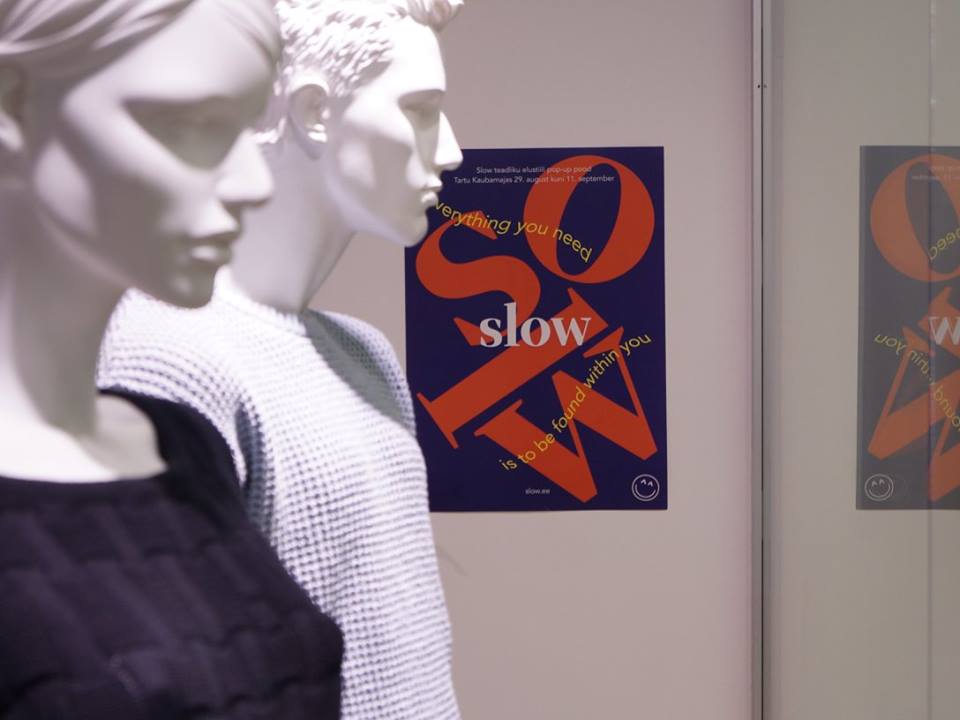
Slow.ee PopUp at Tartu Kaubamaja, September 2016

Slow.ee PopUp at Tartu Kaubamaja, September 2016

Slow.ee PopUp at Tartu Kaubamaja

Where does this phenomenon come from that we see shopping as a reward — we subconsciously hide our true concerns behind conspicuous consumption and mindless buying craze, and also tell our children that ‘If you behave well, I will treat you to some goodies, I will reward you with a treat or two.’

It is the easiest way [to deal with it]! It is an easy way out, especially when it comes to kids, who see things and want chocolate and candy in the shop. If the kid wants something and is shouting in the store, then you cannot put up with [the unpleasant scene] in front of everyone. And when they get the treat, then they become completely silent immediately. 

Perhaps it is to do with us spending too much time in those artificial environments these days — all our entertainment revolves around huge shopping centres, whereas it is inseparable that when the children drag along and see fancy things, they immediately want them too. How do we get out of that vicious cycle of consuming things and perhaps realise that there are other ways of spending our leisure time? 

I think these issues are all interrelated. It is not only about buying better quality clothes, which are better for the environment and therefore for our health, but it is also attached to the concept of personal development. After all, it is an individual matter to come to this realisation — you yourself need to force yourself out of that cycle of commercialism and reflect more on yourself to make rational decisions and understand that you don’t need that new item to be happy. Firstly, you should always ask yourself, perhaps there’s something else missing in your life, it might be that somewhere deep inside there’s another reason behind [craving for a thing]. 

So you believe that every person has an individual responsibility to open their eyes to the idea of environmental responsibility? 

It can be approached on many different levels and through various layers of importance — starting from your own health to [what is to do with] the environment. The easiest way to convince parents to act greener is the fact that they always want the best for their children and they don’t want to wrap their child into those clothes full of chemicals. Last week I held a presentation at a kindergarten, and I find it a very clever approach to speak to people to whom the future we build for ourselves and our children is more tangible. I want to do things better for the world simply to be a better place, but I don’t have this particular person in mind whom I am doing it for, but parents have that special person because of whom they should do things in a more considerate way. Nothing will change overnight, but let’s take it generation by generation then. 

“[…] From an early age, we are being sold that idea of ‘shopping makes you happy’. Often we are just buying new things and new things, without focusing on our main problem, and kill it with the good emotions we gain from the act of consumption.”

How did parents react to your presentation? 

I only had limited time to speak, so I used the shock therapy method. I showed them images like, here’s a child sitting on top of a dumping ground, that is the reality. A young, exploited child sewing somewhere in a dirty factory, that is the reality. To see the images of the huge amount of sewage water that drains into the natural waters from plantations and factories, is only one side of the coin, but I think this is what people have the strongest reaction to. There they sat and stared with petrified faces…

Don’t you often get the impression that these problems and concerns seem somewhat distant, so out of reach from us? For example, we often hear the news that somewhere in Bangladesh a factory collapsed, and immediately think, who cares? What we actually don’t realise is that we are contributing to these incidents on a daily basis by buying those fashion items, toys and homeware, which are crafted by children of the Developing World. 

During the presentation I gave at the kindergarten the headmaster pointed out savvily that, “we feel like they are extremely unhygienic and unkempt there, but it is our rubbish they are sitting in.” She was confronted with the epiphany that this little human is sitting on top of our rubbish, not on someone else’s rubbish. Of course, there will always be people who couldn’t care less about preserving our environment, and there’s nothing much to do about it. But if you take that garment full of chemicals and wash it in the washing machine here, then the infused chemicals reach us one way or another. Then comes the time we have to learn to take responsibility for it. 

Of course, we are often presented with the beautiful lie that they are actually happy to have that job in a factory mass producing clothes… 

They are! Because they don’t know a better way. Perhaps it is the best choice for them out of all choices, but it doesn’t justify the sad reality — exploitation of these young people.  

I’ve also noticed that slow fashion still stands on the pricier side of the market compared to its Fast Fashion sister. To me it seems like stating the obvious, considering the high production costs and ethical approach, but how has the audience’s reaction been so far — do they perceive eco fashion as something lavishly expensive or affordable? 

I have also tried to take in orders for goods that are more affordable. However, I’ve been keeping in mind that the things I offer cannot be too cheap. In order to cherish the item more,  you need to think the purchase through and ask yourself a few questions — how to combine it with the already existing pieces in your wardrobe; how does it go together with your personality. I want the customer to see it as an investment — she is willing to spend a larger amount, because that way it also lasts for longer. My target audience — of course, all people could act more considerate and consume better — are people who have already found their own style and know that the lifespan of the purchased item will be infinite. I am that person myself… I know nothing about fashion! On the other hand, I have developed my own unique style over the years, which is not very significant, but I feel good in my own skin wearing my signature clothes, and when I do buy something, I wear it at least for a year…two… three… four, maybe even longer. 

And when you divide the cost of the product with the number of years worn…

It is overall much cheaper indeed. 

As a true fashionista, I am also struggling with the results of excessive fashion consumption habits in the past — I’ve got heaps and heaps of old garments, which I’ve disregarded for long and, as a result, I cannot find a way to get rid of them anymore. It just seems to me as a mindless waste, both financially and environmentally. 

I would also like to highlight that I don’t support mindless wasting. That comes without saying that when people all of a sudden realise they should consume less and invest in better quality, durable clothes, then it necessarily doesn’t mean they have to swap their wardrobe against a new one. The items that already exist should be used until they last, without the attitude that “I am now environmentally conscious and I only need to consume organic clothes.” I am also struggling with finding the best option to send off the old items to recycling. 

Tell me more about the brands you’ve chosen to introduce to the Estonian market. According to which criteria did you select them? Do you keep your own personal taste in mind, or think that, ‘I don’t actually like it, but my customers certainly do’?

I aim to keep a characteristic line in the selection of products, not to diffuse things unreasonably, because my aim is that the regular customer, who comes every once in a while, knows that they will certainly find items of a specific style from my store. If I would only consider my own personal taste, my store wouldn’t be customer-friendly at all! (laughs). It would be only for a strictly limited audience then. When I fill in the orders, I usually have specific prototypes in mind — people whose opinion matters and to whom I turn to when I need advice about product selection.

When I was studying in London and my course was completing our final major project, our tutors would often ask in awe, “Who do you keep in mind, when designing these products?”. There were artworks that were designed in a very incompetent way and we would often answer, “Don’t worry, I personally also don’t like it, but the one who purchases it, will adore it, hands down”. I think it also cannot be that controversial…

Agree! Well, of course I am considering what the consumer thinks, but I also have to remain true to my own vision — if I am doing it alone now, then it is my brand, my soul that has been poured out to take a form of a store, and I cannot do it inadvertently at this stage. I am always trying to look for the middle ground bringing together my own personal taste and an understanding of what the customer wants and needs. 

Do you believe that slow fashion is still targeted at the niche market? Who is your actual target audience? You already mentioned earlier that someone who has already found their own personal style. Do you have anything else to add to this equation?

I wouldn’t say that slow is the right word to use here, but consuming consciously is certainly becoming more trendy and common here, more than it was a few years back. 

Well, the brands you represent, use specific principles to be more environmentally considerate… 

After all, the reality of things is, for making ends meet, you need to sell your products. This is the… 

Together: Point of conflict!

Did I understand correctly — you can produce something ethical, but when you sell it in large quantities, then the end result comes across as completely unethical? 

When you look at the entire process as a whole, it is absolutely acceptable that people need clothes and they want clothes, nothing wrong with that, but then we should start from the fact that the items we wear have been crafted keeping the nature and people in mind, and when the garment reaches the end of its lifespan, then it is crucial it won’t be thrown out to the dumping ground immediately, but the whole recycling process has to complete the full circle. Then the act of consumption becomes more reasoned and thought-through, too. 

How would you evaluate the slow movement in Estonia compared to Scandinavia and the rest of Europe? Assuming that they already stand a step ahead of us, how could we progress to their level? How could we fill in that education gap when the subject of living greener is concerned?

To be honest, I preserve it more as a natural process, but as much as I’ve kept track [of the progress], it can be said Estonia is still a step behind. Although I think that the progress gap is not immeasurable anymore — people are more aware of the harmful effects of overconsumption and thinking green has become valuable. Of course I can perceive the rapid change in the mindset and general attitudes more sharply due to the fact that I am also an active member of the vegan community here. 

Oh, veganism has become an entire movement on its own in Estonia. 

Yes, all of a sudden there are vegan cafes popping up everywhere and we also boast a wide variety of organic food stores. Judging by that, I think we shouldn’t define the gap in being slow in progress — we only need more activists, who create these stores and make whole foods and the organic produce more accessible [for the everyday consumer]. 

One thing I have noticed, though, is that everywhere in Europe, the excessive use of plastic bags is strictly prohibited, but Estonians haven’t adopted that policy yet…

Not to mention that a few days back I just got angry with Selver [my local food store], where there was a striker on the food scale saying: “Please place all the products with different prices in a separate plastic bag.” AAAAGGHHH! Pure nonsense! 

I also believe that they should at least encourage using paper bags, or… 

Why do I need to place a single item in a plastic bag? I can weigh a single tomato without it.  

That is indeed ridiculous. 

I do understand there will always be people who would place even their single carrot in a plastic bag, but the store has a responsibility not to encourage it. I cannot buy any food products that are wrapped in heavy plastic packaging… in Estonia, they sell leek wrapped in plastic. If I see something like that, I just refuse to buy it. 

“My target audience — of course, all people could act more considerate and consume better — are people who have already found their own style and know that the lifespan of the purchased item will be infinite. I am that person myself… I know nothing about fashion!”

What other environmentally responsible principles do you follow in your everyday life? Apart from being a vegan…

I hate wasting water. Although our bad habit of letting the tap run freely while we are brushing our teeth is not even comparable to the amount of water wasted on growing cotton in India, but I try to avoid wasting water as much as possible. Also, as mentioned, I am not fond of using heavy packaging. The loveliest surprise awaiting me when I moved to my new flat was that next to our building are 4 separate recycling bins — one for general waste, one for plastic and packaging, one for cardboard and one for organic waste. Now I recycle everything separately. No one is an über-human, but at least as much as I humanly can. 

Have you also reduced consuming fast fashion? 

To be fair, I have never been particularly fond of shopping — when I was brought up I was always encouraged to think my purchases through. I still belong to the generation who remembers the time when everything wasn’t so easily accessible and available in our market, so it is fairly a modern-day concern, when you have limitless opportunity to consume and consume. 

Maybe partially this could be the reason why Estonians are reluctant to accepting eco fashion and consuming less, because we are so used to not having anything available… 

And now we have more than enough, so we have to take advantage of it! Maybe that’s the reason why it takes longer for us to understand that we are better off with consuming less.

In a nutshell, could you bring out a specific aspect that concerns you the most related to your start-up?

To be fair, in Estonia there are thousands of people who are dedicated and ambitious; who are willing to invest all their free time to help and work 12 hours in a row, but in the end it all comes down to the finances and readiness to act. But it is not a hindrance at the moment. We can do it!

I would again like to point out that we are inserted into this materialistic and superficial cultural environment that encourages consumption and therefore we also encourage our children to look for the missing happiness in rewards we can buy only with money. How to change that mindset and replace it with thinking greener? Pitch me an effective action plan.

I think everyone needs to come to that conclusion themselves that this cannot go on any longer. What we can do is to educate people as much as in our will and be a positive example. Sadly, the way it works with certain things in life is that when you force them upon people, then they refuse to conform, and as a result, act in a reverse way. We certainly don’t want that. I personally try to offer a variety of possibilities — to filter the products according to my own vision and ideals, to educate people on the negative effects of consumption and be an exemplary figure in thinking green. And then everyone individually slowly gets there in their own pace, if they do… 

How is your experiment called pineapple leather versus Estonian weather progressing? (hinting at the shoes made of Pinatex leather [pineapple leaves fibres] Helen is wearing)

They haven’t seen any rain yet! I also haven’t deliberately jumped into shower with them to test the water resistance, but they are extremely comfy and allow the feet to breathe. 

So you recommend them? Will they be available for us to buy?

I have introduced only a couple of pairs at the moment. My final e-store launches in October and then feel free to order and test out yourself!

Where do you keep your inventory and send the products out?

Under the kitchen cupboard. I have a teeny-tiny apartment and you wouldn’t even notice that there’s a whole store full of goodies hidden somewhere… everything is perfectly fitted in. 

Thinking economically! Both laugh out loud. 

Lately, Slow.ee PopUp store could be spotted at Tartu Kaubamaja, (expectedly) from December onwards, Slow boutique will be open to customers in the newly-refurbished Aparaaditehas…

www.slow.ee

Noctu: Seasonless Organic Cotton Nightwear

Noctu is a family business founded by sisters Zoë and Milly, who are based between Bath, UK, and Oslo, Norway. Having witnessed firsthand the shocking impact conventional cotton manufacturing has on people and our planet, they were compelled to create ethically made, beautiful, minimal night and loungewear.

Noctu Campaign, 2016

Noctu Campaign, 2016

“Take my hand and I will lead the way.

Through the fjords where the night is day.

A special place where the sun does not set.

A land where mountains silhouette.

A place for those who dare to dream.

The land of the midnight sun.”

Noctu Campaign, 2016

Noctu Campaign, 2016

Noctu dedicated years to finding the right manufacturers, determined to find organic production and fair trade conditions. Throughout their business, Noctu ensure equality, women empowerment and ongoing training programmes. The collection is a wonderful example of how small companies are helping shift the norm with beautiful, high quality products, sourced and made ethically and sustainably that don’t compromise on design, or start at an inaccessible price point. 

Noctu Campaign, 2016

Noctu Campaign, 2016

Noctu’s first seasonless night and loungewear collection is beautiful and simple, inspired by the Scandinavian midnight sun, where days neither begin nor end.

All of Noctu’s cotton products are certified to the Global Organic Textile Standard Fairtrade.

We love their nighties and the gorgeous pure white bed linen, just what we need as the nights start to draw in. 

Noctu Campaign, 2016

Noctu Campaign, 2016

Travel Iceland, Part II: The Hills Are Alive

Words: Johanna Raudsepp

Lava landscape, sheep, waterfalls — it’s something common for an Icelander. However, I don’t think the country would hold such a significant place in my heart, if it wasn’t for its people. Their hospitality is like nothing I have ever encountered before — apparently it’s a law that if a traveller asks for water, Icelandic people are obligated to offer them some.

I got a real taste of the Icelandic spirit this summer. (And I don’t mean their herb schnapps called Brennivin — that’s a whole different story!). Since it was football season and Iceland was the underdog, the entire small town I was staying in, gathered at a local school to watch England vs Iceland on a big screen. And do believe me this time, the infamous Viking chant is even more frightening in real life than it is over the telly. HU! HU! HU!  I almost got the chills. And we won! A country so little in population, but the passion, the fire they have in them, comes straight from those volcanoes, I’m pretty convinced.

Icelanders value their time  they don’t rush. They take time to eat and their love for food resonates everywhere. Camping trips passed only with delicious homemade food and barbecue. Fish plays a big role in their cuisine. In fact, I have gone camping, fishing and hiking on the island more times than I have in total in my entire life. Despite the harsh terrain and chilly weather, the views are breathtaking. I would hike every day just to see those views. One time, I even managed to see Hekla, the volcano that is about to erupt. It hasn’t blown yet, thank heavens.

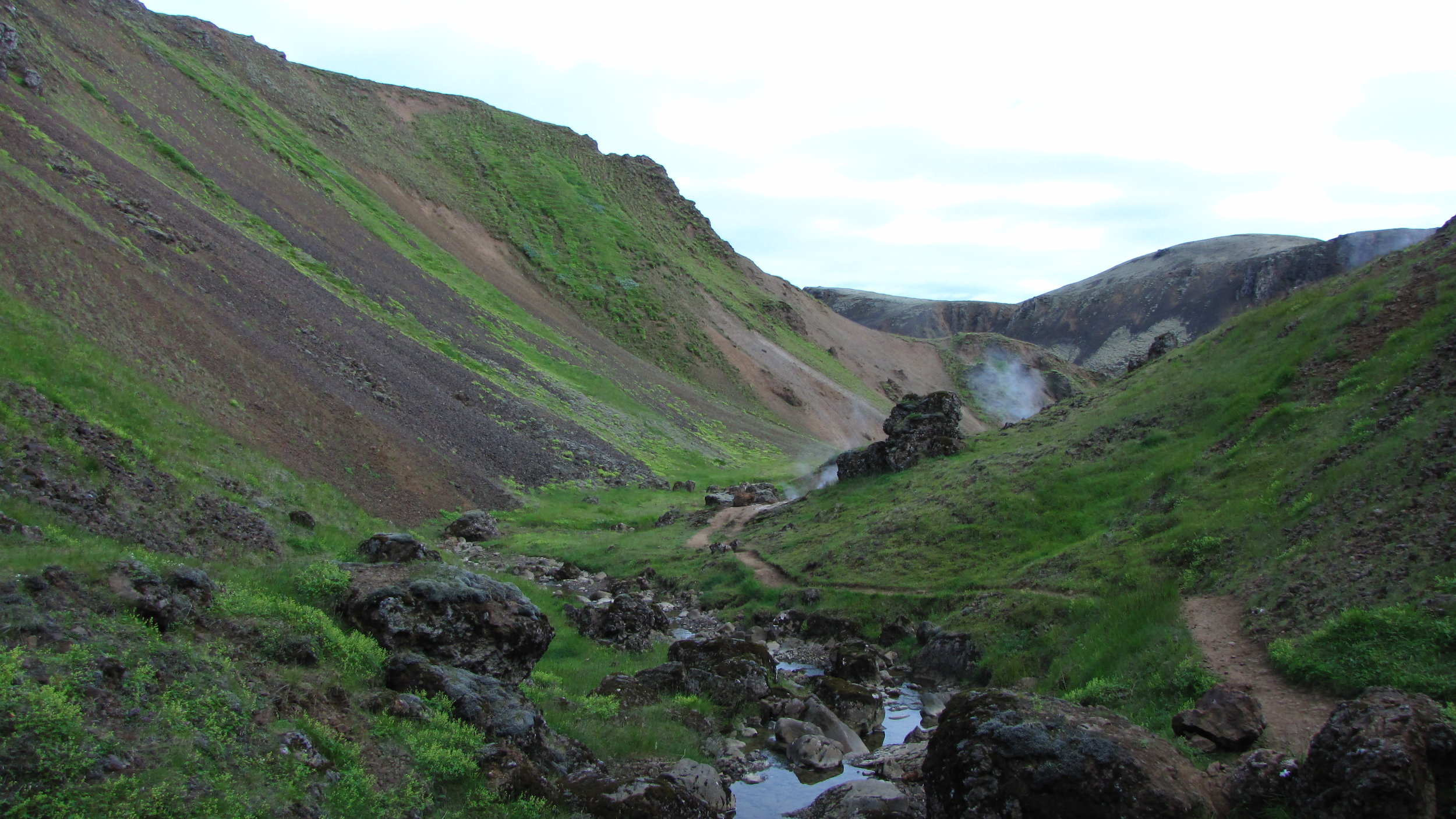
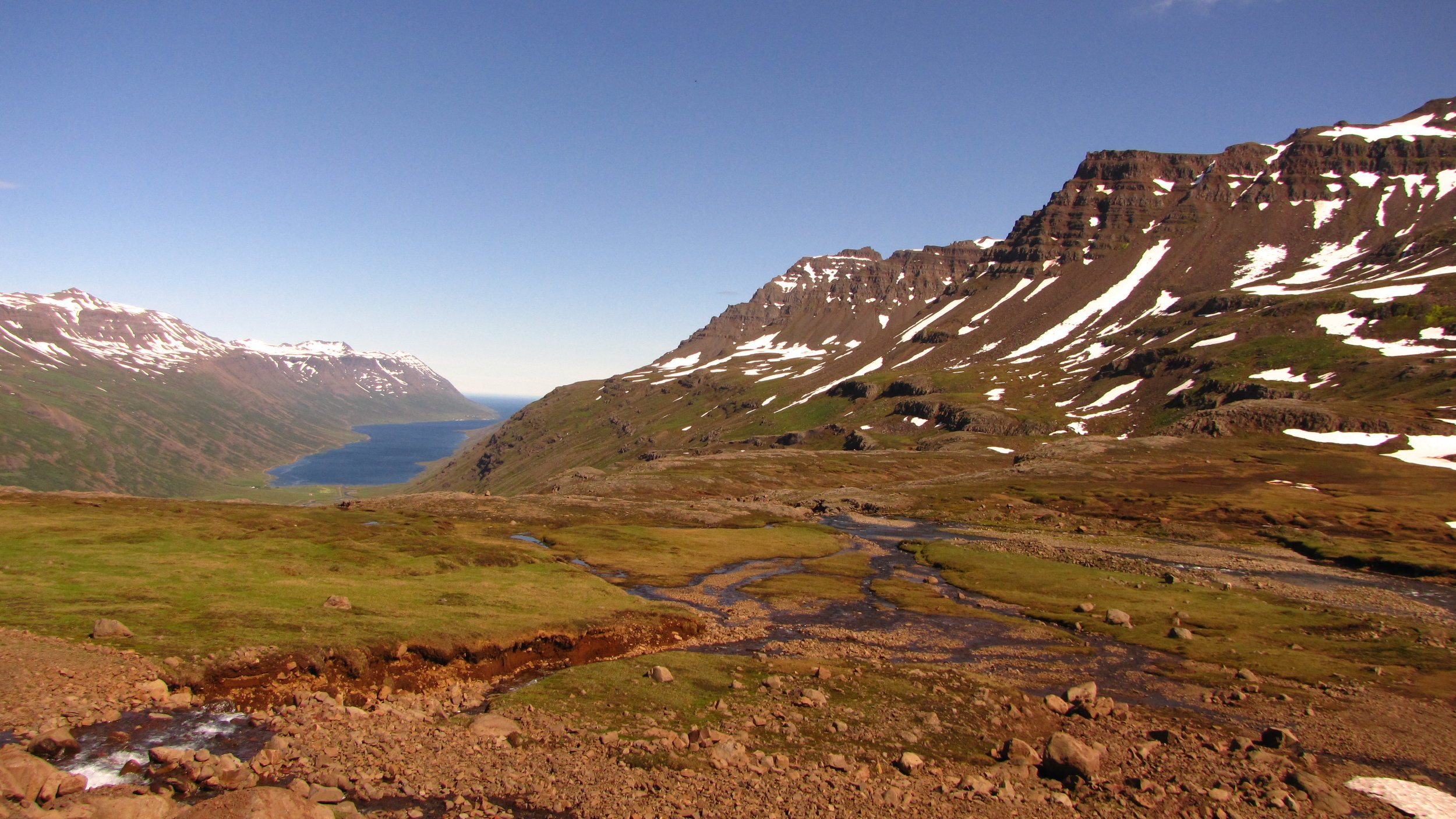
My journey in Iceland continues in the East Fjords. I had never before driven through a tunnel in the mountains, and let me tell you, it is a bit frightening even after the first kilometres. Going from the capital, Reykjavik, to the East is a day-trip on its own. I cannot stress enough how many sheep and horses they have in the countryside. And most of the country IS countryside. At the other end of that tunnel was a view straight out of a storybook. The East is magical for someone hailing from a flat land by the Baltic Sea. You wake up in the morning, the sun, having just risen above the mountain, blazing through your window.

We drove up and down the mountainsides, waited for sheep to cross the road, and enjoyed a picnic at the Easternmost inhabited fjord in Iceland. We could almost see Norway! The most memorable moment was stopping on the side of the road to see a waterfall. The sun was warm on my skin, light sea breeze in my hair, the area was so remote that it was completely devoid of traffic. I took off my shoes and ran through the field of moss to the waterfall. I could not help but sing “Sound of Music” songs in my head. A moment of bliss. Time stopped. It was just me. And the mountains. The hills were alive.

I have tried my best to put my experiences down on paper, but seems like it’s never enough to pass the experience forward. One thing I can say, though — it’s a wonderful mixture of rustic, natural culture and environment, and of modern design, exquisite restaurants and beautiful music. A great thing about the Icelandic hospitality and inclusiveness is that I was fortunate enough to experience Iceland the true, authentic, Icelandic way.  And I wouldn’t have it any other way.

Are we to paint what's on the face, what's inside the face, or what's behind it? — Pablo Picasso

This year the National Portrait Gallery will display more than 80 portraits by Picasso that feature those he knew and loved. The portraits feature his wife Olga Picasso, friend and modernist Jean Cocteau and composer Igor Stravinsky.  The exhibition follows his journey from early realism to cubism, neoclassicism and surrealism, including the famous Woman in Hat (Olga). The exhibition will be the first major presentation of Picasso’s portraiture in 20 years.  

Picasso, Woman in a Hat (Olga)

Picasso, Woman in a Hat (Olga)


Picasso Portraits, National Portrait Gallery, October 6th 2016 – February 5, 2017

From Great Escapes to Floating Dreams: Your Culture Guide to September

Visit – Abstract Expressionism, Royal Academy. Experience the colour, scale and energy of America’s greatest art movement in this autumn’s must-see exhibition at the Royal Academy. Highlights include Pollock, Rothko and de Kooning. The perfect transition into the winter months. Opens September 24th 2016

Clyfford Still, PH-950 (detail), 1950

Clyfford Still, PH-950 (detail), 1950

Eat – 100 Islington – A shoot off of 100 Hoxton, you can’t go wrong with these delicious Pan-Asian and Middle Eastern small plates. 

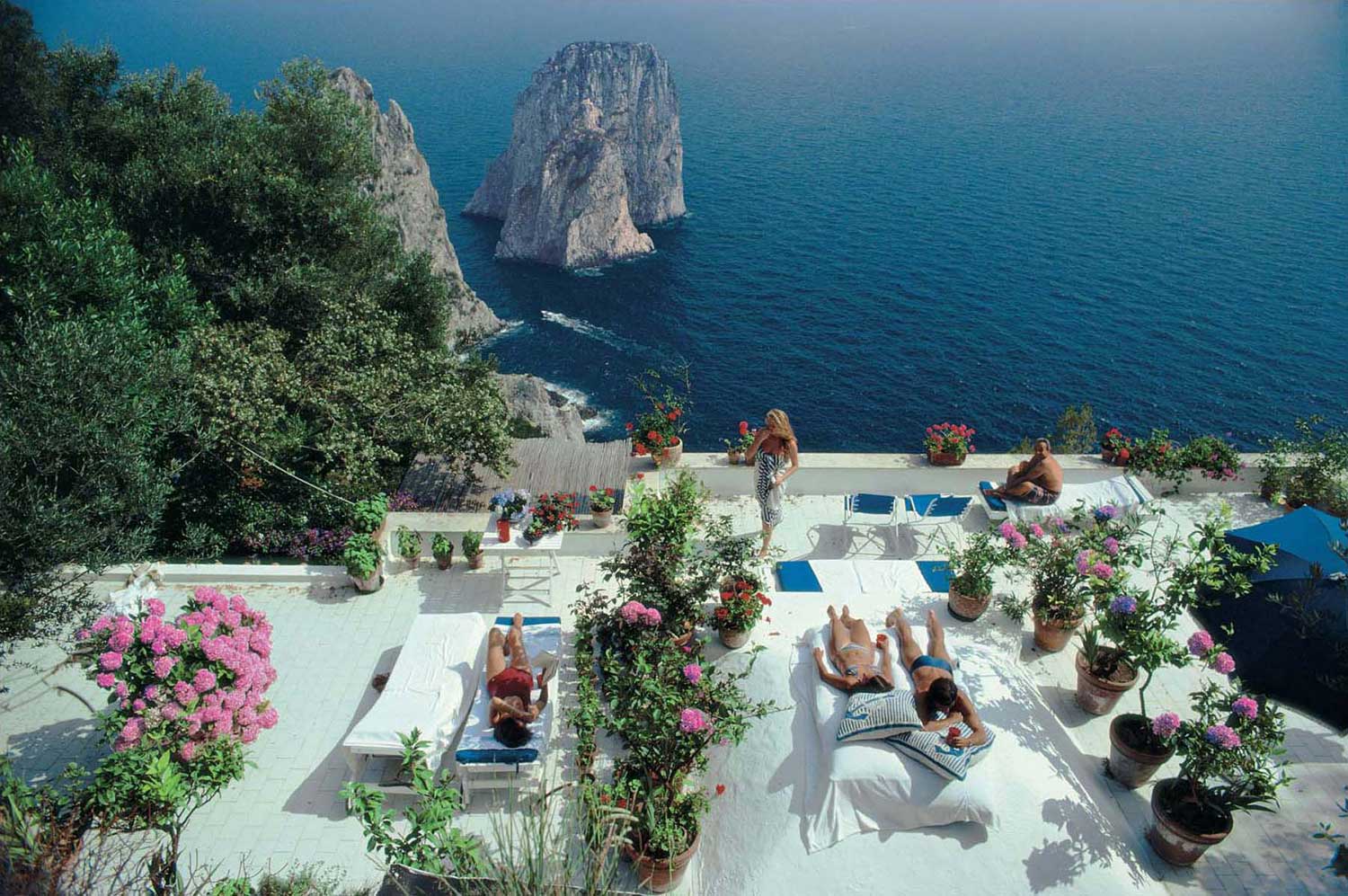
Read – Slim Aarons: Great Escapes. Perfect for back to school season, this gorgeous hardcover journal features ten inspirational photographs of spectacular holiday spots from the infamous Slim Aarons from the 1950’s, ‘60’s and ‘70’s. 

Slim Aarons: Great Escapes

Slim Aarons: Great Escapes

Watch – Absolutely Fashion: Inside British Vogue, September 8th on BBC2. We can’t wait to catch a glimpse into the making of the Centenary Issue of British Vogue. 

Go – London Design Festival. Feel inspired across all of London as the Design Festival runs from September 17th to 25th. From pop-up shops to major design shows there will be fantastic events all over the city. Don’t miss Mathieu Lehanneur’s marble installation at the V & A. 

Ik-Joong Kant: Floating Dreams installation 2016

Ik-Joong Kant: Floating Dreams installation 2016

See – Floating Dreams by Ik-Joong Kant – Don’t miss the chance to see this major installation by Ik-Joong Kant, one of South Korea’s prominent multimedia artists. Floating Dreams is a large-scale installation positioned in the centre of the River Thames by Millennium Bridge. Constructed from 500 drawings and illuminated from within, the three-storey-high structure acts as a memorial to the millions displaced and divided during the Korean War.