Travel Iceland, Part I: You're Hot and You're Cold

Words: Johanna Raudsepp

There’s something whimsical about this land. Mountains, black sand beaches, waterfalls around every corner — it looks like a picture out of a fairytale. I am utterly in love with this magical land, and here’s why.

For the most part, Iceland always makes me feel at home. The local people are so lovely, you can’t help but befriend a few. And then you go to sleep at night and realise that the sun never truly sets in July, and you feel like you’re on another planet again. Iceland is a place where fire meets ice. Literally. Because they have volcanoes hidden under massive glaciers. No, I haven’t seen a volcano yet, and I doubt I will, because let’s be honest — they’re rather scary things. But I have seen some pretty neat sights — from glacier lagoons and hotpots, to driving up and down mountain roads between fjords to reach the Easternmost settlement in the country. It is otherworldly, to say the least. 

For a first time visitor, the area around the capital, Reykjavik, is already astonishing — weird lava rock formations covered in soft moss cushioning and soil that is almost black in colour. Suddenly you get a whiff of cabbage farts. It’s disgusting (at first at least), until you know where that comes from. The aroma that makes you wiggle your nose comes from natural hot springs, The Blue Lagoon resort being the most notorious of them all. There the water is milky white and incredibly warm, putting the muscles [you didn’t even know you had] at ease. Plus, you can get a free mud mask. Elsewhere people call them hotpots — every pool has at least one hot pot, which is kind of like a hot tub… but hotter and naturally heated. I love going there, especially after a long, exhausting day. You do have to hydrate yourself properly before and after, because hot water works like a sauna, and you don’t exactly want to shrivel up like a raisin.

They have these hotpots in the nature, too — they are usually called geysers and they are scorching hot. I don’t recommend touching those, but you must have a look at least. The most famous being Geysir, after which all other geysers were named, apparently, is a must-see place. With little geysers bubbling around it, the big geyser shoots up hot water every 10-15 minutes or so. Nearby is Gullfoss, the Niagara Falls of Iceland, sitting like a staircase in the Hvita river canyon and making a lot of noise. The enormity of the waterfall is astonishing to me, because it makes me feel like a puny human. The water’s brute force is enough to swipe away rock and create a canyon. Compared to that, any human activity seems minuscule. That is something that stands out all over the island — it feels so untouched by human activity, to a point where a town of 1000 is considered a relatively big settlement. Sometimes the only signs of life you see for miles are sheep and tourists. Tourists and sheep. For miles. 

This untouched corner of the Earth offers a plethora of amazing views and activities. It is possible to see the entire island in about a week, if you wanted to. There’s something for everybody — you can take a day-tour around the Golden Circle, go on a roadtrip with your mates or do something more extreme, like ATV tours, helicopter rides, glacier hiking, or even whale watching. My most extreme encounter has been a motorboat trip on a glacier lagoon, Jökulsarlon. There’s something about fast boats and ice cold water I don’t particularly enjoy — but it was tons of fun. I even managed to see a piece of glacier breaking off with a thunderous noise, splashing into the icy water below. In such moments you forget that there is time and space, and you simply stare in awe. You stare in awe. 

The White Label Project: Connecting Sustainable Scandi Luxury With Honest Prices

The White Label Project is a Norwegian online concept store connecting clean-cut, sustainable luxury staples with affordable, honest prices. Savant spoke to Nicola, founder of The WLP, who calls people to be just a degree more mindful when it comes to their fashion purchases, without stripping away the glamorous side of shopping. Not all the luxury in the world has to come with an insurmountable price tag…

The White Label Project (Lookbook 2016)

The White Label Project (Lookbook 2016)

What are the key influences that formed The White Label Project?

The White Label started out as a project based on the concept of unbranded goods. We wanted to focus on classic staples that are of luxury quality, but which are not priced according to their brand positioning. [The aim is to offer] classic, clean-cut staples at honest prices. After moving from Shanghai to Norway, I realised that there were many women like me, who wanted key investment pieces, but cared more about the actual quality of the products than brand names. I knew a lot of people in manufacturing and step-by-step started calculating how to make luxury more affordable for everyone. Scandinavian simplicity will also always be a key influence crossed with feminine touches from my days in ballet. 

Why is sustainability in fashion important now?

It is becoming harder to ignore the facts about the change in our climate and environment. We need to be considerate and conscious when it comes to our fashion purchases, instead of being mindless and materialistic. We must realise that the way we live our lives now affects the world and the future of our children.

“We continue to sweep under the rug the traumatic incidents and truths about manufacturing in Third World countries, and hide it behind all those big campaigns and glamour.”

From the viewpoint of you as an insider, who is the key audience for sustainable fashion?

I honestly would have to say young women. I think we now want the future generations to say, 'My mother taught me this..' or 'My mother did this…'. When women hold the majority in purchasing garments in the retail sector and for households, I think that is where we can pinpoint the right audience to educate. It has become quite clear that it will be these women and their choices in consumption that will be passed on to the next generation.

The White Label Project (Lookbook 2016)

The White Label Project (Lookbook 2016)

There are many projects connecting sustainability and something novel in fashion in the Scandinavian region. One could say it has become a wave on its own. What could be the reason behind that? 

Scandinavia has always been ahead of the market when it comes to design and innovation. Personally, I feel that here in Norway people have a deep connection with nature. You don't see forests being destroyed or pollution taking over drastically. It seems like the natural and the artificial world co-exist in a balanced, peaceful way. So it only seems like a natural progression that Scandinavian designers and organisations would venture into sustainable fashion. 

“I try to focus on [calling people to be] more minimal and mindful when purchasing clothes, instead of stripping away the glamorous side of fashion.”

What's the hardest part when it comes to promoting sustainable fashion? What could be done to make it more visible to the everyday consumer? 

I think people have stereotyped sustainable fashion and therefore it is very difficult to change [the idea of it]. I find a lot of brands really marketing it the wrong way. I personally try to approach it in a very gentle and subtle way — I try to focus on [calling people to be] more minimal and mindful when purchasing clothes, instead of stripping away the glamorous side of fashion. 

The White Label Project (Lookbook 2016)

The White Label Project (Lookbook 2016)

Do you agree that honest and ethically made fashion is still on the pricier side compared to its Fast Fashion sister. Why is that? Do you think this could change in the future?

Sustainable fashion will always be more expensive than fast fashion due to using high quality materials and fairly paid workers. Fast fashion companies in general are continually searching for new factories in the developing countries that can provide the low cost of labour. For example, China used to be considered cheap, but now it is well known for providing high-quality garments, too. I do often wonder, what will happen when all these developing countries become regulated. How will fast fashion brands maintain their prices? Bottom line, it won't be sustainable.  

How would you evaluate your competitors in the realm of Scandinavian market?

I don't really have time to think about competition at this point. Instead, I like to focus on the direction that we are heading to. I think you can easily get too caught up with what is happening around you and let it influence you in a negative way, which in reality isn't productive.

“I think we now want the future generations to say, 'My mother taught me this..' or 'My mother did this…’."

Talking about reshaping the fashion industry today, how can we make something that affects us all on a larger scale perhaps more personal?

From my perspective, what is still wrong with the fashion industry is that we continue to sweep under the rug the traumatic incidents and truths about manufacturing in Third World countries, and hide it behind all those big campaigns and glamour. There needs to be more honesty. As consumers, we really need to become more conscious of what we are buying into in the long run.

The White Label Project (Lookbook 2016)

The White Label Project (Lookbook 2016)

What would be your advice for startups who want to do something similar to your project, but haven't had the courage to do so yet?

Always be practical and realistic, but honest. The entry barriers into business these days are low-cost, so you have every opportunity to start.

http://www.thewhitelabelproject.com

From Zevs' Big Oil Splash to Danler's Sweetbitter: Your Culture Guide to August

Go – Mary Heilmann, Whitechapel Gallery. American artist Mary Heilmann’s bright canvases are currently on display at the Whitechapel Gallery. Don’t miss the chance to be inspired by her stunning choice of colour and form. Until 21st August. 

M. Heilmann - Taste of Honey, 2011

M. Heilmann - Taste of Honey, 2011

See: Yerma at The Young Vic. This superb play based on Lorca’s achingly powerful masterpiece stars Billie Piper. A superb performance by Billie, she plays Yerma, a woman driven to the unthinkable by her desperate desire to have a child, an intense modern-day tragedy. Until 24th September. 

Eat – Padella, London Bridge. There’s nothing we don’t love about freshly made pasta. Head over to Padella by London Bridge for their sensational pasta dishes – we recommend the crab linguine with chili and a glass of bubbly. Divine. 

Read – Sweetbitter: A Novel by Stephanie Danler.  This wonderful coming of age tale takes place in the tantalizing world of New York City, a winding journey through the most exclusive restaurants in Manhattan. 

Sweetbitter: A Novel by Stephanie Danler, 2016

Sweetbitter: A Novel by Stephanie Danler, 2016

Visit – Zevs: The Big Oil Splash at Lazarides Gallery.  Hockney’s influence isn’t going anywhere soon. This eerie selection of prints addresses some societal issues using Hockney’s a Bigger Splash. A bit like seeing an old favourite but with a new twist. Lazarides Gallery, London, W1T 1HR. 

Zevs' The Big Oil Splash, Exhibition at Lazaride Gallery, 2016

Zevs' The Big Oil Splash, Exhibition at Lazaride Gallery, 2016

Watch – Watch the Olympics in style at St. Katherine’s Docks.  It may be a million miles away from sunny Rio, but with ice-cold cocktails in abundance and deck chairs we can’t think of anywhere better to be. 

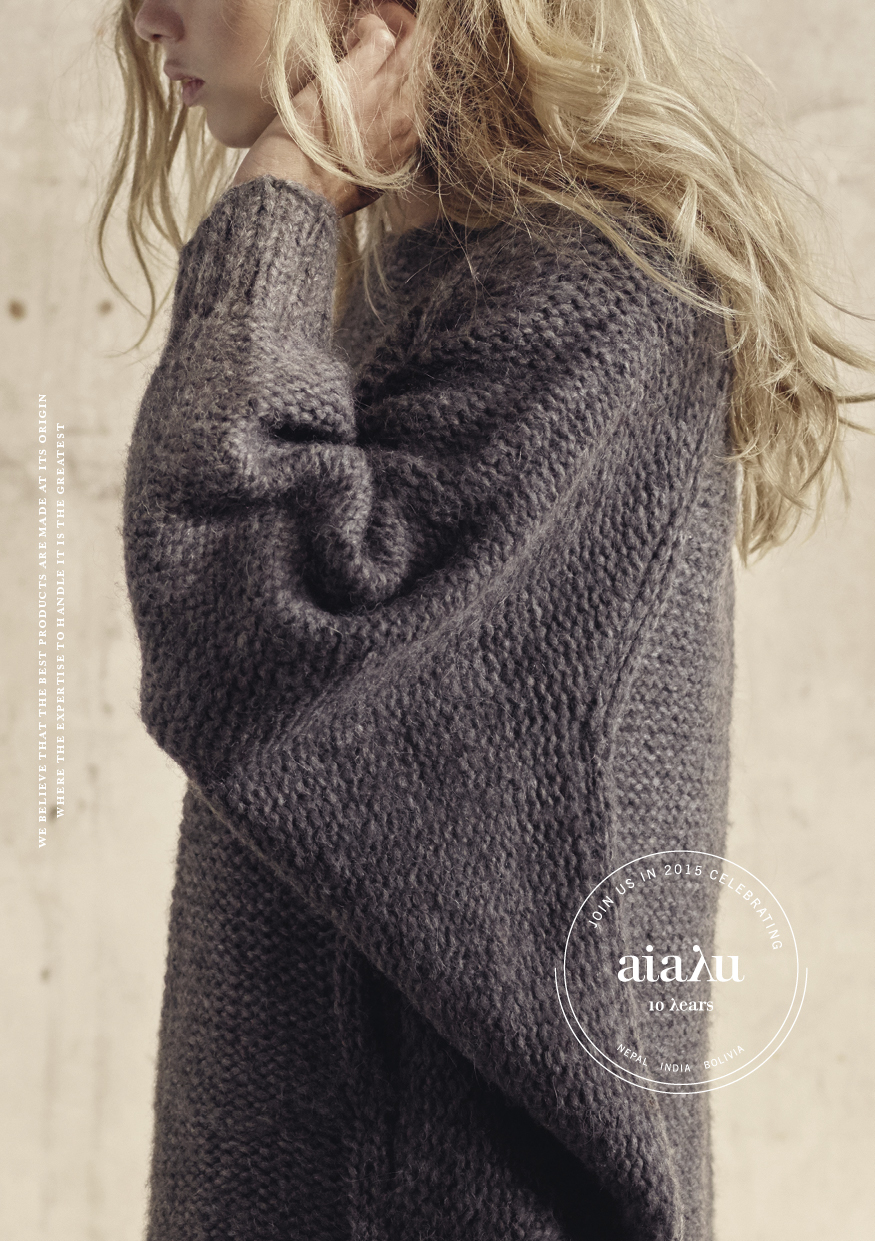
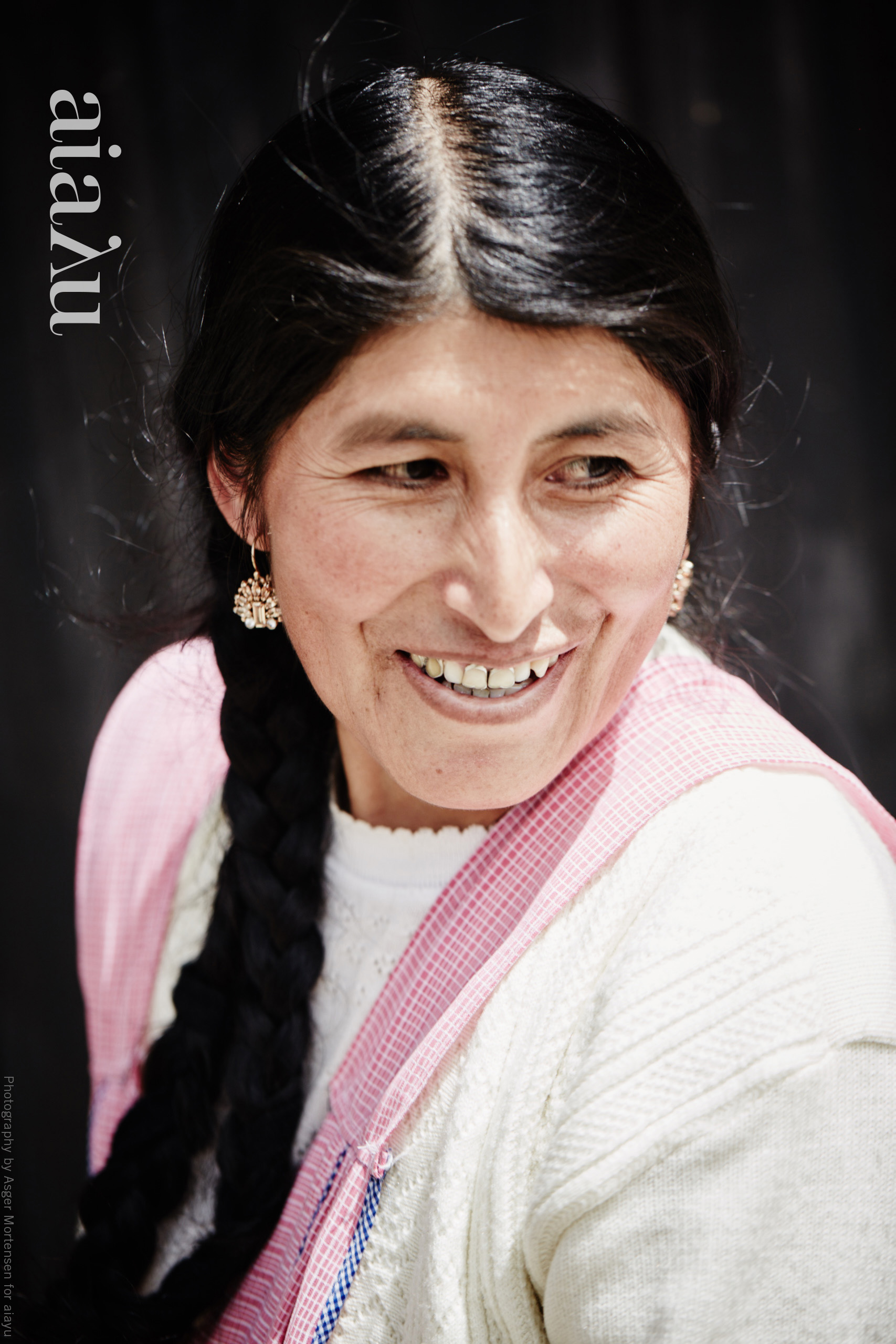
AIAYU: 100% Social Mission Oriented Danish Label

Incorporating a human story into fashion making is one of the core values for Aiayu. Working with authentic, raw materials found in Nepal, Bolivia and India, the foreign-sounding Danish label brings you immaculately crafted fashion basics by skilled local artisans. The transparency factor behind the certified Scandinavian label? In addition to educative story telling about the origins of materials, Aiayu religiously equates the aesthetics with a larger environmental benevolence. With the help of a skilled pair of hands or two, Aiayu proves that a 100% responsible social mission is the only way forward in today’s sustainable design industry.

Aiayu, 2016

Aiayu, 2016

What are Aiayu’s principles and philosophy? 

In a world filled with meaningless products made via mass production, it’s becoming more and more important to choose products with a soul, from companies with a conscience. At Aiayu, our concept is all about natural, organic materials handmade by artisans using ancient techniques to create timeless designs born to be worn, lived with and loved. [We are interested in] involving working conditions that comply with international standards, as part of a certified sustainable production process designed to minimise any harm done to the planet, or the people who inhabit it.

What's the biggest accomplishment for Aiayu so far?

Some accomplishments have been [reached] internally, so to speak. Having the factory in Bolivia WRAP (Worldwide Responsible Accredited Production) certified took many years and is a big step forward in a Third World country. Another accomplishment is to be seen in the company of Gwyneth Paltrow in her new cookbook. [For us it means a lot that] people take a liking in our brand, because it is beautiful and comparable to other brands that are not necessarily sustainable. [The fact that] our products are attractive enough in itself is a big accomplishment. 

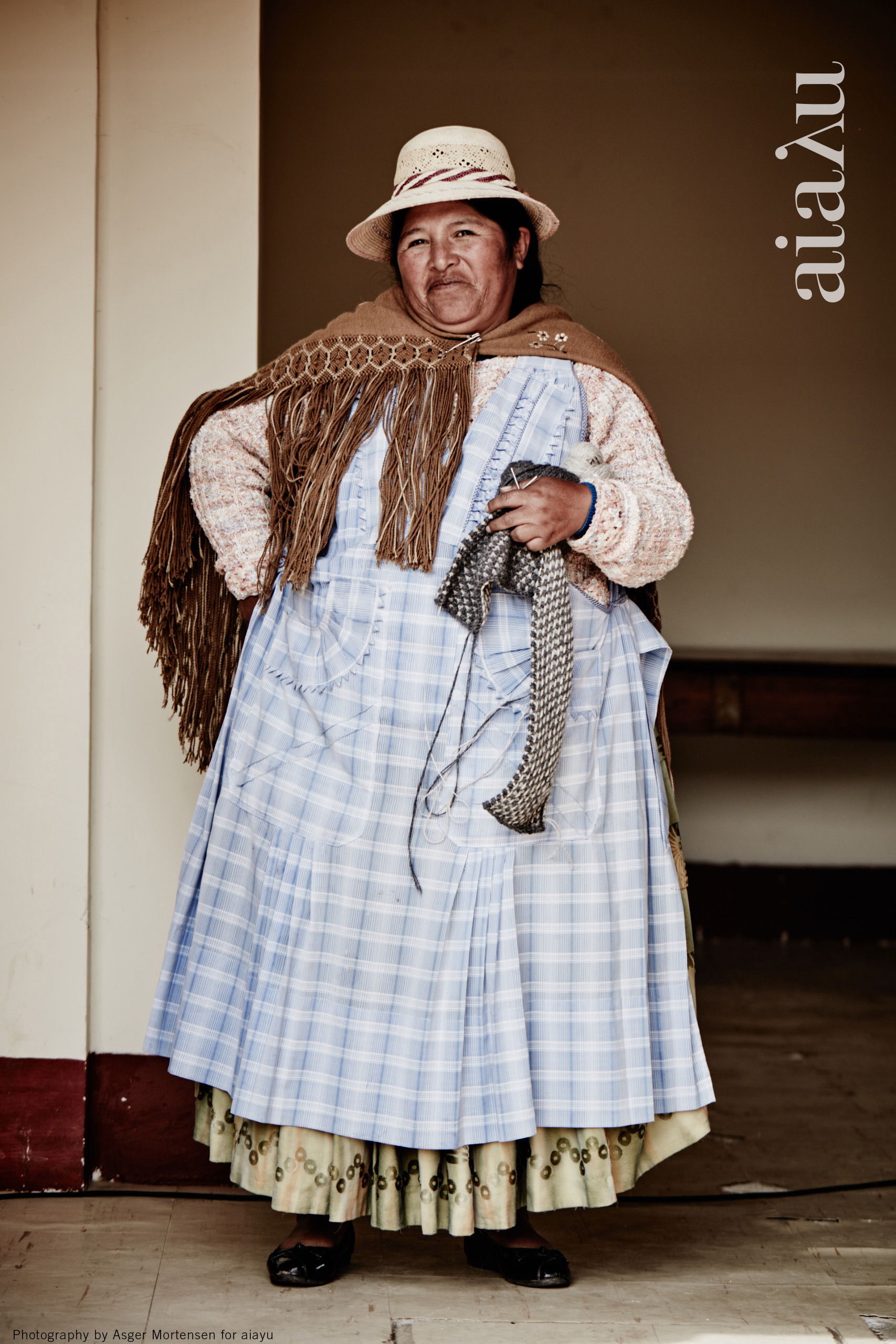
Marina, Bolivia

Marina, Bolivia

What Third World regions are you working with and how does it go together with your social mission? 

Our social mission is to produce, where the material originally comes from and where they have the specific skills to work with it. We want to preserve the heritage of the people who we work with, and make them proud of something they take for granted. Today we work with Bolivia in knits, India for cotton and Nepal for cashmere and yak. The origin determines the quality. We are deeply rooted in our love for natural materials - these exquisite raw materials are the main source of inspiration when creating our product range, and they continue to inspire us to evolve our concept. Our idea is to simply refine what nature has already designed so beautifully.

“I hope we stand out in telling the story not only as a marketing tool, but giving people a feeling of being close to the process and the people behind it. […] It’s the human story we need to transcend to the end customers.”

By what it feels like, more and more Scandinavian brands are pushing forward ethical principles in their businesses. What’s unique about Aiayu’s approach?

I hope we stand out in telling the story not only as a marketing tool, but giving people a feeling of being close to the process and the people behind it. We get initials engraved inside the garments to trace the women, who knitted them. These are they stories people want to hear and relate to, much more than just a certification. It’s the human story we need to transcend to the end customers. 

How can we make something that affects us all on global scale reach its meaning to the end consumer? Could it be a question of personalising, creating a story that delivers around it?

As mentioned above, I think it is very much about telling a personal story of the people behind [production]. Teaching people something. People want to learn and get skilled. Working in depth with our factories and materials, we have knowledge that we have to keep on reminding ourselves to share and not take for granted. Sharing our brand’s personal story means educating people in a good way…

In your opinion, what are the key concerns the fashion industry still faces? If you could make one change that has no reverse effect, what would it be?

The massive consumption and fast consumption of clothes. Overproduction and overload of needs, fast-moving trends. Purchasing long-lasting pieces makes you value your clothes even more. At Aiayu, the quality of the clothes also has the effect that people buy fewer pieces from us, but they come back. They naturally buy fewer pieces because the last for a long time, but the longevity and durability of the product makes people feel they get the value for money. Our customers understand the value of good quality. 

“We are deeply rooted in our love for natural materials - these exquisite raw materials are the main source of inspiration when creating our product range, and they continue to inspire us to evolve our concept.”

In addition to selling fashion products, how important is it to educate people on how to take care of their fashion purchases?

It is super important! [This is] to make them appreciate their products, old and new. Our marketing approach also incorporates a mission to make people proud of what they have already purchased, not only to think about what they are going to purchase next. It is conflicting with our short-term business goals, but we believe that it is a long-term achievement that will come back to us well. 

Handknitter, Bolivia

Handknitter, Bolivia

Spinning, Bolivia

Spinning, Bolivia

“Our marketing approach also incorporates a mission to make people proud of what they have already purchased, not only to think about what they are going to purchase next.”

In your opinion, has the digitalisation of our culture made it harder or simpler to spread your message? Is there anything you would change about this surrounding 'fast and more' culture?

If the media is used right, I think it gives us a unique opportunity to connect directly to the consumer, and to break it up into fewer pieces, so that people can consume [the information]. Instagram and Facebook feeds deliver information in smaller bits to make people read more without losing interest, whereas a website often makes them just to look at the pictures. About the social media influence as a whole, I think you can use it to your advantage – even though these fragments are fast-moving. But before starting, make sure you have your vision and goals clear far afield.

https://www.aiayu.com


From the Spirit of Rio to Alex Katz: Your July Culture Guide

Go: Kew Gardens, The Hive – Beauty and science come together at Kew’s exploration of the British Bee. The Hive is an open-air structure standing at 17 meters high and weighing 40 tonnes. The Hive captures the story of the honeybee and the valuable role of pollination in feeding the planet. Visit to discover the secret life of bees.  

See: Alex Katz until 11th September 2016, The Serpentine Gallery. To top off an already pleasant day in Hyde Park, drop into the Alex Katz exhibition at The Serpentine Gallery. Don’t miss this chance to see paintings by a modern American master. 

Alex Katz at The Serpentine Gallery

Alex Katz at The Serpentine Gallery

Visit: Alex Eagle, Lexington Street. The newly opened Alex Eagle store on Soho’s Lexington Street offers a carefully curated selection of home ware and fashion. Go to see the Luke Edward Hall x Alex Eagle collaboration and the exquisite Le Monde Beryl shoes. 

Eat: The Continental Pantry, W11. The Continental Pantry offers a delightful blend of European cuisine and wine.  Perfect for after work on a Friday, indulge in the hand sliced 42 month aged Iberico ham and an impeccably chilled glass of Rose. 

Read: In the Spirit of Rio, Assouline. Ahead of this summer's Olympics, In the Spirit of Rio outlines a guide to the best hotels, restaurants, shopping, art galleries and attractions.  Bursting with dazzling imagery celebrating this lively city.

Bruno Astuto's In the Spirit of Rio, Assouline 2016

Bruno Astuto's In the Spirit of Rio, Assouline 2016

Beauty Is Beauty Is Beauty Is...The Natural You: Estonian Eco Cosmetics By Sõsar

Words: Johanna Raudsepp

Lately, applying my all-natural face moisturiser first thing in the morning has become like a second nature - it leaves my skin firm and gives it an immediate healthy glow. I couldn’t think of any fresher way of starting the day’s beauty routine. In Northern Europe, the appreciation of natural beauty is nothing unusual: it has gradually become sort of a trademark for us, which translates into our modern-day beauty industry, too. Natural cosmetics, consisting of pure ingredients derived from our surrounding biosphere, are nowadays widely known as bio-organic or eco-friendly cosmetics. As a cherry on top, these fuss-free superheroes often boast environmentally friendly packaging, too. 

Sacred Forest Peat Mask by Sõsar

Sacred Forest Peat Mask by Sõsar

To further understand the buzz around fuss-free, bio-active cosmetics, we talked the essence of beauty with Piret from the Estonian cosmetics brand Sõsar (‘Sister’). Whilst creating their products from all-sustainable resources combining modern-day science with local folk medicine, Sõsar not only serves organic skincare products for women, but has introduced an entire range for everyday use for the modern, global man. Perhaps that rather unusual stunt reveals why we have fallen utterly in love with their all-natural range…

What is beauty? 

Beauty is something very effortless that exudes from within. It reflects in our entity, the way we speak, [in our] physical stance and attitude towards ourselves and one another. Beauty is healthy, not artificial. It’s inside all of us already. [It’s] like a diamond which needs polishing to become a rare brilliant. The question is, will you polish your diamond or cover it with paint? 

"I believe that we all are already beautiful the moment we wake up. It’s a whole different question, whether we have the ability to see that beauty."

What inspired you to launch Sõsar?

Sõsar was born out of a personal need for cosmetics which would highlight natural beauty without damaging our skin and body with synthetic preservatives or colourants. I consider myself to be a bon vivant when it comes to cosmetics and skincare. I value the highest quality, the purest and the most effective natural products that help you stay youthful and glowing. [The idea] came to me once I realised that what is considered ‘best’ isn’t always the most expensive or dressed in the fanciest packaging. I quickly came to the conclusion that everything depends on what’s on the inside - the rest is often just a beautiful facade. As I soon found out there were others who shared my values and believed in the power of nature — thus Sõsar was born. 

Piret Laasik, founder of the Estonian eco beauty brand Sõsar

Piret Laasik, founder of the Estonian eco beauty brand Sõsar

Aside from the obvious, why are natural ingredients better for our skin’s health?

Everything in nature is already in perfect balance — we don’t need to extract, add or remove any components. The compote of fabricated substances [that stand at the other end of beauty industry] might not even give the desired results, but will rather create an addiction to the products. We should get to know nature better and learn how to benefit from it, rather than fear it. Natural products help to create a balance in our organism. We don’t need to apply seven layers of make-up or moisturise our skin on a daily basis, because our body and skin have the natural ability to be healthy and glowing if we knowingly support that. I believe that we all are already beautiful when we wake up. It’s a whole different question, whether we have the ability to see that beauty. 

"Beauty is healthy, not artificial. It’s inside all of us already. Like a diamond which needs polishing to become a rare brilliant. The question is, will you polish your diamond or cover it with paint?"

Besides women’s cosmetics, Sõsar also offers products for the modern man. What is important to keep in mind when creating a beauty product for men? 

What is most interesting about men’s products is that men need to be encouraged to use said products, especially for skincare. [They should keep in mind that] it doesn’t make a man less manly. In fact, [it is not a myth] that we, women, like men who are naturally handsome and take care of themselves. After all, men have the same kind of skin problems as women do. Healthy skin will give men confidence in building their career, and they will also benefit from that confidence in social situations…in their private lives. What’s great about natural products is that they are actually suitable for both men and women. 

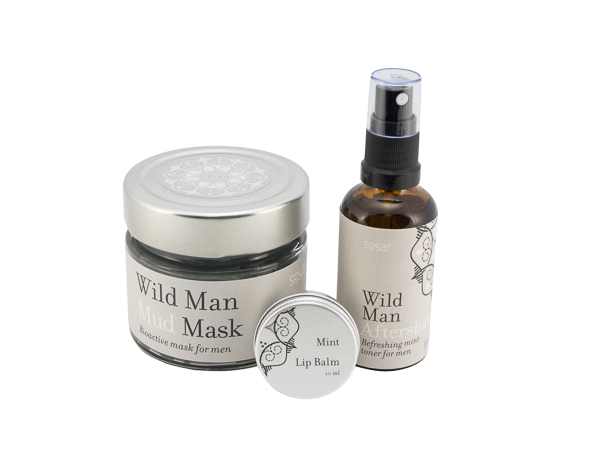
Wild Man product range by Sõsar

Wild Man product range by Sõsar

If Sõsar was a character in an upcoming movie, what would she look like? How would she take care of her skin?

Sõsar would be a character called ‘Natural Beauty’, who makes heads turn in awe as she enters the room. It’s not about the perfect brow or having the perfect hair. Her beauty reflects in who she is, her gaze, and how she walks. She’s mindful that knowing her worth, getting a good night’s sleep and weekly beauty rituals are the key to beauty and youthfulness. And she doesn’t take no for an answer. Fresh air, good quality food and an active lifestyle are an essential part of her life. 

If you’re as obsessed with natural beauty as we are, go check out Sõsar’s webpage at www.sosar.eu where you purchase their skincare products. (PS! They ship all over the EU!)

Handpicked Food For Soul: June Culture Guide

Spending your summer 2016 in London? Before heading overseas for true outdoor adventures, follow our handpicked ABC of the month's go-to destinations, hidden gems, flavours and entertainment for the ultimately satisfying culture boost in the city. 

Yayoi Kusama at the Victoria Miro Gallery

Yayoi Kusama at the Victoria Miro Gallery

Go – With the Summer upon us, Hyde Park will soon become the place to see and be seen. Don’t miss this year’s futuristic Serpentine Pavilion. This year we will see work by Danish architect Bjarke Ingels who has designed the pavilion to resemble an unzipped wall.

SeeYayoi Kusama’s retrospective comes to the Victoria Miro Gallery in North London. Get lost in the surreal sea of pumpkins, polka-dots and magical mirror room. Until July 30th.  

Yayoi Kusama at the Victoria Miro Gallery

Yayoi Kusama at the Victoria Miro Gallery

Visit – Be sure to swing by The Switch House, the new staggering 10 story building at the Tate Modern. Opens on 17th June. 

EatOstuni.  Our favorite Italian haunt in Queen’s Park launches their sister venue on June 13th in Hampstead Road, the perfect treat after a long walk around the Heath. Don’t leave without trying the slow-cooked octopus. 

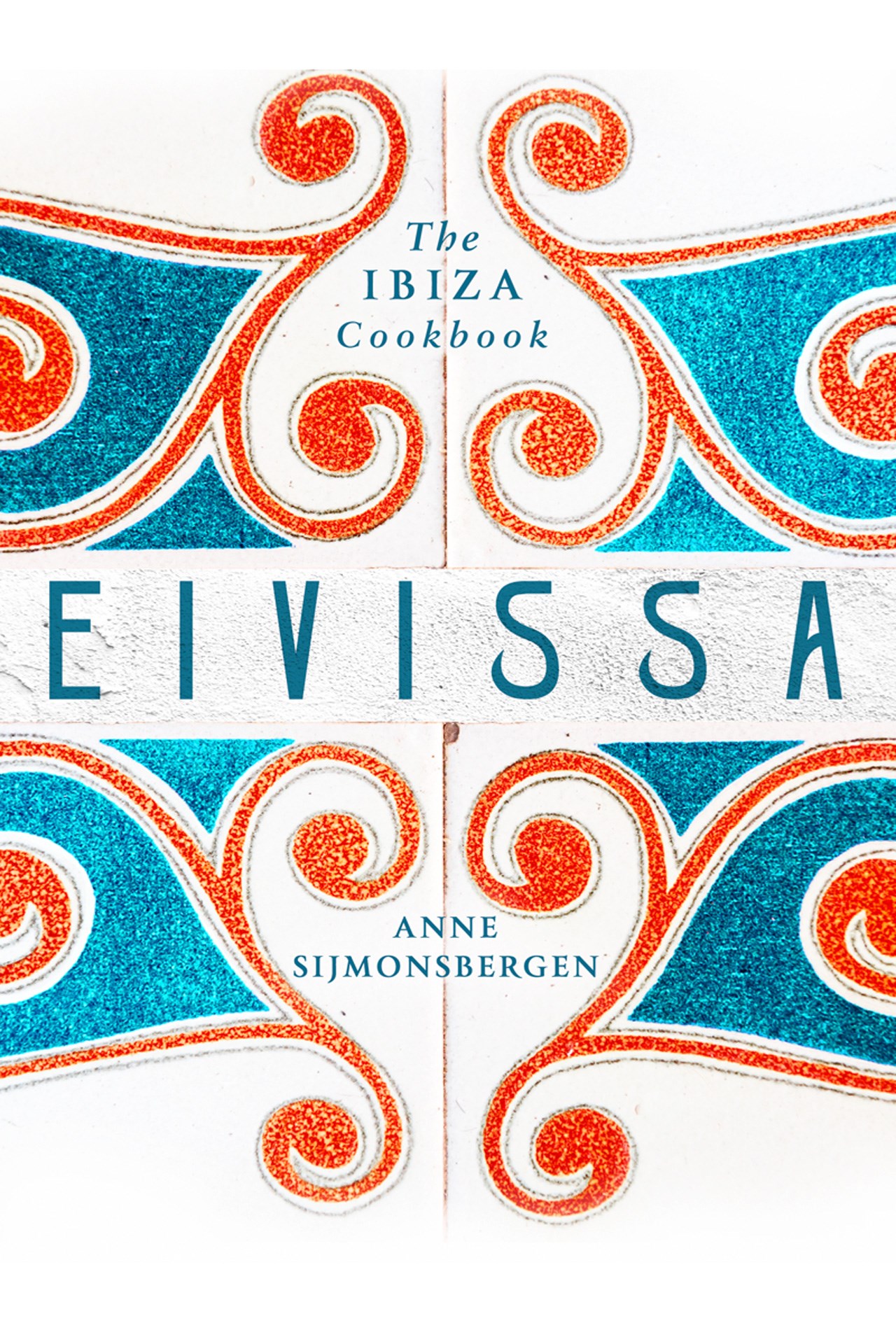
Read - Anne Sijmonsbergen’s debut cookbook Eivissa (Ibiza), packed full of inspiring Mediterranean recipes for every season, start on a hot summer evening and recreate the white island delicacies in your own home. 

'The Ibiza Cookbook' by Anne Sijmonsbergen

'The Ibiza Cookbook' by Anne Sijmonsbergen

To Freeze The Time Through Tapestry — Retrieving Memories Through Carpet Landscapes: Alex Keha

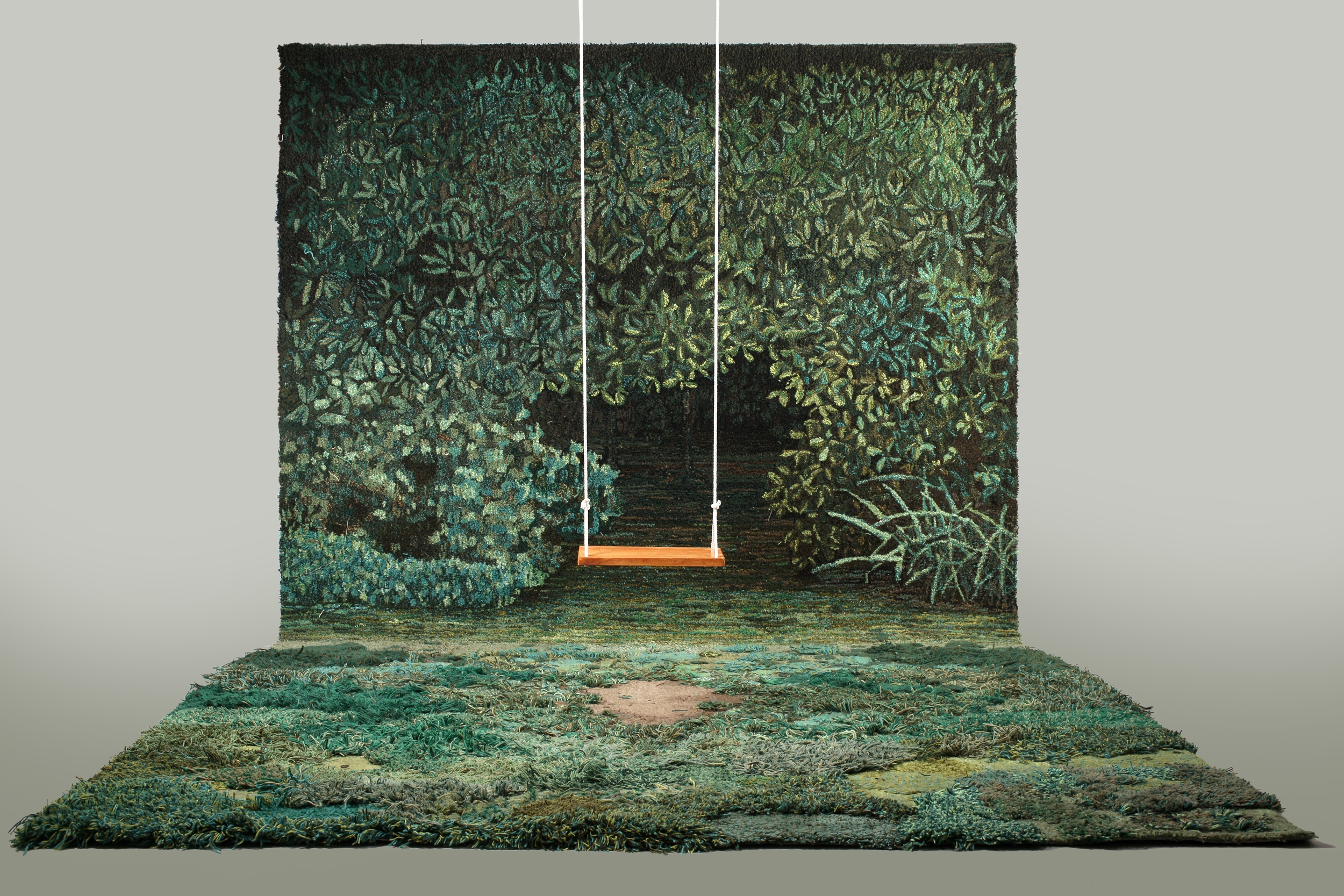
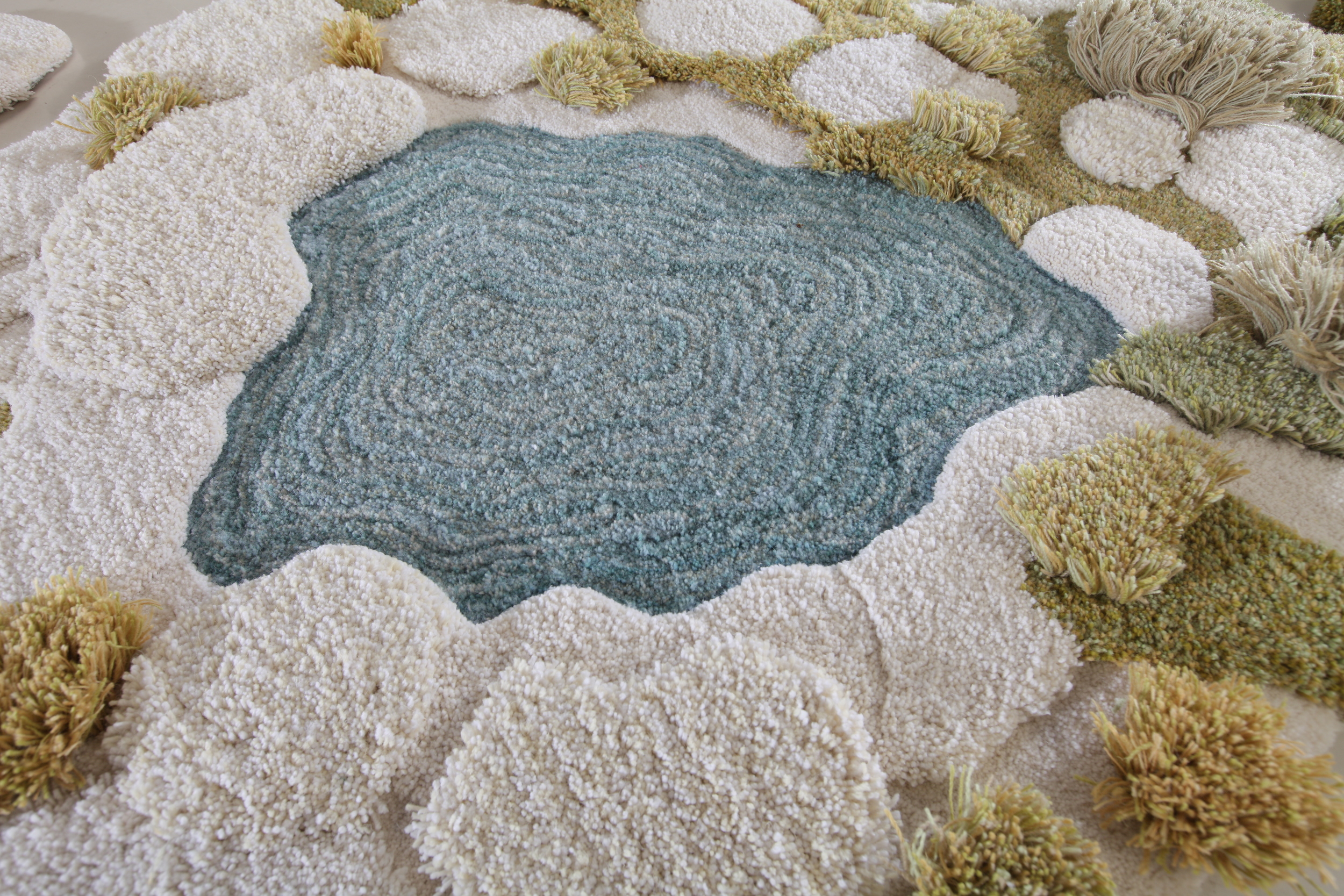
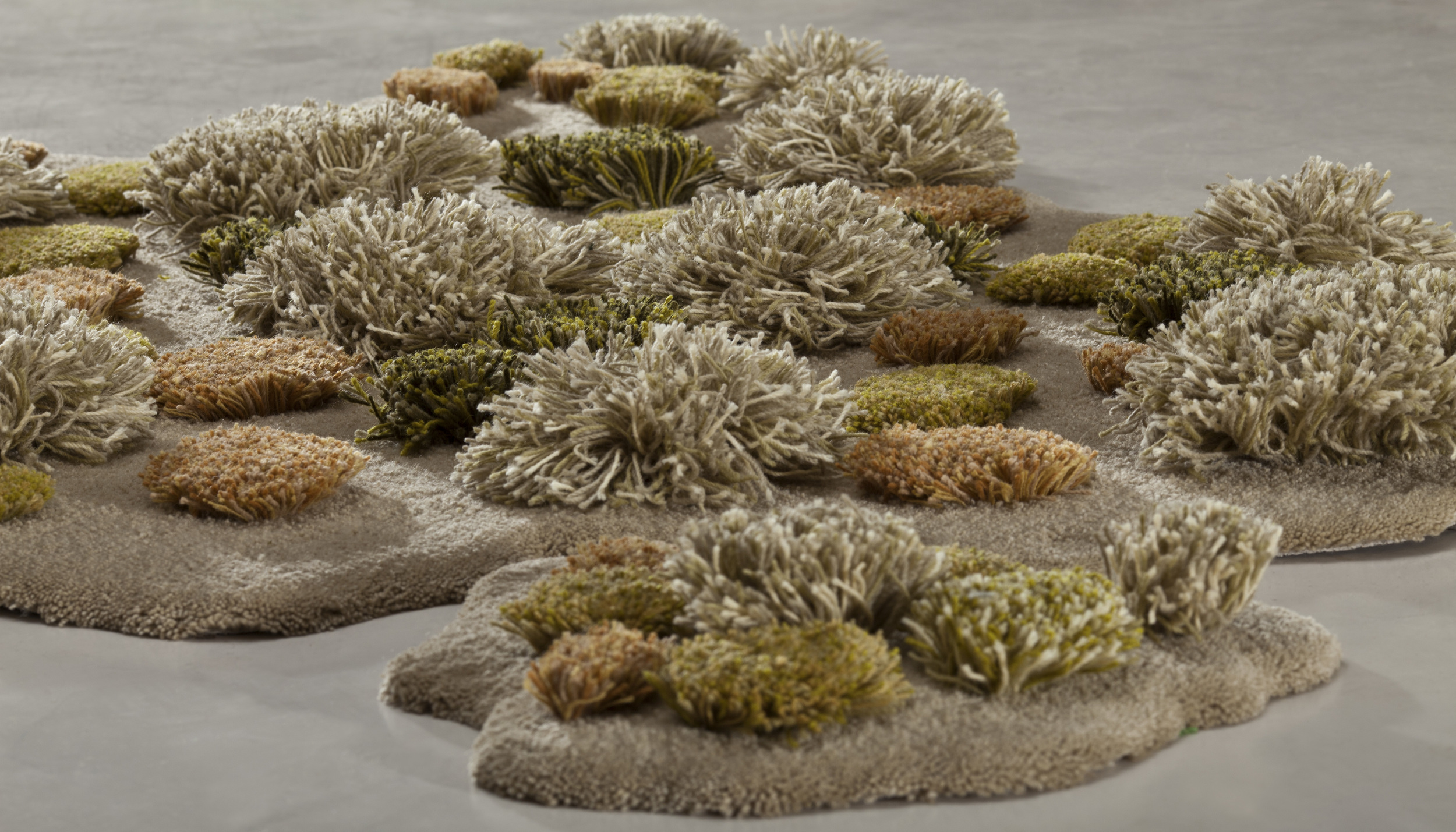
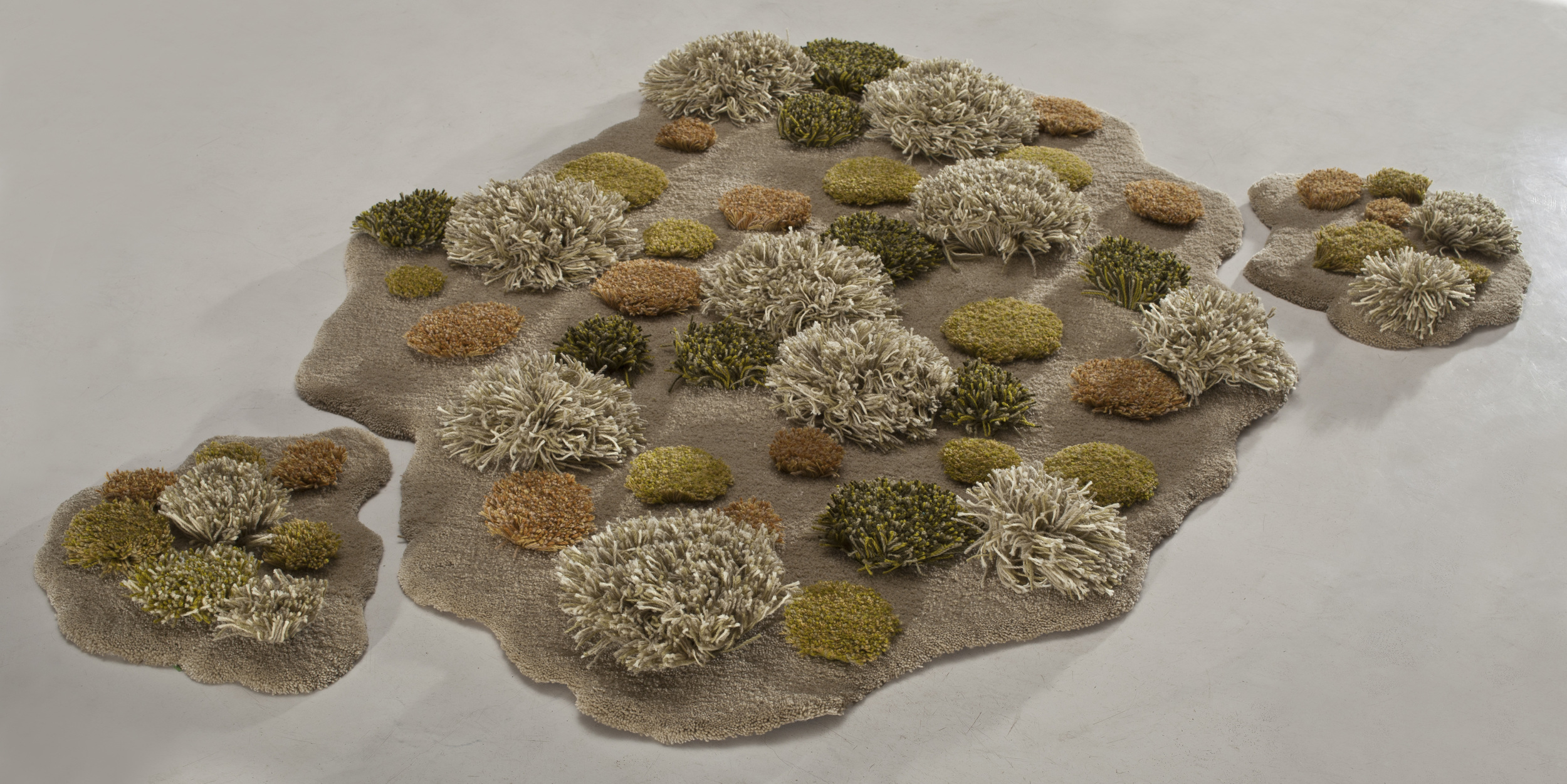
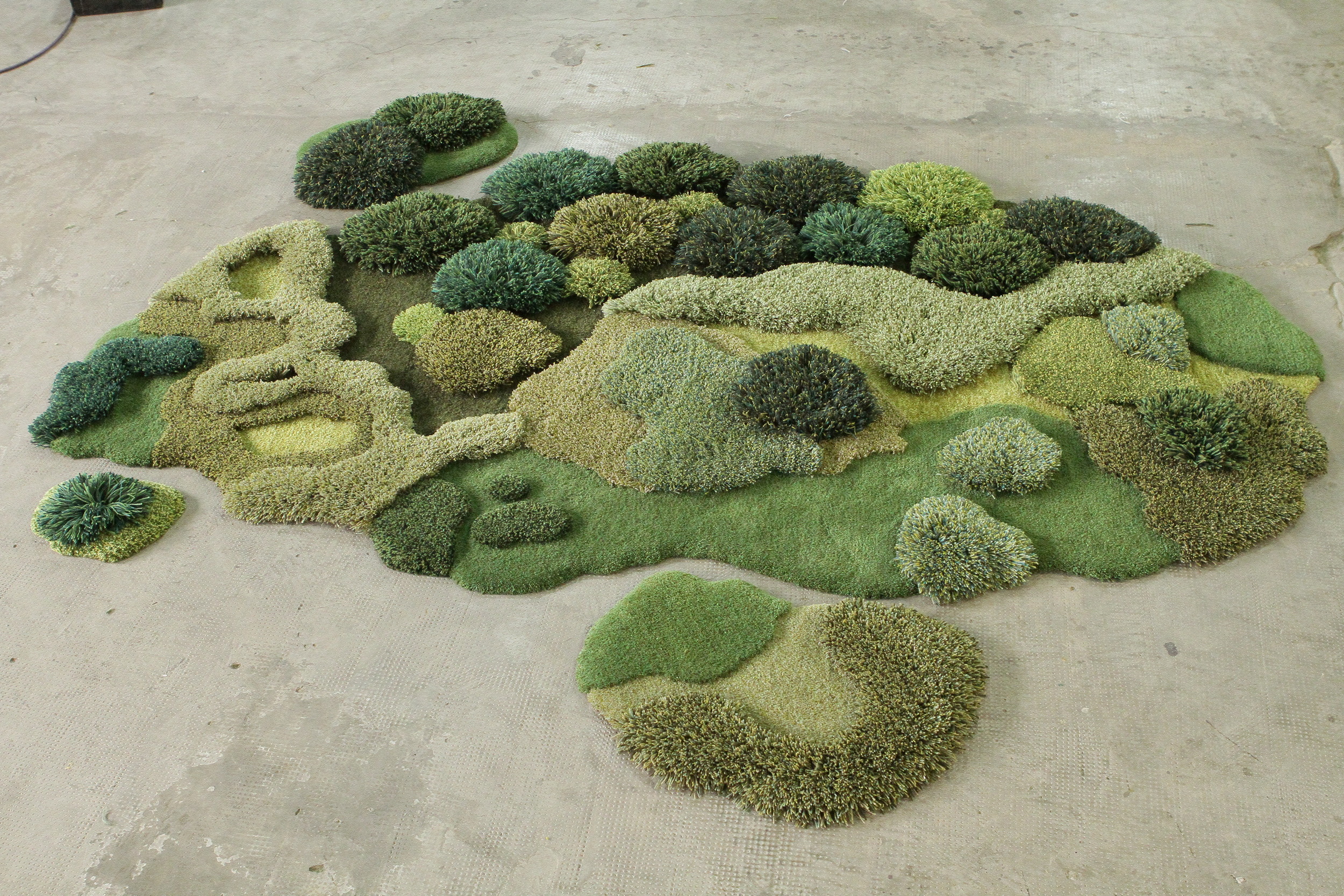
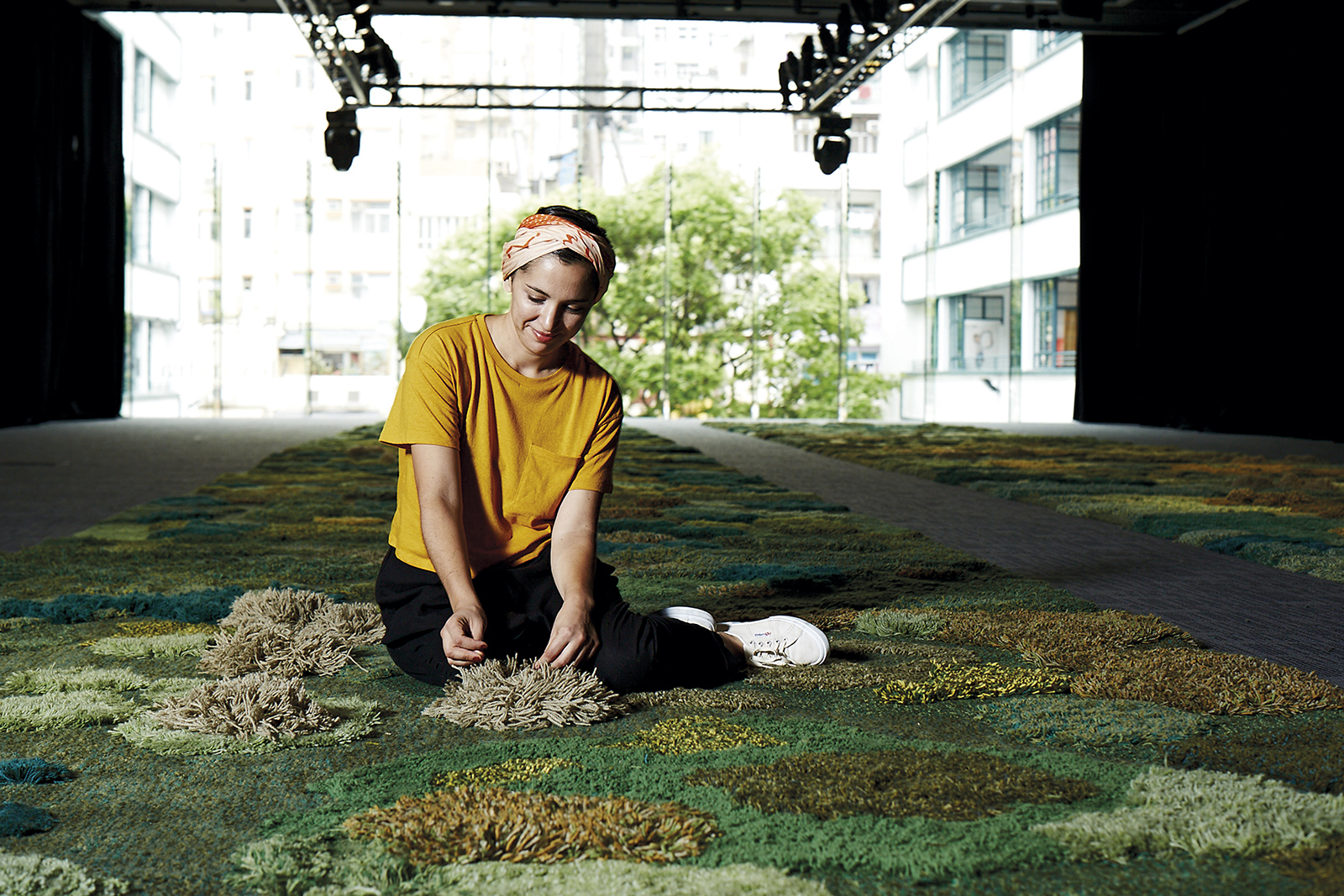
How to connect the dots between nature, sustainability and carpet making? By reinventing cherished childhood territories from leftover textiles of her family-owned factory, Argentinian rug artist Alexandra Kehayoglou gives an answer to this seemingly impossible equation. It’s in the Studio Kehayoglou, where the hands work hard and artisanal immaculacy bravely takes shape, stopping the passing of time in ethereal still-life carpet artwork.

Carpet artwork by Alexandra Kehayoglou

Carpet artwork by Alexandra Kehayoglou

Your carpets are pure magic. How does the process of creating one begin? 

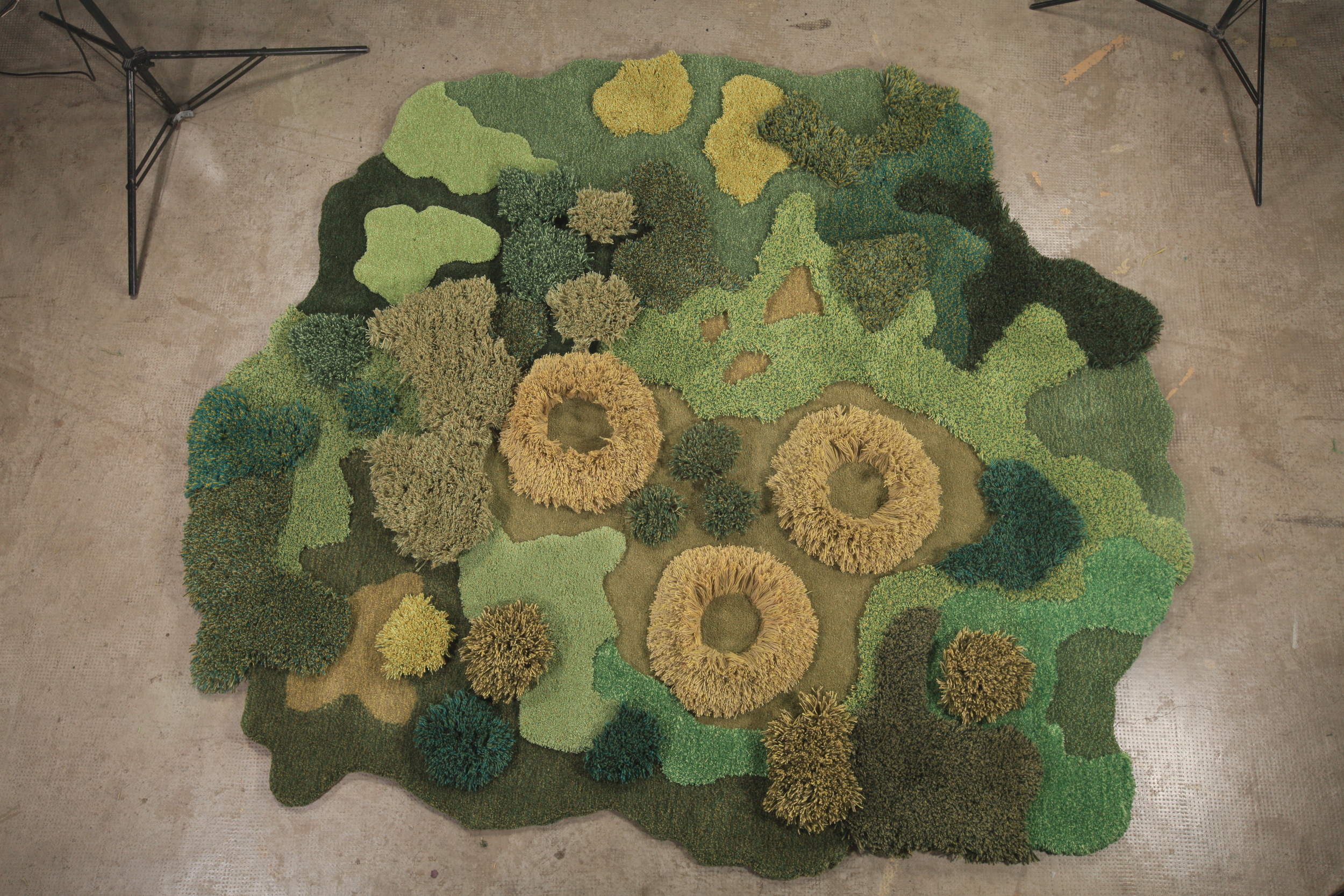
Every piece has a story behind it and the whole process that leads to the final result is rather long and complex. [In my approach], the original techniques of tufting are combined with modern technology. I try to link both platforms — the industrial and the manual — to create more experimental artworks. My greenlands, paddocks, shelters and tapestries are made up from retrieved material of the factory owned by my own family. In a way, they contain my own life experience. 

I usually have a previous idea of what I want to achieve [as a final result], but this always changes through the process. I first sketch on the canvas, then apply the tones and create textures inspired by landscapes I’ve seen. The textile is weaved with handtuft system — with a pistol that I manipulate on vertical racks to create the weft that will give shape to the final piece. Each of them is unique, with a certain texture, pattern, volume and unrepeatable palette. 

When did you start connecting and exploring the symbiosis between landscapes and rug making?

I grew up among rugs. Seventy years ago, my Greek family brought the tradition of designing and producing the carpets to Argentina. After many years of research, I decided to transform my family history into an artistic expression. 

Everything started with my diorama boxes in which I tried to freeze a scene. An artificial miniature beach landscape in which the spectator could submerge, but these were at first [merely a] model — they were small and packed in a box. When that tapestry unfolded on the floor, I realised I could create those landscapes, following the same idea of time being frozen, but this time in a human scale. Therefore I decided to keep my cherished territories from childhood safe from the passing of time by recreating my landscapes. 

How is the sustainability element represented in your artwork? What other principles do you consider to be the cornerstone of your art? 

Sustainability is present in each piece of work. I am deeply conscious about nature and that is why I hand-tuft my pieces with 100% natural sheep wool and all the materials are surplus from my family’s factory. The materials are selected carefully and then dyed to achieve the desired colours.

Alexandra Kehayoglou

Alexandra Kehayoglou

How long does it take to create one masterpiece rug? What's the most complex project you have undertaken and completed?

Depending on the complexity of the piece, the production time can take from one to several months. I pay a lot of attention to details and I am extremely tedious with each and every stitch. The most complex project I worked on was a custom-made carpet designed by Olafur Eliasson and crafted by Alexandra Kehayoglou’s Studio. It consisted of a 3D carpet, which we had to adapt to a wooden topography to create a reading space in the Art Kunz Library of Berlin. This was truly challenging, because we had to develop a new method for the carpet installation. All in all, it was a great experience; we spent almost three weeks at the Studio. We worked a lot! 

“Each of them is unique, with a certain texture, pattern, volume and unrepeatable palette.”

What makes a particular landscape inspiring enough for one of your rugs? What else inspires you throughout the process?

I guess the contemplation of the landscapes I love is the first step for the development of my work. Also, Argentinian geography has been very inspiring for me because, in a way, my personal history is tightly related to the history of that land. Walks through my parents garden with my son, road trips, sunsets, aerial views, the sea, the beach, my family, my grandmother, are part of this dialogue between nature, tradition and art. 

You also have an inspiring Instagram account. In your view as an artist, is it important to promote yourself more as a 'brand' nowadays? Don't you feel that it has made your work more commercial?

I believe all art is very much about freedom. In a way, Instagram is a great tool for any visual artist, because it allows us to choose what we want to share about our daily work at the studio — it’s sort of a visual diary. During the last few years, artists have found new ways of creating the ‘buzz’ and circulation, it’s not merely about being a part of a gallery anymore. Even though my work is sometimes related to important brands, I really don’t find my work commercial at all. In fact, it is well known that there are new models of art business arising and concurrently with them, new ways of being an artist. 

“Walks through my parents garden with my son, road trips, sunsets, aerial views, the sea, the beach, my family, my grandmother - all are part of this dialogue between nature, tradition and art.”

Alexandra Kehayoglou

Alexandra Kehayoglou

Describe the relationship between fashion and your rugs. There was a runway setup project you've done for one of the major fashion brands. Are there any other fashion collaborations you’ve executed?

In 2014, Dries Van Noten contacted my studio through a fashion producer called Villa Eugénie, who had seen my work online. They asked for a rug of 50 meters based on the same nature concepts that I work on. The design of the carpet was a pastizal (grassland/pasture). We travelled to Paris for the installation of the piece. It was a great experience because, even though the process was very intense and it had to be developed in a very limited timeframe, a new way of thinking my work appeared [as a result]. 

How can we be more environmentally aware and shape people's mindsets through what we put out in the world?

I think we should start with small actions. Every day is a chance of making things better. If we finally understand that we are not the centre of the Earth, but just a tiny part of it, as well as the trees, the animals, the rivers and seas and the mountains, our decision-making and behaviour will lead us to living a more environmentally-conscious life. 

“I decided to keep my cherished territories from childhood safe from the passing of time by recreating my landscapes.”

What's your relationship with nature? 

I was raised in a house with a big garden, so my approach to nature is quite sincere and spontaneous. As a child I used to explore the different colours, shadows, smell of the grass, the flowers and plants. Everything was special and new, my point of view was not contaminated by life experience. I remember making up stories for hours, nursing the birds, playing with mud. The feeling that time was frozen in a special moment is something I’ve been trying to transmit with my work as part of that first intuition. 

The process of creating a masterpiece: Artist Alexandra Kehayoglou

The process of creating a masterpiece: Artist Alexandra Kehayoglou

In what ways has Argentina played a role in shaping you as an artist?

Argentina offers many kinds of climates, landscapes and cultures. I decided to embrace this diversity because it’s also a part of my own identity. The scenes I create are part of native territories that carry ancestral information and I think that my job as an artist is to transmit their message through the best language I know, art. 

http://www.alexkeha.com