A company's ability to withstand disruption is now directly tied to its digital infrastructure. From customer relationship management to daily operations, technology is the engine of modern business. When that engine fails, everything grinds to a halt. This is why building IT resilience, the capacity for your technology systems to endure and recover from failures, is no longer a technical concern for the IT department but a core strategic priority for any forward-thinking organization that needs reliable IT support. A resilient IT framework ensures your business can continue to function, serve customers, and protect its assets during unexpected events.
By Team Savant
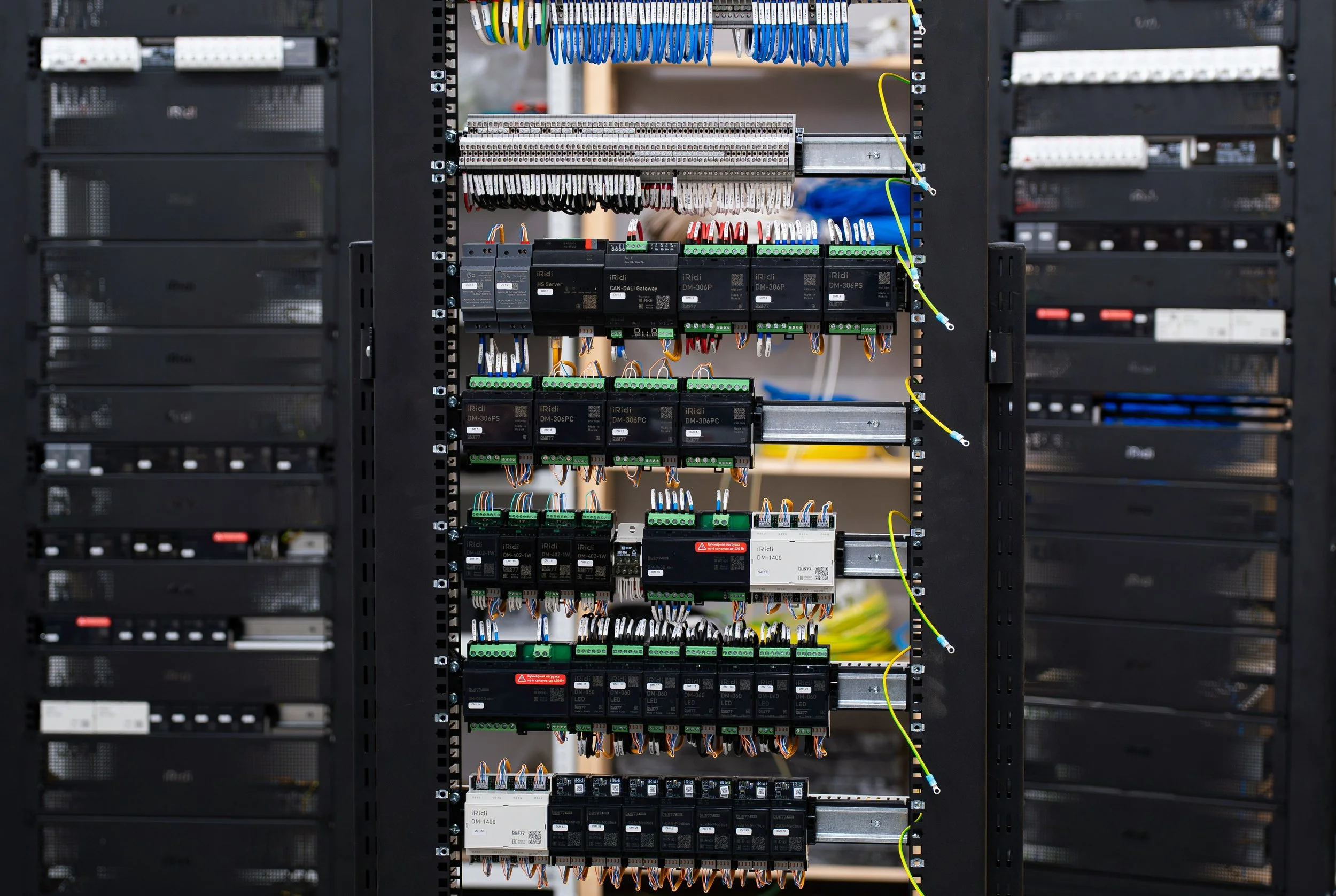
Image: Aleksandr Lyaptsev
Why IT Resilience Matters Now
Business resilience is the ability of an organization to adapt to challenges and disruptions without compromising its core functions. In our digital-first economy, this is fundamentally linked to IT. Understanding what business resilience is reveals its dependence on technology that can withstand threats. These threats are more varied than ever, ranging from sophisticated cyberattacks and ransomware to common hardware failures, software glitches, power outages, or even human error.
The cost of downtime is significant and goes beyond immediate financial loss. A single outage can damage your brand's reputation, erode customer trust, and lead to regulatory penalties if sensitive data is compromised. For small and medium-sized businesses, a prolonged disruption can be an existential threat. Building resilience means you have a plan and the infrastructure to minimize downtime and recover quickly, turning a potential catastrophe into a manageable incident.
Protecting Your Data and Operations
Your company's data is one of its most valuable assets. Protecting it is the cornerstone of IT resilience. The first line of defense is a robust and regularly tested backup strategy. This should include both local backups for quick restores and off-site or cloud backups to protect against physical disasters like fire or theft. Simply having backups isn't enough; you must verify that they are working correctly and that you can restore data from them when needed.
Beyond backups, protecting your day-to-day operations involves a multi-layered security approach. This includes essential tools like firewalls, up-to-date antivirus software, and email filtering systems. An emerging concept is intelligent resilience for data, which uses automation to improve data protection. However, technology alone is not a complete solution. Educating employees on cybersecurity best practices, such as identifying phishing emails and using strong, unique passwords, is critical to preventing breaches caused by human error.
Proactive vs. Reactive IT Strategies
Many businesses operate on a reactive "break-fix" model for their technology: when something stops working, they call for help. This approach guarantees downtime, lost productivity, and often higher costs associated with emergency repairs. A proactive strategy, in contrast, focuses on preventing problems before they occur. It involves continuous monitoring of systems, regular maintenance, and timely updates to patch security vulnerabilities.
Adopting a proactive stance transforms IT from a recurring expense into a strategic investment. Identifying potential hardware failures before they happen or catching security threats early helps you avoid costly disruptions altogether. This approach requires consistent effort and expertise, which can be a challenge for businesses without a dedicated IT department.
Expert IT Support for Business Continuity
Engaging an expert IT partner is one of the most effective ways to ensure business continuity. These professionals bring specialized knowledge that most small businesses cannot afford to maintain in-house. They can design and implement a comprehensive disaster recovery plan tailored to your specific operations, outlining clear steps to take in the event of an outage. This plan ensures that everyone knows their role and that recovery can happen as quickly and efficiently as possible.
Furthermore, an external IT team provides ongoing management and monitoring that prevents many issues from escalating. They handle routine tasks like software patching, security updates, and system health checks, freeing your team to focus on core business activities. With expert support, you gain access to a team that is always on-call to handle emergencies, drastically reducing the time it takes to get back online after a disruption.
Choosing Reliable Hardware and Software
The foundation of a resilient IT system is the quality of its components. Opting for cheap, consumer-grade computers and network equipment is a false economy. Business-grade hardware is built for durability and longevity, designed to withstand the demands of a commercial environment. It often comes with better warranties and support options, ensuring you can get replacements or repairs quickly when needed. Standardizing your hardware across the organization also simplifies management, maintenance, and troubleshooting.
The same principle applies to software. Using unlicensed or outdated software opens your business to significant security risks, as you won't receive critical patches that protect against new threats. A resilient business invests in properly licensed, current software and operating systems. This ensures you have access to vendor support and are protected from known vulnerabilities, forming a stable and secure platform for all your operations.
Ultimately, building IT resilience is not a single project but an ongoing commitment. Viewing your technology as a strategic asset and investing in proactive protection helps you safeguard your operations against disruption and secure a significant competitive advantage.