The excitement of a new project often makes us want to dive right in. We picture the finished product and feel an immediate urge to start building, creating, or organising without delay. While that initial burst of energy is great, channeling it into thoughtful preparation first is truly the key to success.
By Team Savant
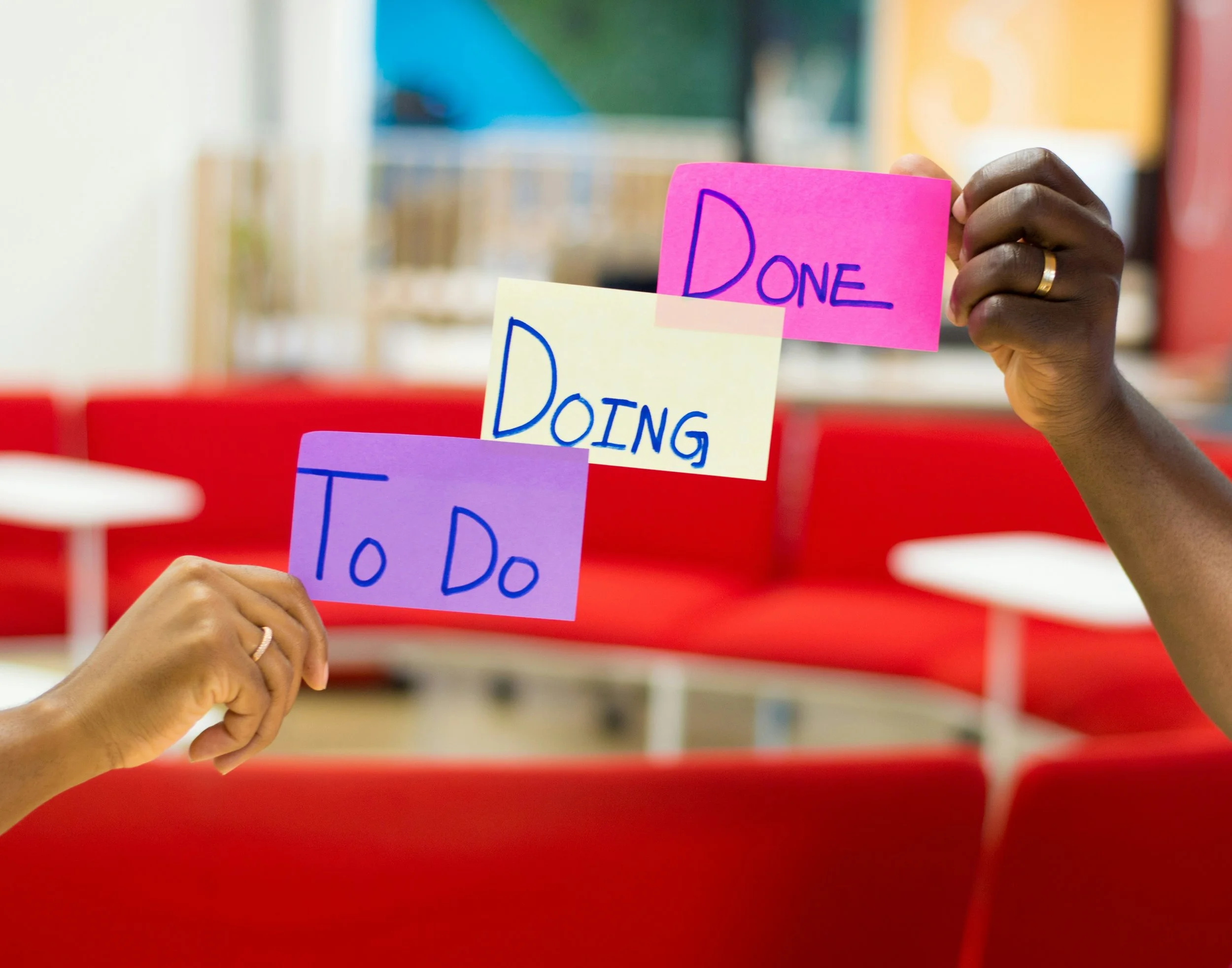
Image: Eden Constantino
Embracing Deliberate Preparation
Mindful project planning starts even before you write a to-do list. It begins with asking "why" and "what." Why are you doing this project? What does success look like? Clear answers to these questions give you a guiding star for all your decisions later on.
Deliberate preparation means imagining the whole process from start to finish, figuring out key milestones, and breaking big, daunting goals into smaller, manageable steps. This isn't about making strict, unchangeable rules, but about creating a flexible roadmap.
Embracing the power of mindful planning helps you approach your work with purpose instead of just reacting to a messy workflow. It turns planning from a chore into a real advantage.
Why Rushing Leads to Rework
The old saying "measure twice, cut once" is incredibly true for any project. When we rush through the first steps, we make assumptions, miss details, and create problems that only pop up later.
A quickly written report might need huge rewrites after a manager finds errors. A DIY home project started without proper measurements can waste materials and lead to frustrating backtracking. This rework doesn't just eat up more time and money; it saps morale and creates stress.
The time you thought you were "saving" by skipping planning often gets paid back with interest during the frantic, frustrating process of fixing mistakes that could have been avoided. That's why a measured approach leads to better project outcomes.
Selecting the Right Tools for Success
A key part of deliberate preparation is making sure you have the right tools. This goes for both digital and physical projects. You wouldn't try to write a novel in a spreadsheet, and you shouldn't try to build a deck with just a hand saw. Having the right tool makes the work more efficient, safer, and leads to a better quality result.
For big or specialized jobs, like a major garden renovation or concrete work, you might need tools you don't own. In these cases, opting for equipment hire is a smart, strategic move. It gives you access to professional-grade tools without the big cost and upkeep of owning them, ensuring you can get your plan done effectively.
Building Resilience into Every Task
No plan is perfect, and no project ever goes exactly as expected. A mindful approach understands this reality. Building resilience into your plan means spotting potential risks and thinking about backup plans. What happens if a key team member gets sick? What if a supplier is late? What if the weather doesn't cooperate for an outdoor event?
Resilient planning involves adding buffers to your timeline and budget to absorb these unexpected bumps. This practice of mindful project management helps you stay in control when things go wrong, letting you adapt and solve problems calmly instead of panicking. It's the difference between a minor hiccup and a full-blown crisis.
The Long-Term Value of Quality
Ultimately, a mindful approach to project planning is an investment in quality. The care you put in at the start directly affects how durable, effective, and satisfying the final result will be. A well-planned software launch has fewer bugs. A carefully built piece of furniture lasts for generations. A thoughtfully organised event creates lasting positive memories.
By focusing on deliberate preparation, avoiding rushes, using the right tools, and planning for setbacks, you shift your focus from just "getting it done" to "getting it done right." This commitment to quality not only delivers a better product but also builds confidence and competence for all your future projects.
The principles of mindful planning can be applied to any task, big or small. The next time you face a challenge, take a moment to pause, breathe, and plan. You might be surprised at how a little deliberation upfront can lead to a much smoother and more rewarding process.