To many, the idea of pruning a tree brings to mind a noisy chainsaw and a pile of discarded branches. It often seems like a purely functional, maybe even a bit brutal, chore. But what if we looked at it differently? When we see tree pruning not just as cutting, but as a thoughtful conversation with a living thing, the whole task changes. It becomes an art form that helps the trees in our gardens stay healthy, beautiful, and live longer. This shift in perspective means understanding that every cut has a reason and an outcome, guiding the tree’s growth in a way that benefits both the tree and its surroundings.
By Team Savant
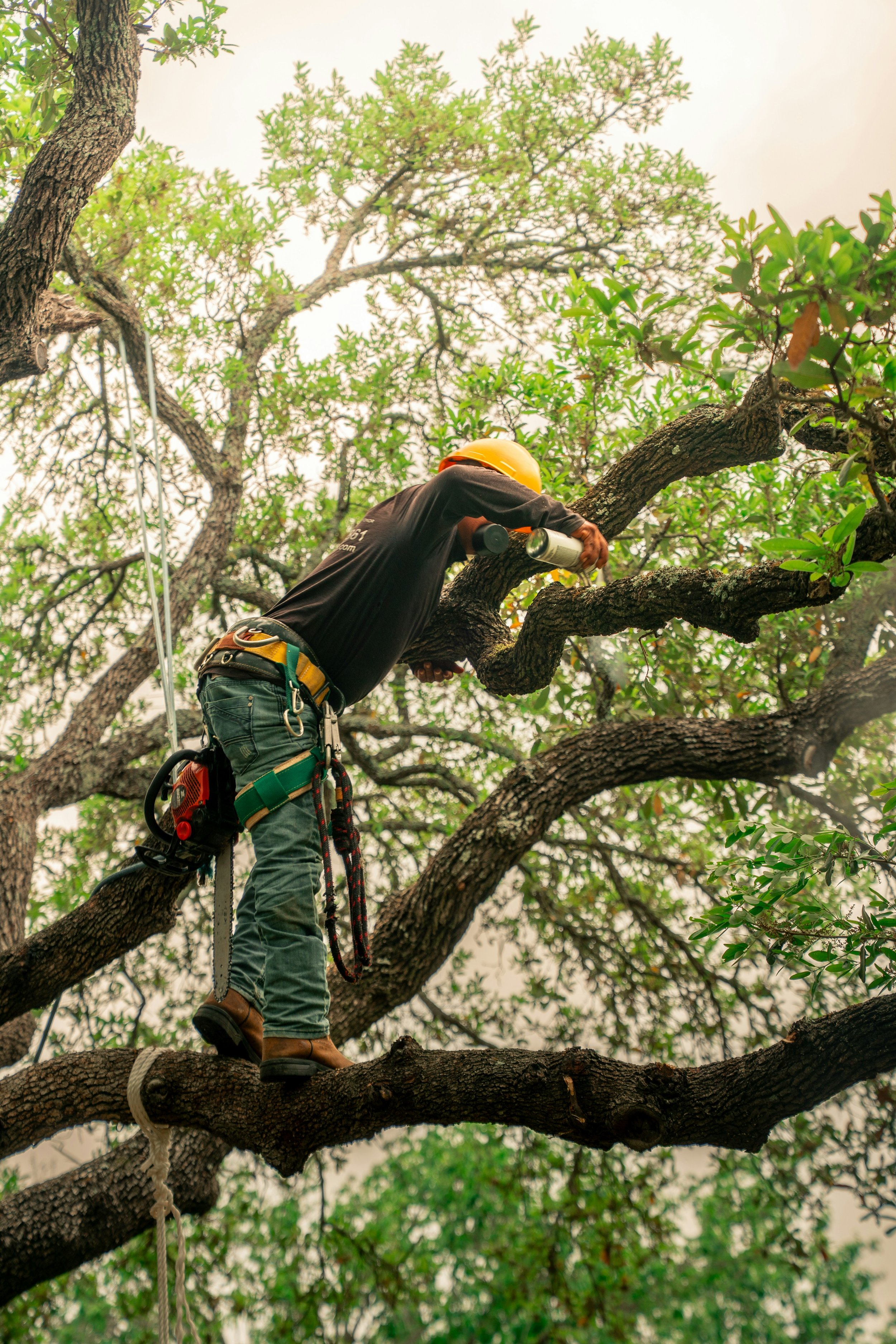
Image: Zack Masters
Beyond Just Cutting Branches
Pruning is much more than just randomly cutting off limbs. At its heart, it’s about carefully removing specific parts to reach a particular goal. Imagine a sculptor gently chipping away at a block of marble. The point isn't just to make the tree smaller, but to improve its structure, boost its energy, and encourage more flowers or fruit. This means taking off branches that are weak, poorly attached, or growing in the wrong direction, so the tree can send its energy to stronger, healthier growth.
For complicated jobs or large, established trees, getting help from professional tree services can be a practical choice. A qualified arborist understands the complex biology of different species and can make precise cuts that support healthy growth while reducing the risk of damage or disease.
Understanding Tree Health
Before you even pick up your shears, the first step is to simply watch. Walk around your tree and try to understand how it’s doing. Are there branches that are clearly dead, with no leaves or buds? Do you see any that are broken or damaged from storms? Are some branches rubbing together, creating wounds in the bark that could attract pests and disease?
This initial look is essential for good pruning. A good rule of thumb is to start with the "three Ds": remove anything dead, damaged, or diseased. This simple act tidies up the tree’s look and immediately improves its overall health by getting rid of potential problems. Knowing these tree pruning essentials helps you make cuts that benefit the tree's long-term health, instead of accidentally harming it. For homeowners looking to simplify garden upkeep, choosing low-maintenance plants and planning can also reduce the amount of ongoing care their outdoor space requires.
Seasonal Pruning for Vitality
When you prune can significantly affect how the tree responds. The ideal timing depends on the tree species, local climate, and reason for pruning. Dead, damaged, or hazardous branches may need attention whenever they pose a risk, while structural pruning should be timed according to the specific needs of the tree. In many cases, pruning during a period of slower growth can make it easier to assess the tree's structure and manage new growth.
Light pruning may also be appropriate at other times of year when the goal is to guide growth or maintain a desired shape. Before undertaking significant pruning, it's worth checking the requirements of the particular species and local conditions rather than following a one-size-fits-all calendar.
Safety and Structural Integrity
Proper pruning is vital for a tree's structural strength. A well-pruned tree has a strong main leader and branches that are well-spaced and securely attached to the trunk. This structure helps it withstand strong winds and heavy rain without losing major limbs. Removing weak, V-shaped joints and favouring stronger, U-shaped attachments can stop branches from splitting and falling unexpectedly, which is a big safety concern.
Your own safety is just as important. Always use sharp, clean tools that are right for the size of the branch you're cutting. For anything that needs a ladder or is near power lines, it’s always safest to call a professional. Using correct tree pruning techniques not only protects the tree but also ensures you don’t put yourself at risk. A wrong cut or a falling branch can cause serious injury.
Taking care of the trees in your garden is a rewarding process that connects you to the rhythm of the seasons. By pruning with thought and care, you’re not just maintaining your property; you’re actively taking part in the life of the natural world around you.