For decades, regulatory compliance was a predictable, if tedious, part of doing business. It meant following established rules for financial reporting, workplace safety, and data privacy. But the landscape has changed. Now, compliance also includes a company's environmental impact, turning climate action from a voluntary initiative into a core business requirement.
This shift isn't just about public relations or corporate goodwill. It's about adhering to a new and growing set of legal and financial standards that directly link a company's operations to its environmental footprint. For business leaders, understanding this evolution is critical for managing risk and ensuring long-term viability.
By Team Savant
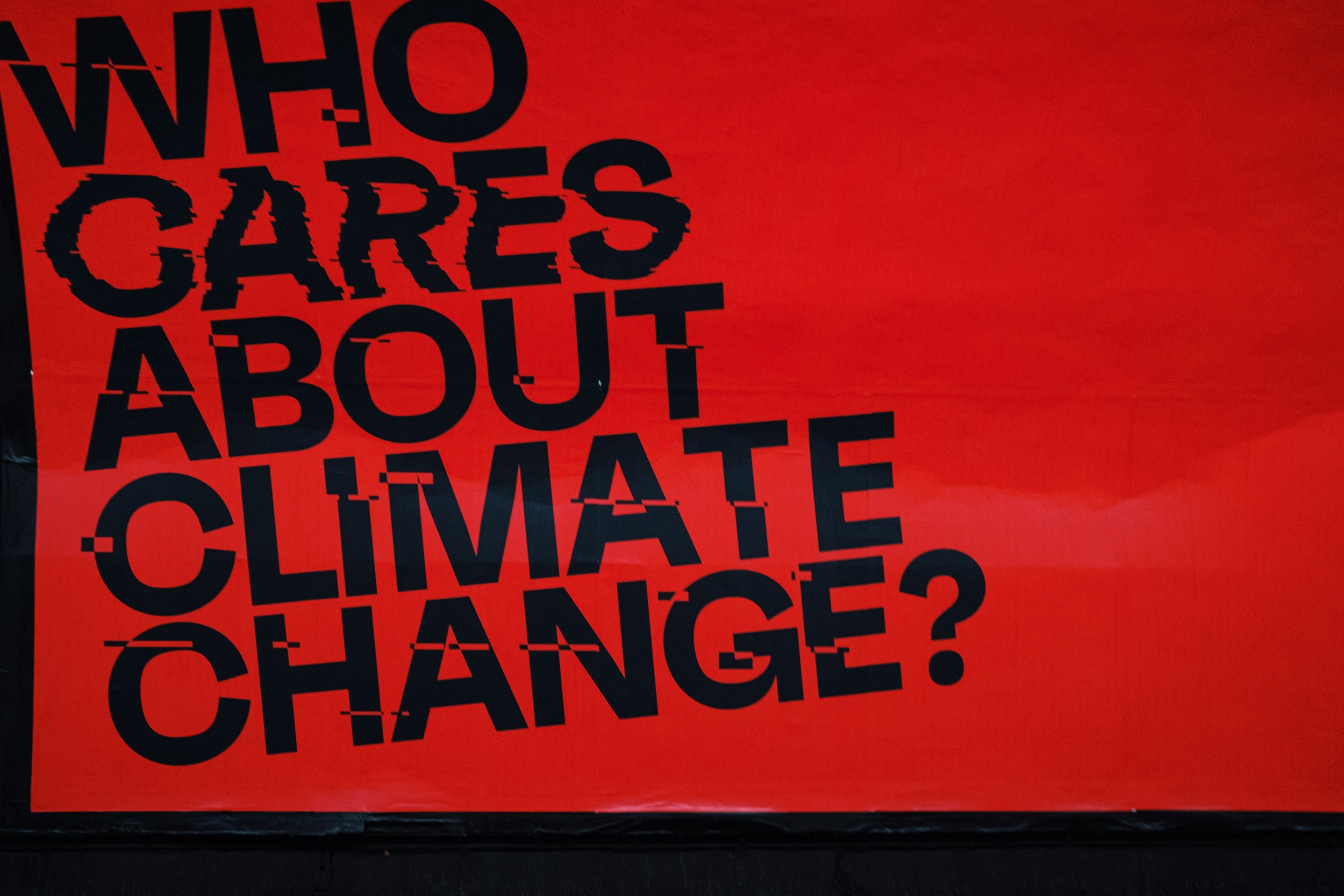
Image: Samuel Regan-Asante
Navigating the Modern Regulatory Maze
Business regulation has become a complex web of local, national, and international rules. For companies operating across borders or aspiring to do so, the challenge is even greater. What counts as best practice in one market might be a legal requirement in another. Keeping up with these varied and evolving standards demands constant vigilance and a strategic approach.
This complexity is especially true for growing businesses. Effective compliance for international scale-ups means more than just translating documents; it requires a deep understanding of different cultural and legal expectations. Ignoring these nuances can lead to operational roadblocks, market access issues, and significant financial penalties, derailing growth before it truly begins.
The Shifting Scope of Compliance
The biggest change in the regulatory environment is the formal inclusion of climate-related standards. Governments and financial institutions increasingly recognise that climate change poses a material risk to economic stability. As a result, what was once a voluntary disclosure of a company's carbon footprint is quickly becoming a legal obligation. This is a core feature of modern regulatory compliance in the 21st century.
Jurisdictions around the world are introducing rules around mandatory climate reporting, requiring businesses of a certain size to measure, disclose, and often set targets for reducing their greenhouse gas emissions. These regulations aren't limited to heavy industry. They can affect companies across all sectors, including finance, retail, and technology, by demanding transparency about their direct emissions and those within their supply chains.
Avoid Penalties, Build Trust
Integrating climate action into your compliance framework offers two main advantages: risk mitigation and reputation enhancement. The most immediate benefit is avoiding the steep fines and legal challenges that come with non-compliance. As environmental regulations become more stringent, the cost of ignoring them will only increase.
Beyond avoiding penalties, proactive climate compliance builds significant trust with key stakeholders. Investors increasingly use environmental, social, and governance (ESG) criteria to evaluate risk and allocate capital. Customers, particularly younger demographics, show a strong preference for brands that demonstrate genuine environmental responsibility. A transparent and credible climate strategy can become a powerful differentiator, strengthening your brand and opening doors to new markets and partnerships.
Proactive Steps for Small Businesses
While large corporations have entire departments dedicated to sustainability, smaller businesses can also take meaningful and manageable steps toward climate compliance. You don't need a massive budget to get started. The key is to be proactive and methodical.
Here are a few initial actions to consider:
Conduct a Baseline Assessment: Start by understanding your current environmental impact. Measure your energy consumption, waste production, and business travel to identify your primary sources of emissions.
Engage Your Supply Chain: Your company's carbon footprint includes emissions from your suppliers. Begin conversations with key partners about their own sustainability practices.
Set Realistic Goals: Based on your assessment, set achievable targets for reduction. This could be as simple as switching to a renewable energy provider, reducing office waste by a certain percentage, or optimising delivery routes.
Taking these initial steps not only prepares your business for future regulations but also often reveals opportunities for cost savings and operational efficiencies.
Ultimately, viewing climate action through the lens of regulatory compliance reframes it from an optional expense to a strategic imperative. It's about future-proofing your business in a world where economic success and environmental responsibility are becoming inseparable.