Attempting to resolve downtime in the first place is challenging enough, and trying to make up for lost time is even more frustrating. So, the best course of action is to switch from a reactive to a proactive approach. Taking steps to prevent downtime from occurring in the first place is far more effective and lots less stressful than trying to fix it once it has already occurred. With this in mind, here are 3 of the ways you can reduce manufacturing downtime and keep your production line moving.
By Team Savant
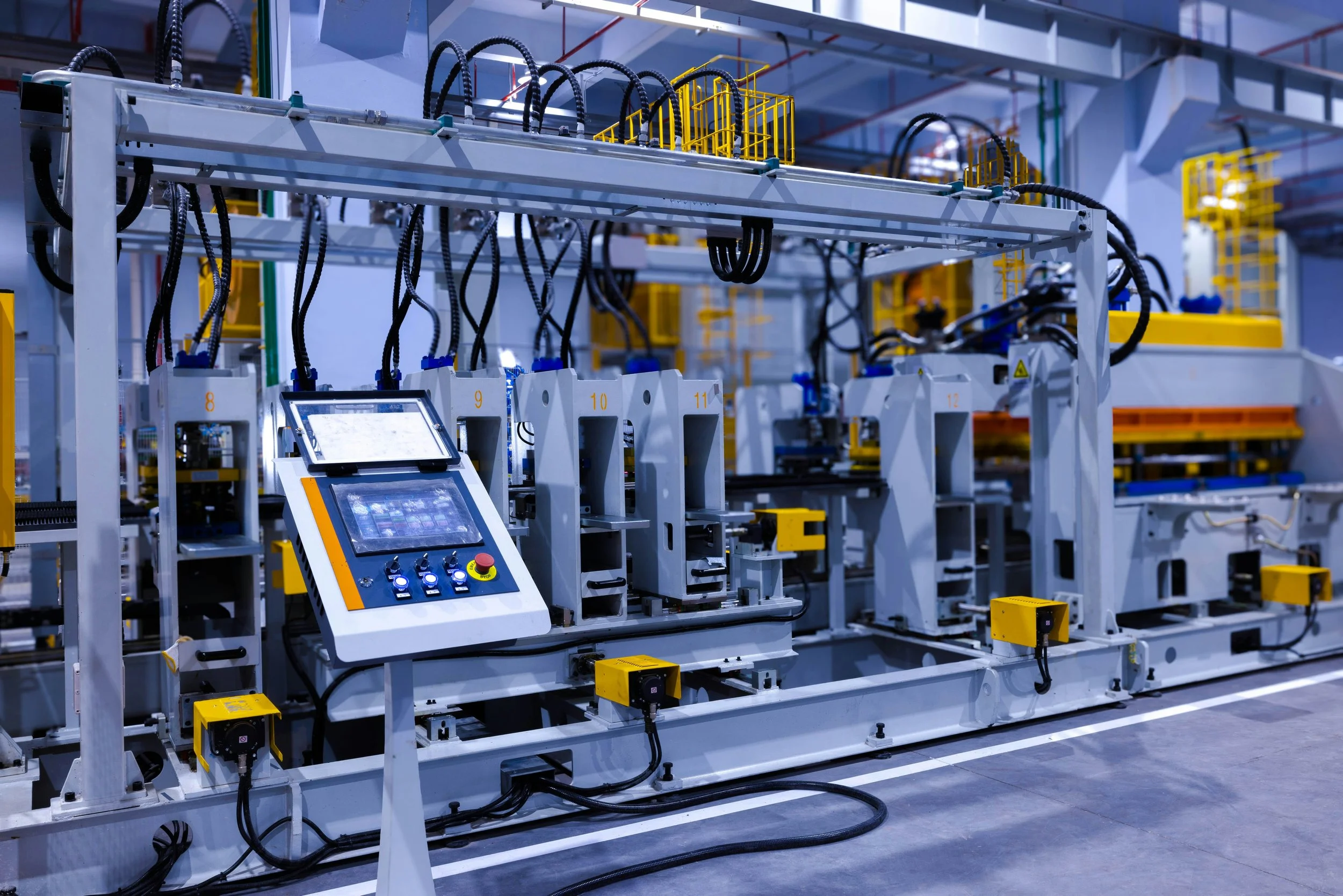
Image: Homa Appliances
One thing every manufacturing business dreads is downtime. The impact of unplanned downtime is huge for any company, but for manufacturing businesses the fallout can be especially significant. When your production line comes to a grinding halt, it can cause far-reaching consequences. Missed client deadlines, wasted staffing hours, and a backlog of orders are just a few of the issues your company may face when downtime occurs. Trying to recover from a period of downtime can be an ongoing challenge and may take far longer than expected.
Keep Your Machinery in the Best State of Repair
Your machinery is put under considerable stress each day. All too often, machinery is expected to just continue working, but if it’s not cared for, this won’t happen. Keeping your machinery well-maintained with regular servicing is a must. This is an important task that shouldn’t be ignored. But even with the highest level of maintenance, issues can occur at times.
When your machinery needs a repair, it’s important not to ignore it. Failing to get a machine that’s showing signs of damage or disrepair fixed can cause downtime, and even worse, it could injure your employees. Knowing who to call when your machinery needs repairs is essential to avoid extensive downtime. Looking for a mobile welding company that can come to your factory and make repairs quickly is an excellent way to keep your machinery in good order and could help protect the safety of your team.
Train Your Employees
Hiring the right employees to work for your company is essential if you want a productive workforce. However, it’s also crucial to ensure that your team is thoroughly trained. Providing a comprehensive training programme for your team is a must if they are to work productively, safely, and help your business avoid downtime.
With the right training, you can help to ensure that human error isn’t a cause for system downtime, and that your employees are aware of the role they have to play in keeping your manufacturing business productive and efficient.
Outsource Specialist Production
Some components are difficult to produce in-house without tying up machines you need for your main output and chasing that capacity can be a hidden cause of downtime. Bringing in a partner to handle those parts frees your own lines to keep running on the work they’re set up for. Outsourcing to a firm that offers plastic injection moulding services lets you access clamping forces from 25 to 650 tonnes without buying the machinery yourself. That same provider can often cover the tooling and assembly stages too, so a single supplier handles the part from mould to finished component. Agreeing clear lead times with them, much as you would with any other supplier, keeps those outsourced parts from becoming the thing that stalls your production schedule.
Monitor Supplies
Running out of the materials and components needed to produce goods is a significant problem when you run a manufacturing business. It’s a situation that can lead to extensive downtime, but the likelihood of this happening can be reduced by properly monitoring your supplies and ensuring that you regularly check inventory and understand your supplier’s lead times for each order.
Each of these proactive steps can keep downtime to a minimum.