When it comes to preparing a property for demolition, you might not feel like you need to do much. However, preparing for demolition is something that requires meticulous planning to ensure complete safety, legal, and compliance regulations are met. The key to any planned property demolition is to start early and ensure you’ve done everything possible to prep the property beforehand. Otherwise, it can become more of a headache than intended. We have listed 5 most practical tips to assist you along the way.
By Team Savant
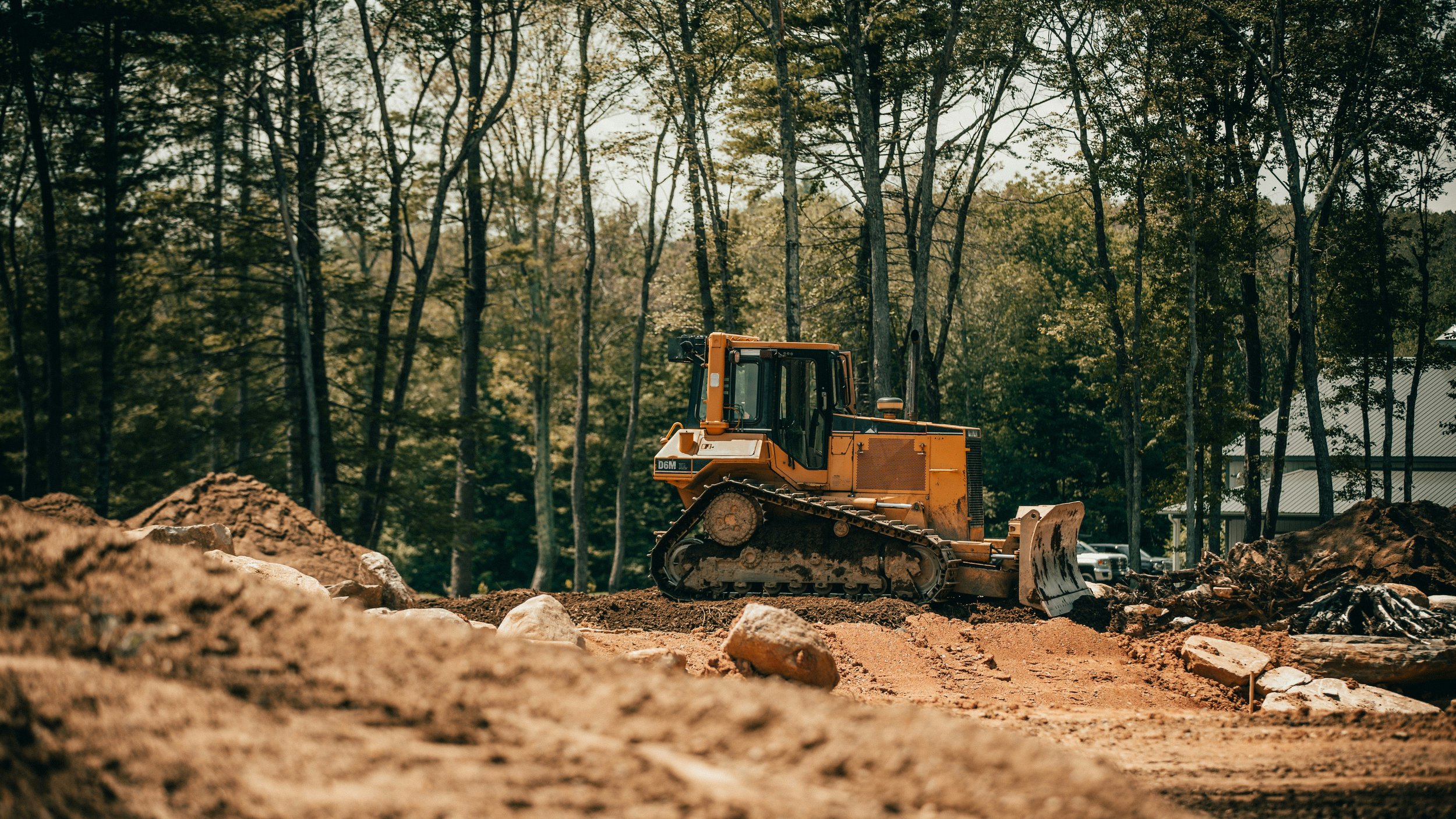
Image: Billy Freeman
Initial Planning and Legal Requirements
Before any of the physical work begins, it’s important to conduct legal and administrative tasks first. This includes the following:
Obtain necessary permits
You’ll want to obtain any of the necessary permits, depending on where you live, to be able to demolish the property that’s currently standing. This is a legal requirement in most places, so it’s not something that simply can be skipped.
Hire experienced contractors
Don’t scrimp on hiring experienced contractors, especially when it comes to demolition services. Hire professionals who are insured demolition contractors so that you can ensure the job is both safe and compliant.
Professional surveys
Commission a pre-demolition survey to identify any structural risks, including shared walls and any hazardous materials that might need to be addressed before knocking it down.
Asbestos survey
If the building was built prior to 2000, then you’ll want to check for asbestos. Asbestos, if disturbed and damaged, can lead to significant health problems if you or others are exposed to it.
Utility Disconnection
This step is one that often takes a bit longer than expected and, therefore, should be initiated months in advance to keep ahead of your timeline. Formally notify your utility companies to help disconnect and cap gas, water, electricity, and telecommunications.
You also need to verify disconnections and make sure you install temporary, safe utility supplies at the site boundary for demolition crews to use.
Site Preparation and Safety Measures
When securing the site, you want to take the right safety measures and precautionary steps to help prevent accidents whilst also protecting the surrounding property.
At the very least, you should notify the neighbors formally about the demolition of the property, especially if they’re adjoining. Secure the site with safety fencing around the entirety of the perimeter to prevent any unauthorised access.
It is also worth planning how the waste generated during the demolition will be contained and removed. Bricks, timber, plasterboard, concrete, and other construction materials can quickly accumulate once work begins, so having suitable waste disposal arrangements in place can keep the site safer and easier to manage. For larger projects, builders skip bin hire can provide a practical way to collect demolition waste as it is generated, rather than allowing debris to build up around the property.
You’ll want to clear the area of all debris, trees, or any items that could impede the machinery used or cause hazards. The same goes for hazardous materials like asbestos, mentioned, and lead paint.
Soft Stripping the Property
A soft strip is necessary as it removes all non-structural components, which makes the main demolition much faster and cleaner.
Be sure to remove any fixtures, taking out kitchens, radiators, plumbing, etc. Remove your doors and windows, as well as any internal/external timber mouldings.
Strip the roof of roof tiles and lead flashings. Identify any materials that can be salvaged and therefore reduce waste disposal costs.
Final Walkthrough and Documentation
Conducting a walkthrough helps to verify that all preparations are complete and that the site is safe. Photograph and document the site’s condition before the work starts. That way, you protect yourself against any potential future disputes.
Preparing your property for demolition is a big step, so you want to ensure you’re fully prepared.