The first sign that your renovation is spiralling out of control is generally not the noise; it’s the mountain of stuff sitting in your driveway. A broken cabinet door. Sharp edges on three tiles. Torn-up underlayment. An old sink leaned against the wall; “where else am I supposed to put this?”. By the end of the second day, the exterior of your home begins to resemble the chaos within. Here are the 6 signs your home renovation process has gotten more chaotic than you initially anticipated, and how to fix it.
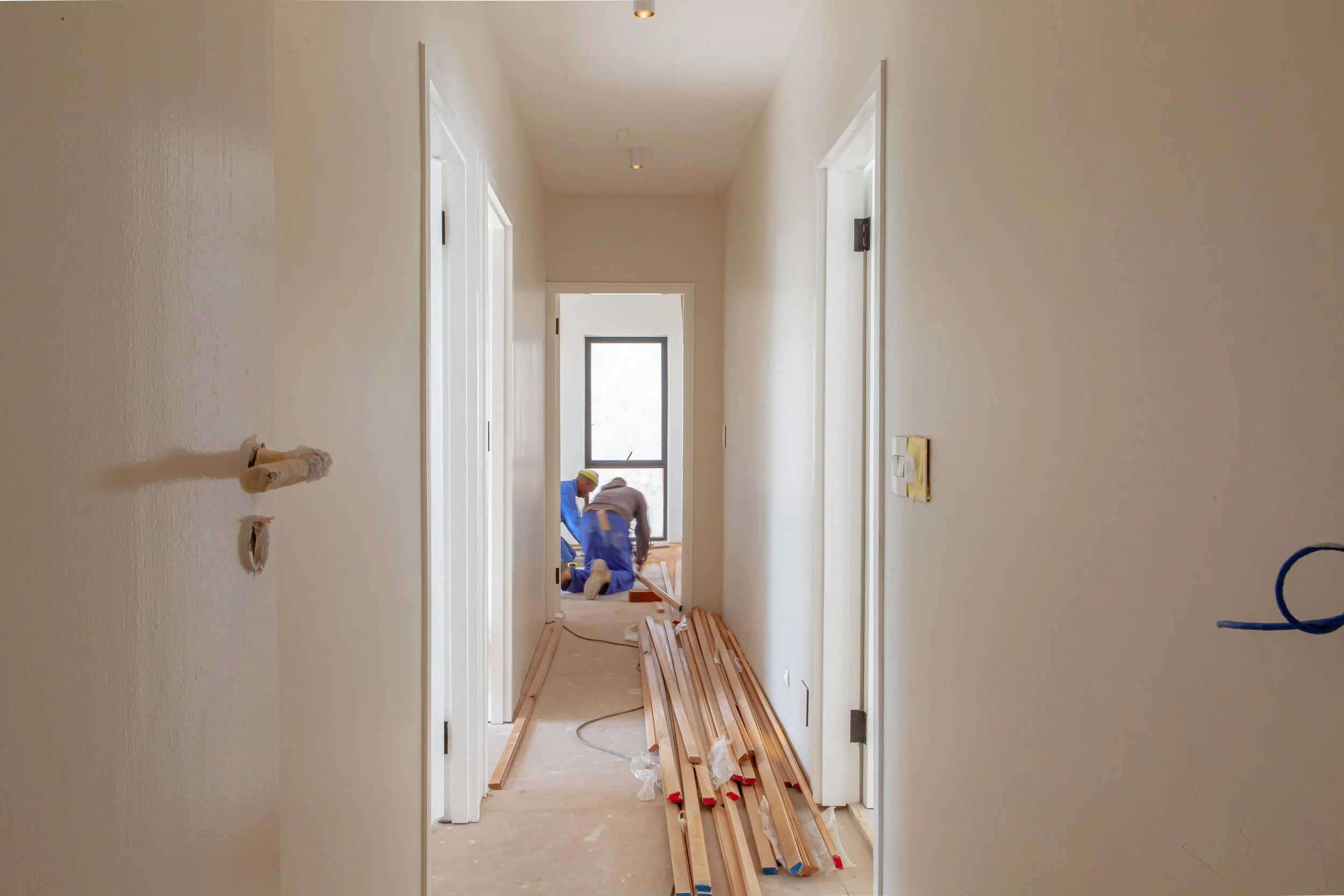
Image: Jessica Hearn
By Team Savant
Renovations are messy, after all. However, the process of taking things apart has a subtle impact on everything that follows. Costs, stress levels, waste generation, safety concerns, and ultimately the quality of the finished product are all impacted by how you tear things apart. Being intentional about how you renovate goes beyond selecting eco-friendly paints or materials. It starts earlier, when you take things apart, specifically, when you decide which things to keep, which to discard, and how you manage the transition from existing space to new space.
Destructive Over-Enthusiasm
Most of all, many renovation failures are born from optimism: Old kitchens looked dated to me, so I pulled them all down. The old bathrooms annoyed me, so I gutted my entire bathroom over one weekend. That part of it felt productive at that time. I had exposed walls. And bare floors. Now things were finally moving. Then came the problem(s). I discovered when I went to put new flooring on that the subflooring (underneath my original hardwoods) was in much better shape than I thought. But unfortunately for me, it was also damaged during removal. My old cabinets could have been great in a utility closet, but they were destroyed using a pry bar. There was a plumbing issue that needed immediate attention; as well, the area will not be ready for use sooner than I wanted.
Slowing Down the First Step of Deconstruction
When renovating mindfully, it is essential to slow down the initial disassembly of items. Before ripping anything out, it is helpful to differentiate between what truly should be eliminated versus what merely appears to be unappealing or inconvenient. Worn wooden door handles represent a completely different item than rotted frames. Cabinets that do not function optimally may still retain usable shelving, hinges or carcasses. Once something is dismantled or destroyed, the opportunity to reuse it or recycle it disappears.
In addition to slowing down the process of deconstruction, this pause allows for improved planning regarding waste management (i.e., scheduling skip hire). When there is a place for waste to go from the beginning, it eliminates the tendency to ruin reusable items due to hasty disassembly.
Considering Waste as an Afterthought
It seems as though many individuals spend ample amounts of time researching finishes, yet invest little time contemplating what will depart their property. In many instances, however, it is the departing material that exerts greater influence upon the overall experience of a renovation than its replacement material, particularly throughout the preliminary phases.
Disposal plans that have been given scant consideration typically result in debris migrating. Garbage lines, halls and pathways leading to gardens. Wet timber littered along the ground from the rain. Dust from plaster is settling onto unprotected items. Smaller off-cuts become commingled with recyclables, rendering sorting impossible. As such, portions of your house begin to resemble a warehouse.
These factors contribute to more than mere inconvenience. The manner in which waste is handled contributes to safety hazards, slows trade professionals, and increases the amount of waste sent directly to landfills since either contamination or damage renders recyclability impractical. Piles of old metal hardware, clean lumber, corrugated cardboard packaging and crushed masonry require distinct methods of handling if the goal is to achieve minimal waste.
Neglecting the Value of Salvageable Materials
A second source of waste comes from failing to assess existing buildings thoroughly. There are many potentially usable items still present within an older building, which have been salvaged for reuse (regardless of whether the layout currently used will be retained) or sold/donated.
In addition to being reusable, there are numerous other opportunities to sell/donate/reuse/repurpose, such as:
Brass Hardware
Functional Sanitary Ware
Mirrors
Radiators
Stone Slabs
Doors
The potential value in the salvageable materials listed above is realised when a person recognises and preserves those components before they are disposed of through the use of a skip.
Appearance-based bias contributes to the tendency to discard the value of the salvageable materials. For example, when a space looks outdated/unattractive, most individuals focus solely on its aesthetic appeal. As a result, it is viewed as disposable. The paint colour chip renders what would be a functional unit unusable; the old tile pattern distracts from the fact that the tile is merely covering up the solid and stable surface beneath. Individuals view the item(s) in question only from an aesthetic standpoint, ignoring the individual parts that make up the item(s).
Wherever possible, preserving salvageable materials results in financial benefits and environmental benefits. In practical but ordinary terms, using interior doors for pantry storage and utilising bricks from an original building to create garden edges, while selling your cast-iron radiators, can help to offset some of the costs associated with a traditional renovation. Additionally, by preserving salvageable materials, you reduce the belief that all renovations require constant purchasing.
Omitting the Human Component of Projects
Renovations can be viewed as design exercises; however, they occur as disruptions to occupants' lives. Occupants continue to prepare breakfast/coffee; get their children dressed and ready for school; locate clean towels; and conduct business correspondence while a portion of their home remains covered in dust bags. Therefore, careless removal practices create exhaustion.
Debris blocking a hallway transforms an entire home environment into an unpleasant state. Uncovered demolition dust creates clouds of dust everywhere. Missing doors transform one noisy room into an issue affecting every other room in the home.
Regardless of the necessity surrounding removal activities, creating unnecessary irritation through numerous cumulative minor inconveniences.
Practising Mindfulness During Removal Means Respecting Occupant Use of Home Space
Having a single confined area for a removal zone greatly enhances occupant usability vs allowing a removal project to occupy every available surface in their home.
Removing cabinets by sections, sealing off removal areas, protecting travel paths through home spaces, and regularly moving construction materials out of home spaces all serve to minimise chronic irritation associated with ongoing removal activity.
Additionally, proper planning for the removal phase pays dividends when it comes to minimising ongoing stress associated with an extended removal period.
What creates differences in how a completed renovation feels? Most renovations appear no more expensive than others; however, renovated spaces tend to convey a sense of thoughtfulness. The majority of the time, this sense of thoughtfulness begins before installing new surfaces, with how thoroughly old surfaces were removed.