When you're operating a commercial kitchen, the last thing you want is for things to fall apart once peak service is underway. And generally it's not the failure of the meals or even the front of house staff that cause the issues, but small breakdowns behind the scenes in the small delays that end up stacking. It's the plates waiting to be cleared and cleaned, the staff doubling back on themselves, and clean stock running, now meaning you can’t serve any more patrons. Efficiency here isn't effort; it's in a setup that can keep up with the pace without slowing things down. Here are 3 things you need to focus on.
By Team Savant
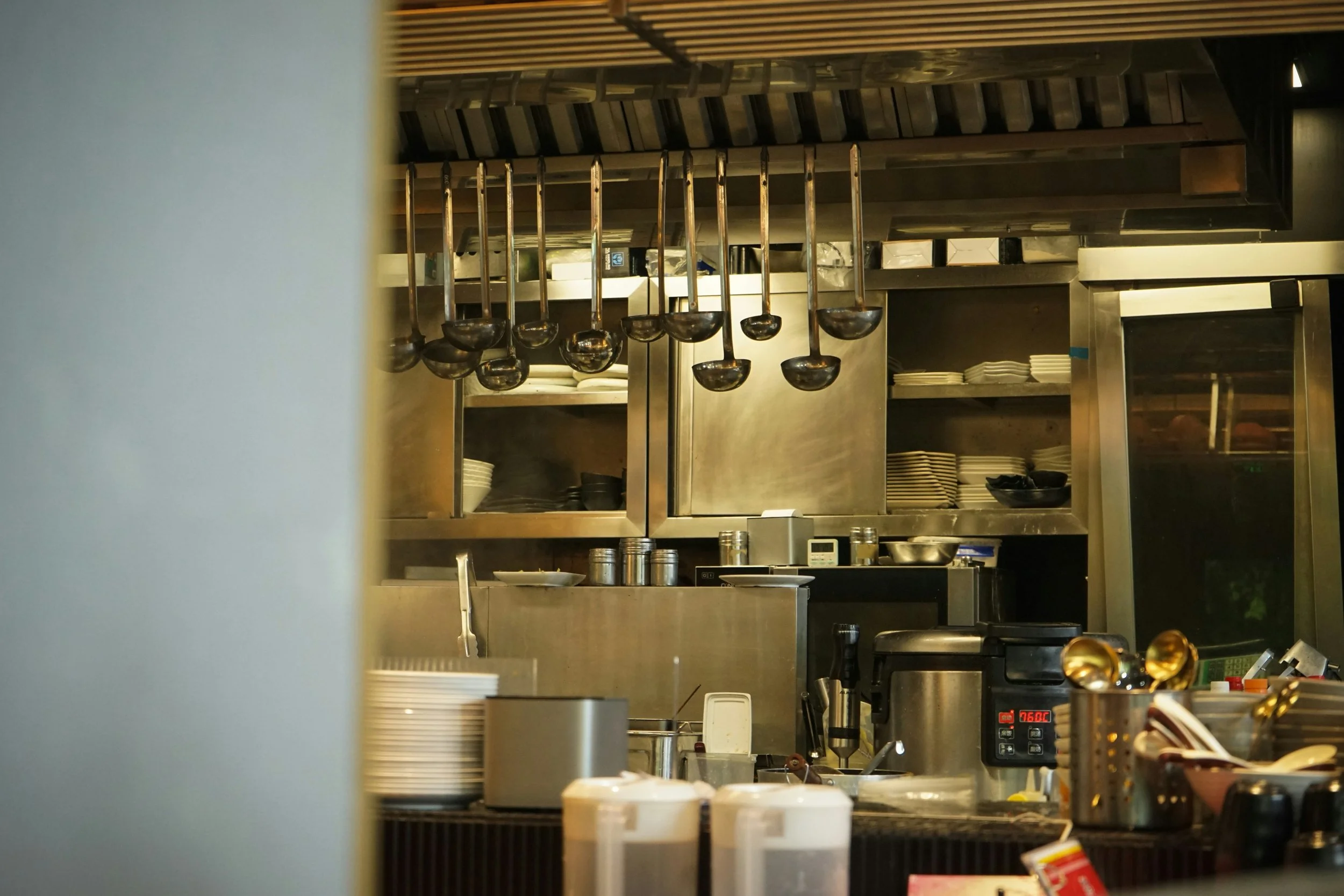
Image: Jaz. Mine
Remove Bottlenecks at the Wash-up Station
This is where the pressure will show first. It'll be an accumulation of dishes, plates that don't arrive stacked evenly or someone rinsing while another person is trying to load around them. It just becomes a mess, and it delays the entire operation.
And usually it's the commercial kitchen layout that's the cause here. If dirty intake, rinsing, loading, and unloading all blur into one, then it's going to be chaos when the pace picks up during busy services. People stop hesitating, and this has a knock-on effect.
The fix here is more physical; you need one direction, one flow, so that the incoming dirty dishes are rinsed, then loaded and unloaded in sequence with no overlapping on workstations, so people can get things done without waiting on others.
Standardise How Items Are Loaded and Washed
Here's your focus on the actual loading of items to be cleaned. You need a standard way to load and unload for maximum efficiency; you don't just want things placed correctly when it's quiet, you need it done consistently during every stage of service.
Because if racks are getting overfilled to save time or plates stacked too tightly or glasses trap water during cleaning, then the cycle runs,s but not everything will come out of the maachine meaning you need to run another cycle, and you're losing time and money.
Have all members of staff trained in how to load properly. The same spacing, the same positioning and the same expectations in every way. No overloading, now squeezing another item in. This is what delivers consistency, which is vital during busy periods in a commercial kitchen.
Use Equipment That Matches Service Volume
If your wash capacity can't keep up, then the rest of the kitchen will feel it immediately. You will end up with racks waiting for staff holding items because they have nowhere to send them, em and your lean stock will run low fast.
This isn't always an obvious solution at first; it can often look like a staffing or timing problem. But it's likely a mismatch between capacity and the volume of dishes requiring cleaning.
Beyond operational efficiency, safety equipment also demands careful consideration. For instance, ensuring the proper installation and maintenance of an Ansul fire extinguishing system is paramount to protecting staff and property from kitchen fires. Regular inspections and servicing of these systems are essential, as a malfunctioning suppression system can have catastrophic consequences, halting operations far more severely than any workflow bottleneck.
This is where things like the right dishwasher rack matter. It controls how much can go through the cycle at any one time, how well items are spaced and whether water reaches everything properly. The wrong setup results in slower cycles, slower turnaround times, and lower cleaning standards. It's that simple.