If you’re a first-time electric vehicle owner, then home charging is something you might not be entirely clued up about. There are typically some common mistakes that are made when it comes to EV charging points at home, and this can therefore be detrimental to the future performance of your car as well as cost-efficiency. With that being said, here are the top 5 mistakes that first-time EV owners will make when it comes to home charging.
By Team Savant
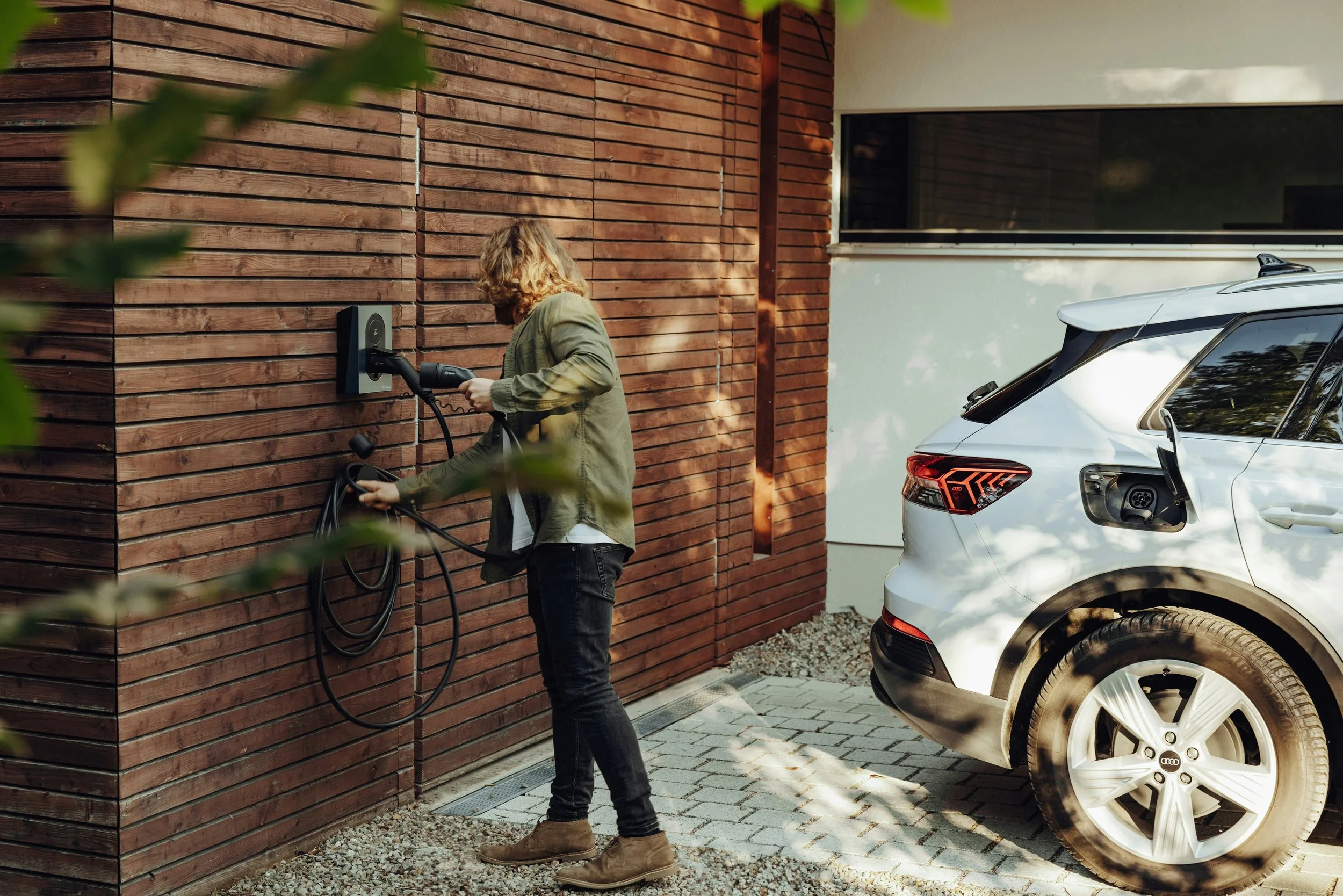
Image: Zaptec
Neglecting Electrical Capacity and Safety
Many owners will assume that their house can handle a new, high-powered charger without checking if their fuse box has enough capacity.
As such, a lot of households end up unintentionally tripping circuits and causing dangerous overloads to the home.
While using a standard household outlet is possible, it’s not recommended for daily use. It often results in the charger being too slow to charge the vehicle, and it can also cause the socket to overheat if it’s not monitored. This can create a fire risk to your home as a result.
DIY installation or unqualified installers are also often used when it comes to implementing an EV charger in the home. When these charges aren’t installed properly, they can violate regulations, void warranties, and create fire hazards as a result.
That’s why it’s always handy to use a qualified, certified installer. Not just that, but using the right company matters too, which is why one like Prowatt Electrical is one of the best for EV charger installations.
Choosing the Wrong Charger Type
If you’re opting for a certain charger to save money, it’s important you’re not picking the wrong charger type. For example, with most homes, a 7kW charger offers the best balance when it comes to speed and cost, therefore adding 20-30 miles of range per hour.
Owners will also often forget to consider future EV purchases or multiple EVs, neglecting to install a charger that supports higher power loads or smart features. It might be that you don’t install two chargers at once, especially if you have two cars already and intend to replace the second existing car with an electric model.
Poor Planning and Setup
Placing the charger too far away from the car’s charging port is certainly an inconvenience, as is putting it in an exposed location. It should be easily accessible and in a safe place away from the elements. You also don’t want it to become a trip hazard, either.
Failing to install smart chargers will mean missing out on smart features like automatic scheduling and solar integration. These smart features are helpful in significantly reducing electricity costs.
Poor Daily Charging Habits
Poor daily charging habits can often be part and parcel of first-timers to EV chargers. If you’re always charging it to 100%, then this can accelerate battery degradation. Therefore, it’s important to charge it between 20% to 80% and only reserving 100% for long trips.
Frequently letting the battery drop below 10-20% places a lot of stress on the cells. Not using the precondition feature of warming and cooling the battery while plugged in reduces its efficiency and range, especially when it comes to extreme temperatures.
How to Get It Right When It Comes To EV Charging at Home
When it comes to EV charging at home, it’s all about having a certified electrician to check your electrical capacity before buying a charger.
Choose a smart, 7kW tethered or untethered wallbox where possible. Plug in, use smart scheduling to charge overnight, and set the car to limit the charge to 80 for daily drives.
With these tips in hand, you’ll get it right with EV charging at home.