Whether you are trying to keep your business’ waste dealt with or simply trying to keep your home clean, managing waste is always going to be important to do. While everyday rubbish, like food scraps, paper, and packaging, can usually be handled through regular household bins or recycling schemes, there are many kinds of waste that are far more difficult to manage. These materials can be challenging because they are hazardous, slow to break down, expensive to process, or simply awkward to remove once they are in the wrong place. By being aware of the challenges certain materials present, it becomes easier to make better choices about how we use and dispose of them.
By Team Savant
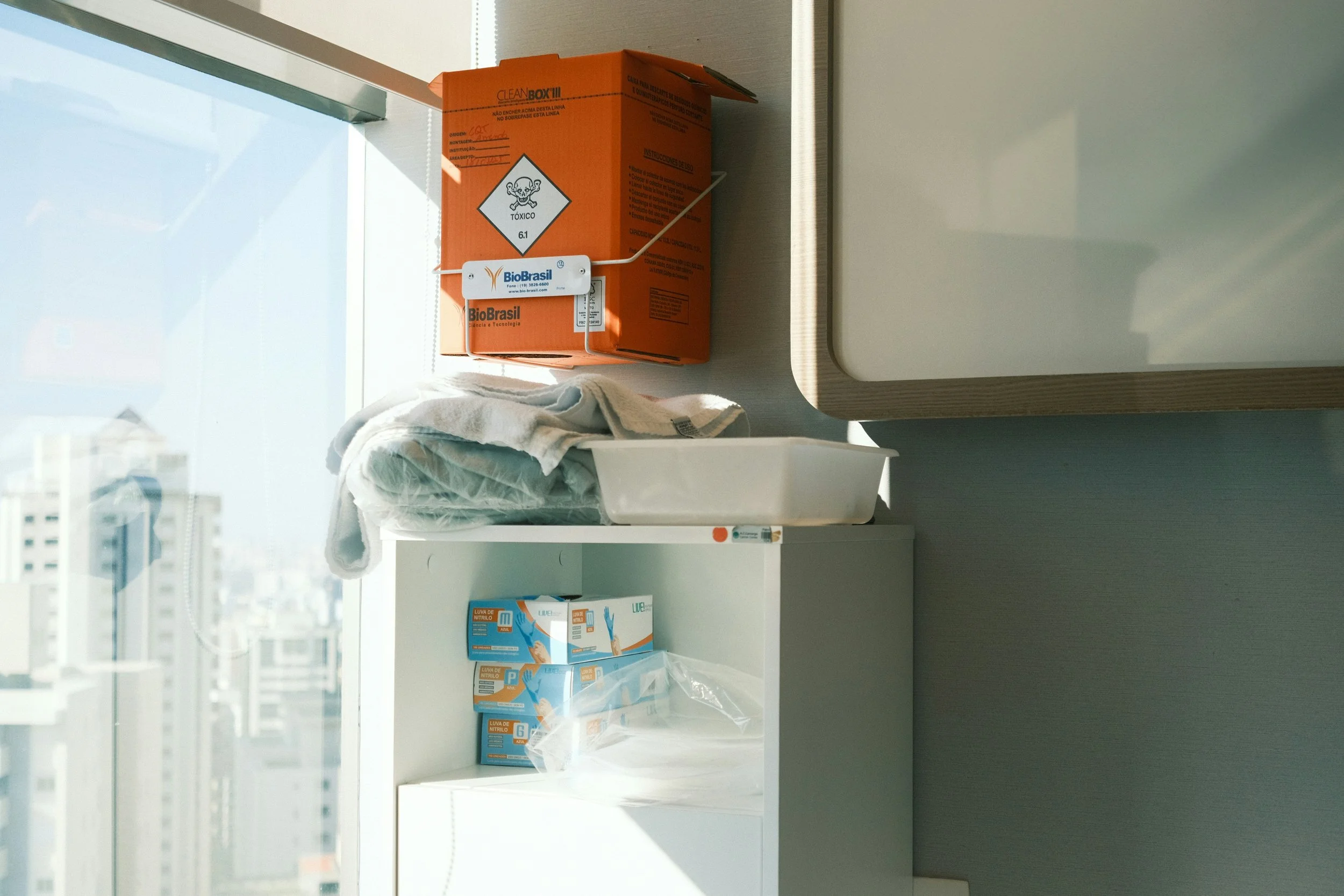
Image: Camila Mofsovich
Hazardous Household Waste
One of the most problematic forms of waste is hazardous household material. Items such as batteries, cleaning chemicals, paint, and certain electronics contain substances that can damage the environment if they are thrown away with regular rubbish. Batteries, for example, contain heavy metals that can leak into soil and water systems when they end up in landfill. Paint and solvents may release toxic fumes or contaminate groundwater. Because of these risks, many local councils operate special collection points or recycling centres specifically designed to handle hazardous waste safely.
Bulky Waste
Large household items can also be surprisingly difficult to deal with. Furniture, mattresses, and old appliances don’t fit easily into standard bins and often require special collection services. Mattresses in particular are notoriously difficult to recycle because they combine materials like metal springs, foam, and fabric. Breaking these items down into recyclable components can be labour-intensive and costly. As a result, many people struggle to find convenient ways to dispose of them responsibly. Appliances such as washing machines and refrigerators present their own challenges. These items contain metals and sometimes refrigerants that must be handled carefully. Professional recycling facilities are usually required to dismantle them safely.
Chewing Gum
One of the most unexpectedly difficult kinds of waste is chewing gum. This is partly because of what gum is made of. Although it seems small and harmless, gum is actually made from synthetic rubber-like materials that do not biodegrade easily. When people dispose of gum improperly by sticking it to pavements, benches, or public surfaces, it becomes a stubborn problem for local councils. Removing it usually requires specialised cleaning equipment such as steam cleaners or chemical treatments. The scale of the issue can be surprising. In busy urban areas, thousands of pieces of discarded gum can accumulate on pavements over time. Because each piece sticks firmly to the surface, cleaning crews must remove them individually, making the process slow and expensive.
Medical Waste
Another category that requires careful handling is medical waste. Items such as needles, bandages, medications, and certain sanitary products cannot be disposed of through regular waste systems. Needles and other sharp objects pose obvious safety risks if they end up in general rubbish. For this reason, specialised sharps containers and disposal services are used in healthcare settings.