An untidy garden can demand more attention than you realise. Tangled branches, knee-high grass and abandoned pots create a stream of small visual distractions every time you look outside. When the yard is also your view from a home office or kitchen table, that background disorder may make it harder to settle into work, rest properly or feel in control of your surroundings.
By Team Savant
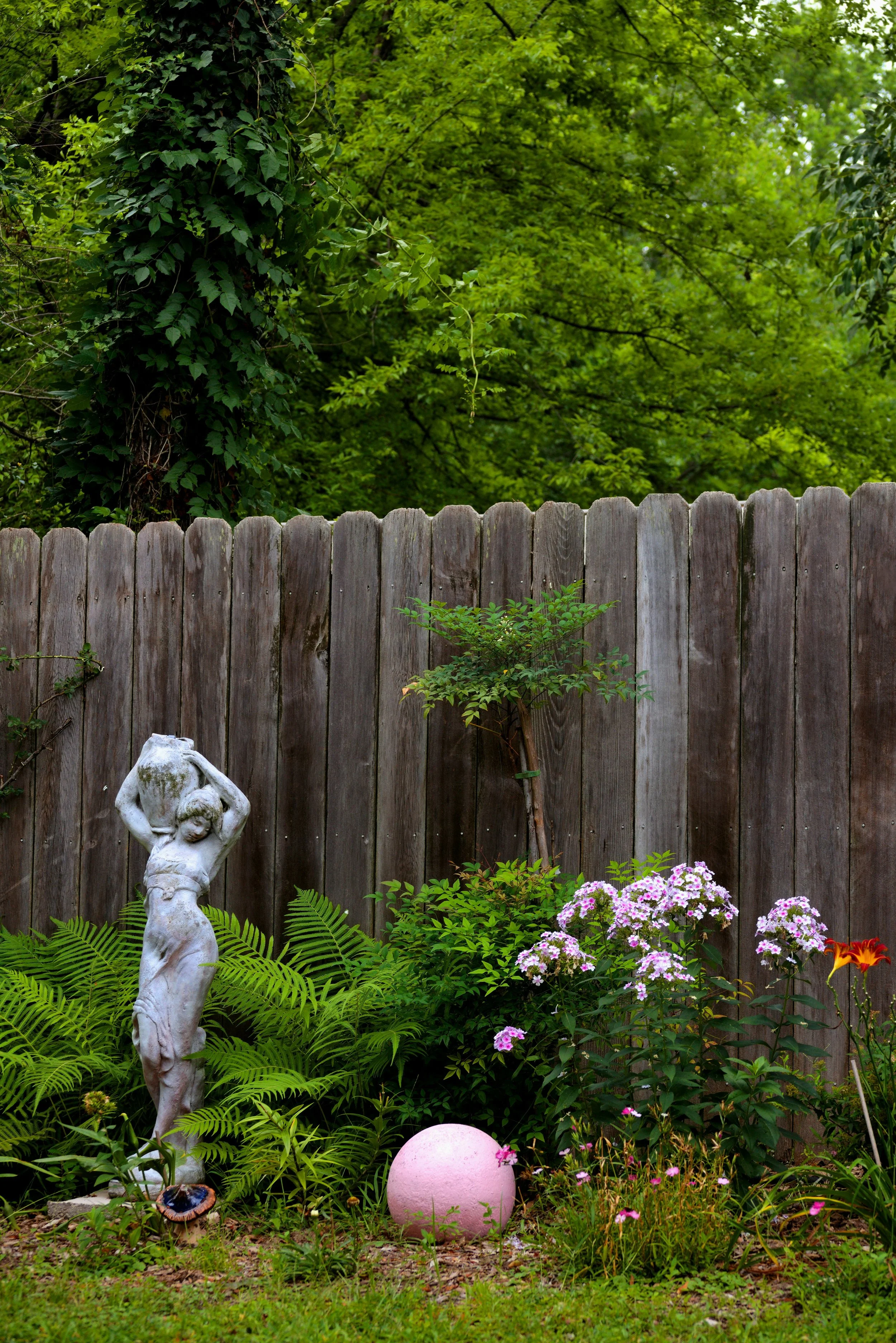
Image: Keith Johnson
Visual Clutter and Mental Fatigue
Your brain continually scans the environment for information, even when you’re concentrating on something else. An overgrown hedge at the window, scattered garden tools and piles of fallen leaves all compete for a slice of that attention. The effect can feel like low-level irritation or a nagging sense that another task remains unfinished.
Guidance on tidying your environment connects orderly surroundings with lower stress and improved mental wellbeing. Start by clearing the area you see most often. If your desk faces the garden, trim the plants within that sightline, remove obvious rubbish and group loose pots together. A single tidy view can make a room feel calmer before the whole yard has been addressed.
Spotting the Signs of Property Neglect
Long grass is easy to notice, but other signs deserve closer attention. Look for branches touching the roof, dense growth blocking windows, roots lifting paving and dead limbs caught in a canopy. Gutters that fill soon after cleaning may also point to unmanaged growth above the house.
Some jobs can be handled during a weekend tidy-up. Others need trained assessment and suitable equipment. Gold Coast property owners dealing with unstable trees, difficult removals, storm damage or unwanted stumps can consider professional tree services instead of attempting the hazardous work themselves.
Take photographs from the same positions every three months. This simple record helps you notice gradual changes, including a leaning trunk or a shrub slowly obstructing a path, which daily familiarity can hide.
Relying on Professional Tree Services
Call a qualified arborist when work involves height, heavy limbs, nearby buildings or possible damage to underground and overhead services. Ask for evidence of insurance, a written description of the proposed work and an explanation of how debris will be managed. A credible provider should also inspect the site before giving firm advice.
Professional help can restore usable space as well as improve safety. Removing a decayed stump, for example, may create room for a seating area or stop people tripping near a path. Selective pruning can bring daylight back into a dark room without stripping the garden of shade.
Schedule an inspection after major storms and whenever a tree changes suddenly. Fresh cracks, exposed roots, hanging limbs or an unexpected lean warrant prompt attention.
Designing a Calm Garden Landscape
Once urgent maintenance is complete, organise the garden around a few clear functions. Keep one open area for sitting or play, define paths with simple edges and choose planting beds that suit the time you genuinely have for upkeep. Repeating a limited range of plants and materials gives the eye fewer competing details to process.
The benefits of decluttering can extend to reduced stress and a stronger sense of control. Apply that principle outdoors by storing tools near where you use them, removing broken containers and leaving some surfaces deliberately clear.
Finish with a maintenance rhythm you can sustain: mow or sweep weekly during active growing periods, inspect trees seasonally and spend ten minutes putting tools away after each job. When the view outside feels settled, it’s far less likely to interrupt the work happening inside.