Studio August: Embodying Conscious Consonance

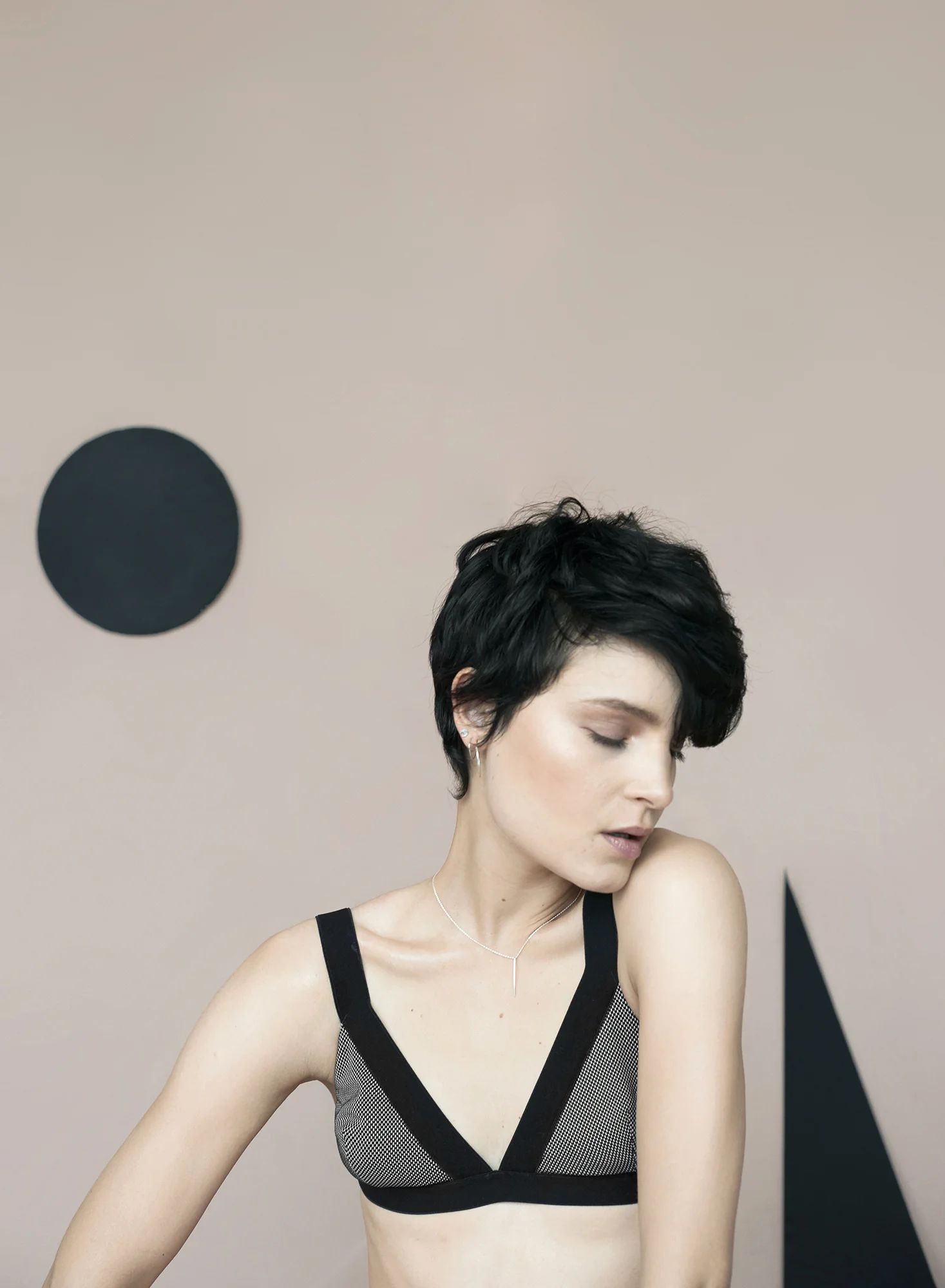
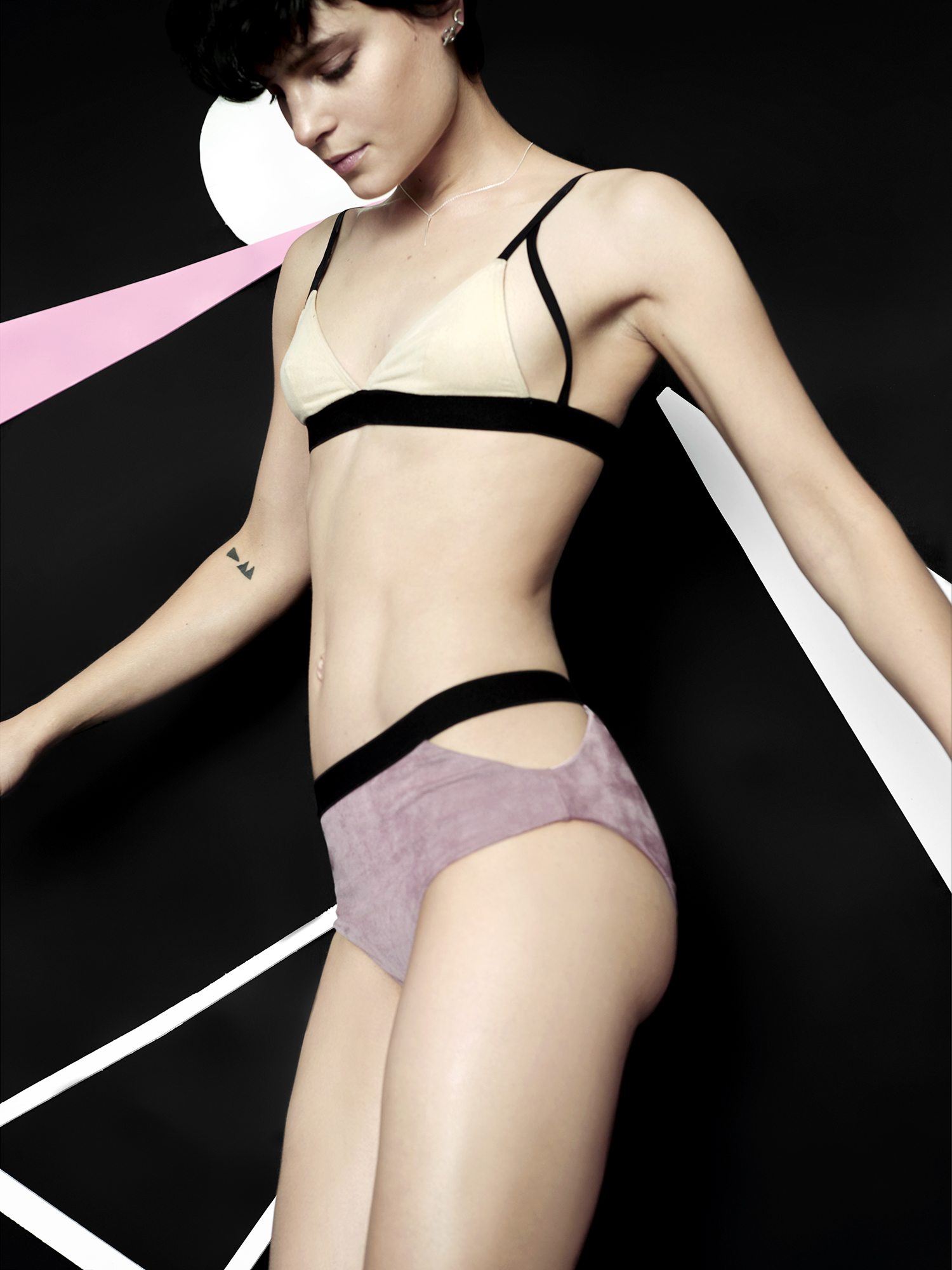
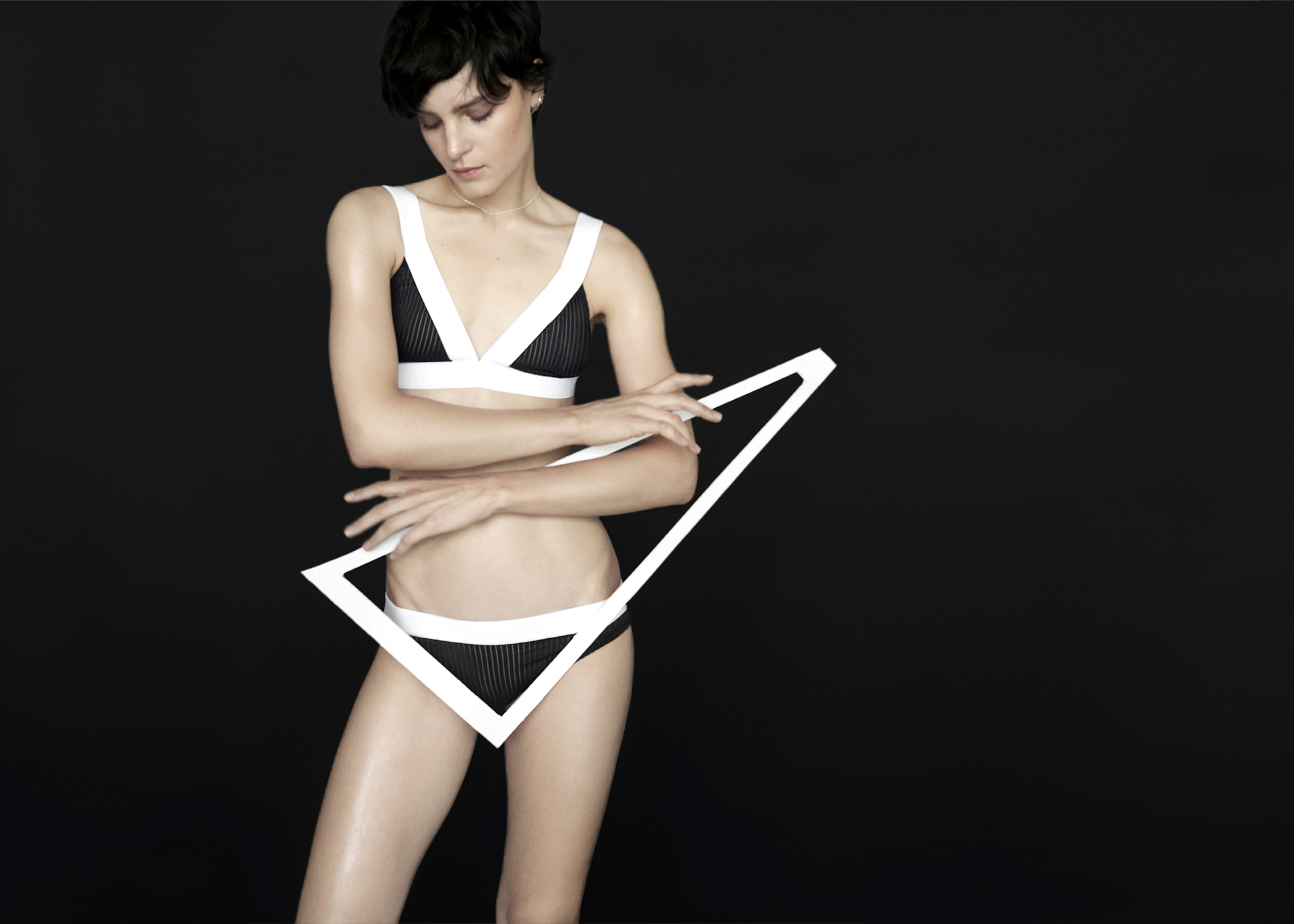
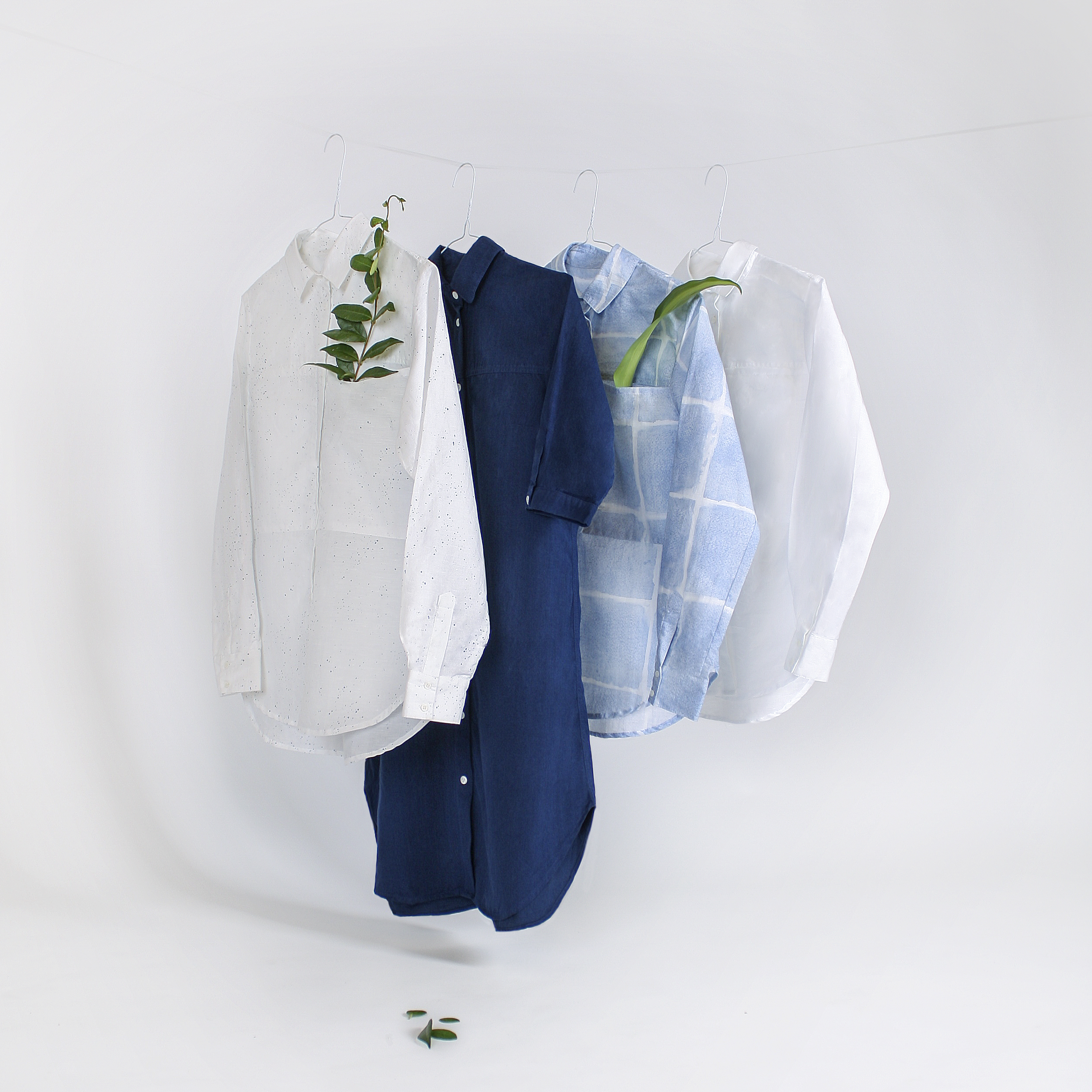
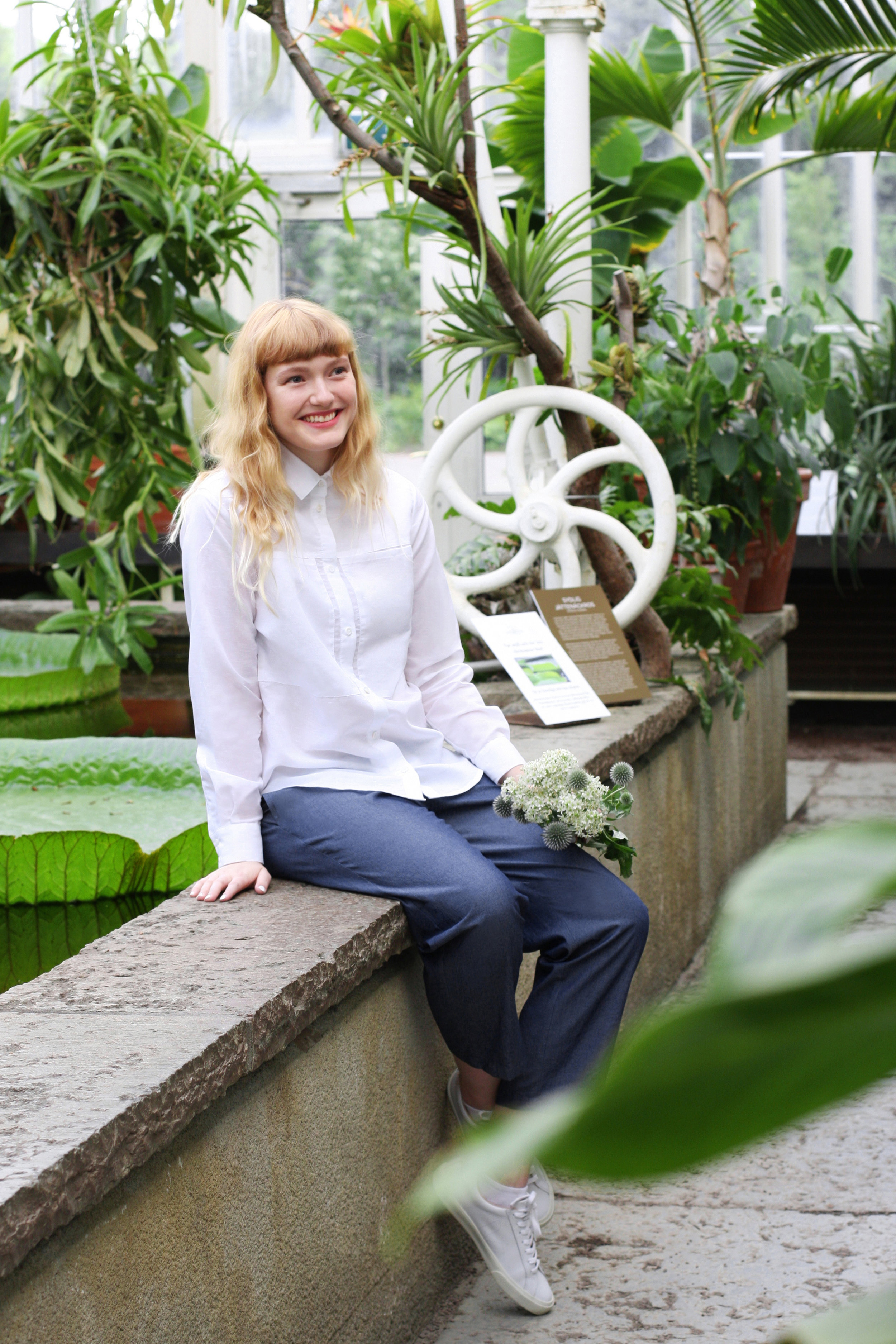
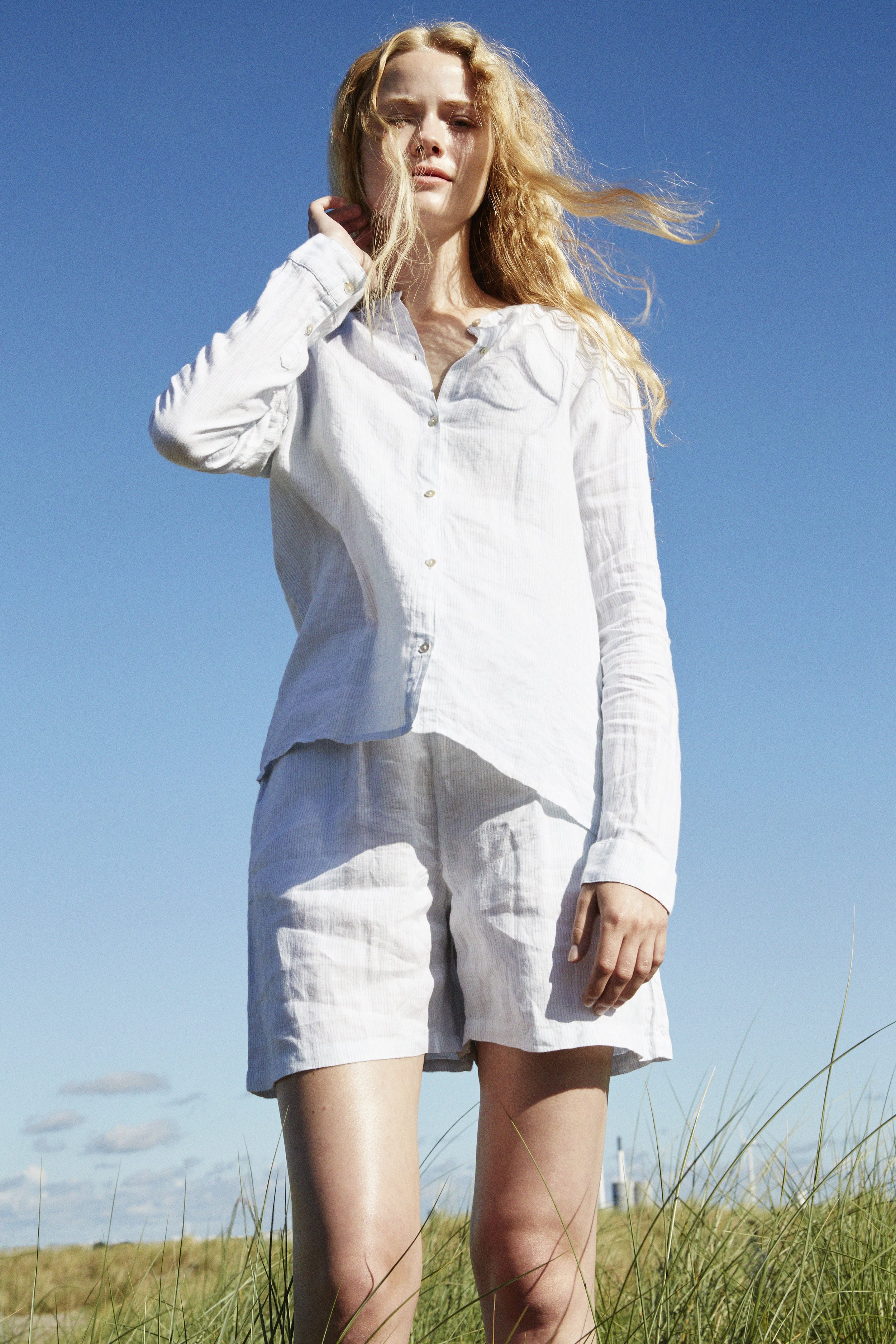
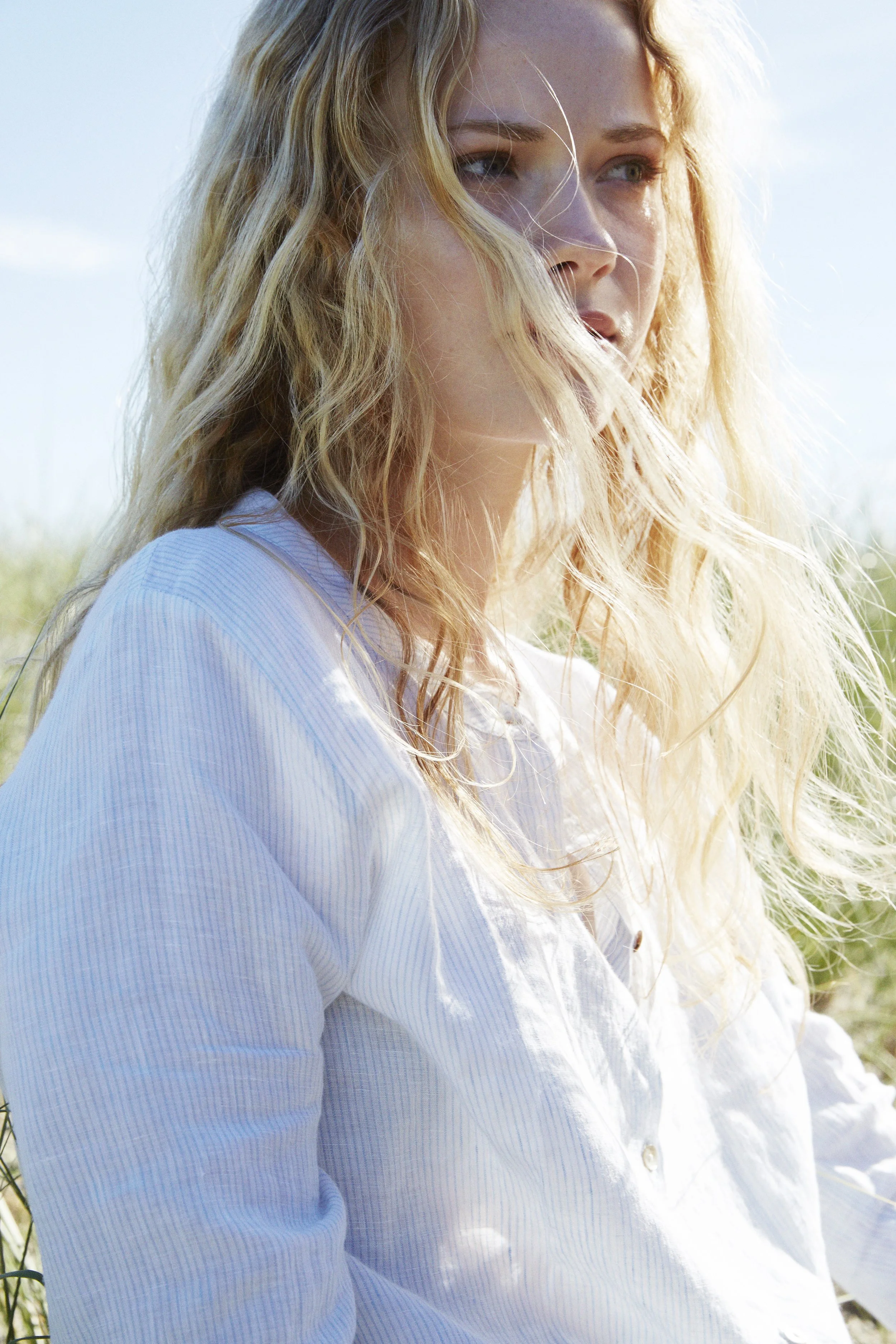
Studio August SS17.

I accidentally travelled to Paris one March weekend, only to discover that in addition to the buzz and bravura of another frivolous fashion week prevailing the city the attendance of which I (despite my rigorous attempts) failed to escape, there was an opening event of BMA (Brand Management Agency) showroom in the upbeat Le Marais district one Friday night. Further to my amusement, two dynamic Estonian brands had already been picked up by the new agency! Sustainable, yet immaculately classy Studio August, bringing together GOTS-certified fabrics and blissfully harmonious, symmetrical lines, among them. So, I sat there (with a glass of Savignon Blanc in one hand), carefully caressing and admiring these elegant Nordic designs from Studio August's new mindfully-crafted collection, communicating the very essence of 'Parisian chic'. The pieces that had travelled all the way from Nordic Estonia to our favourite fashion capital, of course. That encounter passionately fueled my genuine interest in Estonian sustainable fashion, let alone, I immediately yearned for an inspiring one-to-one with the head designer, Äli Kargoja, to keep myself on the pulse of the diligent and humble, yet rapidly evolving and incredibly sought-after Nordic sustainable fashion scene.

How did your journey of becoming a designer take shape? 

This journey was a rather natural one for me, I knew for a long time what I wanted and everything I did was shaped towards this vision – creating my own line of clothes. My first experience in the industry started as a model, doing shows, showrooms, photo shoots, fittings etc. I had the opportunity to move to Paris and I didn’t hesitate even once on wanting to study there. I enrolled in Studio Bercot fashion school, and these were the most important years of me becoming a designer. My creativity bloomed incredibly during these 3 years. To this day, I am very grateful to my teachers for all their work and support. Life then took me under the talented hand of Nicolas Andreas Taralis and from there to an internship in sales team at Maison Martin Margiela. I designed my first collection for August in 2014. 

What were the main cornerstones August was based on? What was the main outlook for you since its inception? 

The main outlook was firstly rather selfish - to express myself creatively and do what I love. As an admirer of minimal aesthetic, I definitely saw lack of that style in my home country. That’s one of the many reasons I decided to base myself here [in Estonia] in the beginning. Another reason was lack of mindfully made sustainable clothing lines in the world in general, to this day.

Studio August SS17.

Studio August SS17.

Also, sustainable fashion is clearly something quite novel in the Estonian market. How did you find your way to sustainable fashion?

I find that it’s a strong value for a clothing brand, definitely something to stand out with. It's also good to have a more meaningful mission, rather than just starting another clothing label – to give people the choice to consume consciously. 

Who is the woman August is meant for? Wrap it up in a sentence.

August’s customer is a confident woman, who expresses her being, choices and way of thinking/consuming also through the way she dresses. A woman who appreciates comfortable everyday classics with an edge and to whom sustainably made clothes and certified organic fabrics make a huge difference. 

Studio August SS17.

How did your brand find its way to be represented by BMA in Paris? What are the larger goals and opportunities being part of this project brings?

We were contacted by BMA agency about 6 months ago. It brought us a lot of useful feedback from the buyers all around the world. It will surely play its role to help August reach more customers eventually. 

What are your prospects on the international marketplace? How does this idea of 'Parisian chic' tie in with your brand and collections?

As I mentioned earlier, the most important growth for me as a designer took place in Paris during my school years, so it must have injected a fair amount of Parisian chic into my designs as well.

What would you like to bring out as a highlight of your journey as a designer? What would you still like to improve?

I'd like to think I am improving every day. The highlight was the decision to stay true to what I love doing the most, to have the courage to take the beautiful challenge of creating my own line. 

"It's also good to have a more meaningful mission, rather than just starting another clothing label – to give people the choice to consume consciously." 
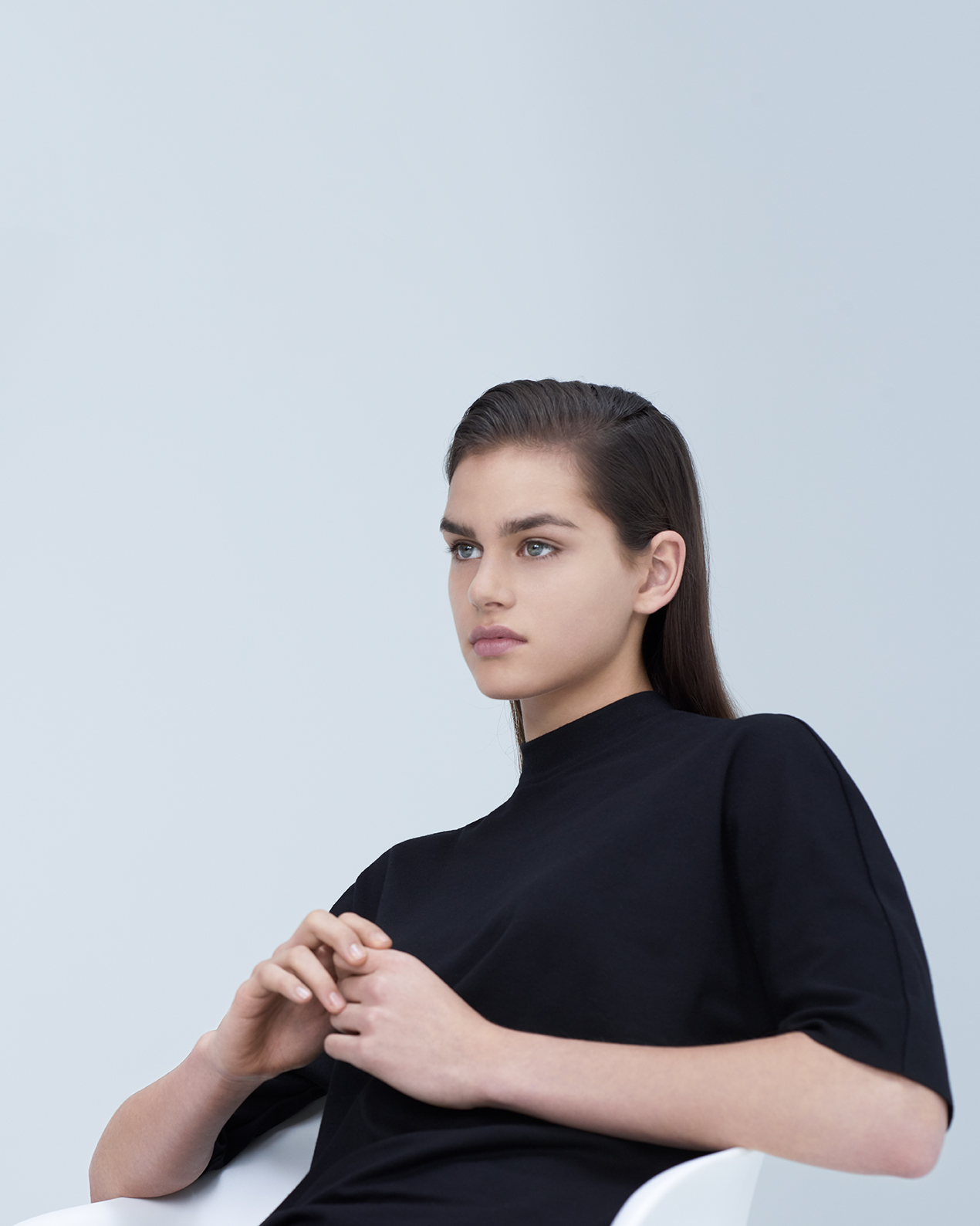
Studio August SS17.

Studio August SS17.

At BMA opening, many of us went like, 'Oh, this is like COS, but better'. What's your viewpoint on that comparison? 

COS has beautiful designs. I like their pure Scandinavian aesthetics. But I do try to stand out with my selection of fabrics and also with the sustainable idea behind the brand. 

Is there anything you'd like to see changing in the Estonian fashion system? 

I hope to see changes in the behaviour of the consumers, not only in Estonia. To choose well, there has to be willingness to pay more money for quality that lasts, and avoid fast fashion chains that provide shirts for 7€. A change in consumer behaviour will force changes up on producers and, further along, the ways our clothes are created. 

Studio August SS17.

What are your personal tips for consuming less and being a more mindful shopper-consumer? 

Listen to your conscious! Buying a T-shirt for 7€ means that someone in that production chain has suffered one way or another. In some unfortunate cases even passed away because of tragic accidents, like Rana Plaza in 2013. 

Who have been your main influencers in your journey as a designer?

I can’t point out a particular person of influence. All the people dear to me have a part in it one way or another. 

Studio August SS17.

Studio August SS17.

"A change in consumer behaviour will force changes up on producers and, further along, the ways our clothes are created." 

Share a thought with us about the future of responsible fashion.

I am convinced that responsible fashion is not a passing trend, but something permanent to stay. Consumers have a growing interest not only towards the clothing, but also towards the values and identity behind the brand. It is important that conscious clothing brands put more emphasis on creating clothes that are stylish and pleasing to the eye to change the stereotype of sustainable clothing being something only for yoga lovers.

https://studio-august.com/


Editorial: Pampa Outlaw by tHerapy Berlin

We explore our Argentinian roots, our identity, history and popular culture. With this collection we want to rethink the local fashion industry.

Photo & Styling: Mariángeles y Paula Aguirre, @poli_aguirre
Model: Eugenia Robles, @eurobless
Full wardrobe: Pampa Outlaw collection by Therapy Recycle & Exorcise, @therapy_recyclexorcise_berlin
Locations: Región Pampeana de Córdoba, Argentina
Special thanks to Jorge Valinotto for taking us to these awesome locations, @jorge_valinotto

We concentrated on traditional icons from our popular culture, such as the famous pagan figure of the Gauchito Gil, a local gaucho from the 19th century who was both a martyr and a renegade.

The gaucho figure was our main source of inspiration for the aesthetic and concept of this collection. The gaucho, our local cowboy, was a criollo, the son of the Spanish colonizer and the aborigines. He was typically a rebel, an outsider who lived by his own rules, in harmony with nature and the original inhabitants of this lands, the Pampas. The gaucho defended national values, but even so, he was considered a rebel. He did not respect the ruling political class that responded to the Spanish crown. In many cases, the gaucho was considered a bandit for living isolated from society, a society that he considered corrupt and europeanizing.

By producing this collection we did not only avoid generating waste. We also used waste as our basic raw material. 90% of he collection is composed of leather and metal discards from the local industry of leather goods and footwear in Argentina, as well as discarded materials from the production of our own former collections and some customized vintage pieces of clothing. The other 10% of the materials is composed of new supplies necessary for the completion of the garments (rivets, eyelets).

The leather and metalic waste we used can be found in some rare deposits that sell these remnants. They are purchased by private individuals for personal use. There is no national policy for the treatment or use of this type of disposal materials, which end up in most cases in the trash can. We intend to open a debate about the sustainability of the fashion industry in Argentina. We are also aware that particularly leather production is highly polluting. We also intend to focus on this issue and ask questions that lead to possible sustainable alternatives.

500 kg of chemicals are needed to process one ton of leather. The production generates large volumes of solid and liquid waste with a combination of organic and inorganic compounds. Great leather industries in Argentina have not adopted effective strategies to end the problem of contamination of water by dumping of dangerous substances, taking advantage of lax local legislation and lack of controls. ACUMAR is the agency dedicated to monitoring and controlling the environmental situation in the area.


Lingerie-Talks: Redefining Sexuality with Undress Code

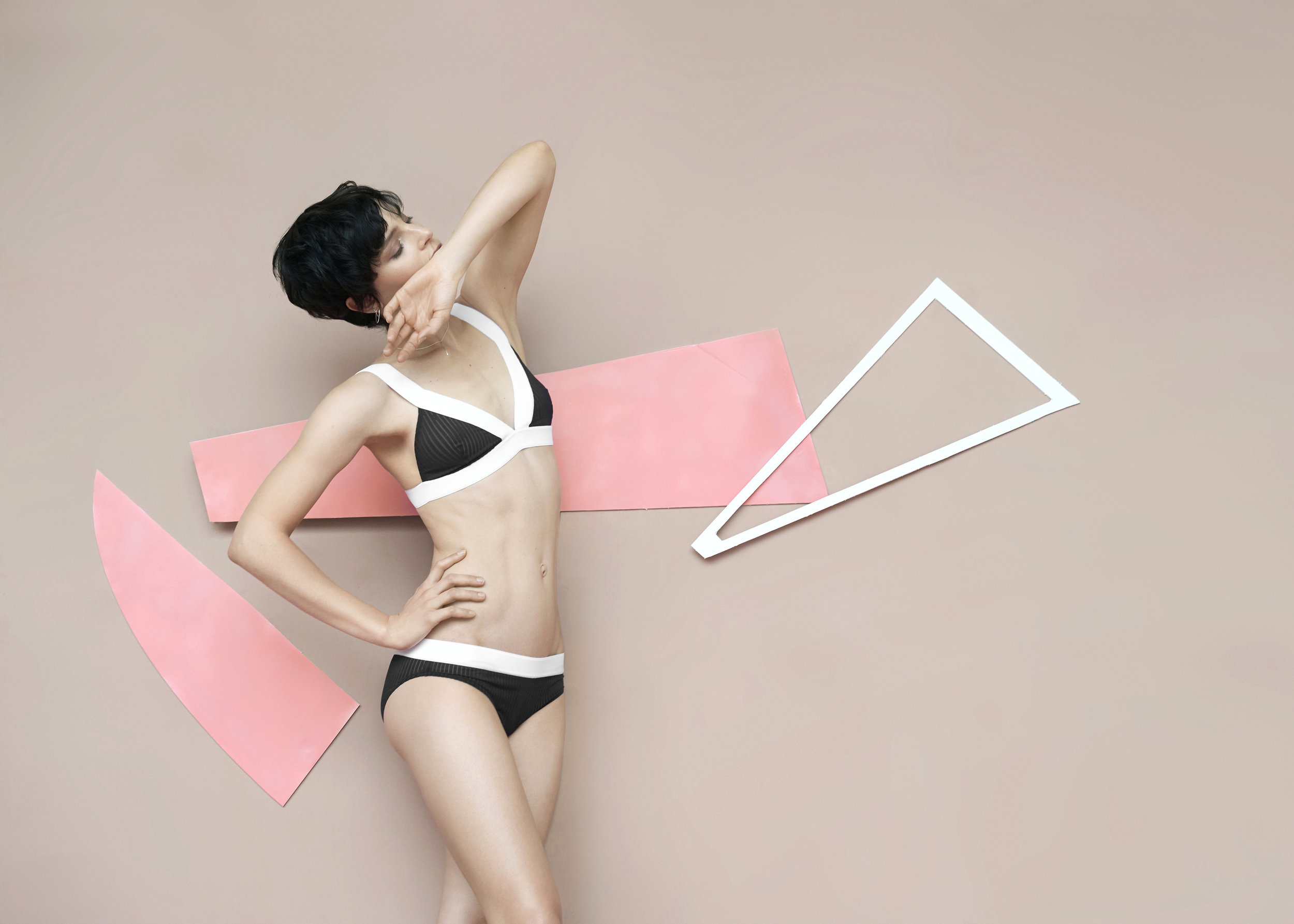
As a conscious lingerie brand from Poland, Undress Code for the mythical modern woman aims to decode the way we perceive sexuality, and bring change to comfort in lingerie design through honest, relatable story-telling. We had a cozy feminine lingerie-talk with Izabela Godlewska, one of the founders of UC. 

Undress Code, lookbook SS17. 

Undress Code, lookbook SS17. 

What is the meaning of femininity for you and how is it appreciated with the Undress Code wearer?

Undress Code is a brand for the modern woman, so we understand being feminine as being courageous, modern, strong and conscious, but at the same time taking care of ourselves inside out. We believe that being a modern woman is the most sexy and feminine thing that exists. As a brand, we support and promote initiatives and organisations promoting women, and have decided to form a community for women seeking conscious solutions. In this way, we want to achieve something more than just being a fashion brand: we want our products to be a symbol of the modern and entirely fulfilled women.

What defines the quality of a good underwear and basics we wear beneath our clothes?

There are two things defining good quality underwear: comfort and style that represents our personality. Style is very individual, but if we dig deeper into comfort, we should think about the materials used and how soft and nice are they to touch. We must remember we will wear them every day, not only for special occasions! We should also do a quality-check on the fit. I am a strong supporter of soft lingerie. Why should we use any wires in lingerie, if we can have pieces that are super soft and easy to forget about [when worn], but at the same time reliable? And the last thing that defines quality is the way our lingerie is sewed. Undress Code lingerie is sown together in a seamless way, which naturally grants great comfort. 

"We believe that sexuality should not be reflected in what we wear. It should be built inside and reflected in women's self-confidence."

Undress Code: Be Contemporary bra. You’re busy, your day starts at 6 a.m. and finishes late in the evening when the only thing you dream about is to sink into your cosy bed… We’re all the same. That’s why we’ve created lingerie for modern,…

Undress Code: Be Contemporary bra. 

You’re busy, your day starts at 6 a.m. and finishes late in the evening when the only thing you dream about is to sink into your cosy bed… We’re all the same. That’s why we’ve created lingerie for modern, industrious women, that is meant to fit perfectly to your lifestyle. In the Be Brave bra you can rule the world during an active day and then later on show bits of it underneath a transparent tee at the dinner with friends. Even if you fall asleep in it, you don’t need to be bothered with the baleen bones, metal elements or pinching adjusters.

What do you think about the importance of lingerie in a woman's wardrobe? Do you think it is undervalued, not paid enough importance to?

I absolutely think that the power of lingerie is undervalued. Many women still define lingerie as pieces they buy for men, not for themselves. This way, they undervalue their identity, style and everyday comfort, just to strengthen their sexuality. At Undress Code, we believe that sexuality should not be reflected in what we wear. It should be built inside and reflected in women's self-confidence.

"Many women still define lingerie as pieces they buy for men, not for themselves." 

How did you personally find your way to lingerie world?

As cliched as it sounds, as a little girl, I always loved flicking through beautiful fashion magazines and watching fashion shows. However, it was only 10 years ago, when I discovered how fascinating and serious the whole fashion industry is, so it began as a professional dream and path for me. I did a few internships in well-known Polish fashion brands and I gained a lot of experience. 

After those internships, my career changed its direction into consulting and finance. I started studying at Warsaw School of Economics, and then worked in the Management Consulting department at Accenture. I deliberately chose it, because I always knew that brand development is not just about the sense of fashion, but also hard work and business knowledge. However, my interest in fashion won, and after a few years, I took a chance to live in Milano, studying fashion and design management at Bocconi University. The main inspiration for a lingerie brand was my experience of working at a big company, which is associated with a fast pace of life. At that time, I was looking for underwear that would meet my expectations. I didn't find it, so I decided to create it on my own. Two years later, Undress Code was launched.

"We want our products to be a symbol of the modern and entirely fulfilled women."

Undress Code: Be Serious bodysuit. 

Undress Code: Be Serious bodysuit. 

What are the defining, core values of Undress Code?

Undress Code is a daily underwear brand for women that pay tribute to their modern lifestyle and values. We create to make women happier and more confident, we work harder to be able to support them, and these are the drivers and values of our brand. 

Should we definitely wear matching lingerie in hope for some romance? ;)

I absolutely don't believe in always wearing matching lingerie. Even at our photo shoots, we mix our sets to just have fun with it and explore new combinations. It's like clothes or shoes and bags - do we always wear matching ones? 

Shop here:

http://en.undress-code.com

Radically Responsible Ethical Elegance from Finland: ILUUT

In Finland, radical transparency is making waves in the clothing industry. With their seasonless style and Nordic grace, as a new brand in the market, iluut aspires to make ethical design more accessible to all customers. Who would deny introducing a pinch of minimal elegance into their wardrobe? iluut is comprised of a female trio, with their feminine enigma focused on building awareness of affordable slow fashion. Having just launched their web shop in early 2017, we wanted to know more about their journey towards the brave way of entering ethical fashion industry.

iluut, ss17. 

iluut, ss17. 

Describe iluut's debut collection in 3 words. 

Timeless, traceable and affordable.

What are the attitudes circulating about sustainable fashion in Finland? 

The Finns are paying more and more attention to making sustainable purchases, especially people living in major cities today show interest in buying clothes from smaller sustainable brands. However, iluut aims to expand further in Europe, and it’s great witnessing sustainable supply increase; there is something for everyone nowadays. We also think we have a great duty of educating people and building awareness of the difference between fast and sustainable fashion. We can’t wait for the day when sustainable brands really make a breakthrough and get a bigger market share. We are working hard for that.

What are the main complications you've faced when setting up iluut? 

At the very beginning, it was very surprising how difficult it was to find high quality, sustainable woven fabrics that have been made in Europe. We wanted to find fabrics that are fully traceable; meaning they come to us directly from the farm. We truly appreciate full transparency, because we believe it could decrease fashion’s biggest ethical and environmental problems, such as use of child labour, unsecured working conditions, dangerous chemicals and industrial pollution. In summer 2016, we made a European tour and visited a family-owned Italian fabric manufacturer, Albini. We are proud to say that our customers have so far been very happy with the quality of iluut clothes. Currently we are looking for new sustainable fabric options for the dresses we are developing. 

"Our aim is to be an open and collaborative brand that brings joy and value to its end customers." 

iluut, ss17. 

iluut, ss17. 

What are the benefits of a minimal capsule wardrobe? 

Minimal style looks fresh from year to year, and it’s very easy to combine. That means you don’t need so many garments, because with less pieces you can create many different kinds of looks that last throughout the years. It cannot be a conscious choice to produce something that people won’t wear anymore in a couple of seasons, and that will turn into more waste.

Who and what were the main influencers and influences iluut took note of since its inception?

Our whole team of three ambitious women loves fashion, but thinks that making beautiful things shouldn’t harm people. Last summer, we were fortunate to meet a pioneer designer in sustainable fashion, Marina Spadafora. She has been designing for high-end Italian brands, such as Prada and Miu Miu, before deciding to become a sustainable fashion advocate and a part of the Advisory Committee of the Fashion Revolution global movement; always including a strong social and environmental focus on her work. We take inspiration from people like Marina; people who have started doing things differently to really make a change. 

How does iluut differ from many other Scandinavian brands trying to conquer the ethical fashion market? 

There are only very few fashion brands that open the whole process of each garment: where the clothes were made and who actually made them. This is something iluut focuses strongly on, and we encourage others to do the same. We have also recently started designing two Spring/Summer dresses together with our Instagram and Facebook followers. We believe people will appreciate the clothes even more, if they can contribute to the process. Our aim is to be an open and collaborative brand that brings joy and value to its end customers. 

iluut, ss17. 

iluut, ss17. 

Choosing an angle to improve social or economic conditions in Third World is widely cherished by brands to make a change in the fashion industry. What's your social mission? 

At iluut, we want to work with companies that care about their workers and are willing to invest in them more than just on an average, distant level. For example, when we were looking for an atelier, we were convinced of our choice after finding an Estonian atelier with seven seamstresses, who are paid 40% more than the average workers in the industry. We started working on iluut aside of our daily jobs, and our margins are still low because our mission is to offer affordable sustainable clothes for everyone. How to make our mission happen? We need to rise the volumes and we just took the first steps towards that by opening our web shop, iluut.com. You are warmly welcome to have a look and make sustainable purchases.

"It cannot be a conscious choice to produce something that people won’t wear anymore in a couple of seasons, and that will turn into more waste."

iluut, ss17. 

iluut, ss17. 

What's the best season to be seen in your garments?

Fashion world rotates on the basis of seasons. That’s something we’re thinking differently: surely we’ll have clothes for different times of the year, but we don’t offer seasonal collections arriving two times a year. On the flip side, fast fashion brings new clothes to the market every week, which means compromising the quality and generating a huge amount of waste - both because the garments are not durable and get thrown away, and also because of the unsold stock left in stores. To improve the cycle, our goal is to bring something new to the market only once in around a month’s time, without compromising quality or workers’ conditions. Also, making clothes with a slower approach and seeing what sells and producing according to demand, allows us to avoid producing waste. 

Shop here:

iluut.com

SKALL Studio SS17: Welcome To 'Monde Imaginaire'

SKALL is a conscious, value-based Danish fashion studio founded by siblings Julie and Marie Skall. Rooted in quintessentially Nordic values, SKALL is all about communicating through aesthetically clean, enduring pieces — well-fitted garments that last across seasons. Their latest SS17 collection ‘Monde Imaginaire' brings us a floating narrative of dreaming a better world for ourselves, impeccably blended into dreamy colours of pink and silent sky blue. Oh, we love a collection for dreamers... 

SKALL SS17 Monde Imaginaire.

SKALL SS17 Monde Imaginaire.

What inspired you to create a sustainable brand?

We both have several years experience in the conventional fashion industry and we felt a need to create a modern fashion brand that we would feel good about. When we created Skall studio in 2013, there where not that many sustainable fashion brands around. To us, it comes naturally that we care about the entire process of garment-making, from seed to closet, and we wish to have a minimal negative impact on the surroundings, the environment, people and animals involved in the process. We truly care about the footprint that we leave behind us. With Skall studio, we contribute to creating a world we wish to see. We have something in our hearts and we communicate that story though Skall studio. 

When it comes to your team of two, how true is the saying 'team work makes the team work’ ? Who does what?

Very true! In many ways we are very much alike, like most siblings, but we have different strengths and different background in the fashion industry. We do all designing together and collectively take decisions about our collections and brand identity. Everything else is divided between the two of us, whereas Julie takes care of all sourcing, sampling and production, and Marie is responsible for all sales, marketing and PR. We find it very important to give each other space and freedom to do what they do best, but we still talk a lot all the time!

"We find it very important to give each other space and freedom to do what they do best."

SKALL SS17 Monde Imaginaire.

SKALL SS17 Monde Imaginaire.

Where do you produce and what are the main fabrics you work with?

We produce all of our woven garments in India. We work with a great factory that is FairTrade and GOTS-certified, which means that they work with very high standards when it comes to environment and social responsibility. We visit the factory at least twice a year and we have a great rapport with the factory owner and people working in the factory. Mostly, we work with GOTS-certified organic cotton and linen fabrics. We love the beauty of natural fabrics and remodelling them to the highest possible quality. 

Many Danish brands have chosen to focus on the sustainability route. What makes you clearly stand out?

Everything we do comes from our heart — creating clothes with value and purpose. Besides caring about the environment, we also have strong ethics regarding people and animals. We do not use any fur or leather from animals, we both live a vegetarian lifestyle, and that is also essential to the values of Skall studio. 

What should be the 5 basic items in every woman's wardrobe? 

A classic white cotton shirt, effortlessly chic and comfortable, made of organic cotton, of course. A warm and cosy wool sweater, locally made of wool from local sheep. A long shirt-dress, which can be dressed up with a belt and heels or casually and loosely worn with everyday sneakers. A good pair of jeans or casual cotton pants, preferably with a slightly loose fit and cropped legs. A feminine and voluminous skirt with high elastic waist and side pockets. 

What are your personal tips when it comes to styling a look, without necessarily buying new items bottom to the top?

We like classic items, which can easily be styled with a personal touch. We love scarfs, small cotton scarfs in nice colours and patterns, we wear them around our necks, around a ponytail or tied around our wrists. Layering is also a great way of creating new looks — we use a knitted sweater on top of a shirt or around the waist when wearing a dress. A shirt-dress over pants can also do the trick. We always wear our shirts with the sleeves slightly folded at the arm. 

 "It is about creating the world you wish to see and wish to live in. It might be a dream world, but that’s what we all are, dreamers."

SKALL SS17 Monde Imaginaire.

SKALL SS17 Monde Imaginaire.

Your collections have fun names, where do you draw inspiration from? What inspired you when designing the Savoy Truffle collection?

We find inspiration in everything around us, especially music and art. We love all music from the 60’s and 70’s, The Beatles, Bob Dylan, Joni Mitchel. With the Savoy Truffle collection we wanted to share our love for The Beatles — Savoy Truffle is the name of a Beatles song from their album called White. George Harrison wrote the song to tease his friend Eric Clapton, who loves chocolates – hence Savoy Truffle. It is actually a bit silly, but it is a great song and true art doesn’t have to be serious, it should be fun too. Every Skall studio collection and every piece of clothinh that we create has a story behind it; a story born from something we love.

What story will the new SS17 collection open?

Our new SS17 collection ‘Monde imaginaire’ tells a story about an imaginary world, which we have created in our minds. It is a world full of warmth and happiness, and it can be described as a feeling — a “flowing” feeling of joy and love, and we see warm colours, like pink and silent sky blue. It is about creating the world you wish to see and wish to live in. It might be a dream world, but that’s what we all are, dreamers.

"Be present everywhere you are and in everything you do. When you are present, you see what is around you and it makes you think clearly." 

SKALL SS17 Monde Imaginaire.

SKALL SS17 Monde Imaginaire.

When it comes to your practices of sustainable lifestyle, what are the first steps we should take to slow a bit down and be more mindful?

Be present everywhere you are and in everything you do. When you are present, you see what is around you and it makes you think clearly. Think about what you do and especially what you consume. We all have a huge power when it comes to what we buy, eat, wear, support and share. No one can save the world on their own, but everyone can do small things. Just do not care strongly about what you see around you and do what you feel is right in your heart. 

http://skallstudio.com

Textile Designer Nelly Rose: Honouring Global Artisanship with a Voice

For the London-based textile designer Nelly Rose, on top of placing elements of traditional craftsmanship and up-cycling in the centre of her eccentric textile artwork, the power of collaboration is key. The main themes running through her expressive textile lines are female empowerment and creating a ‘voice’ through her conscious craftsmanship. Nelly Rose is extremely concerned about the de-valuing and vanishing of traditional techniques that should be cherished and preserved instead. Through her vibrant, empowering prints — forever, if we may.

Photo by Marilu Venditti.  

Photo by Marilu Venditti.  

What led you to sustainable approach in textile design? How unique is your approach in London vs on a wider, global scale? 

I have studied Print, Knitwear and Embellishment, and all of these have led me to make more conscious decisions about the materials I was using and where the techniques derived from. In London, my approach is very much inspired by the concept of 'upcycling' and DIY-culture. On a global scale, my work is lead by my curiosity and passion for handcrafts and discovering their origin; nothing excites me more than being able to include them in my collections. I am currently exploring Japan, absorbing the culture and discovering all kinds of beautiful craftsmanship [from the region].

What are the values your brand encompasses? What are the main themes you are keen to explore? 

My values as a brand lie in working on projects which focus around female empowerment and creating a voice through a creative medium. I have worked in various projects from ‘shop window stitch-ins’, raising awareness about the Rana Plaza factory collapse, to the first modest wear runway collection in the UK made entirely in artisan houses in Indonesia.  

I tend to use a lot of typography in my work, which I guess contributes to the idea of raising a ‘voice’. Overall, the main themes I explore in my work are: Handcraft, Messages and Storylines, Protest and Equality, Printed Textiles, Creative Campaigns.  

"The brand I strive to create is my expressive vision of what I consider to be ethical in my own way, whilst still being loud, bold and a little eccentric." 

Photo by Marilu Venditti.  

Photo by Marilu Venditti.  

How does Nelly Rose as a person and as a brand differ, if at all?  

Interesting question! I would say my personality as Nelly Rose mainly focuses on networking and bringing people together, who have similar mindsets about changing the world in creative ways. I guess Nelly Rose is my rainbow vision, my compassion and my voice.  The brand I strive to create is my expressive vision of what I consider to be ethical in my own way, whilst still being loud, bold and a little eccentric.  

Your work was recently showcased at the Green Fashion Week in Milan. What does the experience mean to you? 

Green Fashion Week was a brilliant experience as it fused together my interest in global climate change, as well as having fashion at the forefront.  The new collection I showed was of hand painted up-cycled garments, ranging from denim to leather, which I salvaged from a textile waste plant.  My highlight of the experience was the photo shoot I directed at the Bosco Verticale alongside designer Silvia Giovanardi. It fused the relationship between sustainable fashion and architecture, and it was very inspiring to witness my work being a part of that. 

Although I love the ‘calendar’ fashion weeks, I also have to express my love and connection to other global fashion events such as AFWL (Africa Fashion Week London) and the recently participated in GFW. I find that there is an open dialogue and a more personal level of fashion presented.  

"I tend to use a lot of typography in my work, which I guess contributes to the idea of raising a ‘voice’."

Photo by Marilu Venditti.  

Photo by Marilu Venditti.  

What are the most meaningful collaborations you have done so far? What do you consider perhaps your biggest accomplishment? 

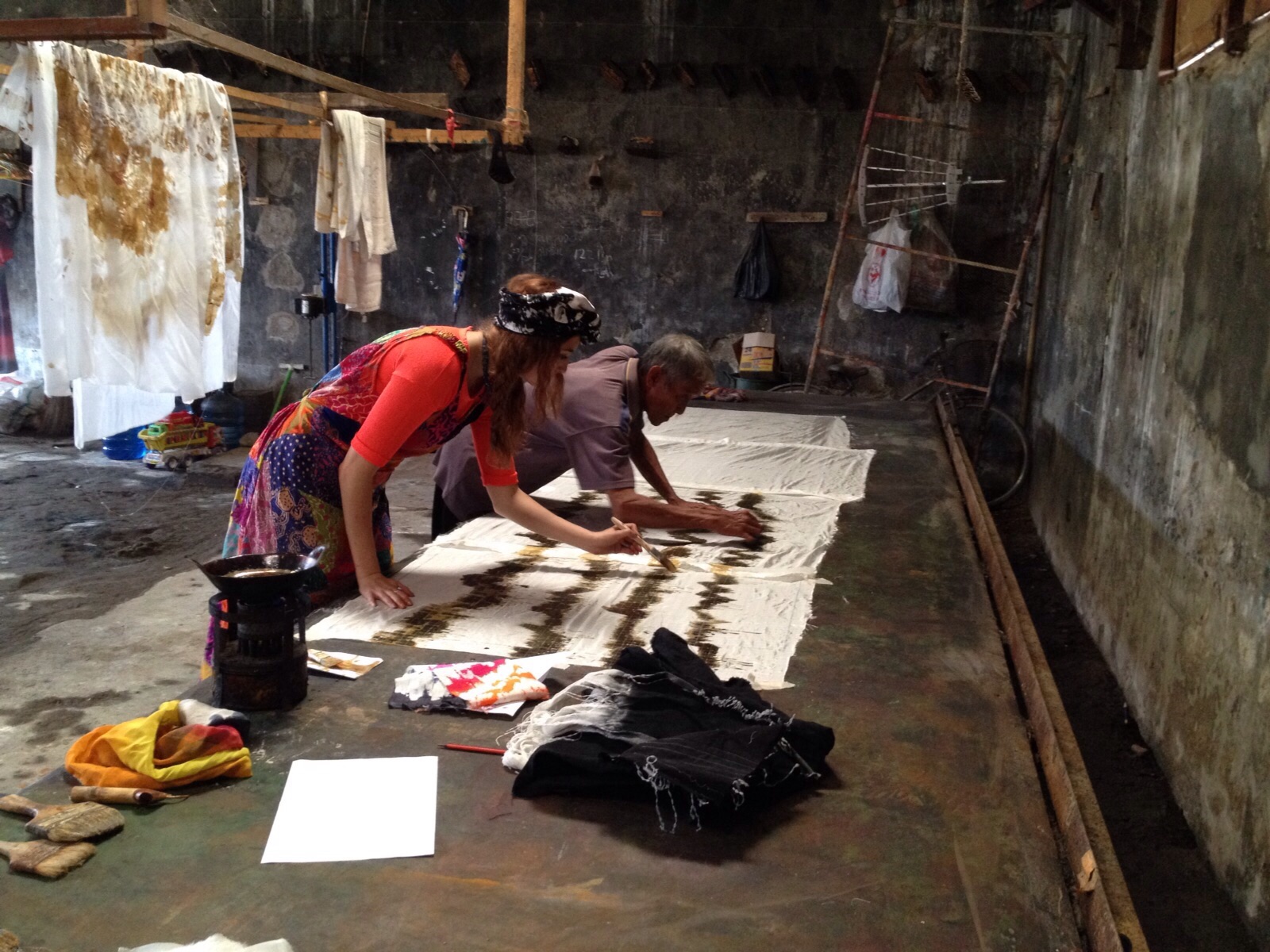
I consider my biggest accomplishment to date the Co-Identity collection which has been showed at the Jakarta Fashion Week and then London Fashion week via Fashion Scout. The collection was a collaboration with Dian Pelangi and Odette Steele in which involved fully immersing myself in Indonesia as an inhabitant and creating the textiles for the full 24 Looks of Modest Womenswear. These consisted of fully hand rendered techniques ranging from hand painted gowns, Batik and Songket weaving.  

Making of: Nelly Rose Artisanal Textiles. 

Making of: Nelly Rose Artisanal Textiles. 

What irritates you about the fast fashion industry? Why do we need a slower approach? 

The fast fashion industry irritates me mainly because of mass consumption and the de-valuing and plagiarising of traditional techniques.  I believe in a slower approach to prevent the de-humanisation of garment workers in the supply chain, thus preventing the capitalisation of poverty.  We take such an avid interest in the ingredients that go into our body or our pharmaceuticals, so I don’t understand why we don’t have the same mindset about what we wear on our skin.  The industry deliberately makes it hard to question, and easy to ignore, so it is imperative we constantly ask #whomademyclothes.  

Do you personally feel it is more difficult to deliver work using ethical and artisanal approach? 

I believe that in order to deliver a luxury product, there should be a transparent process. In my personal work, the initial process is more difficult, as it can be more costly as a young emerging designer; however I am constantly trying to inform myself in ways I can maximise the artisanal approach. I have a vision of working with artisan communities across the world to collaborate on beautiful creative outcomes, and I will carry on finding the most efficient ways to deliver these collaborations.  

"The fast fashion industry irritates me mainly because of mass consumption and the de-valuing and plagiarising of traditional techniques." 

 Nelly Rose, credits: Laila Cohen / Imprint Magazine. 

 Nelly Rose, credits: Laila Cohen / Imprint Magazine. 

How would you categorise yourself in the fashion world? What's the most important message you aim to deliver as an artist? 

I predominantly refer to myself as a designer because I like to create wearable pieces which tell a story. However, as designer refers to the process prior to a piece being created, I also refer to myself as a creative director because I love to work with a concept in various forms, such as film and installation. Ultimately, I aim to deliver an outcome through the power of collaboration, which reflects the journey and honours the craft. 

http://www.nelly-rose.com

Sustainably Made Hosiery: Swedish Stockings

Ever heard of caring, eco-conscious hosiery? Swedish Stockings’ founders Nadja Forsberg and Lynn Frisinger - a team of two ambitious innovators - prove that stockings are a petroleum product no more. Instead, be prepared to fall in love with their quality pantyhose made from certified recycled yarn. What’s even better - they proudly add to a wonderful row of Scandinavian storytelling brands, and we’re instantly hooked by their elegant craft.

Read More

Will the Allure of Frida Kahlo Ever Fade Away?

Frida Kahlo: Fashion As the Art of Being
Assouline

“Feet, what do I need them for. If I have wings to fly.”
– Frida Kahlo

If you are seeking some inspiration look no further. The latest Assouline beauty is packed full of bright and beautiful pictures of the one and only Frida Kahlo. The book is a tribute to her amazing style and character, hosting a stunning selection of images mirroring her signature style.  Pour over bright Mexican landscapes and see how her inimitable individuality has influenced so many over the years.  Frida’s free spirit has us planning outfits and adventures in equal measure.  If you’re a fan of art, fashion and a great coffee table book – this needs to be your next investment. 

Frida Kahlo: Fashion As The Art of Being

Frida Kahlo: Fashion As The Art of Being

On sale in Assouline stores or Amazon UK.


A Kinder Fashion Travel Memoir — Linda Mai Phung

Linda-Mai is a French-Vietnamese ethical designer based in Ho Chi Minh City, whose childhood memories of witnessing water wastage in her second homeland, France, inspired her to create her own brand. Behind the humble hues and preen prints at first sight, LMP reveals us a deeper cultural heritage behind her detailed craftmanshipSS16 particularly speaks of exotic patterns and paints powerful pictures of travels to foreign, faraway lands. Expect LMPs collections change as fast as a camera roll of your fashion travel journal, encompassing the enigmatic heritage of joyous journeys around the world. If you havent thought through your summers one-way ticket yet, come admire closer.

Read More