ELLISS London: Unconsciously Conscious Organic Jersey Wear

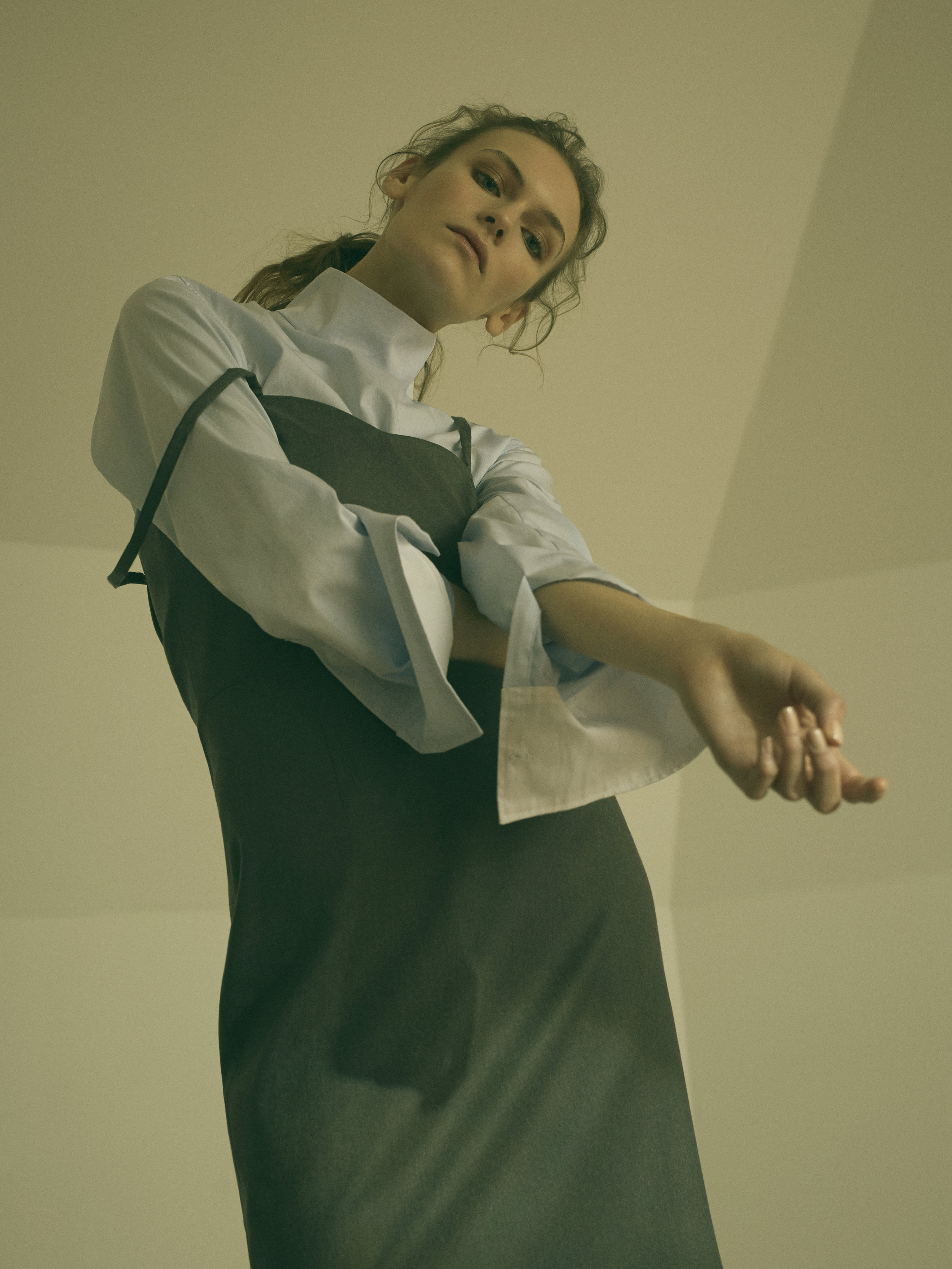
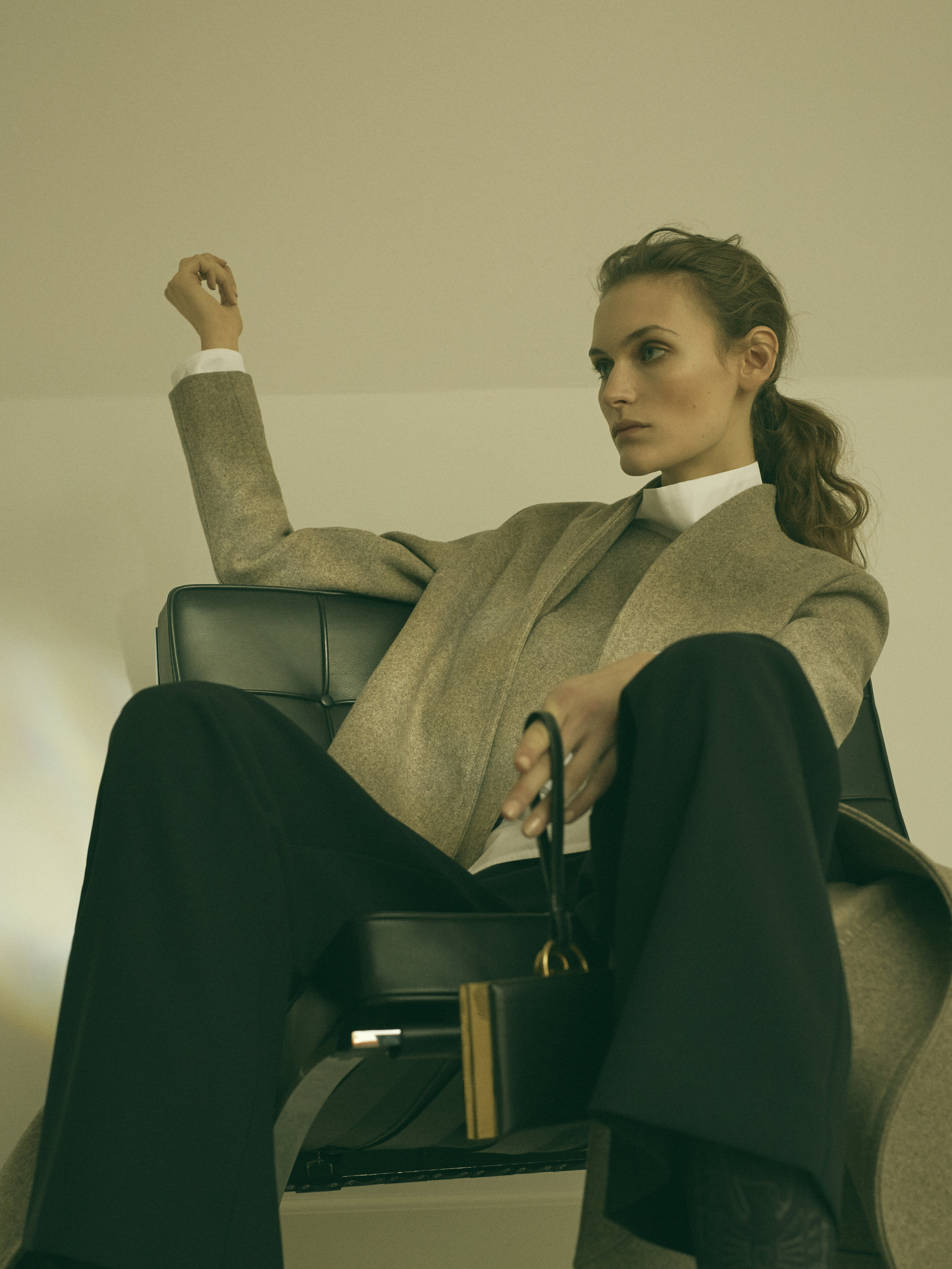
ELLISS is a London-based responsible brand focusing on organic jersey wear. The collection 'Unconsciously Conscious' speaks of choosing responsible clothing unconsciously for its aesthetics rather than merely ethical production. Their vintage-inspired jersey wear, using ultra nostalgic silhouettes, sported by vulnerable looking girls, is not only visually appetising, but out-of-this-world comfy, too. Even so much so, we want to keep it close all winter long... 

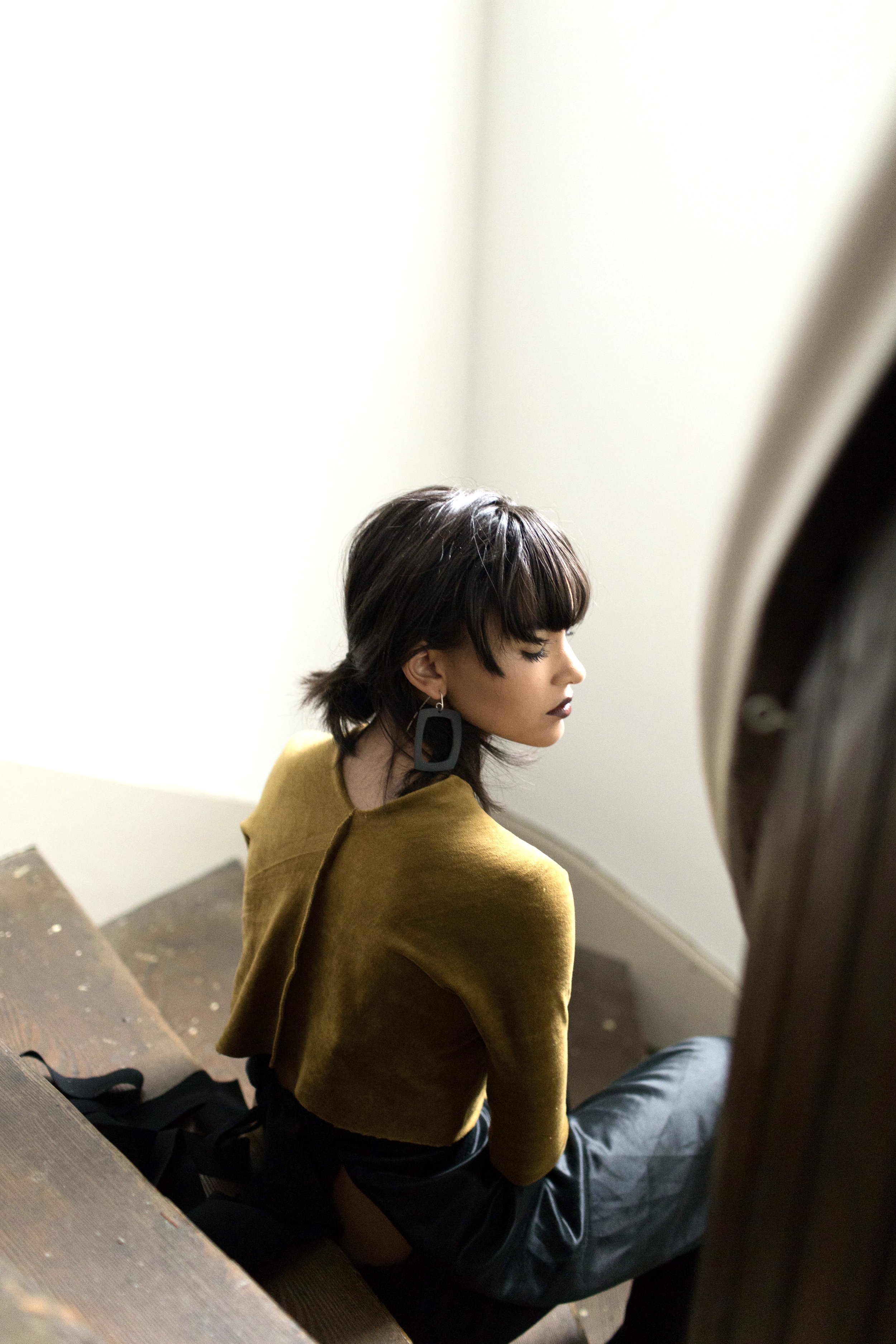
ELLISS 'Unconsciously Conscious' lookbook, 2016. 

ELLISS 'Unconsciously Conscious' lookbook, 2016. 

How does ELLISS connect sustainability and fashion?

We use organic materials and manufacture in England to maintain a low carbon footprint and are conscious of every element of the design process to waste as little as possible. 

What are the main aspects ELLISS as a responsible fashion brand looks to improve?

I would like to show that sustainable fashion can be stylish. The design is very important to me. I want people to buy the clothes because of the way they look, rather than just because they are consciously made. The collection is called ‘Unconscious Clothing’, I want the women who buy my clothes to not necessarily be looking for something eco-friendly, but to choose a piece because of the design – to unconsciously be conscious. 

ELLISS 'Unconsciously Conscious' lookbook, 2016. 

ELLISS 'Unconsciously Conscious' lookbook, 2016. 

Why is it so difficult to get something responsible manufactured in Britain?

It isn’t difficult to have things responsibly manufactured in the UK as you can oversee the production. However, it did take time to find the right factory. The options are few, but I am lucky to have found a factory I can work closely with. The price is slightly higher in the UK than abroad, but the quality is fantastic. 

What inspired the creative direction for ELLISS? Who is perhaps your muse?

The creative direction has happened very naturally from working with great teams on the shoots. Amy, the model in our lookbook, is incredible — she has the ability to look so vulnerable and confident at the same time. That is something that is important to me, to show women in a natural way. We just released a behind-the-scenes film of the launch presentation, which is a candid look at the girls, the playful, real moments. 

"I want the women who buy my clothes to not necessarily be looking for something eco-friendly, but to choose a piece because of the design – to unconsciously be conscious."

ELLISS 'Unconsciously Conscious' lookbook, 2016. 

ELLISS 'Unconsciously Conscious' lookbook, 2016. 

What personally bothers you the most about fast fashion? How can we still look good with less? 

The waste — the nature of the way people buy clothes needs to change. The best way to shop is to buy less, but pieces you really love. Curate your wardrobe. 

How much importance does sustainable living have in your everyday? 

It plays a big part in the way that I think. I like to buy vintage clothes – that is one of the reasons I decided to focus on jersey wear. Vintage shopping is great for a trousers and outerwear, but when it comes to lingerie and T-shirts – you want something fresh and new. I love wearing matching jersey underwear and a soft T with a pair of vintage jeans.

"The best way to shop is to buy less, but pieces you really love. Curate your wardrobe."

ELLISS 'Unconsciously Conscious' lookbook, 2016. 

ELLISS 'Unconsciously Conscious' lookbook, 2016. 

What makes it tricky to have an entirely Made in Britain clothing brand?

Manufacturing in the Britain is more expensive, but it means that you have control of the production and can see everything that is going on throughout the process. I think it is important for the customer to know where their products are coming from.
www.elliss.co.uk

Study 34 & The New Crew: Quintessentially British Functional Knitwear

Study 34 is a quintessentially British responsible knitwear brand for the intelligent woman in the know of all things sustainable. Fun fact: it was born from a simple functionality issue - more often than not, functional garments come with all the unnecessary buttons and pockets and keyhole fastenings, leaving little space for beautiful simplicity. We took a glimpse into the world of Eleanor O'Neill, author of Study 34 clothing brand and writer on sustainable fashion, about her latest 'The New Crew' knitwear collection and passion for sustainability... 

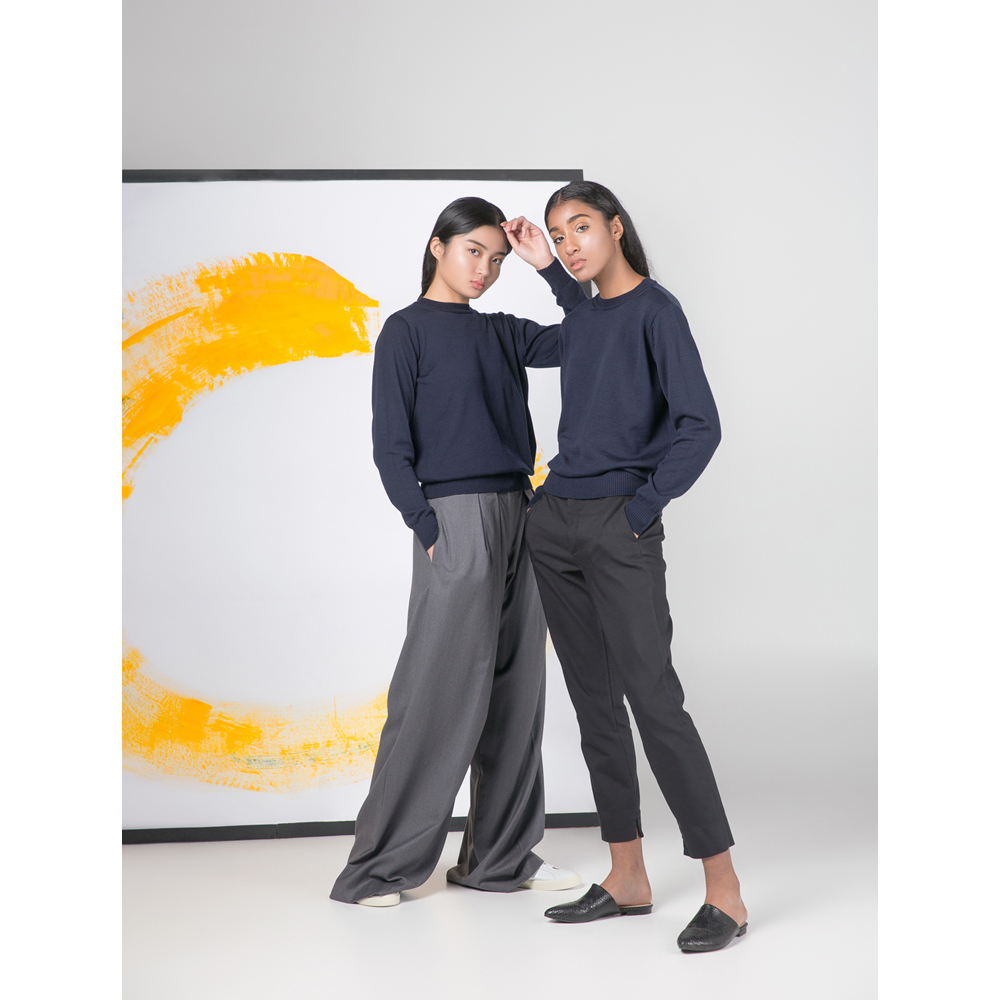
'The New Crew' by Study 34, 2016. 

'The New Crew' by Study 34, 2016. 

How did you become interested in all things sustainable? In particular, what led to interest in fashion x sustainability?

The knowledge I have gained has come from talking to lots of people with much more knowledge than me, as well as reading – I do a lot of that!

I’d say I really become interested during my first internship in the fashion industry, which was for the global supply chain manager Li & Fung in New York. Once you’re exposed to the reality of the fashion system, you start to question things more…

What were the main aspects you wanted to improve when starting with your own responsible fashion brand called Study 34?

I think I had quite a few things on my mind at the beginning. Firstly, it was about style. I like simple, timeless, but modern shapes in knitwear and all the pieces I liked were always out of my price range – we’re talking hundreds of pounds. I wanted that aesthetic to be more attainable.

I’m really passionate about the manufacture of clothing, too. I found it quite frustrating sitting at a desk and drawing things, when I was working for larger brands, and never having the chance to improve my knowledge of construction. It seemed silly, I probably always made the same mistakes but never knew because it was someone else’s job to correct them. When I first started STUDY 34, I made everything in my studio with domestic machines and I learnt a great deal about construction during that time.

“The overproduction and consumption of badly made garments has resulted not just in waste but in clothing itself becoming a totally undervalued part of our society. It has become disposable.”

'The New Crew' by Study 34, 2016. 

'The New Crew' by Study 34, 2016. 

In the intro describing the production process of your new jumper in a British factory you mention many complex issues. In a nutshell, why is it so difficult to get something responsible manufactured in Britain?

It’s not the ‘responsible’ part that’s the problem necessarily; it’s just that when you’re starting out, you’re often working to a factory’s minimums, so it’s hard to get your foot in the door because it doesn’t make you very desirable. You often have to work with what you can get so to speak, which is often not exactly what you wanted…

Who is the woman The New Crew is aimed at?

The STUDY 34 woman is creative, intelligent and interested in the world around her. She’s busy and she needs to be comfortable and look good while she’s going about her day. 

“I’m always talking to people and getting their perspective on the fashion industry, as well as meeting people who make amazing things. All of these activities play a huge role in my day.”

'The New Crew' by Study 34, 2016. 

'The New Crew' by Study 34, 2016. 

What are the main concerns that should be addressed when in comes to fashion industry's irresponsible ways? What personally bothers you the most?

I get asked this a lot and it’s hard to answer because there are so many things to learn and as one person, you can only explore so much at one time. There are a number of things that bother me more than others, though, and the first is working conditions. That anyone can turn a blind eye to what’s happening in a lot of factories I find shocking. 

The second is waste. The over production and consumption of badly made garments has resulted not just in waste but in clothing itself becoming a totally undervalued part of our society. It has become disposable.

What's your personal link with leading a sustainable lifestyle? How big is the role it plays in your everyday? 

Every day I strive to keep learning and expand my knowledge of different areas of the supply chain, whether it’s to do with materials, water usage, design, washing etc. I’m always talking to people and getting their perspective on the fashion industry, as well as meeting people who make amazing things. All of these activities play a huge role in my day. 

'The New Crew' by Study 34, 2016. 

'The New Crew' by Study 34, 2016. 

What's the best advice you have been given in order not to give up your pursuit of creating clothing Made in Britain?

I’m not sure anyone has ever advised me NOT to give up… our textile industry has so diminished in the UK, it remains very difficult. 

How can we make this world a better place and reduce consumption?

Buy thinking before you buy and by valuing the things that you DO buy.

https://www.study34.co.uk

Sleep In Bliss: Responsbily Made Sleeping Masks by ÖÖLOOM

It’s very easy for sleep to become an insignificant, routine activity. Yet we all know that good sleep is essential for our physical well-being and sanity. I am a resident sleepyhead. So when I spotted Estonian brand Ööloom’s (literally ‘night animal’) range at the store, I was immediately in awe. A company dedicated solely to provide people with a great sleeping experience with their soft animal-shaped sleeping masks – what more could you want? To top it all off, their products are responsibly made and locally-sourced. I felt like I needed to introduce Ööloom to all the professional nappers out there. Mihkel Virkus, resident visionary and a rigorous sleeper at Ööloom, answered our most haunting questions. 

Words: Johanna Raudsepp

'Fox Girl' by Ööloom, 2016. 

'Fox Girl' by Ööloom, 2016. 

It’s not every day that we see a new brand dedicated to great and sustainable sleeping gear. What inspired you to launch a sleeping mask line? 

Quite true. You don’t see many distinct sleeping brands. I guess people tend to take sleep for granted much of the time. 

This kind of ties in with the origin story of Ööloom. The thing is, many people view sleeping as a passive act. You just close your eyes, and don’t worry about the rest of it. But the reality is that you actually go on breath-taking adventures inside your own mind. Just because you grow stronger and become rested doing it, doesn’t mean you’re doing nothing.

We think that the dream world and the human capacity for imagination should be celebrated and to that end a regular sleeping mask just won’t do. The Ööloom sleeping mask stands as an active reminder of the silliness that your brain can muster up.

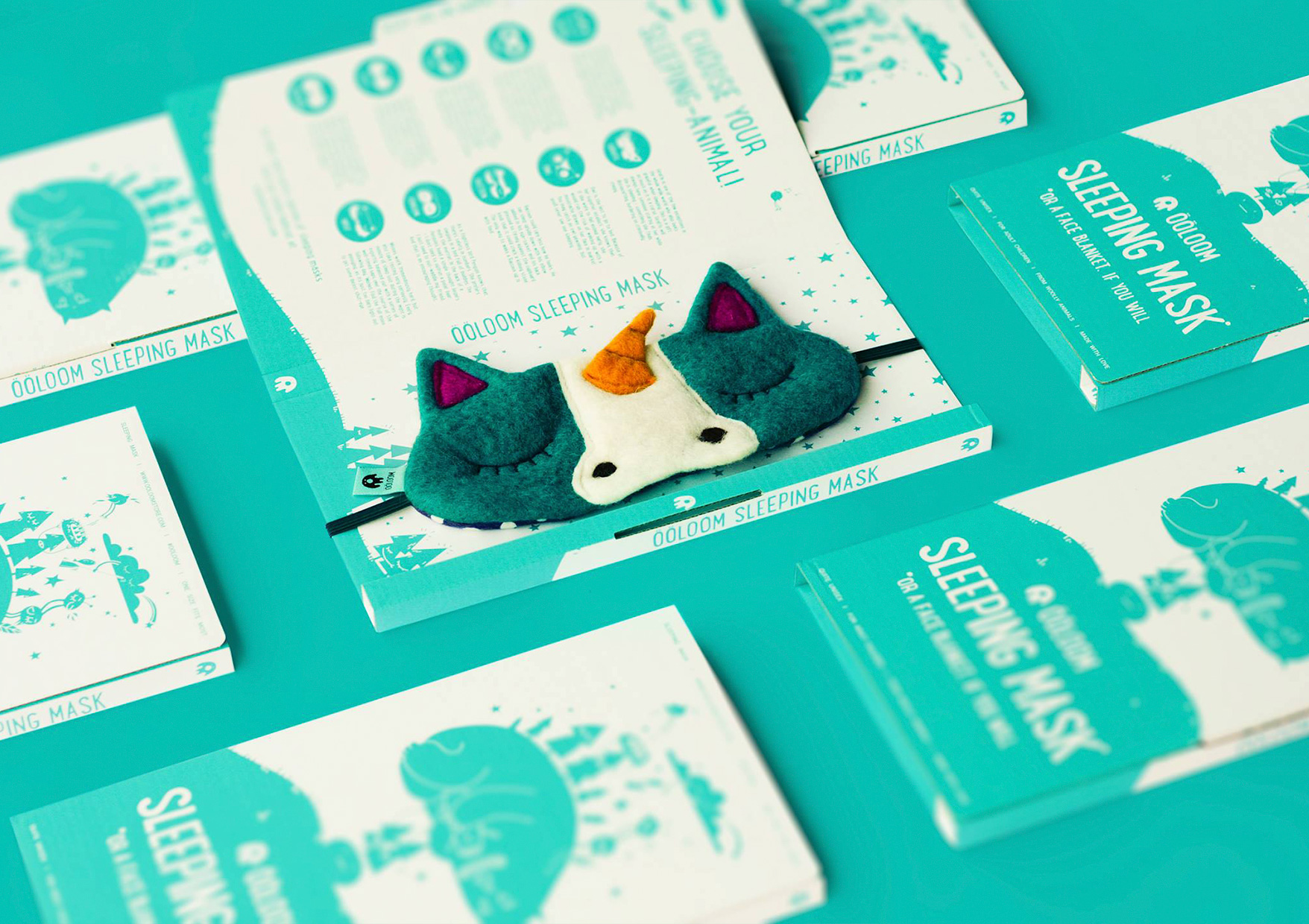
Ööloom unicorn mask with packaging, 2016. 

Ööloom unicorn mask with packaging, 2016. 

Who is Ööloom?

Ööloom is a creature of the night. The friendly kind, of course. He is mysterious, but never frightening, like a hedgehog in the fog. He acts as a sort of an ambassador for the seemingly unreasonable dream-world – delivering fresh and unconventional ideas to our rational and, dare I say, dull reality. The word itself comes from the Estonian language. It loosely translates into “night owl”, a person who tends to stay up quite late. But we ourselves prefer the literal translation – “night beast”.

"The ÖÖLOOM sleeping mask stands as an active reminder of the silliness that your brain can muster up."

I love napping on couches and when I’m travelling. Where is your favourite place to nap?

Ahh yes — couches are fantastic. I’m a big fan. But I’d say it’s not about where you fall asleep that interests me the most. It’s what kind of a world you dream yourself into. I once napped into a parallel reality situated inside the imagination of a blueberry pie. It was a pretty sweet dream.

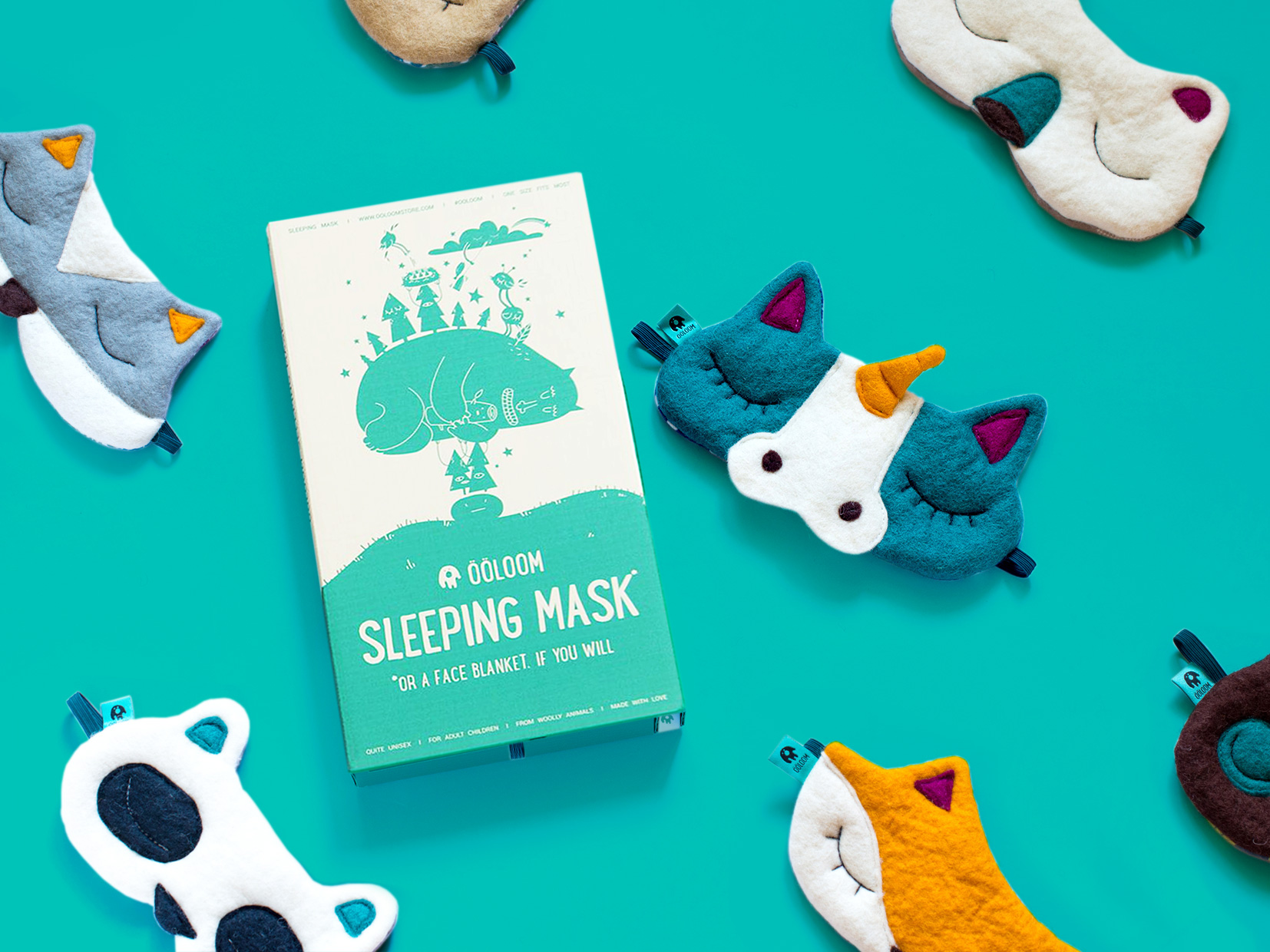
Variety of Ööloom sleeping masks, 2016. 

Variety of Ööloom sleeping masks, 2016. 

Your products are made in Estonia, using locally sourced materials. Conscious production is something we strongly care about. What is your take on it? Do you think more companies should produce ethically made products?

We at Ööloom spend a great deal of time in the subconscious or unconscious, depending on your understanding of how sleeping works. As a matter of principle, we aim to be very conscious about our actions while we are awake. 

A lot of the raw magical power of our products come from the way we make them. The sheep that provide the wool are hand-fed, the felt is hand-made from the wool and the masks are hand-sewn by a small army of lovely ladies. The love and care that is put in, reflects in the finished product.

"Many people view sleeping as a passive act. You just close your eyes, and don’t worry about the rest of it. But the reality is that you actually go on breath-taking adventures inside your own mind."

The importance of locally sourced materials for us is very much a part of the brand. It’s the cold Nordic environment that has made us, Estonians, so creative. The first Estonians that arrived here had to figure out how to build a fire on top of frozen water before they could go to bed. That’s not easy. This has made Estonians more appreciative of sleep and we believe that local materials carry that same appreciation within them.

There is definitely a trend towards more ethical ways of manufacturing. I think it has a lot to do with the ever-growing amount of information available. About the producers as well as to the consumers. It’s easier now to know where, how and by whom, the stuff is actually made. 

For us it’s a no-brainer. As a consistent brand that values happiness, we need to know that the journey of the wool from the belly of a sheep to the face of a human is a happy one as well.

Ööloom panda sleeping mask, 2016. 

Ööloom panda sleeping mask, 2016. 

You have a few endangered species featured in your line of night animals. Where did that idea stem from and will we see more in the future? 

Yes, that’s right. The “endangered species” is a category in the e-store (ooloomstore.com) for the animal sleeping masks that are no longer in active production. The reason is that we want to keep the main collection at 10 different animals, so that the already tired and sleepy person looking for a mask wouldn’t be overwhelmed by choices. We introduce new animals fairly slowly. Maybe one or two new faces a year, the most recent one being a black fox. The older ones fall out of the ‘current collection’ and remain in the ‘endangered species’ category – available only online. We just didn’t have the heart to cancel their production altogether because in our world no animal should go extinct. Imaginary or otherwise.

"It’s not about where you fall asleep that interests me the most. It’s what kind of a world you dream yourself into."

What does Ööloom dream about? 

Ööloom dreams about many things. The most common and reoccurring dream is one of total world domination. I’m not an expert in dream interpretation. But this probably reflects the ambition of the company and our own plans for total world domination – achieved not by force, but by the creative use of happiness, whimsy, and dangerously cute sleeping gear.

See more:

Ööloom sleeping masks exclusively featured in our Conscious Gift Guide.

https://ooloomstore.com

Grind and Glaze — Epitome of Feminine and Masculine

Your next must-know eco fashion brand Grind and Glaze tells a thousand stories of the designer's upbringing in rural Ohio. We took an insight into Tessa Clark's vision connecting masculine 'grind' and feminine 'glaze' in every single responsibly made piece. Their minimal, yet aesthetically impressive debut collection simply makes a sustainable masterpiece, and we can't wait to hear what more the brand has on hold. 

Grind & Glaze Debut Collection, 2016. / Photography: Courtney Sinclair / Model: Cheyenne Janelle

Grind & Glaze Debut Collection, 2016. / Photography: Courtney Sinclair / Model: Cheyenne Janelle

What does Grind and Glaze stand for? What informed the inception of your brand?

Grind and Glaze was originally created for my thesis project as an ode to my parents and my upbringing in rural Ohio. My father is a miller and my mother is a potter. Grind for grain, Glaze for ceramics, a combination of raw and refined elements and aesthetics. I grew up in a creative environment and was a part of their business and entrepreneurial ventures. They inspired me from a young age to be an entrepreneur as well. It was in my blood. 

What are the key sustainability principles you follow?

My goal is to remain ethically grounded while creating garments that are elevated, but inspired by casual-wear. As my brand grows, my goal is to keep all production fair-waged and to remain aware of the working conditions my clothes are being produced in. I also use only organic cotton and other eco-friendly textiles, such as hemp, silk, recycled polyester (made from plastic bottles), and tencel. I also try to use as much of the fabric as possible. For example, I found that one of my designs was creating a lot of fabric waste, so I re-patterned the top and now it doesn't waste as much fabric. The fabric that is left over, I use for my neck-cuff designs. 

Grind & Glaze Debut Collection, 2016. / Photography: Courtney Sinclair / Model: Cheyenne Janelle

Grind & Glaze Debut Collection, 2016. / Photography: Courtney Sinclair / Model: Cheyenne Janelle

What inspired your first collection? Are there any restrictions that make producing ethically difficult?

All of my collections and designs refer back to my original inspiration and grounding aesthetics for Grind and Glaze. Grind: grain, rough, raw, masculine, natural. Glaze: refined, glossy, feminine, minimal. 

My goal with everything I design is that I want it to be timeless, ageless, wearable, and eco-conscious. Right now because my production is so small, it is not difficult to produce ethically. If I keep production in the USA, I will be able to visit the factory, and make sure proper labor laws are being followed. I refuse to sacrifice price for what is morally right. 

"Sustainability and ethical thinking should be at the forefront of everyone’s agenda in the industry."

Why is ethical thinking important for you personally and on a wider global scale?

On a personal level, I find it empowering to be aware of where my clothes come from and to choose where my money is going. Fast fashion was created for corporations to make money by pressuring consumers into thinking they have to have every trendy article of clothing out there. A lot of these garments are made in countries with loose environmental regulations and labor laws, in turn allowing the garments to be produced and sold cheaply. After learning about these processes, I made the decision to make more conscious purchases. Quality over quantity. 

Fashion is a huge industry. And it’s the second pollutant behind oil in the world (ref. The True Cost movie). A lot of what is being produced and sold is harmful to the environment. Sustainability and ethical thinking should be at the forefront of everyone’s agenda in the industry. 

 "I refuse to sacrifice price for what is morally right."

Grind & Glaze Debut Collection, 2016. / Photography: Courtney Sinclair / Model: Cheyenne Janelle

Grind & Glaze Debut Collection, 2016. / Photography: Courtney Sinclair / Model: Cheyenne Janelle

What's your relationship with today's speed culture that encourages us to bombard others with our digital presence, constantly share photos, and forget the actual meaning instantly? Have you ever thought about embracing a slower lifestyle? 

I'm guilty of being sucked into the speed culture, as I'm sure a lot of Instagram and Facebook users are. I’ve been trying to view Instagram as a visual archive for myself and my brand. I follow a lot of fashion and design accounts and screenshot what I find inspirational. I'm trying to view it as an interactive, in-flux moodboard. I've thought about embracing a slower lifestyle and I've tried to create that opportunity for myself by recently moving to Hawai’i. I decided that moving to a big city and working for a corporation was not where I would find my happiness. I very much desire a slower paced lifestyle. I may need my big city fix sometimes, but like all things, it's about balance. 

"I decided that moving to a big city and working for a corporation was not where I would find my happiness. I very much desire a slower paced lifestyle. I may need my big city fix sometimes, but like all things, it's about balance."

Grind & Glaze Debut Collection, 2016. / Photography: Courtney Sinclair / Model: Cheyenne Janelle

Grind & Glaze Debut Collection, 2016. / Photography: Courtney Sinclair / Model: Cheyenne Janelle

Do you feel that today's digital culture has made it harder/easier to reach your audience?

Easier! Social Media platforms are amazing for reaching an audience worldwide! It's free marketing.

What are your plans with Grind and Glaze going forward?

I'm planning my e-commerce presence currently. I’d love to be stocked in more boutiques and my dream is to open my own concept brick and mortar store or workshop, and in some way incorporating education of the industry to aspiring designers and those interested in learning more about fashion, design, and textiles. 

More of Grind and Glaze:

http://www.grindandglaze.com

From Love of Hair to Fear and Love: Your Culture Guide to December

Hair by Sam McKnight, Somerset House. 

Hair by Sam McKnight, Somerset House. 

Art House by Assouline. 

Art House by Assouline. 

Eat - Noble Rot Wine Bar & Restaurant. We love the Parisian style wine bar and restaurant Noble Rot. Head over to enjoy their vast wine list, served with a succinct, seasonal British menu. 51 Lamb's Conduit Street, WC1N 3NB.

See – Hair by Sam McKnight, Somerset House. Is there anywhere more inviting than Somerset House at Christmas? Enjoy an afternoon at the Hair by Sam McKnight exhibition celebrating McKnights 40 year career. Until 12th March 2017.

Visit – Claridges. December is the time to treat yourself. Don’t miss the spectacular room-size Christmas installation designed by Sir Jony Ive, Chief Design Officer at Apple and Marc Newson, one of the world’s most influential industrial designers in collaboration with renowned British set designer Michael Howells.

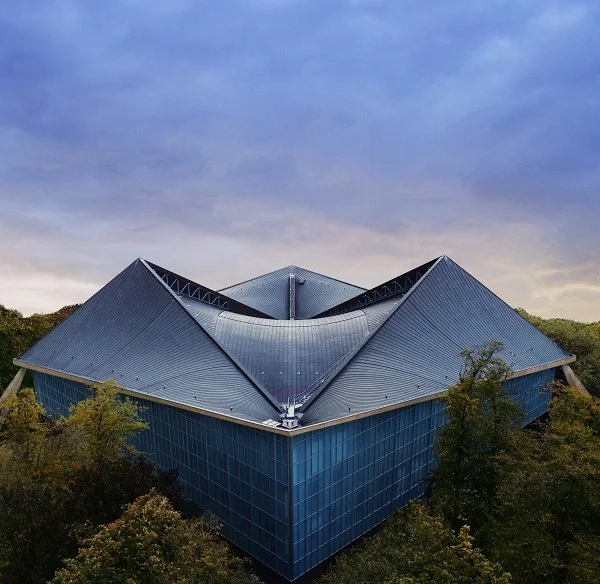
Do – Design Museum. Following a five-year building project, the remarkable new Design Museum in Kensington has opened its doors. The current exhibition ‘Fear and Love: Reactions to a Complex World’ will occupy the space at the museum until 23rd April 2017.

Read - Art House, Assouline. Art House takes readers on a breathtaking visual tour of five residences designed to house six hundred works of art, including masterpieces by Marcel Duchamp, Andy Warhol, Donald Judd, Louise Nevelson, Diane Arbus, and Frank Stella.

London Design Museum in Kensington. 

London Design Museum in Kensington. 

Duvet Days: Fighting Violence Against Women Through Empowering Visual Stories

Duvet Days is an engaging storytelling platform and community enveloping captivating visual language to bring together victims of violence and guide their path towards the healing process. Savant had a chat with Jenna Wiebe, graphic designer and author of Duvet Days, on what it means to communicate emotional real-life stories through beautiful, curated visual imagery.  In this zeitgeist of women's empowerment, by encouraging everyone's individual journey to self-acceptance and self-love, Duvet Days aims to break apart from all things taboo.

Duvet Days, 2016. 

Duvet Days, 2016. 

SAVANT MAGAZINE: What is Duvet Days in a nutshell? What's your mission and what inspired you to create Duvet Days, platform for fighting abuse and encouraging self-love?

DUVET DAYS: Duvet Days is for all the brave women out there who have been affected by rape, sexual assault and domestic abuse, who are on their journey to self-acceptance and self-love using my own experiences with these things as a tool to speak about these issues. I am a Graphic Designer, so I was inspired to use design — graphic design and photography — as an aid to communicate about abuse and promote self-love. I want women to know that these experiences do not define them, but instead are a part of their story and who they choose to become. [I created the platform] to let their experiences empower them and others, not define them.

Duvet Days, 2016. 

Duvet Days, 2016. 

Is there a personal story that links with starting the platform?

Yes, I am a survivor of rape, sexual assault, and domestic abuse — all by different men that were in my life throughout all of my 20s.

Considering the cultural climate we live in, do you feel speaking of violence against women is still a taboo in our society? How does your project encourage women to speak out?

I think culturally, from a North American standpoint, we have come a long way with speaking openly about violence against women, but we still have a long way to go, especially in other parts of the world. I am fortunate to live in North America, where we have the freedom to speak. I do think that it is still taboo to talk about violence against women to some degree, as it isn’t an easy topic for many to hear or see, and there is a lot of judgment and shaming that goes along with it. I believe my project helps others not feel afraid to speak out and that they are not alone. I try my best to not filter my own personal experiences in my posts, so that others have the courage to not be afraid to share their own stories, opinions and experiences. Creating a space for people to feel heard, understood, supported, loved, and inspired is so important for the survivor community. The more people speak out, the less it will be taboo. 

"I want women to know that these experiences do not define them, but instead are a part of their story and who they choose to become."

Duvet Days, 2016. 

Duvet Days, 2016. 

Duvet Days, 2016. 

Duvet Days, 2016. 

How is the visual language you use helping to convey the message?

Before I started Duvet Days, I had done a lot of research trying to find something that was for survivors that were in the healing process, and found it difficult to find anything that was done in a visually pleasing way. Everything I came across was very clinical, or more on the extreme activist side. I think both of these approaches have a place and are needed, but I personally felt there was a missing piece. I think there is a time and place for explicit and in-your-face imagery to convey these messages, but I also think that using visual language, like I do with Duvet Days, connects people in a different way to these topics and gets in front of a different audience. It helps people visualise or feel what others possibly feel from abuse. Words are powerful, but photography also plays a big role in evoking emotions which help people connect on another level.

Who are the ones that benefit the most from your community? How have the audiences reacted so far?

Survivors of either sexual or domestic abuse. I think the most prominent feedback I get on a regular basis is that survivors are happy to know they aren’t alone in feeling the everlasting effects of rape, sexual assault and/or domestic abuse, and that they are not wrong for feeling these things. I also have had great feedback from men, who have thanked me for helping bring awareness to these topics though my own experiences, as many men have lost their mothers, sisters, and daughters to the hands of an abuser. I think if people can see how these events cause everlasting effects in a more relatable way, it helps others become more mindful and hopefully become an advocate for others and these issues.

"Words are powerful, but photography also plays a big role in evoking emotions which help people connect on another level."

Duvet Days, 2016. 

Duvet Days, 2016. 

Duvet Days, 2016. 

Duvet Days, 2016. 

What are the most touching stories you have heard in the months involved in the project?

I communicate regularly with so many amazing survivors with equally incredible stories, but out of the privacy of these individuals I cannot share these stories due to the sensitive nature and their consent.

"Creating a space for people to feel heard, understood, supported, loved, and inspired is so important for the survivor community. The more people speak out, the less it will be taboo." 

Duvet Days, 2016. 

Duvet Days, 2016. 

Duvet Days, 2016. 

Duvet Days, 2016. 

"I think there is a lack of dialogue that is happening with the everlasting effects of sexual and domestic abuse for survivors. People are expected to just somehow go back to the way they were before all these violent acts, but in reality, it isn’t that simple."

Why do communities, such as Duvet Days, need to gain more visibility?

We need more visibility to help reach other survivors and for survivors to not be afraid or ashamed of their experiences. I think there is a lack of dialogue that is happening with the everlasting effects of sexual and domestic abuse for survivors. People are expected to just somehow go back to the way they were before all these violent acts, but in reality, it isn’t that simple. Survivors need to be a part of the change and to let their experience empower them and not define them. The more survivors speak out, the less abusers can hide and be protected and enabled by others. Yes, there will be judgements and shaming from some, but overall there is an overwhelming amount of support, love, and kindness that stretches all around the world. This project has given me a new hope in humanity. The love that I have received has outweighed by far any hate that has been directed at Duvet Days or me personally.

Thank you to DUVET DAYS for sharing their experience!

You can follow and engage here: https://www.instagram.com/duvet_days/ 

fb.me/duvetdaysorg

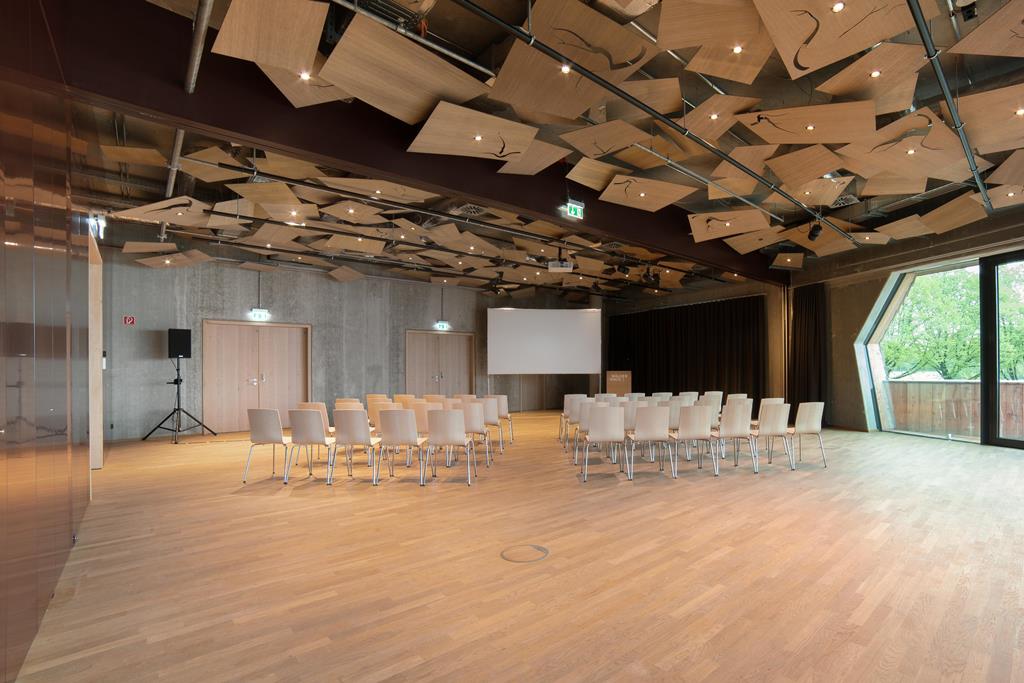
The Wälderhaus Hotel: A Forest Sanctuary in Hamburg, Germany

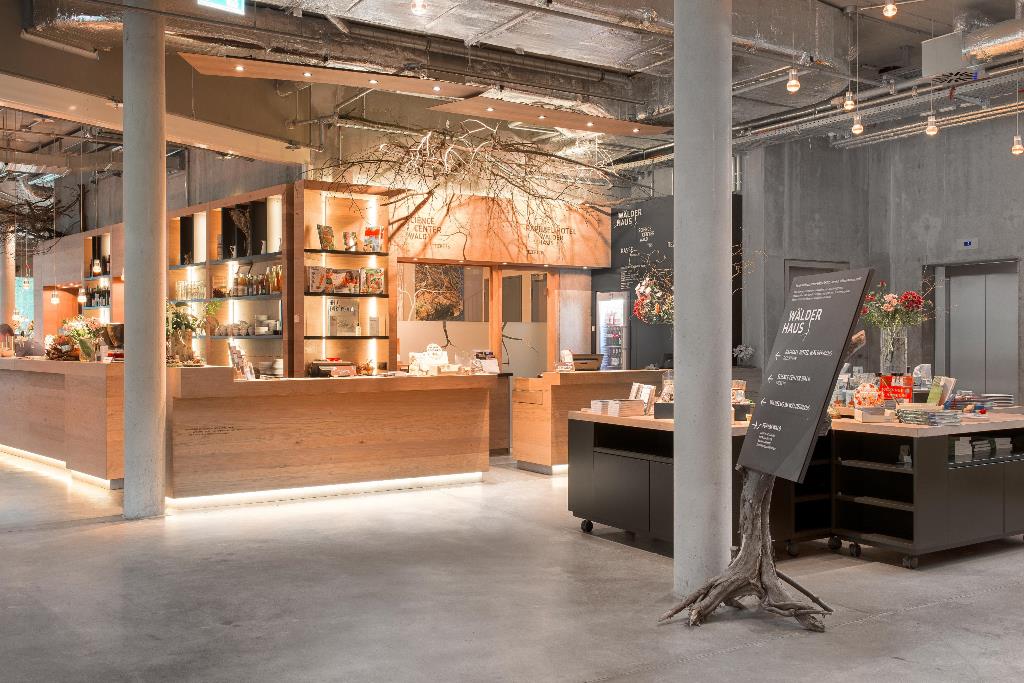
We often wonder how sustainable living and slower lifestyle could be incorporated into our day-to-day lives. One approach that benefits living slow is making the most of your time — enjoying the various experiences life has to offer to the fullest. Travelling is a great example of that experience, and having a relaxing stay, without too many fancy, digital nuisances, is something we often strive for. Thanks to innovations in architecture and increasing interest in running a healthy lifestyle, some hotels have now become the epitome of sustainable design — creating a pure, holistic atmosphere for your stay. We took a glimpse into the environmental solutions at Raphael Hotel Wälderhaus in Hamburg, Germany, where modern architecture meets fully sustainable accommodation.

Words: Johanna Raudsepp

Raphael Hotel Wälderhaus, 2016. 

Raphael Hotel Wälderhaus, 2016. 

The extraordinary wooden façade prominently stands out in the middle of a busy city — made from mostly locally sourced certified wood, the Wälderhaus (which literally means ‘forest house’) is a modern forest delight. “Guests are fascinated by the innovative atmosphere within the hotel and how it is created,” says a Wälderhaus representative. “A nice bonus is, after a visit to the Science Center forest or an overnight stay, you can truly learn something about the connections between the city and nature. The forest house polarises, fascinates, and encourages communication and reflection.” The architecture of the building, despite standing out with the use of materials, fits in with the cityscape. 

Raphael Hotel Wälderhaus, 2016. 

The building meets passive house standards — it is self-sustainable and thus doesn’t damage the environment. In addition to a restaurant, which serves the guests only locally sourced food, the three-star plus standard hotel Raphael Hotel Wälderhaus, with 82 rooms, offers space for special exhibitions and conferences. Here sustainability meets modern innovation to provide the guests with a 360-degree, relaxing holiday. Sleeping between organic cotton sheets and enjoying gastronomic treats at the restaurant ensures you will depart your stay with a well-rested, worry-free mind. As a cherry on top, the Wälderhaus features a green roof, planted with 9000 bushes, 500 hornbeams and various North German tree species.

“The forest house polarises, fascinates, and encourages communication and reflection.”

Raphael Hotel Wälderhaus - Komfort Zimmer.jpg

A fully natural approach is surely gaining popularity. As people are becoming more aware of their impact on the environment, they hold higher standards in terms of sustainability when travelling, as well. The Wälderhaus meets the needs of a conscious traveller. “The guests want as little plastic or artificial in the room as possible, also little electrosmog or superfluous ‘energy eaters’, like minibars. The interest in health is rising, even in healthy indoor air. The architecture should be clear, straightforward, modern, but nevertheless cozy and comfortable.” 

“The interest in health is rising, even in healthy indoor air. The architecture should be clear, straightforward, modern, but nevertheless cozy and comfortable.” 

An eco-approach in the hotel world will definitely be more prevalent in the future. “The eco-concept pays off. We save about 30% energy in the forest house compared to a conventional hotel. The issue will hopefully become even more important.  We like to be pioneers and show that it is possible to [be] sustainable, comfortable and modern at the same time. The number of 100% eco-hotels will surely continue to rise.” The Raphael Hotel Wälderhaus is truly a pioneer in this field, and we cannot wait to see more of such creative, yet environmentally conscious solutions in a modern, urban setting, leaving space for a slower approach to life. 

http://www.raphaelhotelwaelderhaus.de/en

Fonnesbech's DNA of Intelligent Functionality

Fonnesbech is a Danish label with its heritage taking us back as far as to 1847. Without compromising its delicate DNA of intelligent functionality and the tailored quality of impeccable classics coined by Anders Fonnesbech’s legacy, the brand was re-launched in 2014. Aiming to deliver history and craftsmanship not starved of sustainability, Fonnesbech’s vision remains embedded in creating a captivating capsule wardrobe — long-lasting designs that are forever relevant. Fonnesbech’s take on innovating the urban classics may make you forever want to do pirouettes in their elegant silhouettes. We ventured into Fonnesbech’s maison of multipurpose classics with Andrea Friis Laursen, Brand Manager of Fonnesbech.

Fonnesbech AW 16/17. 

Fonnesbech AW 16/17. 

What are your brand's principles related to sustainability? 

We get everything produced within Europe. The fabrics we work with need to have a sustainable story, for instance certified GOTS or Oeko-Tex, as well as recycled and organic materials. We are continously searching for new, innovative fabrics. We do not compromise the final look of the product, regardless of sustainable production. 

You mention the multipurpose functionality of your garments.  What's your take on the concept of 'capsule' wardrobe?

We think that having a ‘capsule’ wardrobe in good quality is a luxury nowadays. We like the thought of wearing clothing, which hasn’t affected people, animals or the environment in a detrimental way in the course of its production. We create clothing that contains no harmful chemicals and we aim to design clothing that you feel you can’t live without — be it in five or ten years.

Who is the woman of Fonnesbech?

She is an ambitious, driven and conscious woman, who loves good quality items and classic design with a twist.  

Fonnesbech AW 16/17. 

Fonnesbech AW 16/17. 

How to still look chic with buying less? 

It is essential to build a wardrobe formed of classics in good quality, like the trench coat, the light blue shirt, little black dress and jeans. It is also important to take care of your clothes as much as you care about your own hair and skin. The fibres will stay intact longer, if you lower the temperature when washing.  Do not tumble dry, buy a lint roller, and do iron your shirt every once in a while. It’s actually the little things that matter.

"It is essential to build a wardrobe formed of classics in good quality, like the trench coat, the light blue shirt, little black dress and jeans. It is also important to take care of your clothes as much as you care about your own hair and skin."

What are the main improvements in the clothing industry you look to push forward with Fonnesbech?

We want to be an example of sustainability that is modern, innovative and cool. We want to make timeless clothes you want to keep forever and use season after season, without failing to still look chic. 

In year 2026, where do you see sustainable fashion stand? 

We are wishing for the day to come, where sustainable fashion becomes mainstream. Instead of having to carefully search for sustainable clothing as today, the conventional part will take much less space in stores. The speed of the technological development should make it realistic, or at least that is what we hope for.

https://fonnesbech-cph.com

nitsn: Bespoke Furniture Filling Living Rooms with Ideas of Eternity

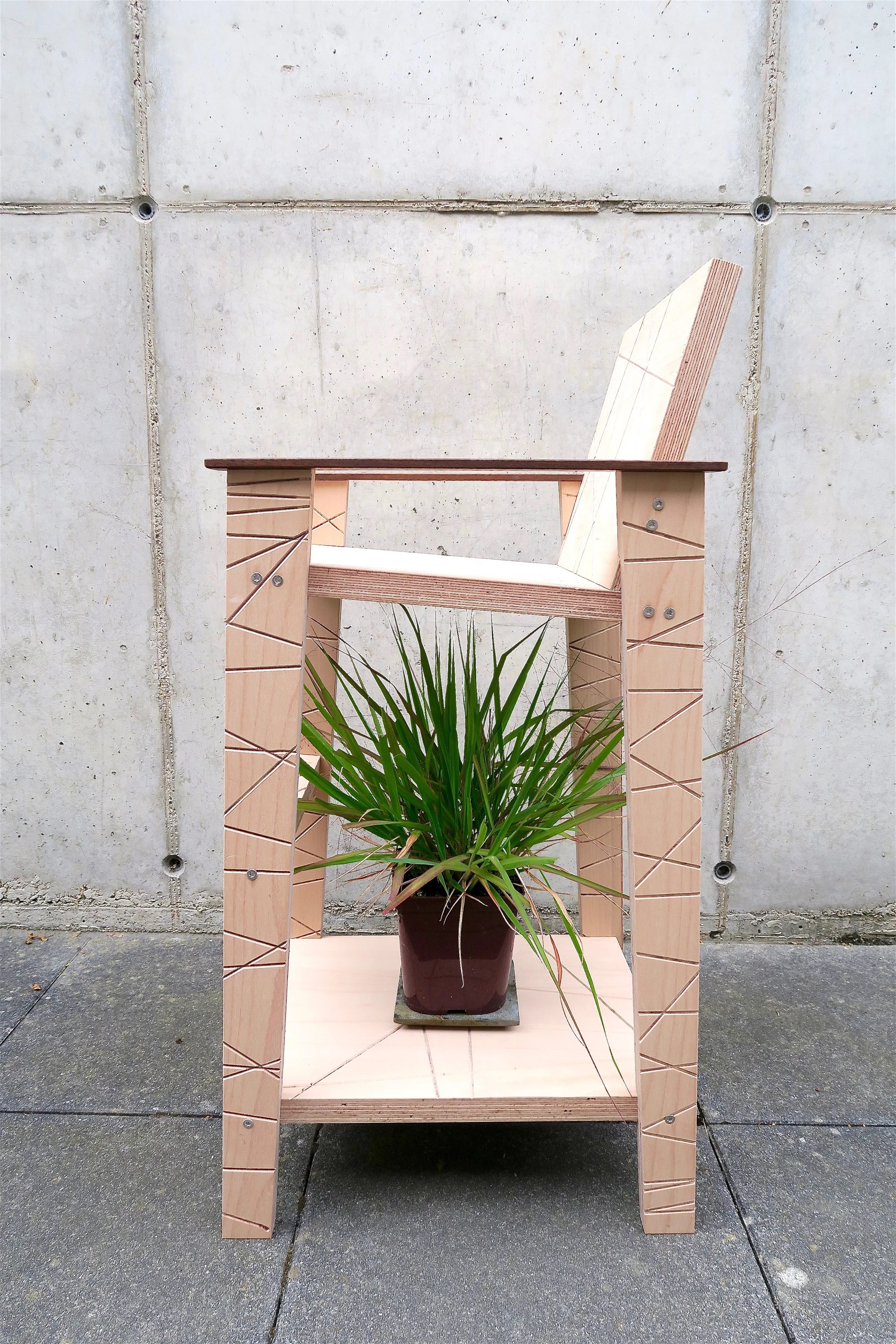
nitsn is a sustainable French furniture studio excelling in bespoke, one-of-a-kind furniture with a modern twist. In addition to the slow and carefully considered approach, the minimalist furniture — each wooden piece touched up with metal inlays, carved textures or laser engravings to boast unique identity — aims to recreate the short-lived moments of our existence. By connecting ideas of sustainability and renewal, the very essence of nitsn's bespoke pieces is to remind us that nothing is eternal, and that way bring the practice of mindful, circular economy closer to the end customer. Savant went into further detail with Roman Wisznia, nitsn's creative and technical mastermind, regarding what connects the creativity and sustainability behind the brand. 

nitsn sustainable bespoke furniture, 2016. 

nitsn sustainable bespoke furniture, 2016. 

What's unique about the way you imagine furniture? 

I see furniture as pieces of nature that we shape to suit human needs. I like to work with natural materials — wood for structure, wool and cotton for fabrics, small touches of polished metals here and there — then shape them with absolute straight lines, like only humans can do. This way, the pieces reflect both the nature and the human side, a perfect balance between the two.

Because every tree is unique, every home is unique, and every person, too, it makes sense to me for each piece of furniture to be unique as well. I understand why mass production eventually has become a standard in the industry. Yet, I like to believe that there is space for a more meaningful approach to work, and to life. Humans have this wonderful ability to think of new things and be creative, and this should be applied every single day. Mass production doesn’t encourage creativity. 

What are your brand’s values?

I try to develop genuine relationships with my customers. It matters to me that people who purchase my pieces, understand who I am, and how these pieces were made. My goal is to make sure the person, who will sit on my chair or put their vest on my coat-hanger, is conscious of the seed that was planted to provide the wood they are using. Perhaps even conscious about the person who planted that seed, and realise that everything works in a circular model. Having a neutral environmental impact is therefore an essential part of the consistency and sense I am looking for. 

nitsn sustainable bespoke furniture, 2016. 

nitsn sustainable bespoke furniture, 2016. 

Do you think customers today show more interest towards one-of-a-kind pieces and furniture brands with a story? 

I think our societies have reached the peak in bare buy-and-throwaway consumption model. We’ve come to realise that acquiring mass-produced things at an ever increasing pace does not contribute to filling the shells of our existence in any way. I believe we need fewer things, things which will make sense to us and that we will truly care for. Making one-of-a-kind pieces that will live once and never be produced again is a way to remind us that nothing on this planet is eternal, and that the shortness of life is what eventually gives it meaning. The story is equally important, and it has to be clear. If people don’t understand the story, they cannot understand the role they play in it.

nitsn sustainable bespoke furniture, 2016. 

nitsn sustainable bespoke furniture, 2016. 

What made you start with nitsn? 

After I graduated from my mechanical engineering school in France, I went to Stockholm’s Royal institute of Technology, where I specialised in renewable energy systems. That Scandinavian adventure certainly played a role in giving me a taste of a slow and cosy lifestyle, as well as minimalist design. After that, I worked for an international organisation known as the authority in energy security and energy-related environmental concerns for three years. I enjoyed it, but quickly realised that I would feel more at ease creating my own means of expression in this world. nitsn appeared to be the answer, a creative activity that would gather all my interests — visual arts, craftsmanship, engineering, politics and environment — in one place. I taught myself woodwork mostly on Youtube, spent my first salaries on professional tools, and began this adventure.

"I understand why mass production eventually has become a standard in the industry. Yet, I like to believe that there is space for a more meaningful approach to work, and to life."

What’s the niche you aim to bring to the market?

With nitsn I chose the approach to have very simple designs for each piece, that I call my standards, and to differentiate them with subtle touches, so that every piece ends up being different. These touches can consist of metal inlays, carvings or laser engravings. They are usually fine-detailed and time-consuming works, but I make each of my pieces an artwork of their own. My standard designs are just like a blank canvas on which I can express my creativity to create a continuous sequence of unique pieces.

nitsn sustainable bespoke furniture, 2016. 

nitsn sustainable bespoke furniture, 2016. 

What's your opinion about sustainability trend in furniture design?

Making stools from recycled cardboard is great and can prove very useful. Finding uses for things that are abundant and that should be recycled is one important part of the equation. Another part of this equation is to reconsider the way we consume objects and furniture. My personal approach is to keep things simple and focus on the essential. Whatever I can do without, I’ll do without. Owning fewer things gives me extra freedom that I really enjoy. It doesn’t mean you shouldn’t redecorate your place when you feel like it, but perhaps there is another way than throwing away your sofa, chairs and coffee table, and replacing them with new ones. We never get tired of seeing trees in the forest. Yet they are the same trees, only the change in seasons make us see them differently, and their appeal is renewed every year. Perhaps there is something to think about there. 

"Making one-of-a-kind pieces, that will live once and will never be produced again, is a way to remind us that nothing on this planet is eternal, and that the shortness of life is what eventually gives it meaning."

What’s your brand’s link with sustainability?

My approach to sustainability is to make robust and great looking pieces that my customers will want to take care of. The goal is for the piece to last at least as long as the time it took for the tree that provided the wood to grow. I also committed to planting one new tree for each piece produced. If my customers have a garden, I offer them to plant it there. This way, I create the missing link in completing ‘the circle’.

nitsn sustainable bespoke furniture, 2016. 

nitsn sustainable bespoke furniture, 2016. 

What are the materials you are using, where are they sourced from?

The wood I use exclusively comes from French forests that I know are managed responsibly. I have nothing against foreign woods, but the further away you get them, the harder they become to trace. It matters to me that I know exactly where the things I use come from. And using local resources simply makes more sense. Because France only produces linen and velvet, I had to look elsewhere for my wool. I’ve had a great experience with a Danish producer, which manufactures absolutely stunning fabrics made in a transparent and environmentally conscious way.

"My standard designs are just like a blank canvas on which I can express my creativity to create a continuous sequence of unique pieces."

What trends appeal to you personally in furniture design?

 Because I don’t have an academic background in design, I really draw what comes to my mind and find a way to make it work once I am settled in the workshop. I don’t usually follow the design trends. I like things simple, and straight lines are usually the simplest way between two points. My engineering background encourages me to understand, how everything is made and how it works together. I think this is reflected in my designs in which every part is visible and every joint shows clearly. Nothing is hidden. Some of the decorations I make, like metal inlays, can require complex calculations and very fine adjustments of CNC machinery. Yet, when you look at the finished piece, a straight line of brass triangles inlayed in a piece of walnut, following an inclined plane, looks very simple. I think that’s where the beauty of the nitsn pieces really stands out — in this apparent simplicity. 

nitsn sustainable bespoke furniture, 2016. 

nitsn sustainable bespoke furniture, 2016. 

Do you reckon French customers are more after comfort, visual appeal or a mix of both?

When it comes to comfort vs visual appeal, I am not sure what the French market is after. Because being ergonomic is such a crucial quality for a chair, I made the designs of my chairs entirely parametric, so that I can adjust any dimension and angle to precisely fit my customer’s body types. I just need the measurements of 5 parts of the body and my computer can instantly generate a fully bespoke chair according to their measures. I don’t think any mass-produced chair can achieve such a perfect fit. It’s like wearing couture as opposed to ready-to-wear.

Learn more:

http://www.nitsn.fr/

https://www.instagram.com/nitsn_france/

https://www.facebook.com/nitsn.fr

Chic Made Consciously: How to be a Sustainable Shopper and Create a Lasting Wardrobe

Sustainable fashion is on the rise and there is a shift in brands offering more eco-friendly and ethical goods. But what exactly does it mean to be a sustainable or conscious shopper?

Oftentimes, people assume that clothing or accessories deemed sustainable are not chic or trendy. In fact, it is extremely easy to stay fashionable and sustainable, too. I believe that being a sustainable shopper is about bringing more awareness to the present moment before making decisions surrounding what we buy. Stop and question how the company is operating in terms of social and environmental responsibility, and take the time to analyse your purchasing decision from a place of consciousness instead of impulse. 

Author: Cassandra Ciarallo

Coral Necklace by Cassandra Ciarallo, Chic Made Consciously 2016.

Coral Necklace by Cassandra Ciarallo, Chic Made Consciously 2016.

Here are some simple guidelines to help reduce your fashion footprint:

Read your labels. By reading the label you can find out what country your clothes are made in and what material it is made out of. Did you know the average worker abroad makes .03 cents for every $10 t-shirt we buy? Unfortunately, there is a huge amount of human exploitation to make the items we wear, so ensure you are supporting companies that are FairTrade!

The material used also has a big impact on our environment. Choose fibers that are natural over synthetic: cotton, linen, silk, hemp, modal (beech tree pulp), tencel (tree pulp), rayon (if specified from bamboo or tree pulp) or wool. Any product made from recycled materials is also a great choice!

Buy less: Ask yourself: Do I really need this new thing? Instead of buying new, get creative with your closet by reusing old pieces in a new way, accessorising or repurpose an old piece into something totally new! One of my favourite quotes by Vivienne Westwood is: “Buy less, choose well, make it last”.

Shop second-hand: A fun way to spice up your closet is to visit your local thrift store for vintage clothing or swap clothes with your friends. It’s a great way to find some unique pieces and feel good about having a low environmental footprint. 

Do your research: Google “brand name + sustainability/responsibility” or use http://projectjust.com/ to find out how the company is operating in terms of social and environmental responsibility. Once you know, then you can decide if you want to shop there! 

Ask questions and demand transparency! I truly believe it is up to each and every one of us as consumers to make a difference. Ask as many questions as you can to help you decide if you are ready to support that brand. Ensure that the company is being transparent with how they run and what their impact is to the planet and the people. I like to think of it like we are casting a vote with each dollar we spend, so make sure you are doing so wisely!

Use these easy tips to reduce your fashion footprint and be a more conscious shopper! For more updates on how to live a more mindful life and be part of this global fashion movement join my Facebook group here. 

Cassandra Ciarallo is the founder & designer of Chic Made Consciously, a social enterprise dedicated to social and environmental responsibility through fashion. Her line of handmade accessories are fair trade & upcycled from tire inner tubes. Visit her collection here at: http://chicmadeconsciously.com/