Discover 5 top tips for reducing the amount of money spent on travel at your business.
By TEAM SAVANT
Read MoreDiscover 5 top tips for reducing the amount of money spent on travel at your business.
By TEAM SAVANT
Read MoreHome of Juniper came from a dream to collate a range of homeware and gifts with thought and meaning. Savant takes a peek into their 3 sustainability pillars…
Guest Post by Home of Juniper
Read MoreTucked into spray-canned corner of a Hackney Wick carpark is Grow, a venue, bar and popup restaurant which also doubles up as ‘an experiment in ethical and sustainable business’.
Words: Kyra Hanson @kyra_sian
Photography: Martin Ruffin - martinruffin.co.uk
On arrival, I ordered a bottle of the Organic Roots Bordeaux Blanc. One glass. Though I was offered a straw by the bemused barman. (Thrifty winos settling in for the night know a bottle makes more financial sense than ordering by the glass). Feeling only slightly sorry for my liver, I returned to the stage to survey my surroundings. There’s something about being by the water that is instantly relaxing and totally moreish – maybe it’s the pace of life offered by the main mode of transport; people in boats always seem to be happy and waving; people in cars always seem to be angry and swearing. At any rate, Grow’s staff and regulars are certainly of the happy and waving variety – an amicable, dressed down sort had gathered under the main space’s luminescent green hue for ‘Have Love Will Travel’, an evening of ‘60's soul, trashy rock 'n' roll, glam gems & cult pop’. Grow doesn’t have the self-important, you’re-not-cool-enough-to-be-here vibes, which sometimes emanate from Crate (further up the river) and on paper, it certainly contains all the buzz words for a green-fingered, guilt-free night out.
At resident restaurant ‘Slow Fire London’ you can chow down on shoulder of pork or leg of Spring lamb, safe in the knowledge that both pig and sheep were roaming around a field somewhere nearby before they ended up on the canal-side smoker. All dishes are available as veggie options, at lower prices, a nice touch. However, I was left waiting an hour for a lentil and kidney bean wrap with a couple of limp lettuce leaves in tow, either they were growing the lentils in a back room to order, or they’ve taken the concept of ‘slow cooking’ to a whole new level. Two plastic forks arrived with my food, suggesting they haven’t quite figured out how to make cutlery sustainable, yet. (Oops! I later discovered, it's Vegware, not plastic, so all good). But what of the drinks? Although limited, the drinks menu is pleasant enough, there are just three wine options (red, white or rose), but all are organic, as is the prosecco and cider. Coffee is fair trade. Grow’s business model is centred around ‘the sharing economy’, this means the chalked-up walls were probably doodled by a local artist, the cute terrace planting involved community gardeners and, importantly, they like to keep events free.
I even managed a self-conscious twirl beneath the spider plant-lined dancefloor and I don’t know if it was the lentils lining my stomach or the organic booze, but I certainly didn’t have the usual pounding-head-sick-bucket scenario on Saturday morning. Sort out the slow service and this could be one experiment that takes off in a big way.

Margaux and Joe, founders of The Other Naughty Piglet.
Tell us about the ethos behind The Other Naughty Piglet & Naughty Piglets...
It is a philosophy... Be merry and happy like a naughty piglet...
We love that your menu is built around seasonal ingredients. How important is sustainability to you?
Very! We like to know where the product comes from. We work with suppliers who work in an organic way. We know how the cow is treated from the time of birth to the time of death. Same for the wines, we know most of the wine makers we promote, we like to know there's a soul, an ethic and a massive respect for the environment behind.
Tell us about your favourite dishes that are on the menu at the moment...
Definitely the XO linguine with cured egg (at the Other) as it is proper intense, complex and delicious.

The Other Naughty Piglet, 2017.
What was the inspiration behind the original Naughty Piglets?
We really wanted to have our own little restaurant, we felt ready to convey our own way. We knew exactly what we wanted and how we wanted it. Naughty Piglets was born out of a lot of love and passion.
Did you have a strong relationship with food and wine growing up?
Yes! Being sat at a table was a big part of my youth and so was Joe's!
What are the most basic staples you think every home cook should have in their kitchen pantry?
A good knife and a proper dry store (pepper corns, maldon salt, amazing olive oil etc)
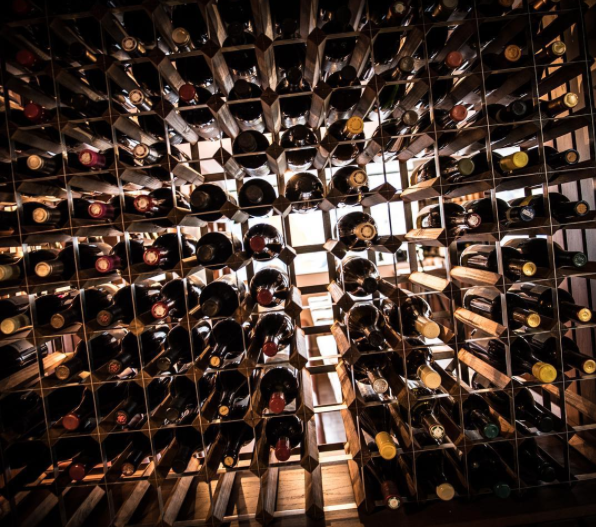
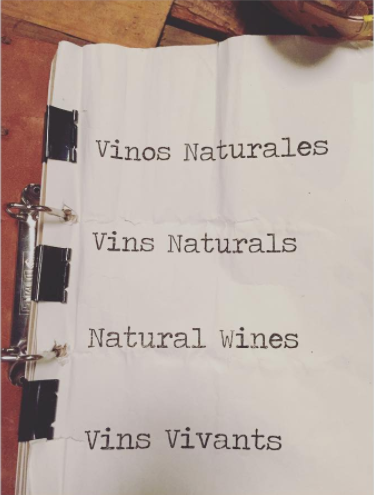
Natural wines are always going to throw out different fruits, styles and clarity; your list is a shrine to Natural wines, have people in London taken well to this style of wine?
Yes, definitely! Natural wine has been around for a long time now, the trend was about 5 years ago, now it is part of a culture, I think. I mean you can go to any Michelin restaurant around the globe, over half of their wine list is about natural wines, they just don't shout it as it can be quite controversial. I personally like to take a stand (whereas I did not when we first opened NP) after meeting many wine makers in the last seven years, and seeing their dedication to the terroir, their passion, their hard work, the purity of what they do, I think everyone should know more about it. People care so much about what they put in their plates, why wouldn't they care about what they have in their glass?
The Other Naughty Piglet, 2017.
Do you see fine Natural wines having longevity to match the likes of some Bordeaux and Burgundy?
Yes of course. Not all of them, but surely some. Prieure saint Christophe, Michel Grisard in Savoie, Chateau le Puy in Bordeaux and many others, If you think about it, a few decades ago, this is how they used to make wine, the idea of being a control freak in the winery is newer than natural wine...
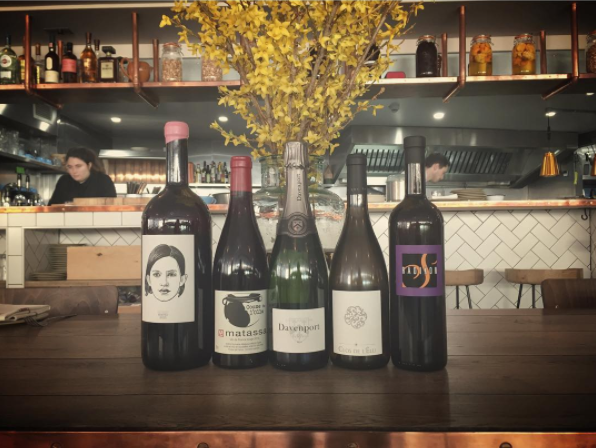
How do Natural wines handle being open for those on the by the glass list?
Let's not forget that natural wine is "wine" essentially! Some don't last and are badly made, some are fantastically made and last once opened, in conventional or natural wine making....

The Other Naughty Piglet, 2017.
Do you have any exciting plans or events coming up that our readers might be interested in?
We are thinking of doing a collaboration with another chef for the Evening Standard food festival event in July and we will be doing wine dinners with a special wine maker each time in the next 6 months.

The Other Naughty Piglet
At The Other Palace.
12 Palace St, Westminster,
London SW1E 5JA
Words: Johanna Raudsepp
We are glad to announce that our friends and partners from Slow.ee have now opened their very first slow fashion store in Tartu, Estonia! The brand new Slow Store is located at Aparaaditehas (Apparatus Factory), which has long been a fantastic new lifestyle hub connecting sustainable design, creativity and food, enjoyed by the young and the old alike.
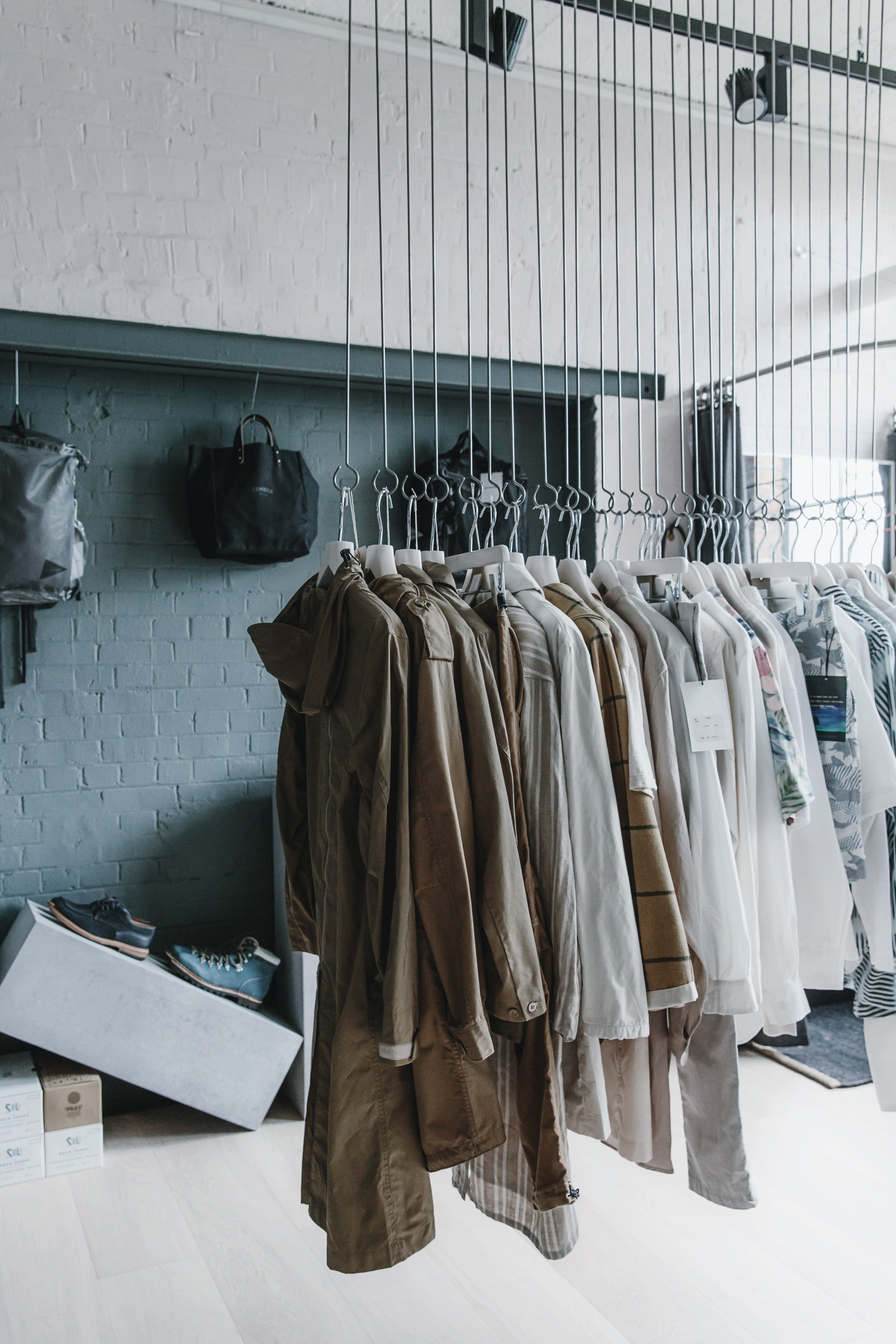
The open conceptual space with high windows truly emphasizes taking it slow - taking that moment to breathe and being grateful for the simple things in life. Slow features a variety of conscious fashion brands and beauty products, but when it comes to product choices, sky is the limit! They also showcase sustainable lifestyle products and tasty treats. I got to try vegan chocolate from their shop and it was a-ma-zing.
Where is Slow heading now? Store owner and sustainability activist, Helen Puistaja, tells us the aim now is to go with the flow. “We have worked extremely hard to achieve this dream of having our own Slow store. Now that it’s here, we just want to take it all in and enjoy the moment.”
“I’m actually curious to know what items and brands our clients love most,” says Helen. She is looking forward to other curious minds coming in and discovering the realm of slow life. And let me tell you - it is definitely worth checking out! One’s own eye is the king.
Cosmetics for men? And all natural? It’s a combination you definitely don’t come across too often. You might even think along the lines of ’I’m a man and I don’t need face cream!’ — well, the men’s grooming brand Tuul from Estonia will change your mind. Tuul is dedicated to taking good care of men’s skin and beards with their range of natural pampering products. The founders duo, Kädi and Kaarel, shared their story with us.
Words: Johanna Raudsepp

Kädi and Kaarel, founders of Tuul. / Photo by Tõnu Tunnel.
I hope you’re still not tired of this question, but what’s the origin story of Tuul?
We say Tuul (‘wind’ in Estonian) grew out of a personal necessity, but if we delve a bit deeper, then I [Kädi] was pregnant with our little daughter. When you’re expecting, you’re much more sensitive to all kinds of scents. Kaarel had just bought a well-known brand’s perfume, and when he had sprinkled it on in the bathroom, I actually felt nauseous [inhaling the scent], and asked him why won’t he make his own perfume without any added chemicals. He was taken aback by my snappy comment, but the next morning I woke up next to a man with dark circles under his eyes. Turns out he hadn’t slept one bit, and had figured it all out — to start a grooming brand for men.
You are a brand dedicated to men’s skincare. Which essential skincare products should every man have?
Actually, we are not only focused on skincare, but also keeping one’s hair and beard in good and healthy shape. There are products every man needs, like shampoo and deodorant (coming soon), and then there are products that make you feel good and pampered, like beard oils. Every man deserves to be spoiled from time to time.

Tuul men's grooming range, 2017.
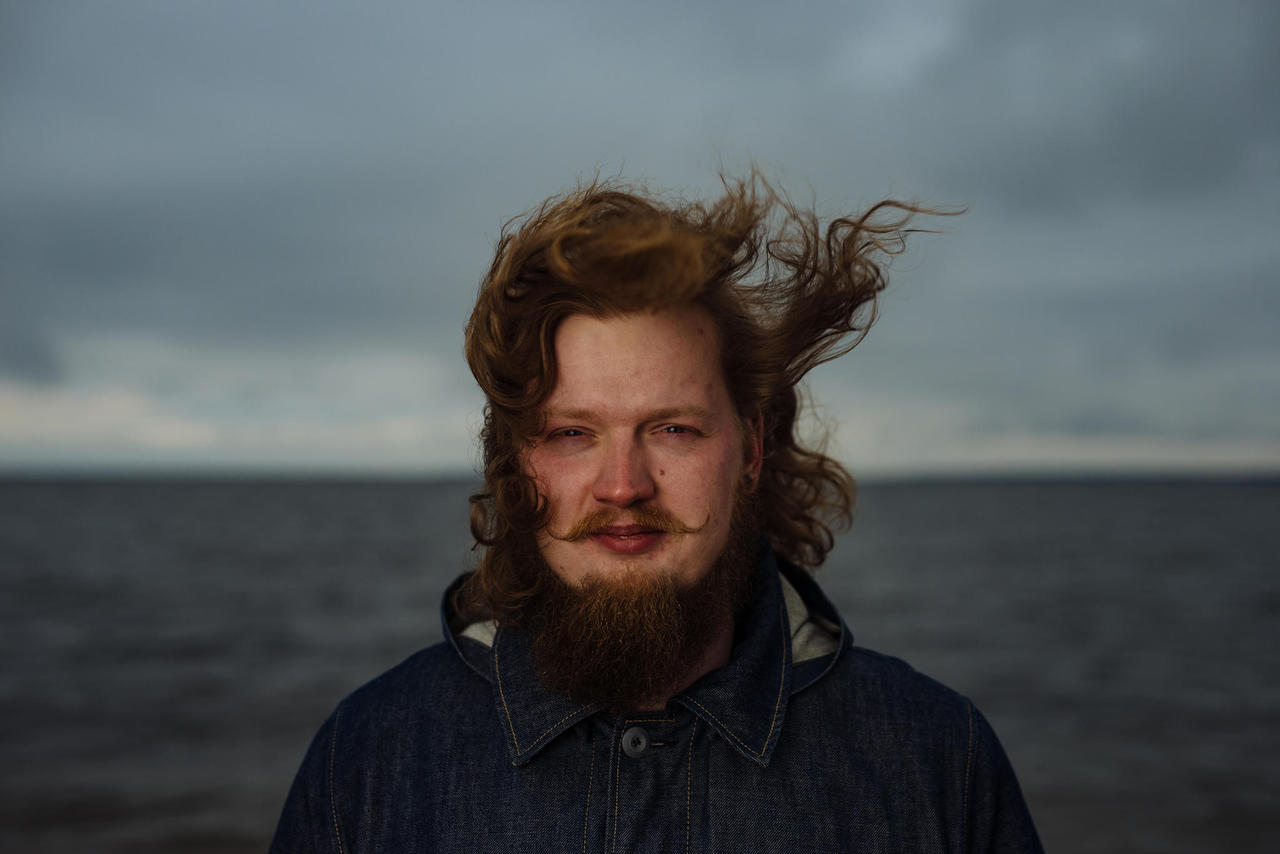
Who is Tuul?
Tuul is someone who cares.
Developing a new brand is surely not easy. What has been your favourite adventure along way?
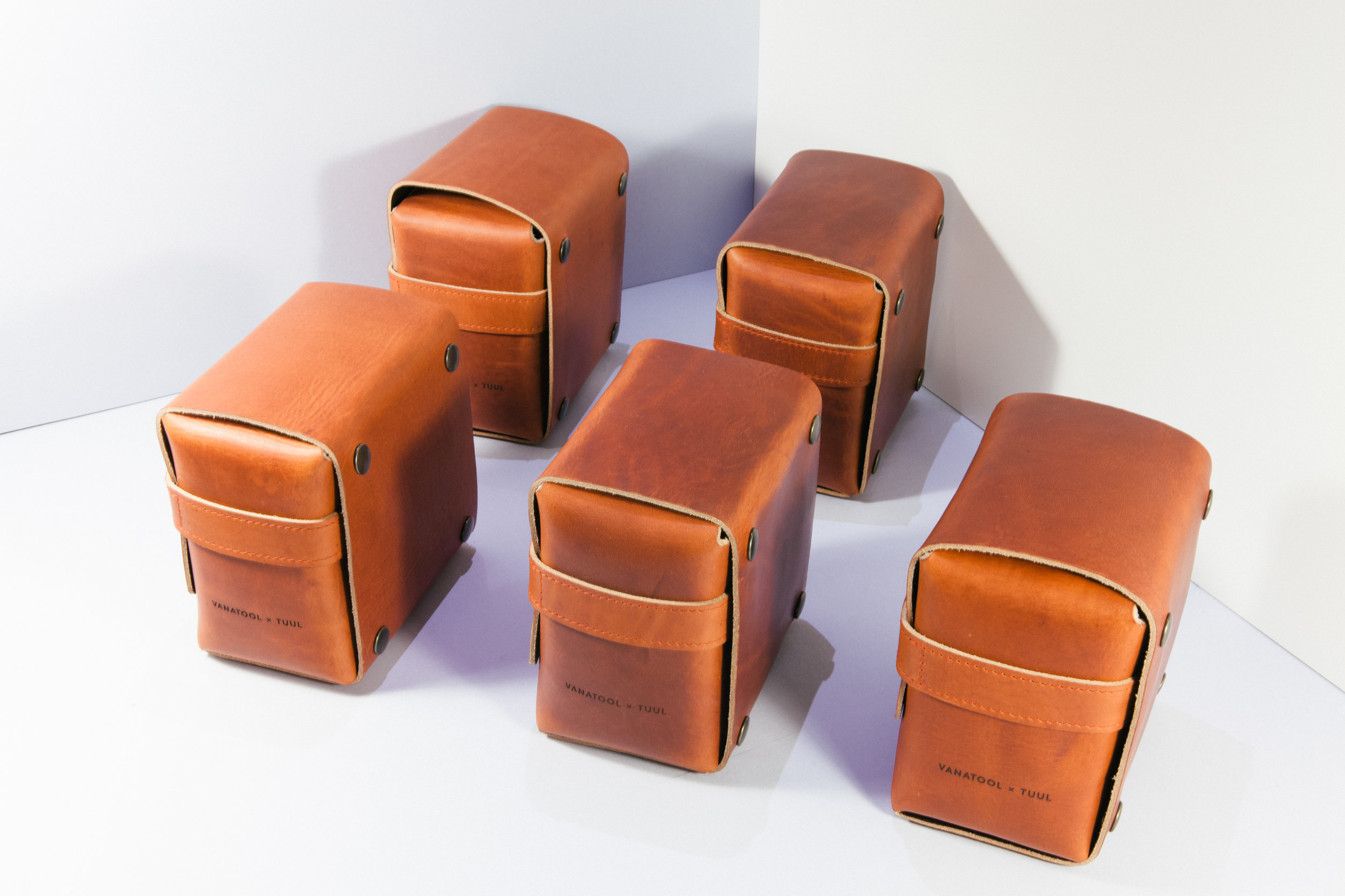
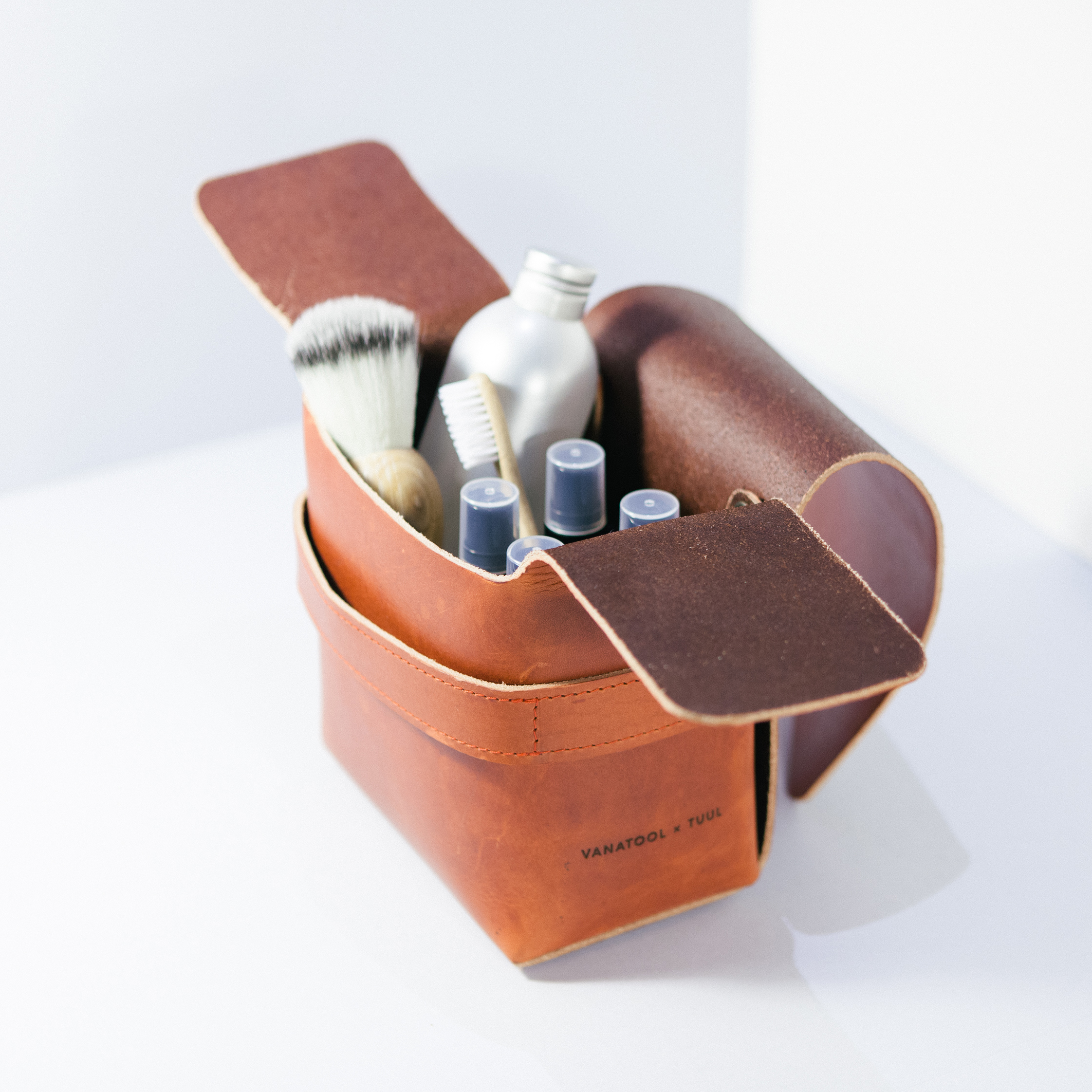
Our favourite days must be the days when we are in direct contact with our customers — meeting people, receiving their feedback, finding out what their needs are. The research and development process is also very exciting with each product — finding out what the best ingredients are, how should the result smell, feel and look. We’re always excited for collaborations as well — like the travel pouch we did together with a local leather manufacturer, Vanatool.
At Savant, we pay close attention to making environmentally conscious choices when it comes to the products we use. How is Tuul sustainable in its day-to-day life?
We’re all in for organic choices. The ingredients of our upcoming products will include biologically certified herbal extracts, and the scents will be as local as possible. The nature from our region has a lot to offer — birch, juniper, peppermint are only a few examples. We prefer glass, aluminium, and paper when it comes to packaging, whereas all are recyclable materials.
What’s in store for Tuul Care fans in 2017?
By the end of the year, we hope to have reached the next level. The plans for 2018 are even greater. We like to think big!
You can find Tuul at https://tuul.care/
The scarcity of garments of Far East origin available in the UK inspired Tom, founder of Alpha Shadows, to start catering a cornucopia of contemporary Japanese design for fellow seekers of Far Eastern impeccable excellence. In his concept store in Peckham, London, built according to his own vision, a slow-paced shopping experience awaits admirers of the finest Japanese porcelains and jeans, whereas even the odd lost wanderer is guaranteed to leave with a few new Far Eastern founds in hand…

Photo: Alex Reyto.
Tell us more about your background.
Before the shop, I was camera crew in the film industry. I specialised in Stop Motion Animation, which involves a lot of waiting around, so between shots I started looking at ever-obscure clothing brands on indecipherable websites.
There came a point when I just had to go to Japan — a country I'd long wanted to visit — to see these clothes in person, but also experience the culture, the food and the country. On my first trip there, I wasn't especially thinking about starting a shop, more about filling my belly, my mind and my suitcase...
What led you to starting Alpha Shadows?
Once there, the penny started to drop. There were some great brands I was a fan of that were simply impossible to find anywhere outside of the Far East, and I couldn't understand why they weren't. I decided I didn't want to be sitting here in 2 or 3 year’s time, when such and such a brand was picked up by a UK, European or even U.S. shop and thinking, 'I should've done that!'. I was equally inspired by incredible retail environment over there; the whole experience is so well considered and executed. I came home with my mind made up about what I should be doing with my life!
Three of my big passions in life are film, clothing and cricket, and I never had the talent to be a cricketer. A big part of me misses working in stop motion and there's every chance, if I'd never made the journey to Japan I still would be, but after that first visit I knew what I really wanted to do.
How did you grow interest in Japanese fashion to begin with?
In my early teens I was really into skate brands and whilst my local town had a pretty decent skate shop, I always wanted some shoes or hoody that I knew I wouldn't see someone else wearing. This was in the late nineties/early noughties when the Internet was still in its infancy. I'd find myself on a website for a shop in the U.S. that had the thing I'd never seen anywhere else. As my sartorial 'persuasions' changed and developed, the habit of always looking further afield continued.
At some point I got my first pair of ‘Made in Japan’ selvedge denim jeans (I'd hazard a guess that for many people, like myself, it all started with a pair of Japanese denim). There was something about the quality and attention to detail, even on something so simple in many ways, as a pair of jeans, that was just better in every way to any I'd owned before. This realisation that maybe they do everything a bit better quickly expanded beyond that pair of jeans. Obviously there is incredible clothing made all over the world, but what I found over there, as well as its scarcity, really appealed to me.

Photo: Alex Reyto.
What was the one most important thing you kept in mind when starting Alpha Shadows?
The most important thing at the beginning and always will be is to be different. I'm happy to admit that there's a handful of brands we stock that have a few other stockists outside of the Far East. In the grand scheme of things they're still pretty niche, but not that hard to find with a quick google search, but nonetheless, brands I'm a big fan of and wanted to have in the shop since day one. People might query how this makes us different and what I hope people see is that the majority of brands we stock are very, very tricky to find outside of their home country. When customers see the brand mix, I hope they appreciate the difference we attempt to offer vs. other retailers. The most important thing is visitors love the clothes or footwear or ceramics, but alongside that also feel like they've discovered something new and different. This is as important to me now, as it was at the start and will continue to be.

Photo: Alex Reyto.

Photo: Alex Reyto.
Why is Japanese fashion so hard to get hold of in the UK?
You may be able to find a coat by a certain Japanese brand on a website in Japan, but the site is in Japanese and even if and when auto-translate works, it is unlikely the brand will ship abroad. While there are a very small number of sites that do offer some international shipping, it has only begun to happen fairly recently.
How important is sustainability for the designers you represent?
In terms of sustainability, I can't speak for each brand directly, but what I can say is the materials used are the very core of the brands' philosophies. It's what defines their clothing and, as a by-product of this ethos, they source the best fabrics and dyes rather than the cheapest, which in turn usually carries little regard for the environment and the people that make them.
Your branding is eye-catching and unique. What influences did you consider when creating the visual identity for the web shop?
I was pretty clear about what I didn't want rather than what I did, so much of the influence came from what I thought was wrong, rather than what I thought was right. I sketched out a few ideas for the logo and left this is in the far more capable hands of a designer, who turned it into something that I liked the minute I saw it. It had to be clean and simple, but also unique and recognisable. This 'design philosophy' and this ethos I hope remains consistent with both the website and physical store. I didn't want to be too clever — the focus is to have a site that is usable with a well-presented collection, as well as clear, simple and honest product information.
Considering the designers and brands you represent in your store, what perhaps unites them?
What unites the brands we work with is a desire to make the best product they possibly can. From the fabric to the stitching to the buttons and the zips, it's about either sourcing or developing what they feel is the ideal component for that item, rather than the cheapest and quickest to produce. Some of the products I sell couldn't be more varied; there is denim created on antique looms and hand-woven sweaters, but also jackets with heat bonded seams, made from some of the most technically advanced fabrics on the planet.

Where do you source the brands?
It's down to a lot of research and a lot of tough decisions! I'm always finding new designers and brands that I appreciate, but I always try to consider how they will fit in alongside the other brands we stock. I want every brand to stand out in their own way, but I don't want them to seem at odds with one another. Just because I love a particular brand, doesn't mean it's right for the shop.
Name a couple of your recent favourites.
They're all my favourites, because each in their own way are doing some brilliant things. What is of importance, though, is the fact that we support and stock some really special young designers and brands that are in my mind criminally underrepresented. So to give them a platform is something I'm particularly proud of. andWander, Meanswhile, Niuhans, and Salvy have all been around a few years and these are some of the brands I have a certain fondness for.
How have customers reacted to the physical shop vs web store?
The reaction to the physical shop has been overwhelmingly positive. I suppose because the building we are in is a little rough around the edges (it's well over a 100 years old, so hardly surprising!), people aren't really sure what to expect. When they come inside the reaction is usually something like, 'It's actually really nice in here, what an amazing space!'. That's obviously nice to hear, but more importantly, is the fact that a customer is more likely to spend thirty minutes or more in the shop, rather than three. I hope this means our customers are comfortable in the space, find it a relaxing and welcoming place to be and one in which we can have a chat about the clothes or anything else for that matter.
You can't really transfer the 'vibe' of the physical space to the web store, so keeping things clean and simple was always the priority in this respect and our customers seem to appreciate this. We're always looking to improve both shopping environments, but we want to do this gradually in a way that makes sense.

Photo: Alex Reyto.
Who is perhaps the stereotypical customer of yours?
Our customers are as varied and interesting as the brands we stock; so to describe a stereotypical customer is almost impossible! What I can say is that our customers are united by their appreciation for good quality and interest in discovering new things. Whether it's men or women, there's no specific age, they come from all walks of life and from all over the world.
What makes the niche brands you represent popular with your audiences?
As much as a something being 'rare' or hard to find with limited quantities, what ultimately matters is the quality of the product. The fabrics, the fit and the finishing are the things that customers appreciate and admire. One of the most rewarding things for me on a personal level is for a customer to purchase an item from a brand that is new to them and for it to then become their new favourite brand.
What are your plans with Alpha Shadows going forward?
That's a bit of a secret to be honest, but I'd like the to naturally evolve and develop. I'm very conscious of the importance of keeping the number of brands limited. This isn't because I think we should only ever carry a specific amount of brands, but because I don't want any brand we do stock to get lost amongst a sea of others. A trap I'm keen to avoid is focusing on brands just because they sell well for a couple of season; I don't think that's enough to keep it interesting.
We're very fortunate to have built up a solid base of customers who I hope appreciate this longer-term vision.
Visit the store:
Unit C1, Bussey Building, 133 Rye Ln, London, SE15 3SN

Words: Emilia Wik
Over the recent years, we as consumers have become aware of the impact chemicals have on the environment and our bodies more than ever before. As it follows, more and more companies are offering environmentally friendlier, greener and cleaner options to ease the concerns of their customers. This is visible when you’re scanning through the cosmetics department, browsing for clothes, or simply touring the supermarket aisles; words, such as ‘organic’ and ‘natural’ are popping up anywhere and everywhere more frequently than ever. So how could it spell trouble for consumers to be aware of the impact their purchases have on their surroundings and themselves? Truth be told, there is none! Instead, what’s damaging is that many companies are trying to exploit this newfound interest in sustainable products by “greenwashing” their advertisements and product offering.
So what is greenwashing you might be wondering? Greenwashing is defined by the Greenwashing Index as “when a company or organization spends more time and money claiming to be ‘green’ through advertising and marketing than actually implementing business practices that minimise environmental impact”. For instance, many companies are now fond of using green colours, earthy looking packaging and words we as consumers associate with environmentally-friendly practices, such as ‘natural’, ‘sustainable’ and ‘organic’, to make their products look earth-friendly; although what’s hiding inside is nothing else than conventionally produced goods. Because hey, sadly it’s easier to advertise differently than to change the production infrastructure.
In fashion, greenwashing can for instance consist of garments advertised as made of organic cotton, yet without the cotton being certified. This means that there’s no real proof that the textile is organic or the way it’s been treated, most commonly with harsh chemicals and dyes. When it comes to food, greenwashing can take the form of a farmhouse on the packaging next to the word ‘natural’, however, getting to the ingredient list, you then discover you can only pronounce about 10% of what’s been listed.
So why are companies taking the easy way out, implementing marketing strategies that fool their customers rather than introducing actual sustainable changes into their businesses practices? One of the main reasons behind this is that remodelling the norm from a conventional to a sustainable supply chain method requires vast investment in terms of time, money, resources and skills. Another one might be that it simply not possible to change the current production practices into greener strategies, e.g. there isn’t enough skilled labour or the right raw material to produce something of real value for the company. Thus, as marketing in many areas of the world is fairly unregulated, greenwashing becomes the simplest and cheapest option to reach customers who are keen on shopping greener, without having to spend much time or resources on transforming a whole company.
Greenwashing might be especially difficult to discern for people who are just becoming aware of the impact their purchases have, but also for seasonal ‘green’ shoppers, especially when a brand heavily advertises itself as organic. However, the many larger companies failing to realise the potential of growing sustainably has led to a new generation of start-ups that have this etched in their core; that dare to go an extra mile in terms of using sustainable materials as well as ethical supply chains. A rising trend amongst these smaller brands is radical transparency and honesty, meaning that they communicate openly about their ethos, supply chains and materials used, making it easier for us as customers to see what they stand for and how sustainable their operations are.
So what can we as consumers do to combat greenwashing? Try to look at the bigger picture and don’t focus solely on advertisements and words printed on the packaging, but analyse how the company acts as a whole; do they have any certifications to prove what they are claiming and are they transparent in the way they act? If not, dare to ask questions and if you receive vague answers be vary, it might be another example of greenwashing gone too far.
I truly hope that 2017 will bring more consumer interest in looking beyond advertisements and clever wording into what brands actually stand for and endeavour to do. Because the huge effort that goes into creating something truly ethical and sustainable should be recognised and thus rewarded, so let’s not let the greenwashers win this one.

Written by Emilia Wik, Founder of Scandinavian Slow Fashion brand BYEM (link: www.BYEM.com)